Introduction
Every day, thousands of container chassis trailers haul ISO shipping containers across highways carrying cargo worth millions of dollars. Holding those containers in place are four unassuming mechanical devices known as twist locks — one at each corner of the chassis. If a twist lock fails or is not properly engaged, the consequences can be catastrophic: a 30-ton container sliding off a trailer at highway speed, causing fatal accidents, cargo loss, regulatory penalties, and potentially ending a transport business.
When sourcing twist locks for road transport, fleet managers and procurement professionals face a fundamental decision: manual twist locks or semi-automatic twist locks? On the surface, both fit ISO 1161-compliant corner castings and both secure containers. But underneath that similarity lie profound differences in safety mechanisms, operational protocols, and risk profiles that directly affect the safety of drivers, equipment, and cargo.
This guide breaks down the critical differences between manual and semi-automatic twist locks specifically for road transport applications. By the end, you will understand why the industry has shifted decisively toward semi-automatic mechanisms — and why choosing the right lock is not just a procurement decision but a safety imperative.
Part 1: What Are Container Twist Locks?
Before diving into the comparison, it is important to understand what a twist lock is and how it works.
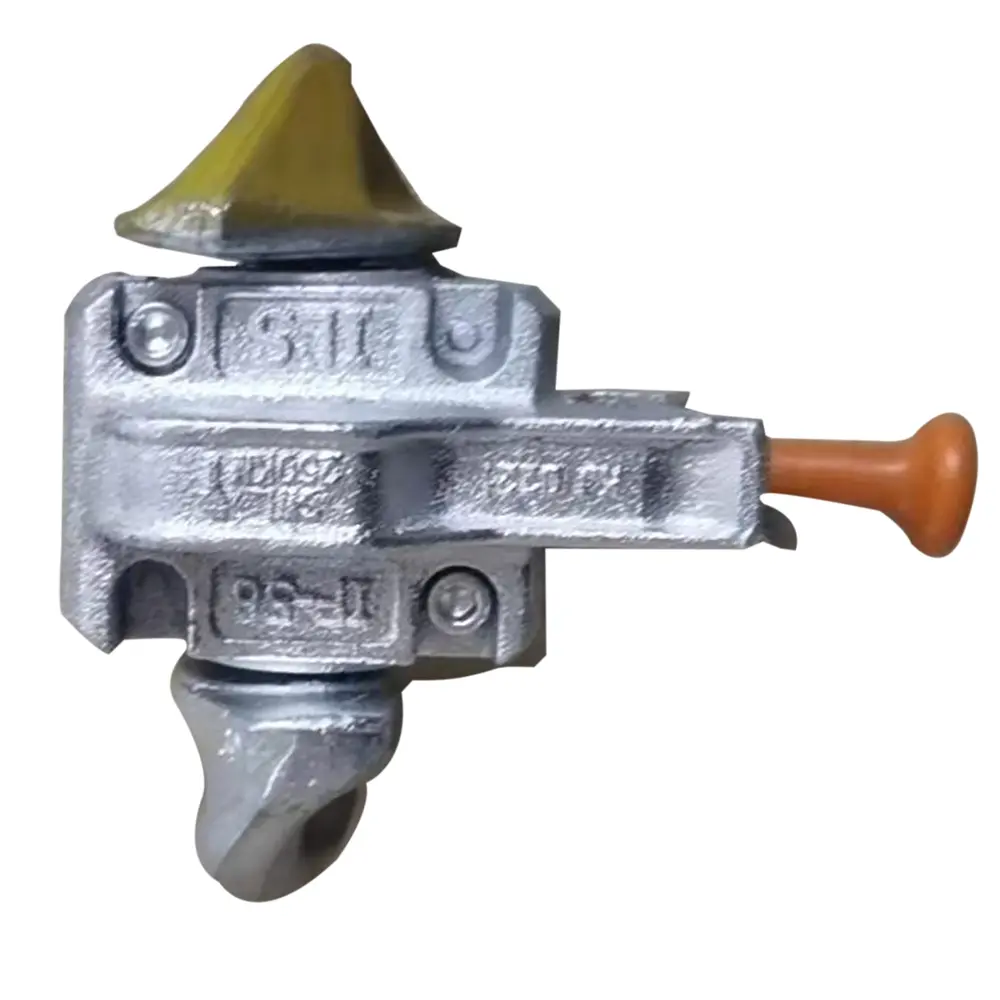
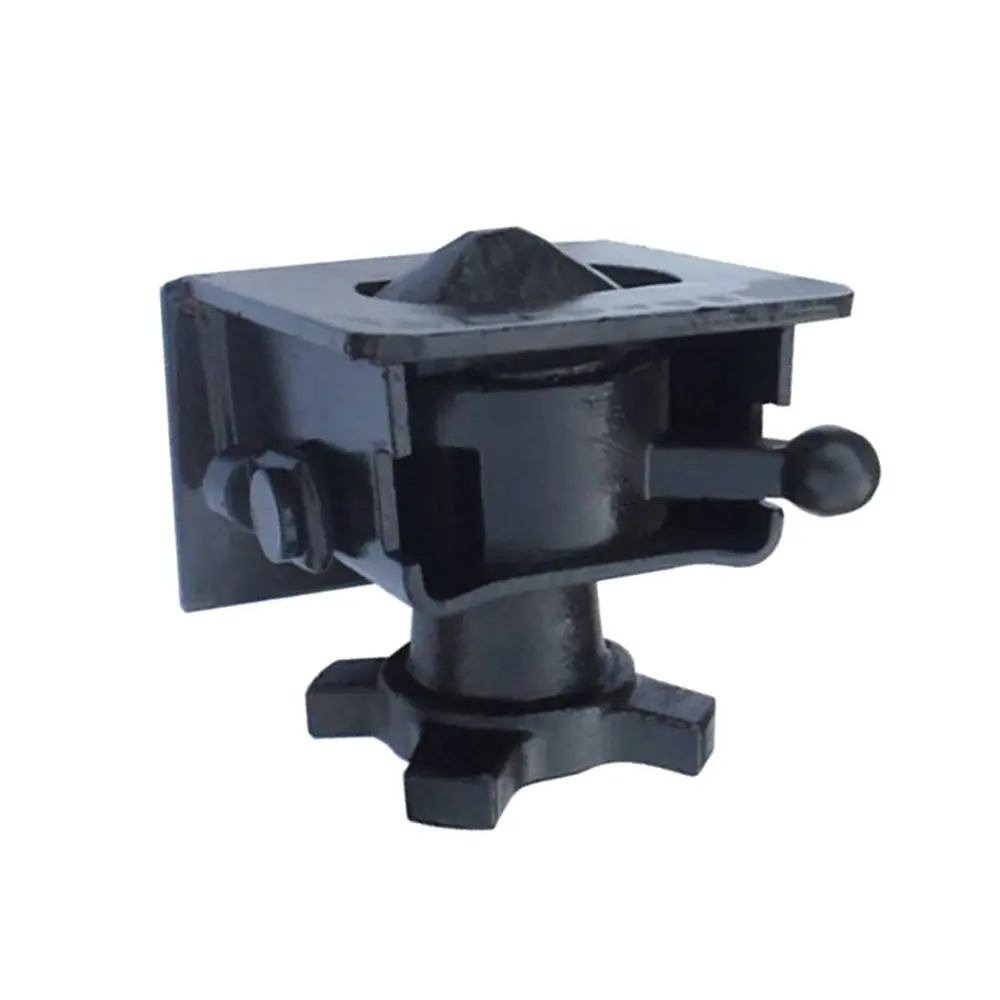
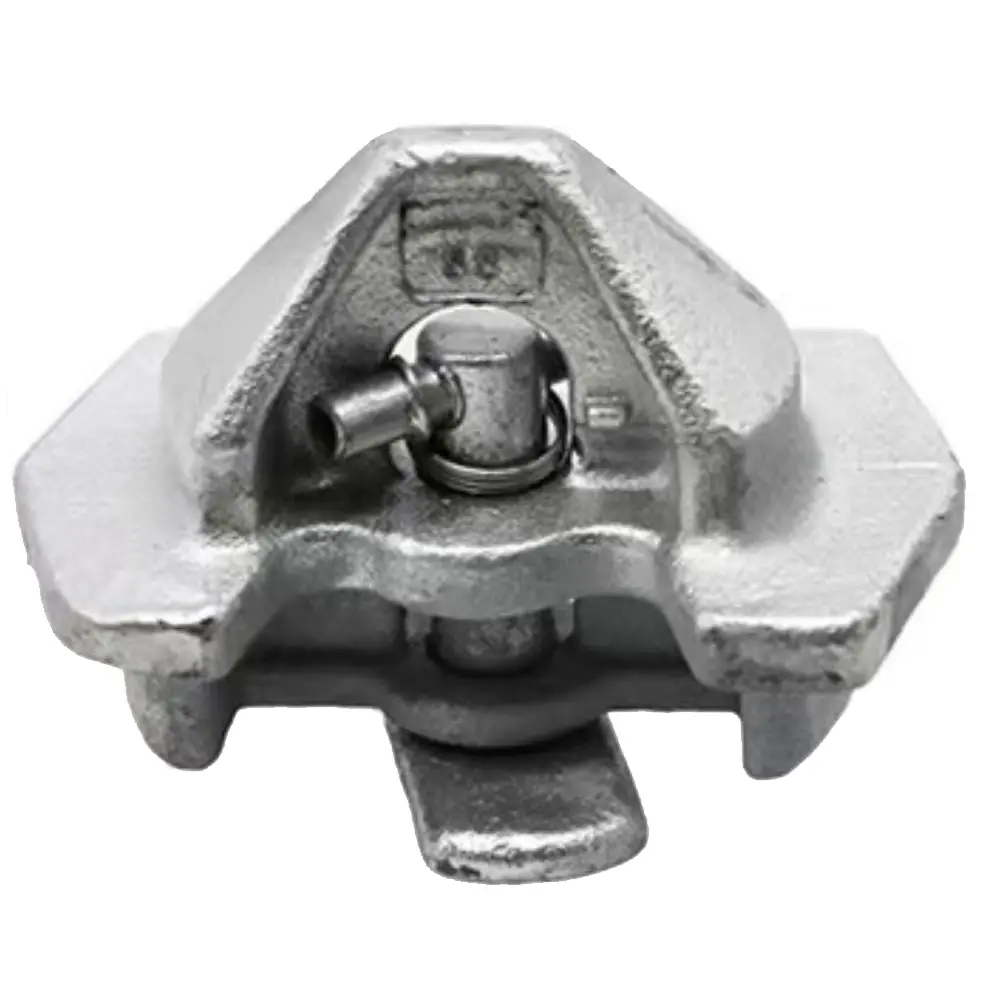
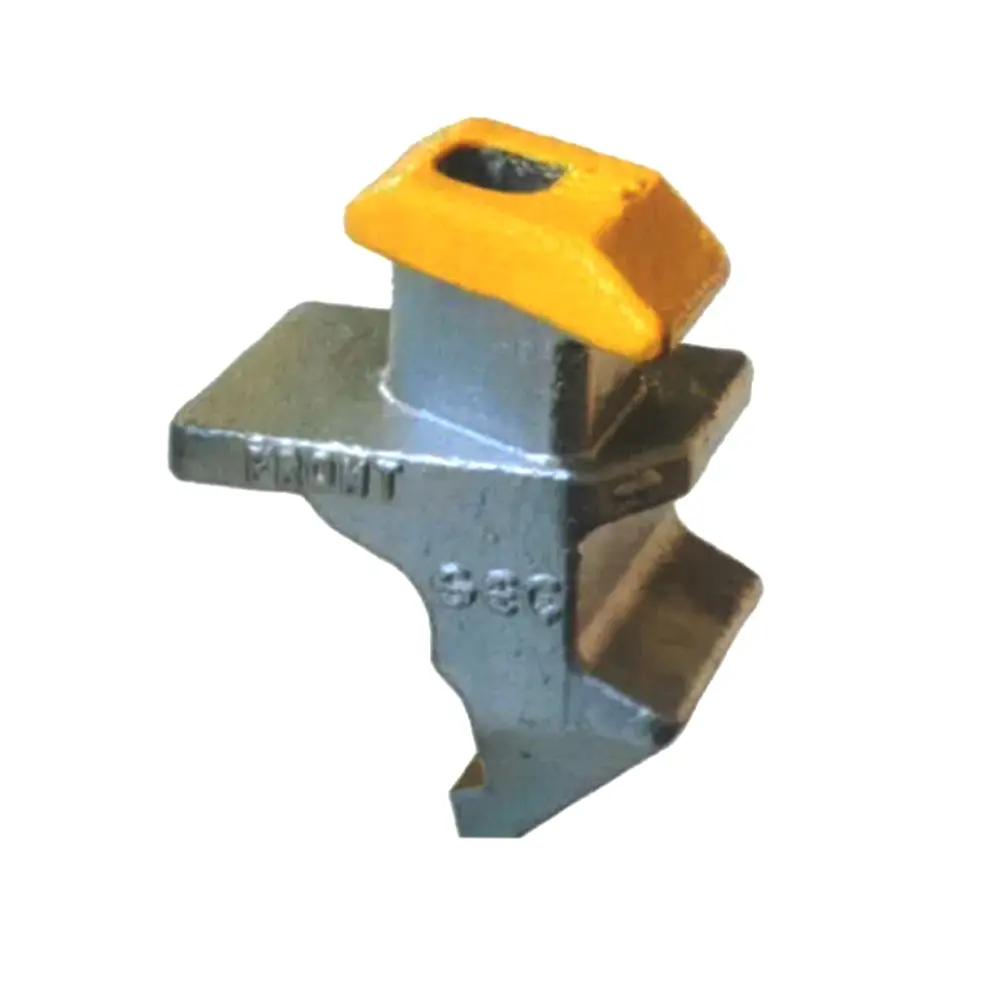
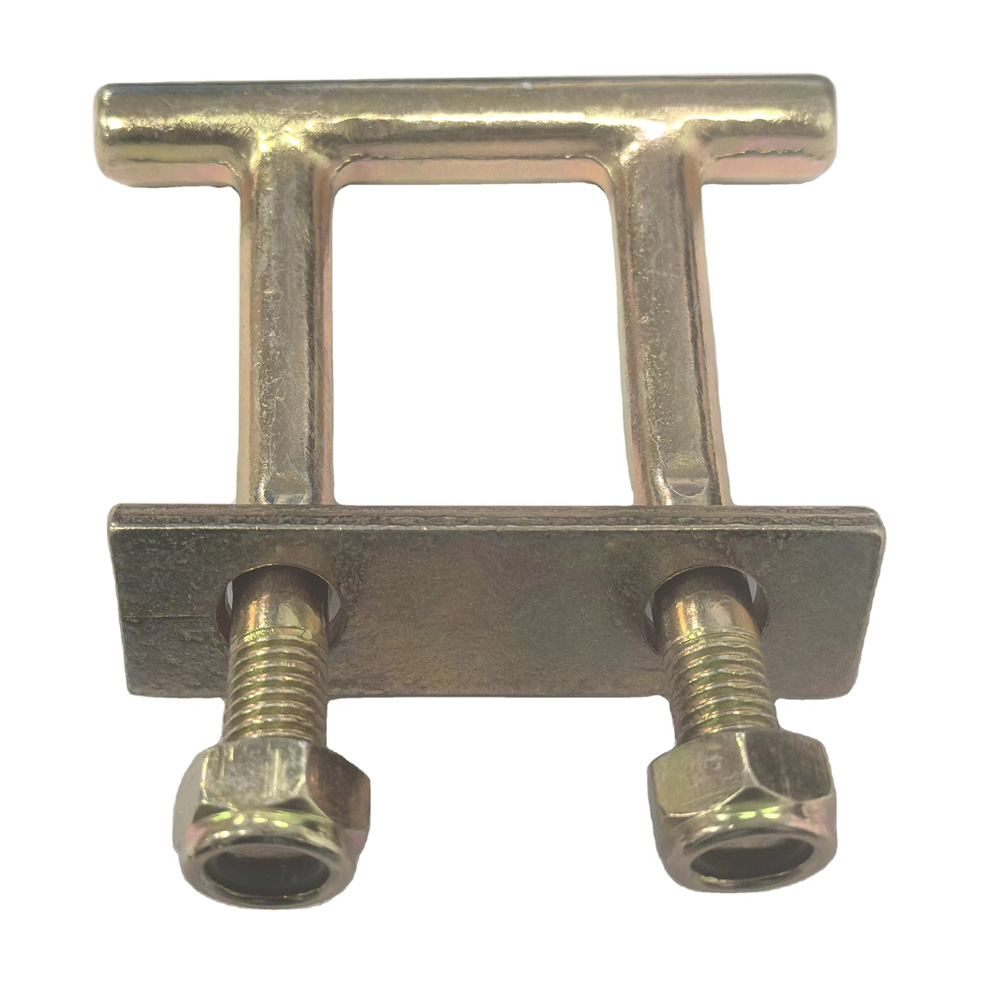
A twist lock — also known as a twistlock or container lock — is a mechanical device used to fasten ISO standard shipping containers to a trailer chassis during road, rail, or sea transport. The device consists of a steel cone head that inserts into the container‘s corner casting, a base plate or mounting bracket that attaches to the trailer, and a handle or mechanism that rotates the cone head 90 degrees to lock the container in place. Twist locks are typically installed in sets of four or eight per trailer, positioned at the chassis locations corresponding to the corner castings of 20ft or 40ft containers.
The fundamental principle is elegantly simple: rotate the cone 90 degrees, and the container cannot lift off; rotate it back, and the container can be removed. This “twist to lock” mechanism is the foundation of modern intermodal container transport, standardized globally by ISO 1161.
However, how the lock achieves that rotation — and who — or what — controls it — is where manual and semi-automatic twist locks diverge sharply.
Part 2: Manual Twist Lock — Full Operator Control, Full Operator Responsibility
A manual twist lock is operated entirely by hand. The operator must physically rotate the lever or handle to lock the cone head into the locked position — and must physically rotate it back to unlock.
How It Works
When loading a container onto a flatbed or container chassis trailer equipped with manual twist locks, the operator — often a driver, spotter, or loading dock worker — must first position each manual twist lock in the unlocked orientation. Once the container is lowered onto the twist locks, the operator must rotate each handle 90 degrees to lock the container in place. Before the container can be removed, the operator must again rotate each handle to the unlocked position.
Advantages of Manual Twist Locks
Manual twist locks offer some legitimate advantages, which explain why they remain in use across certain segments of the transport industry.
Low Acquisition Cost: Manual twist locks carry a lower cost premium than semi-automatic locks. For large-volume purchasers such as container leasing companies or trailer OEMs ordering thousands of units, the per-unit savings are not trivial.
Simple Construction and Reliability: Manual locks have a straightforward design with fewer moving parts than their semi-automatic counterparts. Fewer components mean fewer potential failure modes, and manual locks are easier to inspect visually for damage or wear. There is no spring mechanism to fatigue or jam.
Wide Availability: Manual twist locks are the most commonly used type on the market and are readily available from a wide range of suppliers across all price points.
Disadvantages of Manual Twist Locks — The Safety Problem
The safety concerns with manual twist locks are not theoretical. They stem directly from the fact that security depends entirely on human discipline at every single loading cycle.
Operator Fatigue and Human Error. In a busy loading yard where multiple containers are handled each hour, an operator may work for extended periods without breaks. Manual locks require the operator to rotate four handles per container — eight rotations per container if you count both lock and unlock cycles. Fatigue compromises judgment, and compromised judgment leads to missed steps. A container loaded with a handle only partially rotated is not fully locked — and may not remain secured if the trailer encounters a sudden stop or sharp turn.
The Risk of Incomplete Locking. Manual locks rely entirely on the operator‘s judgment and physical effort to confirm that the lock is fully engaged. There is no mechanism that automatically verifies the locked position. The only confirmation is visual: did the operator see the handle reach its fully rotated stop? If the operator is distracted — by a phone call, by a coworker, by plain exhaustion — the lock may be left partially engaged. The consequences of that single moment of inattention can be measured in fatalities and totaled equipment.
Operator Exposure to Hazards. On trailers carrying multiple container heights, operators using manual locks may need to climb onto the top of a container to access certain locking positions. Working at height without proper fall protection exposes personnel to serious injury risks from falls. OSHA standards require safety measures for work above 1.8 meters (approximately 6 feet). In many fleet operations, manual lock handling takes place at elevations that would require formal fall protection — which may not always be available or used.
No Verification in the Locked State. Once a container is en route, there is no way to confirm from the cab or remotely that a manual twist lock has remained locked throughout the journey. The lock will stay locked only if the handle was fully rotated and if no road vibration or impact has dislodged it. In contrast to spring-loaded designs, manual locks offer no automatic resistance to handle movement under vibration.
For these reasons, manual locks are widely recognized in the industry as carrying the highest operator-dependent risk in regular road transport operations.
Part 3: Semi-Automatic Twist Lock — Designed to Reduce Human Error
A semi-automatic twist lock automatically locks when a container is lowered onto it but requires deliberate manual action to unlock. This hybrid design represents a significant engineering advancement over fully manual mechanisms.
How It Works
The semi-automatic mechanism contains an internal spring that tensions and releases as the container is lowered. When the container‘s corner casting contacts the cone head, the spring is compressed. As the cone fully seats into the casting, the spring releases, rotating the cone 90 degrees into the locked position without any manual handle rotation required.
Unlocking, however, remains manual. To free the container, the operator must pull a handle or release mechanism — typically from the side of the chassis — which disengages the spring and rotates the cone back to the unlocked position.
Advantages of Semi-Automatic Twist Locks
Automatic Locking Eliminates Human Error at the Critical Step. The most dangerous mistake an operator can make is failing to lock a container before it leaves the loading area. Semi-automatic locks eliminate this risk entirely because the lock occurs automatically as the container is loaded. There is no handle for the operator to forget to rotate, no judgment call about whether “fully rotated” means fully locked. The physics of the lowering operation handles the locking.
Built-in Final Verification Before Release. Semi-automatic locks require a deliberate manual release before a container can be lifted off — and this requirement functions as a built-in verification step. The operator cannot remove the container without physically engaging the release mechanism. That physical action serves as a natural checkpoint: “I am about to release this container, so I must confirm it is safe to do so.” This design feature significantly reduces the risk of premature container release.
Spring Mechanism Prevents Unintentional Unlocking. The internal spring provides constant pressure holding the cone in the locked position. If the handle or release mechanism were to be struck or vibrated loose during transport, the spring maintains the lock. This is a crucial safety advantage on road transport, where trailers experience constant vibration, potholes, and sudden braking events.
Reduced Operator Workload and Faster Loading. Semi-automatic locks reduce the number of manual actions required per container cycle, which speeds up loading operations and reduces operator fatigue. For high-volume fleet operations loading multiple containers per day, the cumulative time savings are meaningful. The spring-loaded design offers higher safety compared to manual locks while significantly improving loading speed.
Lower Risk of Cargo Shift During Transit. Because the spring maintains positive locking pressure, containers secured with semi-automatic twist locks are less susceptible to gradual loosening under road vibration than those secured with manual locks. The spring also acts as a shock absorber, distributing some of the dynamic load across the lock mechanism rather than concentrating all forces on the handle and cone.
Disadvantages of Semi-Automatic Twist Locks
Higher Unit Cost. Semi-automatic twist locks are more expensive to purchase than manual locks. The additional mechanical complexity — springs, detents, and precision linkages — adds manufacturing cost. For large fleets retrofitting hundreds of trailers, the difference in upfront cost may be substantial.
More Complex Construction. Additional moving parts mean more potential failure points over the life of the lock. Springs can fatigue; internal linkages can wear; corrosion can compromise the automatic locking mechanism. This requires more rigorous inspection and maintenance protocols.
Not Designed for Marine Stacking. Semi-automatic locks are optimized for road transport dynamics — vertical loads with some lateral and braking forces — but they are not the standard choice for stacking containers on ships, where fully automatic mechanisms are preferred.
Critical: Semi-Automatic Does Not Mean “Fully Automatic.” Semi-automatic locks lock automatically but unlock manually. This is not the same as fully automatic locks, which lock and unlock without any manual intervention. On road trailers, fully automatic locks carry unintended release risks because the automatic disengagement mechanism was designed for terminal environments, not highway vibration profiles. For road transport, semi-automatic is the correct specification — fully automatic is not.
Part 4: Critical Safety Comparison — Why Semi-Automatic Is the Standard for Road Transport
For road transport on flatbed and lowbed trailers, semi-automatic twist locks are the standard specification — not merely an option. The reasons are rooted in the specific safety demands of highway transport.
The Manual Lock Failure Chain
Manual locks create a chain of events that can lead to container loss: operator fatigue leads to incomplete rotation; incomplete rotation means the cone is not fully engaged; a sudden braking event applies shear force to the partially engaged cone; the cone slips out of the corner casting; the container shifts on the chassis; center of gravity moves; and trailer stability is compromised. Each link in the chain is an opportunity for failure, and each link begins with human operation.
The Semi-Automatic Safety Margin
Semi-automatic locks break this failure chain at the first link. By eliminating the operator‘s responsibility to lock the container — automating the locking step entirely — semi-automatic locks remove the opportunity for the most dangerous human error: forgetting to lock. The spring mechanism also provides a second line of defense against vibration-induced loosening during transport, a protection that manual locks lack.
Industry Documentation and Risk Perspective
Authoritative guides on twist lock selection for road transport note that manual locks place retention entirely on operator discipline at every cycle, making them the highest-risk option in regular road transport operations. Semi-automatic mechanisms reduce manual handling, improve loading efficiency, and provide a safer overall securement profile for containers in motion. The requirement for manual unlocking also ensures that a human operator must physically verify the unlocked state before the container is removed — a design that reduces accidental release during unloading.
Industry experts have noted that semi-automatic locks basically solve the pain points of manual locks by reducing manual operations and greatly improving efficiency while providing a better balance between safety and cost. For most fleet operations, the balance between speed, safety, and budget favors semi-automatic.
Part 5: Where the “ISO-Compatible” Trap Catches Procurement Teams
One of the most dangerous misconceptions in twist lock procurement is the belief that any ISO-compatible twist lock is automatically safe for road transport. This is false — and suppliers rarely volunteer this distinction.
ISO corner fitting compatibility is a dimensional test, not a performance qualification. A twist lock that seats correctly in an ISO 1161-compliant corner casting has passed only one test: it fits. It has not been tested under road transport inertia loading, nor validated for the specific cone geometry, locking mechanism type, or fatigue cycle demands of highway transport. A twist lock designed for marine stacking — where loads are primarily vertical and static — can fail under the lateral and braking inertia forces common in road transport, even if it fits the corner casting perfectly.
When evaluating suppliers, procurement teams must verify that the twist lock offered has been qualified for road transport dynamics, not just dimensional compliance with ISO standards. This distinction separates suppliers who understand road transport safety requirements from those who merely meet the minimum dimensional specification.
Part 6: Cost-Benefit Analysis for Procurement Decisions
For fleet managers and trailer OEMs evaluating the cost difference between manual and semi-automatic twist locks, the calculation must include both acquisition cost and total cost of ownership — and in the case of safety-critical components, the cost of failure.
Manual Twist Lock Cost Profile:
-
Low acquisition cost per unit
-
Simple visual inspection — labor cost is low
-
Repairs are straightforward due to simple construction
-
No specialized training required for operation, but risk of operator error is high
-
High exposure to liability in the event of container loss
Semi-Automatic Twist Lock Cost Profile:
-
Moderate acquisition cost premium
-
More rigorous inspection and maintenance requirements
-
Reduced operator workload improves loading speed
-
Spring-loaded locking reduces accident risk and liability exposure
-
Lower probability of safety incidents over the equipment‘s service life
For fleet operators with high container throughput, the efficiency gains of semi-automatic locks alone may justify the higher purchase price. The reduced accident risk also lowers insurance exposure and protects against catastrophic liability claims. For smaller fleets with lower throughput, the cost premium may be a more significant factor, but safety should remain the primary consideration.
Part 7: Material and Finish Requirements for Road Transport
Regardless of the mechanism type selected, twist lock material and finish are critical to safety and longevity. High-strength steel is the standard material for ISO-compatible twist locks. The minimum tensile load rating for safety-critical applications should be 50 tons (approximately 500 kN or 112,000 lbs).
Surface treatment should be hot-dip galvanized for maximum corrosion resistance. Road transport exposes twist locks to road salt, moisture, mud, and chemicals. A lock that corrodes may have its spring mechanism jam on a semi-automatic design, or may have its handle seize on a manual design. In either case, corrosion compromises safety. Galvanized finishes provide the most durable protection for long-term service in outdoor conditions.
Part 8: How to Choose the Right Twist Lock for Your Fleet
The choice between manual and semi-automatic twist locks depends on your specific operating conditions, container throughput, and safety requirements.
Consider Manual Twist Locks If:
-
Your container handling volume is low — fewer than a handful of containers per day
-
You operate in a yard where operators have time for careful, deliberate lock handling
-
Acquisition cost is the primary constraint, and you are willing to accept higher operator risk
-
You have rigorous visual inspection protocols in place for every loading cycle
-
Your application does not require operating at elevation where fall protection would be required
Consider Semi-Automatic Twist Locks If:
-
Your fleet loads multiple containers daily — semi-automatic efficiency gains are meaningful
-
You want to reduce the risk of human error in the locking step
-
Your trailers operate on highways where vibration can loosen manual locks over time
-
You need to reduce operator exposure to lock-handling fatigue
-
Liability reduction is a procurement priority
For the vast majority of fleet operators handling ISO containers on chassis trailers, semi-automatic twist locks represent the safer, more modern specification — and industry guidance confirms that the standard specification for flatbed and lowbed road trailers is semi-automatic. Manual locks may fit a lower-volume, budget-constrained niche, but the safety margin and reliability advantages of semi-automatic mechanisms are decisive for most commercial operations.
Final Summary
| Factor | Manual Twist Lock | Semi-Automatic Twist Lock |
|---|---|---|
| Locking mechanism | Operator rotates handle manually | Auto-locks when container is lowered |
| Unlocking mechanism | Operator rotates handle manually | Manual release required |
| Human error risk | High — depends on operator discipline at every cycle | Low — locking is automatic, unlocking requires deliberate action |
| Primary failure mode | Incomplete rotation, handle loosened by vibration | Spring fatigue over extended service life |
| Road transport vibration resistance | Low — no spring tension maintaining lock | High — spring maintains locked position |
| Operator workload per cycle | Four manual rotations per container | Zero for locking, one release for unlocking |
| Best application | Low-volume, indoor loading with careful operator protocols | High-volume highway transport, where safety and efficiency are critical |
Manual twist locks offer lower upfront cost and simpler construction but place the entire safety burden on operator discipline. Semi-automatic twist locks automate the locking step, add a spring mechanism to prevent unintentional release, and have become the standard specification for road transport on flatbed and lowbed trailers.
Choose the lock that matches your risk tolerance, operating volume, and safety requirements. But know that for most commercial fleets moving containers on highways, semi-automatic is not just the better choice — it is the standard.
Contact us for more information; bulk orders enjoy discounts.
Related Products