Introduction: A Small Decision with Big Consequences
Choosing the right lock for your truck toolbox might seem like a minor detail—but it’s a decision that directly impacts the security of your valuable equipment, the durability of your storage system, and even your daily workflow efficiency.
Whether you’re a fleet manager overseeing dozens of trucks, a tradesperson carrying thousands of dollars in tools, or a weekend warrior hauling gear to the job site, the lock on your toolbox is your first line of defense against theft, weather damage, and mechanical failure.
Two of the most popular options dominate the market: the T handle lock and the paddle lock. Both have their loyal followings, but they serve different purposes and excel in different conditions.
In this comprehensive guide, we’ll break down everything you need to know about T handle locks and paddle locks—their designs, security features, weather resistance, installation requirements, and ideal applications. By the end, you’ll know exactly which one is right for your truck toolbox.
What Is a T Handle Lock?
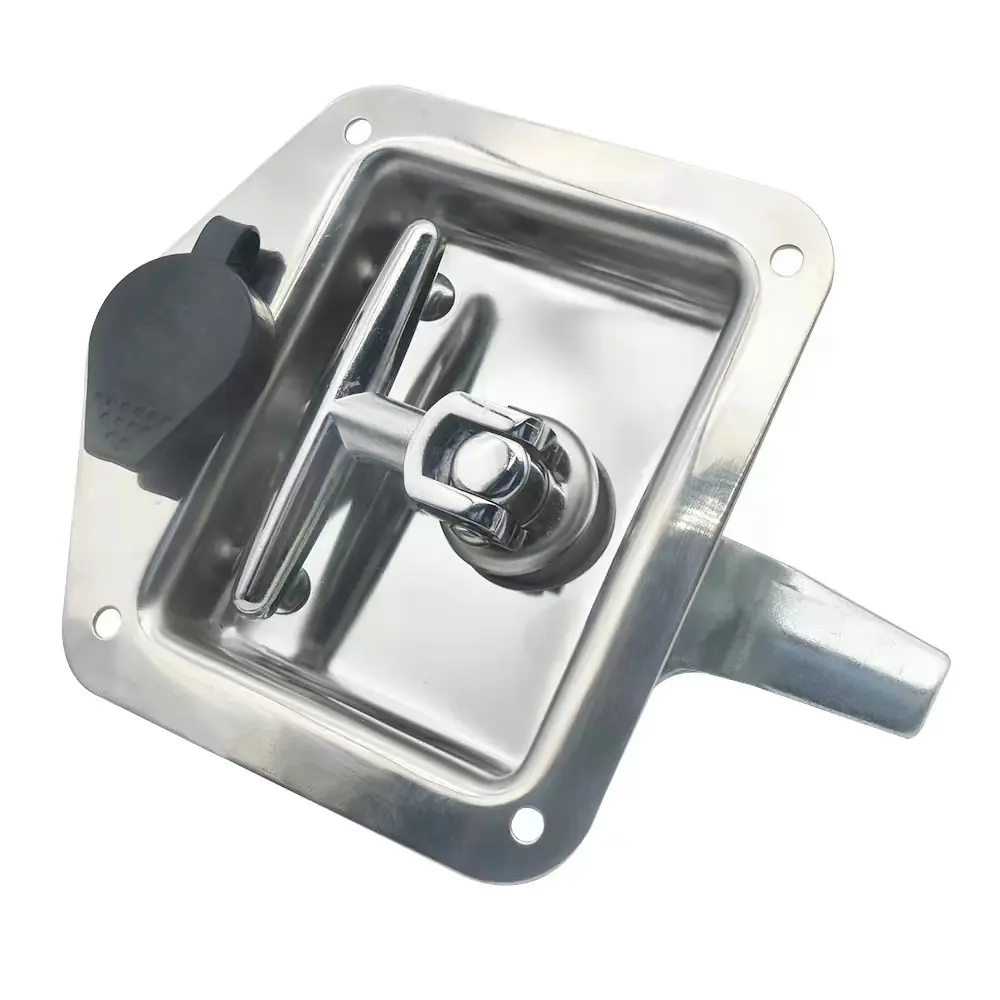
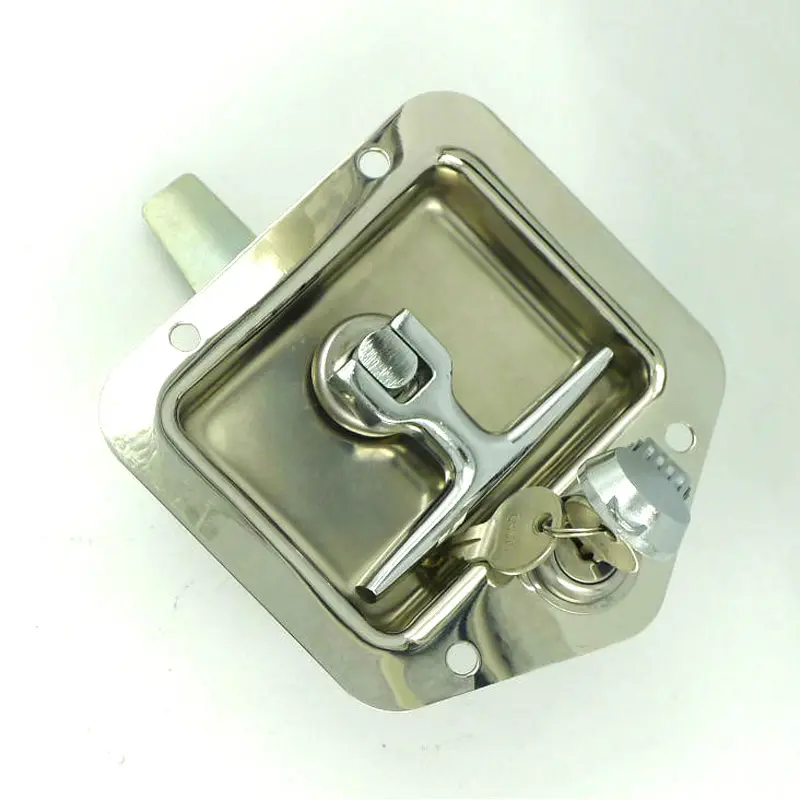
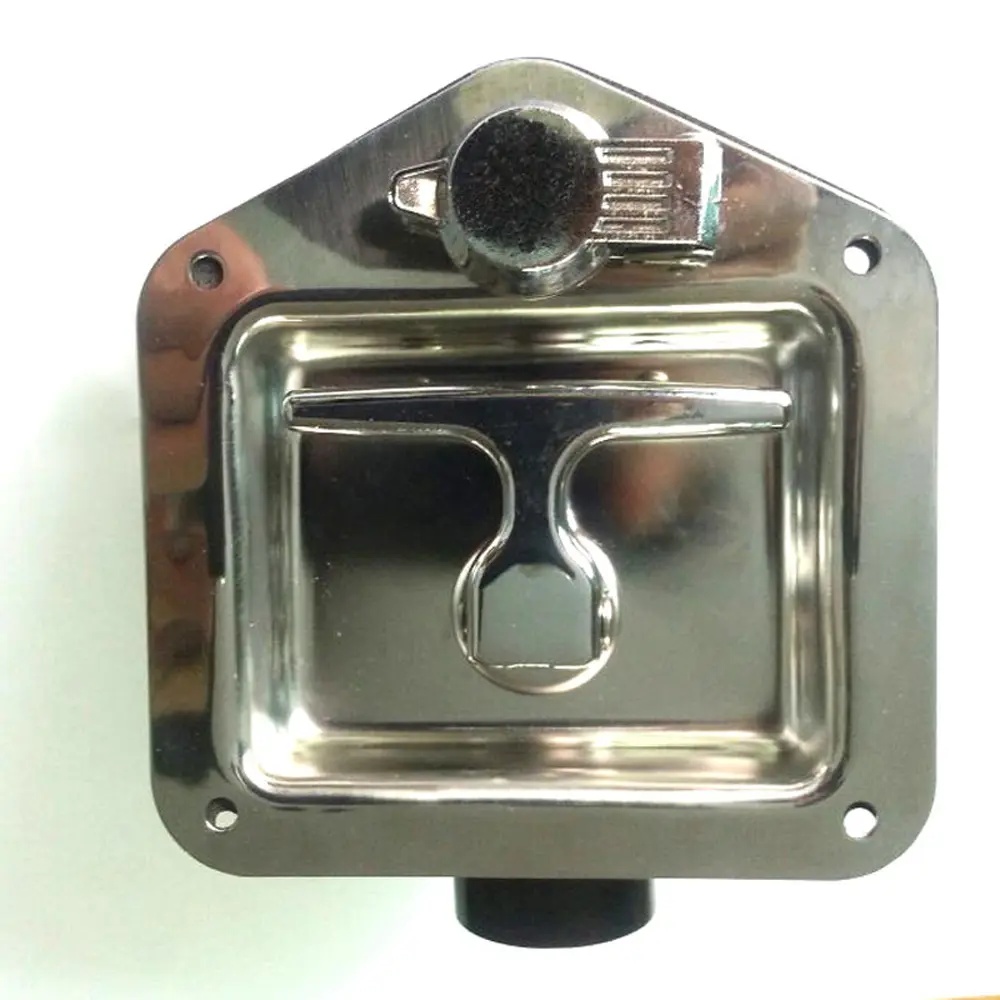
A T handle lock gets its name from its distinctive T-shaped grip, which resembles the letter “T”. This ergonomic design provides excellent leverage, making it easy to open and close even when your hands are gloved or greasy.
Key Design Features
The T handle typically integrates a built-in lock cylinder beneath the handle, offering a secure locking mechanism in a single, compact unit. Most T handle locks are made from stainless steel or zinc alloy, providing robust protection against tampering and corrosion.
T handle locks are available in both 1-point and 3-point locking configurations. The 3-point version secures the door at multiple points simultaneously, delivering significantly higher security—ideal for larger compartments or high-value cargo.
Common Applications
-
Heavy-duty toolboxes on construction trailers
-
Off-road equipment enclosures
-
High-security transport containers
-
Ute canopies and commercial vehicle storage
What Is a Paddle Lock?
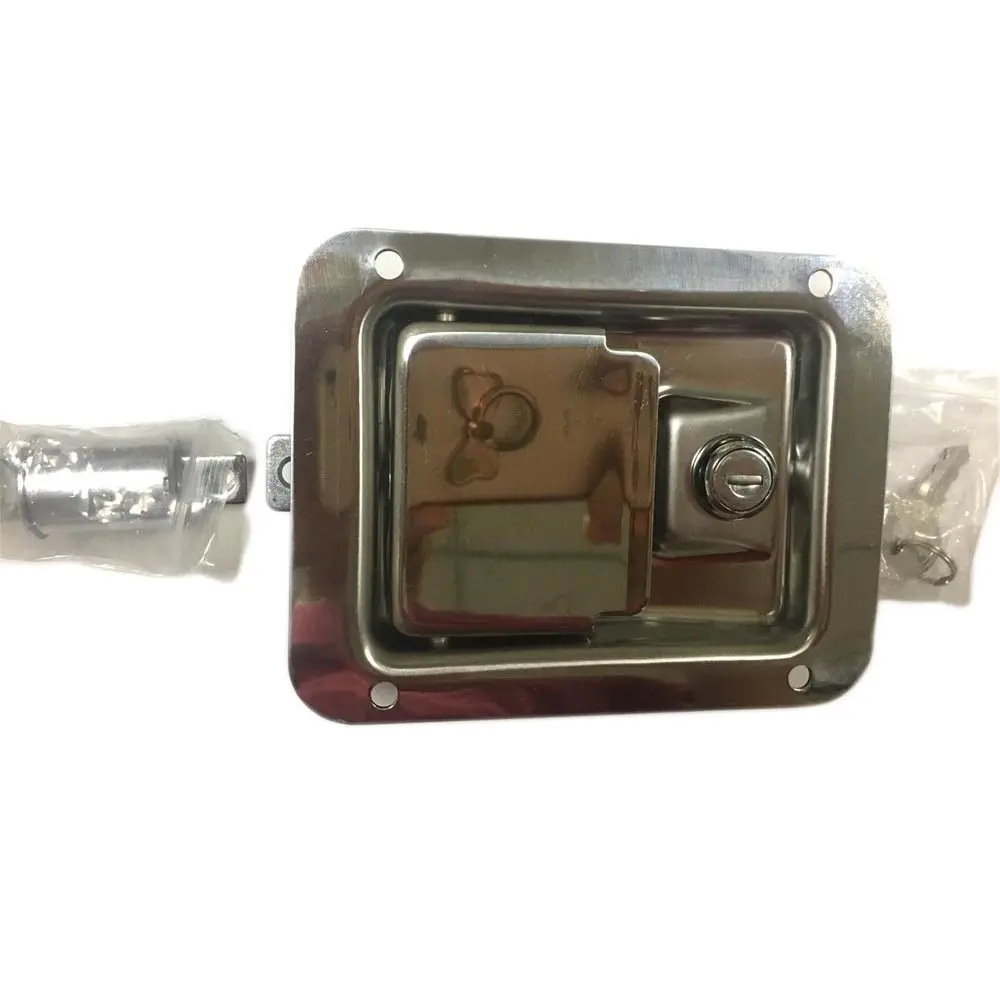
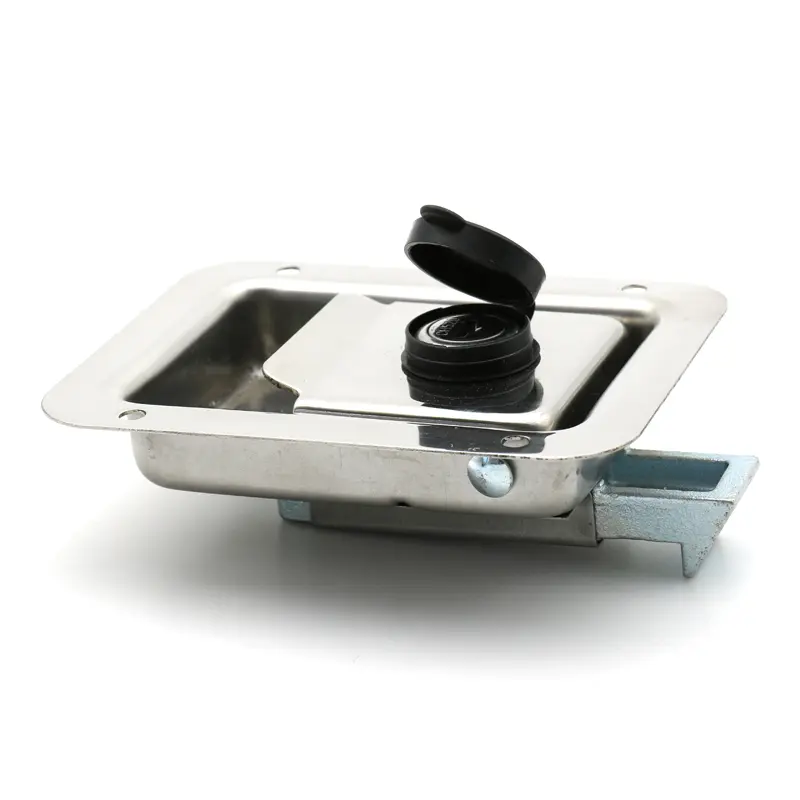
A paddle lock features a wide, flat actuator that sits flush with the surface of the toolbox. The name comes from the handle’s resemblance to a paddle—the user presses or pulls the paddle to open the door.
Key Design Features
The paddle lock’s flush-mounted design is one of its defining characteristics. The handle sits level with the toolbox surface, leaving no protruding parts that could snag on clothing, equipment, or cargo.
Paddle locks often feature a slam-shut mechanism—you don’t have to turn a handle to lock the door; simply pushing it closed engages the latch. This makes them exceptionally convenient for frequent access.
Common Applications
-
Utility trailers and RV compartments
-
Industrial machinery access panels
-
Truck toolboxes and service body doors
-
Environments requiring quick, one-handed access
Head-to-Head Comparison: 5 Critical Factors
① Security & Locking Mechanisms
T Handle Lock: The integrated lock cylinder is recessed within the handle design, making it difficult for thieves to access or manipulate. The 3-point locking option provides multi-point secure closure, significantly increasing resistance to forced entry. High-end models feature anti-drill and anti-pick cylinders, with locking bolts that engage deeply into the door frame for robust tamper protection. T handle locks are the preferred choice for securing high-value cargo in theft-prone areas.
Paddle Lock: While paddle locks offer reliable security for general-purpose storage, their mechanism is more exposed. However, the flush-mounted design leaves no leverage points for crowbars or pry tools—a significant advantage against certain types of attacks. The locking latch is typically spring-loaded and may be susceptible to bypass with specialized tools, making them better suited for low-to-moderate risk environments.
Verdict: T handle locks provide superior security, especially in 3-point configurations, with advanced anti-tamper features. Paddle locks offer good security with a pry-resistant flush design, but are best for lower-risk applications.
② Weather & Corrosion Resistance
T Handle Lock: High-quality T handle locks are available with IP65 to IP69K ratings, making them dustproof and waterproof even in extreme weather. Stainless steel construction resists rust in marine and coastal environments. Sealing systems often include dual-lip rubber gaskets and O-rings, ensuring reliable performance from -40°C to +80°C. Many models pass 240-hour salt spray tests per ASTM B117, making them ideal for road-salt and coastal operations.
Paddle Lock: Zinc alloy or aluminum paddle locks offer moderate protection. While gaskets prevent moisture ingress, they can degrade faster due to UV exposure and temperature cycling. Some paddle locks are available in stainless steel, but typical IP ratings range from IP54 to IP65, with lower salt spray resistance. In freezing conditions, trapped moisture can cause sticking or failure, requiring more frequent replacement in harsh climates.
Verdict: T handle locks excel in harsh environments—construction sites, coastal regions, and extreme temperatures. Paddle locks are suitable for sheltered or moderate climates.
③ Installation & Maintenance
T Handle Lock: Installation requires precise cutouts and careful alignment, typically needing basic hand tools and about 30 minutes by a skilled technician. Achieving a proper seal demands attention to detail, as misalignment can lead to premature wear. Lubrication of moving parts is recommended every 6 months using silicone or graphite lubricant to ensure smooth operation. Some models offer tool-free latch adjustment for easier retrofitting.
Paddle Lock: Installation is generally simpler—often a straightforward bolt-on process using blind rivets, completed in under 15 minutes. The flush-mount design requires minimal surface preparation. Maintenance is minimal, with some designs featuring self-cleaning wipers. However, exposed moving parts may need periodic cleaning to remove dirt and grime.
Verdict: Paddle locks win for ease of installation and low upkeep, while T handle locks demand more careful fitting but reward with longer-lasting performance when maintained.
④ Durability & Load Capacity
T Handle Lock: Engineered for high-force applications, T handle locks feature reinforced internals that withstand vibration and heavy use. The T-shaped grip provides excellent leverage without straining the mechanism. Locking bolts are typically hardened steel with robust engagement, and housings are constructed from thick die-cast zinc alloy or stainless steel. These locks are tested to exceed 20,000 opening cycles and resist shock loads from off-road transport and heavy slamming, making them ideal for demanding commercial use.
Paddle Lock: Suitable for light-to-medium duty applications, paddle locks may fail under excessive force or impact due to thinner materials and simpler latch designs. Some users report freezing issues in winter, and the single-point latch limits load distribution. While some are rated for up to 10,000 cycles, they are not designed for high-vibration environments and are best for occasional use on utility trailers or RV compartments.
Verdict: T handle locks endure heavy use and vibration better, making them the choice for demanding applications. Paddle locks are suitable for light-duty and infrequent use.
⑤ Cost & Long-Term Value
T Handle Lock: Average cost ranges from $15 to $50, with a typical lifespan of 8 to 12 years. The higher upfront cost is offset by lower replacement frequency and reduced maintenance. Over a decade, a $40 T handle lock costs about $4 per year—comparable to a $15 paddle lock that lasts 5 years ($3/year) but with less downtime and inconvenience. Many T handle locks come with 3-5 year warranties, reflecting their durability and long-term value for commercial fleets.
Paddle Lock: Average cost ranges from $8 to $25, with a typical lifespan of 5 to 8 years. While initial investment is lower, replacement costs and potential key mismatches across a fleet can add up over time. Limited warranties of 1-2 years and lower-grade materials may lead to premature corrosion or failure, especially in demanding environments.
Verdict: T handle locks offer better long-term value despite higher upfront cost, especially for commercial fleets and harsh environments. Paddle locks are cost-effective for light-duty, low-use applications where initial budget is the primary concern.
Quick Comparison Table
| Feature | T Handle Lock | Paddle Lock |
|---|---|---|
| Lock Integration | Built-in cylinder (keyed/alike) | External padlock options |
| Tamper Resistance | High (recessed design) | Moderate (exposed mechanism) |
| Weather Rating | IP65 to IP69K | IP54 typical |
| Installation | Precise cutouts required | Simple bolt-on |
| Maintenance | Lubricate every 6 months | Minimal |
| Durability | High-force applications | Light-to-medium duty |
| Average Cost | $15–$50 | $8–$25 |
| Lifespan | 8–12 years | 5–8 years |
| Best For | High-value cargo, harsh environments | Frequent access, budget-conscious |
Source: Industry data compiled from multiple manufacturers
Which One Should You Choose?
Choose a T Handle Lock If:
-
Cargo Value: You’re storing tools or equipment worth more than $5,000
-
Environment: Your toolbox is exposed to coastal air, construction sites, or off-road conditions
-
Security Needs: Theft is a concern in your area, and you need maximum tamper resistance
-
Heavy Use: Your toolbox is opened and closed frequently with heavy loads
-
Long-Term Value: You’re willing to invest more upfront for lower lifetime costs
Choose a Paddle Lock If:
-
Budget Constraints: Initial cost is your primary consideration
-
Access Frequency: You need daily, quick access to your toolbox
-
Low-Risk Storage: You’re storing general supplies or low-value items
-
Aesthetics: You prefer a sleek, flush-mounted design with no protruding parts
-
Simple Installation: You want a lock you can install yourself in minutes
Final Thoughts
The choice between a T handle lock and a paddle lock isn’t about which is “better” in absolute terms—it’s about which is better for your specific application.
T handle locks are the heavy-duty champions. They deliver superior security, weather resistance, and durability—making them the right choice for high-value cargo, harsh environments, and demanding applications.
Paddle locks offer convenience and aesthetics. Their flush-mounted design, slam-shut operation, and easy installation make them ideal for frequent access and budget-conscious applications.
Whichever you choose, prioritize quality. A cheap lock that fails can cost you far more in stolen tools, damaged equipment, and lost productivity than the price difference between entry-level and premium options.
The HangCheng Advantage
At HangCheng, we understand that choosing the right lock isn’t just about keeping things shut—it’s about keeping them secure, compliant, and ready for work in any condition.
Our full-cycle design-to-manufacturing capability means we don’t just stock standard locks—we engineer solutions. Need a specific panel size? We offer multiple dimensions including 121x124mm. Require a particular material? Choose from zinc-plated steel or polished stainless steel 304 with mirror finishing. Want a specific keying system? We provide keyed alike, keyed different, and master key options.
Contact us for more information; bulk orders enjoy discounts.
Related Products