Introduction
You’ve got the truck, you’ve got the trailer, and you’re ready to hit the road. But there’s one small, critical component standing between you and a safe towing experience: the hitch ball. Choosing the wrong size isn’t just an inconvenience—it’s a safety hazard that can lead to trailer sway, coupler damage, or even a detached trailer on the highway.
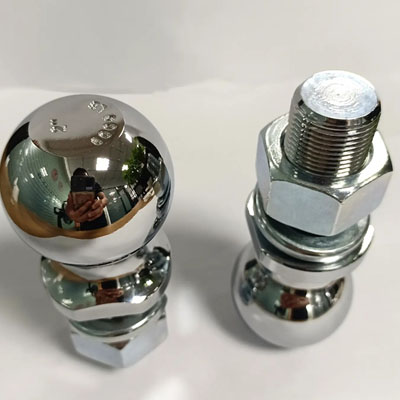
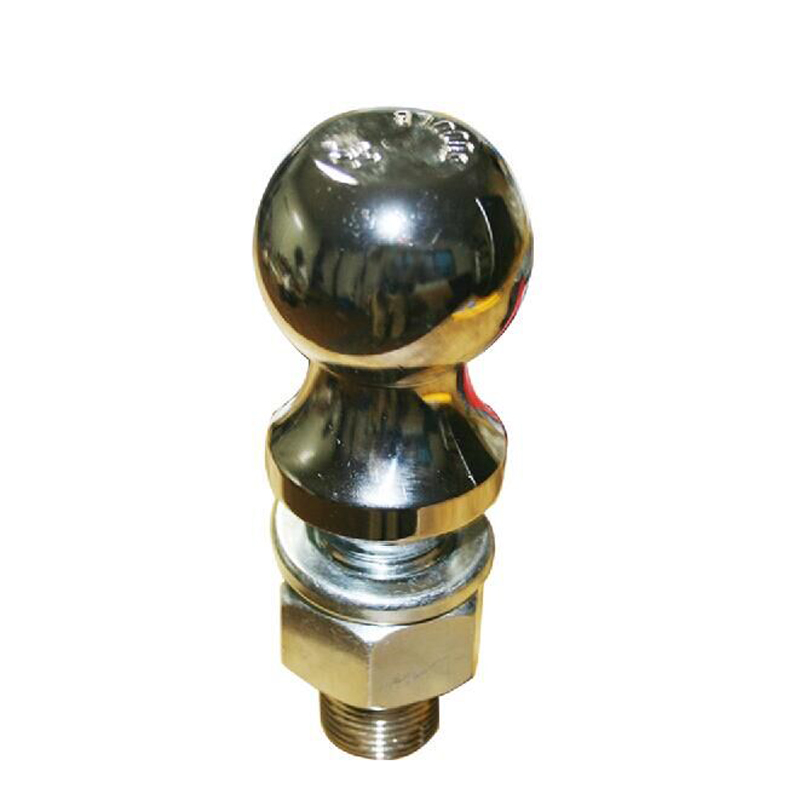
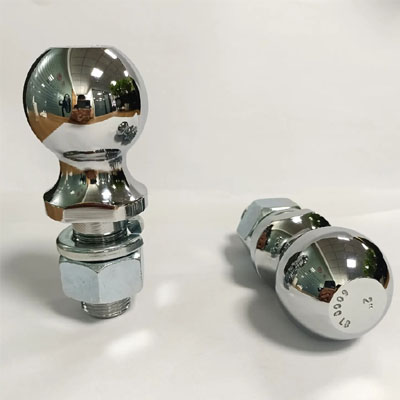
The four most common hitch ball sizes are 1-7/8 inch, 2 inch, 2-5/16 inch, and 3 inch. Each size is designed for specific towing applications, with different weight capacities and compatible trailer types. The size you need is determined by three things: your trailer coupler size, your vehicle’s hitch class, and the total weight of your loaded trailer.
This guide will walk you through each hitch ball size, explain their applications and weight limits, and help you make the right choice for your towing needs.
Part 1: 1-7/8 Inch Hitch Ball – Light-Duty Towing
The 1-7/8 inch hitch ball is the smallest of the standard sizes and is designed exclusively for light-duty towing applications.
Typical Applications
This size is commonly found on small, lightweight trailers, including:
-
Small utility trailers
-
Jet skis and personal watercraft
-
Motorcycle trailers
-
Small fishing boats
Weight Capacity
The 1-7/8 inch ball has a maximum weight capacity ranging from 2,000 to 3,500 pounds gross trailer weight (GTW). Some sources rate it as low as 2,000 lbs, while others go up to 3,500 lbs. Always check the specific rating stamped on the ball you purchase.
Compatible Hitch Classes
This ball size is typically used with Class I and Class II hitches, which are commonly found on cars, minivans, and small SUVs. The shank diameter is usually 3/4 inch or 1 inch.
Who Should Use It?
If you only need to tow a small utility trailer for weekend yard work or a jet ski for summer fun, the 1-7/8 inch ball is your go-to choice. It’s perfect for occasional, light-duty towing where the total load is under 3,500 pounds.
Part 2: 2 Inch Hitch Ball – The Versatile Middleweight
The 2 inch hitch ball is the most common and versatile size used in towing today. It strikes a balance between capacity and compatibility, making it the standard for a wide range of towing applications.
Typical Applications
The 2-inch ball is used for medium-duty towing and is compatible with a broad range of trailers, including:
-
Boat trailers
-
Enclosed cargo trailers
-
Horse trailers
-
Small campers and travel trailers
-
Single-vehicle car trailers
Weight Capacity
The weight capacity of a 2-inch ball varies significantly depending on the specific ball and shank size. Generally, it ranges from 3,500 to 12,000 pounds GTW. Some sources rate it up to 8,000 pounds, while others specify capacities as high as 10,000 to 14,000 pounds for heavy-duty versions.
Compatible Hitch Classes
This ball size works with Class III and Class IV hitches, commonly found on trucks, SUVs, and vans. Shank diameters typically range from 3/4 inch to 1-1/4 inch.
Who Should Use It?
If you tow a boat, a small camper, or an enclosed cargo trailer, the 2-inch ball is likely the right choice. Its versatility makes it the most popular size for recreational towing and light commercial use.
Part 3: 2-5/16 Inch Hitch Ball – Heavy-Duty Hauling
The 2-5/16 inch hitch ball is the standard for heavy-duty towing applications. If you’re hauling large loads, this is the size you need.
Typical Applications
This size is designed for large, heavy trailers, including:
-
Large RVs and fifth-wheel trailers
-
Gooseneck trailers
-
Multi-car trailers
-
Horse and livestock trailers
-
Construction and heavy commercial equipment
Weight Capacity
The 2-5/16 inch ball offers substantial weight capacity, typically ranging from 6,000 to 30,000 pounds GTW. Some heavy-duty versions are rated for 15,000, 20,000, or even 30,000 pounds. Specific ratings vary: some are rated at 10,000 lbs, while others reach 20,000 lbs or more.
Compatible Hitch Classes
This ball size requires Class IV or Class V hitches, which are found on heavy-duty trucks. Shank diameters are typically 1-1/4 inch or larger.
Who Should Use It?
If you’re towing a large RV, a gooseneck trailer, or heavy construction equipment, the 2-5/16 inch ball is essential. It provides the strength and stability needed for loads exceeding 10,000 pounds.
Part 4: 3 Inch Hitch Ball – Heavy-Duty and Gooseneck Applications
The 3 inch hitch ball is the largest of the standard sizes and is used for the heaviest towing applications.
Typical Applications
-
Gooseneck trailers
-
Heavy equipment haulers
-
Large commercial trailers
Weight Capacity
The 3-inch ball shares a similar weight capacity to the 2-5/16 inch ball, with a maximum capacity of up to 30,000 pounds.
Compatible Hitch Classes
This size is used with Class V hitches and heavy-duty gooseneck setups.
Who Should Use It?
If you’re towing extremely heavy loads that require a gooseneck hitch, the 3-inch ball is the appropriate choice. It’s less common than the 2-5/16 inch but necessary for the heaviest applications.
Part 5: Hitch Ball Size Comparison Chart
| Ball Diameter | Typical Applications | Weight Capacity (GTW) | Hitch Class | Shank Diameter |
|---|---|---|---|---|
| 1-7/8″ | Jet skis, small utility trailers, motorcycle trailers | 2,000 – 3,500 lbs | Class I / II | 3/4″ – 1″ |
| 2″ | Boat trailers, enclosed cargo, horse trailers, campers | 3,500 – 12,000 lbs | Class III / IV | 3/4″ – 1-1/4″ |
| 2-5/16″ | Large RVs, gooseneck, construction equipment, livestock | 6,000 – 30,000 lbs | Class IV / V | 1-1/4″ or larger |
| 3″ | Gooseneck, heavy equipment, commercial trailers | Up to 30,000 lbs | Class V | 2″ or larger |
Part 6: How to Choose the Right Hitch Ball Size
Choosing the right hitch ball isn’t complicated if you follow these three steps.
Step 1: Match the Ball Diameter to Your Trailer Coupler
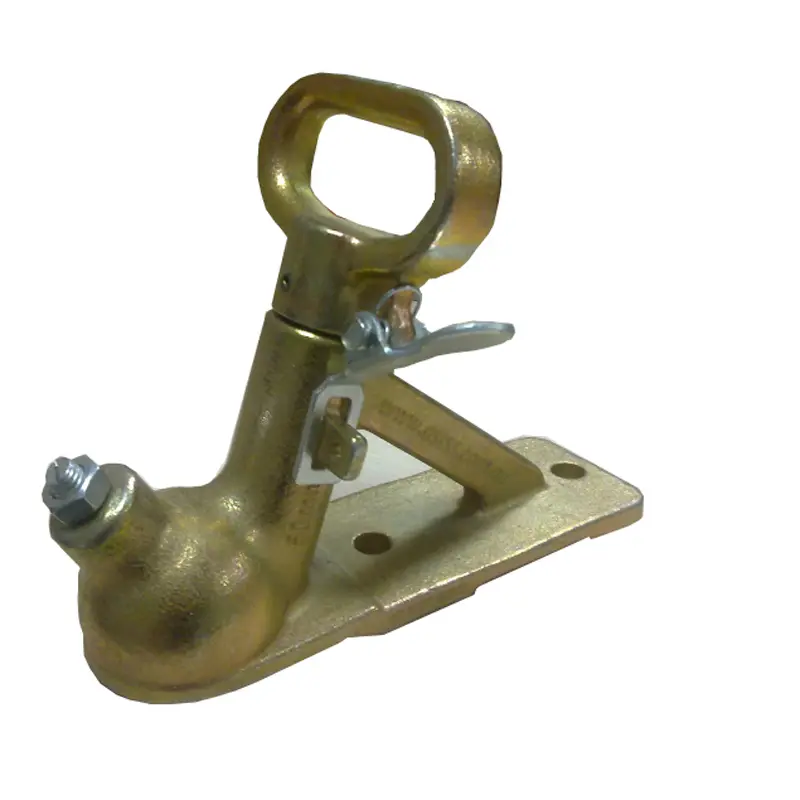
The ball diameter must match the coupler size on your trailer. Most manufacturers stamp or label the correct trailer ball size on the coupler. Look for a number like “2” or “2-5/16” stamped on the coupler.
Never guess or assume. Using a 2-inch ball in a 2-5/16 inch coupler creates excessive play and can cause dangerous trailer sway or detachment. Even a 1/16-inch mismatch can compromise stability.
Step 2: Match the Shank to the Trailer Ball Hole
The shank is the threaded stem that goes through the ball mount. The shank diameter must fit the hole in your ball mount or bumper hitch. If the shank is too small, it will shift while towing and likely come loose.
Common shank diameters include 3/4 inch, 1 inch, 1-1/4 inch, and 2 inches. The mount thickness determines how long the shank needs to be. If your shank is too small for the hole, you may be able to use a reducer bushing.
Step 3: Match the Weight Capacity to Your Towing System
The weight rating of the hitch ball must exceed the gross weight of your fully loaded trailer. This includes the trailer itself plus all cargo, fluids, and equipment.
Never exceed the ball’s rated capacity. A ball rated for 3,500 lbs cannot safely tow a 5,000 lb trailer. Always check the rating stamped on the ball
Part 7: 5 Common Hitch Ball Mistakes to Avoid
Mistake 1: Using the Wrong Ball Size. This is the most common and dangerous mistake. Always match the ball diameter to your trailer coupler.
Mistake 2: Ignoring the Shank Diameter. A mismatched shank can cause the ball to shift or come loose. Always verify the shank fits your ball mount.
Mistake 3: Overloading the Ball. Never exceed the ball’s weight rating. If your trailer weighs 8,000 lbs, use a ball rated for at least 8,000 lbs.
Mistake 4: Using the Wrong Hitch Class. Your vehicle’s hitch class determines what size ball and shank you can use. A Class I hitch cannot safely support a 2-5/16 inch ball for heavy loads.
Mistake 5: Forgetting to Grease the Ball. A dry hitch ball causes friction, wear, and noise. Regular greasing extends the life of both the ball and the coupler.
Part 8: Material Matters – Hitch Ball Construction
The material of your hitch ball affects its strength, durability, and corrosion resistance.
Forged Steel offers the highest load capacity, with ratings up to 30,000 lbs. It resists deformation under stress but is prone to rust without proper coatings. Regular greasing is essential.
Chrome-Plated Steel provides a shiny finish and good corrosion resistance. It’s common for mid-range hitch balls.
Zinc-Plated Steel offers basic corrosion protection at a lower cost.
Stainless Steel provides maximum corrosion resistance, making it ideal for marine environments and year-round use. However, it typically has lower load capacity than forged steel.
For heavy-duty towing, forged steel is the recommended choice due to its superior strength
Part 9: Why Hangcheng Parts Should Be Your Hitch Ball Supplier
At Hangcheng Parts, we manufacture high-quality trailer hitch balls designed for safety, durability, and performance. Our hitch balls are available in all standard sizes: 1-7/8 inch, 2 inch, 2-5/16 inch, and 3 inch. We offer multiple material options including forged steel, chrome-plated, zinc-plated, and stainless steel.
Why source from Hangcheng Parts:
-
Quality – ISO 9001 certified. Each ball undergoes dimensional inspection, hardness testing, and finish verification.
-
Cost – Direct factory pricing with no middleman markup.
-
Delivery – 20+ years of export experience to Europe, North America, and Australia.
-
Customization – OEM and custom specifications available.
Part 10: Frequently Asked Questions
Q: What is the most common hitch ball size?
A: The 2-inch hitch ball is the most common and versatile size. It covers the majority of recreational and light commercial towing needs.
Q: How do I know what size hitch ball I need?
A: Check the stamp on your trailer coupler——it will tell you the required ball diameter. Then verify your vehicle’s hitch class and the trailer’s gross weight.
Q: Can I use a 2-inch ball on a 2-5/16 inch coupler?
A: No. This creates excessive play and can cause dangerous trailer sway or detachment. Always match the ball diameter to the coupler size.
Q: What is the difference between GTW and tongue weight?
A: GTW (Gross Trailer Weight) is the total weight of the trailer and its cargo. Tongue weight is the downward force the trailer exerts on the hitch, typically 10-15% of GTW. Both must be within the ball’s rated capacity.
Q: How often should I replace my hitch ball?
A: Inspect your hitch ball regularly for wear, rust, or damage. Replace it if you notice flat spots, excessive rust, or if the ball no longer fits snugly in the coupler.
Final Summary
| If your trailer is… | Choose this ball size |
|---|---|
| A small utility trailer, jet ski, or motorcycle trailer (under 3,500 lbs) | 1-7/8 inch |
| A boat, cargo, horse, or small camper trailer (3,500 – 12,000 lbs) | 2 inch |
| A large RV, gooseneck, or heavy equipment (6,000 – 30,000 lbs) | 2-5/16 inch |
| An extra-heavy gooseneck or commercial trailer (up to 30,000 lbs) | 3 inch |
Choosing the right hitch ball size isn’t complicated—but it is critical. Match the ball to your coupler, match the shank to your ball mount, and never exceed the weight rating. When in doubt, check the stamp on your coupler and consult your vehicle’s owner’s manual.
Contact us for more information; bulk orders enjoy discounts.
Related Products