Introduction: The Lock That Stands Between You and Cargo Loss
Every time a truck or container rolls down the highway, its door lock system is the only thing standing between valuable cargo and the outside world. Yet many fleet operators never give it a second thought—until a shipment is stolen, a door fails to seal, or a lock jams at the worst possible moment.
The choice between a cam action lock and a rod lock isn’t just a technical detail. It’s a decision that affects cargo security, operational efficiency, maintenance costs, and even liability. Both systems have been securing trucks, trailers, and shipping containers for decades. But they work in fundamentally different ways, and each has distinct strengths and weaknesses.
In this comprehensive guide, we’ll break down exactly how cam action locks and rod locks work, compare them across the metrics that matter most to fleet operators, and help you determine which one offers the better security for your specific application.
Part 1: Understanding Cam Action Locks
How Cam Action Lock Work
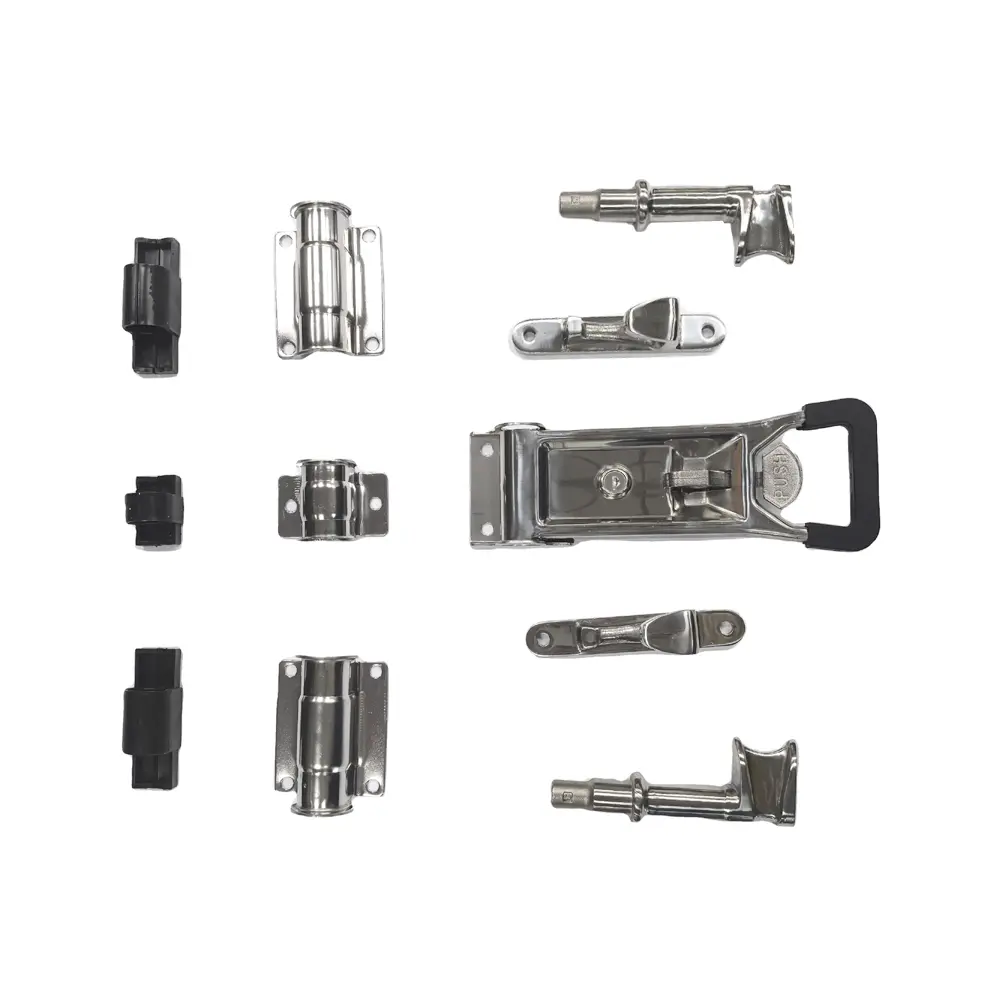
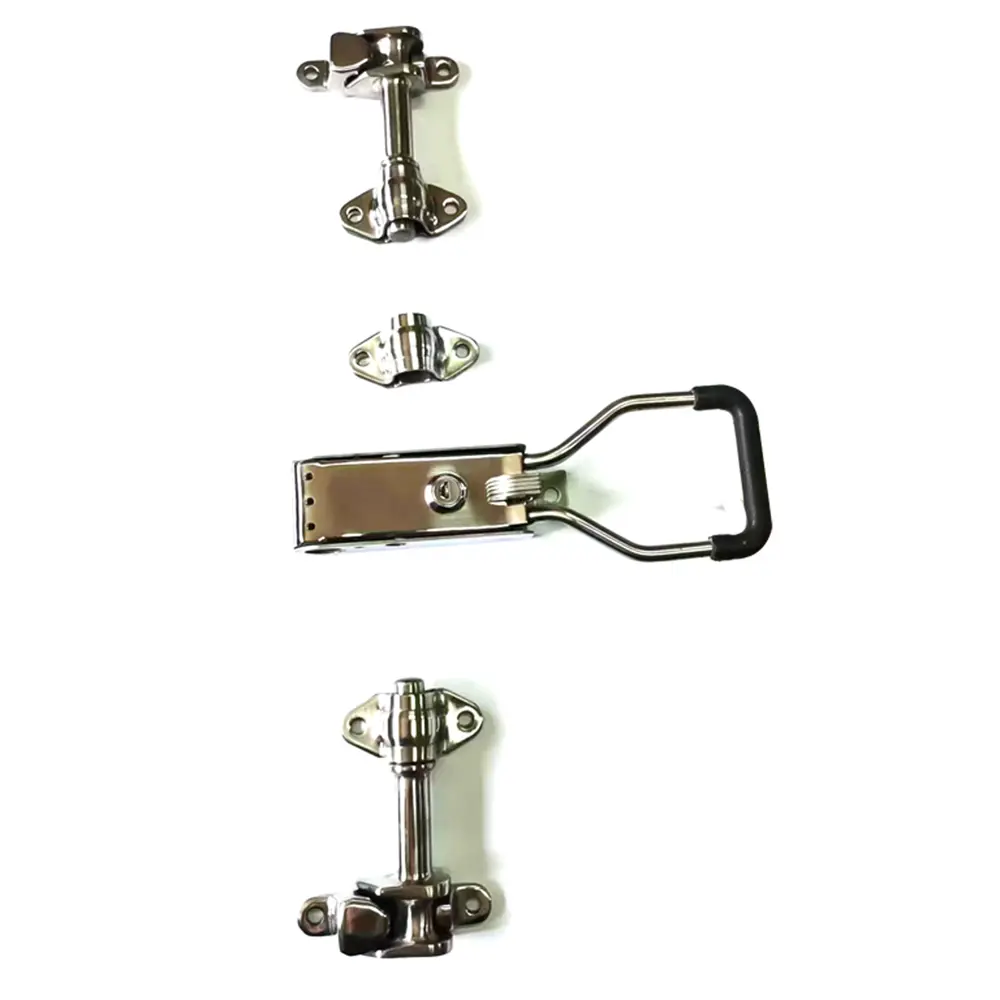
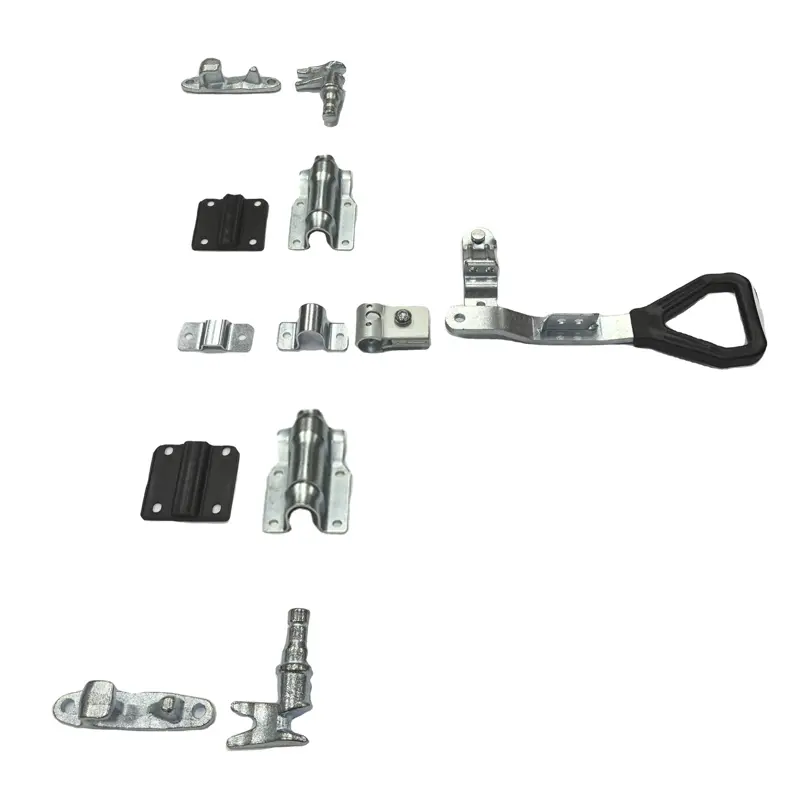
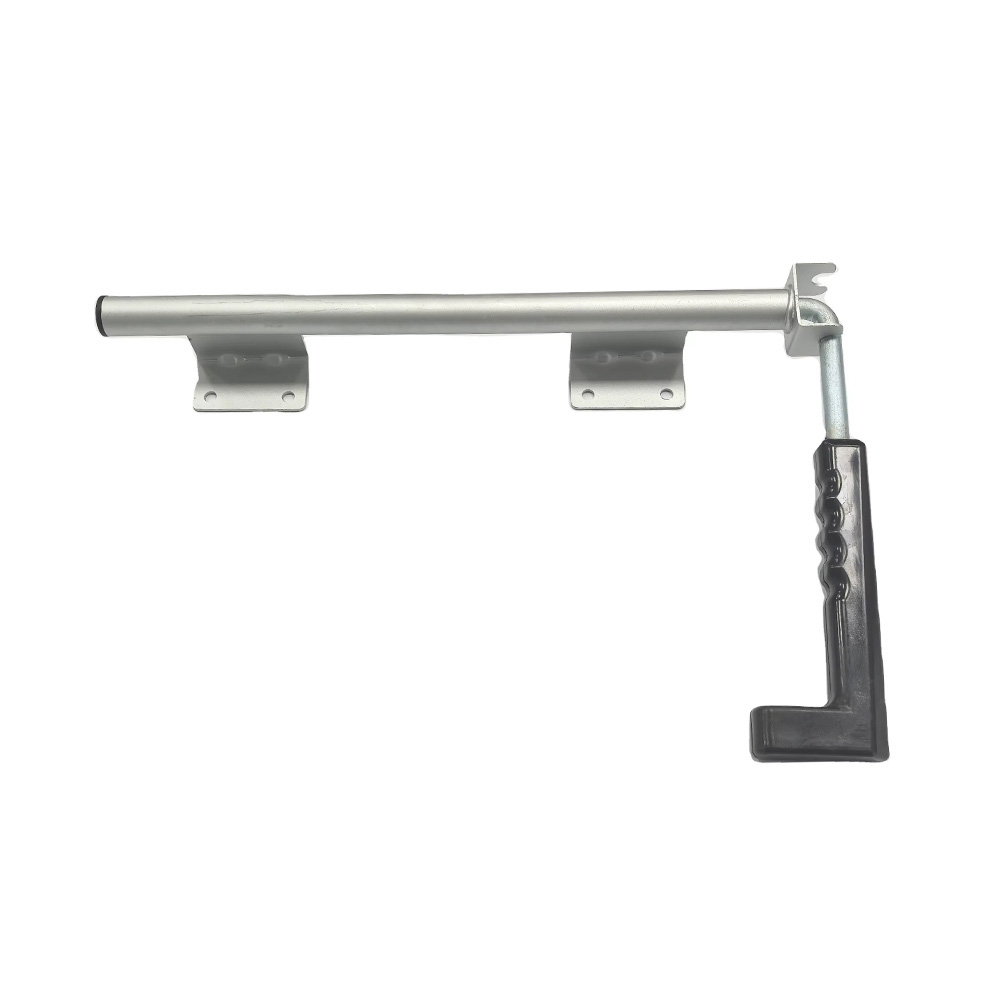
A cam action lock operates on a simple but highly effective mechanical principle. The system consists of a handle mounted on the door surface, connected to one or more cam bars—vertical steel rods that run the height of the door. At the top and bottom of each cam bar are cams: rotating levers or discs that engage with keepers (also called cam keepers) mounted on the door frame.
When the operator rotates the handle, it turns the cam bar, which in turn rotates the cams. As the cams rotate, they slide behind the door frame and engage with the keepers. The cam’s shape is designed so that as it rotates, it pulls the door inward, compressing the door gasket against the frame.
This inward-pulling action is what makes cam locks so effective at creating a tight seal—critical for refrigerated trailers and containers where temperature control depends on a proper gasket seal.
Key Components of a Cam Action Lock System
-
Operating Handle: The lever used to open and close the door. It drives the entire mechanism.
-
Cam Bar: A long steel bar with multiple cams attached.
-
Cams: Rotating components that physically lock behind the door frame. A typical door has 4-6 cams per door.
-
Keepers: Fixed brackets on the door frame that receive the cams.
-
Lock Box: Encloses the handle when locked, providing tamper resistance.
Where Cam Action Lock Excel
Cam action locks are the industry standard for shipping containers, refrigerated trailers, and dry vans. They are particularly well-suited for:
-
Refrigerated transport: The inward-pulling action compresses door gaskets, maintaining temperature integrity.
-
Shipping containers: Most containers ship from the factory with cam-lock rod systems.
-
Applications requiring a tight seal: The cam mechanism creates a strong leverage effect that pulls doors toward the frame.
Part 2: Understanding Rod Locks
How Rod Lock Work
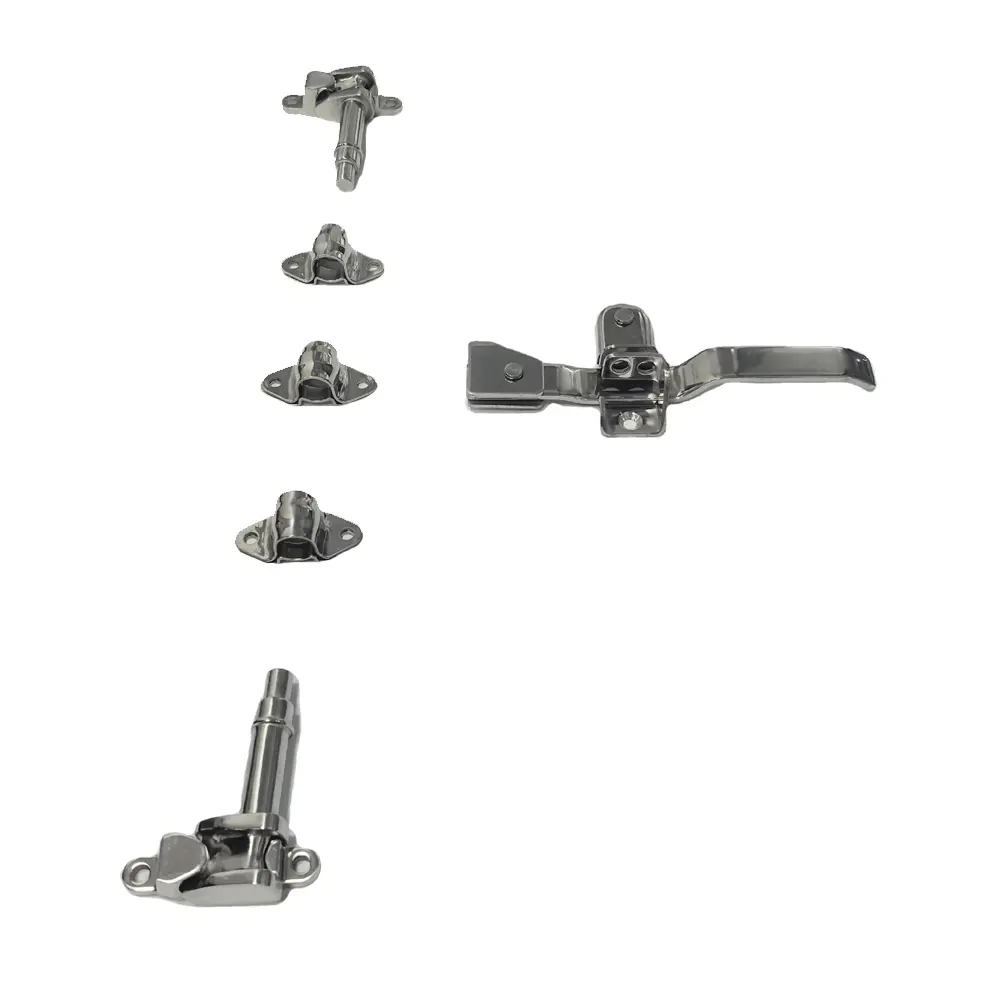
A rod lock system uses vertical locking rods—typically steel rods extending over the outer surfaces of the doors. These rods are pivoted to the door and feature locking keys or projections at each end that insert into stationary clasps on the door frame.
When the operator rotates the handle, the rods rotate along their axis. This rotation moves the rod ends—with their locking projections—into or out of the keepers mounted on the door frame.
Unlike cam action locks, rod locks do not pull the door inward. Instead, they secure the door at multiple points along its height, preventing it from being forced open. The locking mechanism is typically engaged by rotating the rod, which moves the locking projections into position.
Key Components of a Rod Lock System
-
Locking Rods: Vertical steel rods that extend along the door surface.
-
Locking Keys/Projections: The parts that insert into stationary clasps.
-
Keepers/Clasps: Fixed brackets on the door frame.
-
Operating Handle: Rotates the rods to engage or disengage the lock.
-
Lock Cylinder: Secures the handle in the locked position.
Where Rod Lock Excel
Rod locks have been a staple in the transport industry for decades. They are commonly found on:
-
Dry van trailers
-
Utility trailers
-
Buses and horseboxes
-
Applications where multiple locking points are needed
Part 3: Head-to-Head Comparison – 6 Critical Factors
① Security & Tamper Resistance
Cam Action Lock: The lock cylinder and handle are typically recessed within a lock box, making them difficult for thieves to access or manipulate. The cam mechanism itself is hidden behind the door frame, and the cams engage deeply with keepers that are welded to the frame. However, the standard padlock staple on some designs is exposed and can be vulnerable to bolt cutters. High-security cam locks offer anti-drill and anti-pick cylinders with 3-point or multi-point locking configurations.
Rod Lock: Rod locks secure the door at multiple points—typically top and bottom (2-point) or top, middle, and bottom (3-point). This distributed locking provides excellent resistance to prying and impact. The locking keys insert directly into stationary clasps, creating a robust mechanical barrier. Rod locks are favored in the transport industry for their strength and durability. However, some rod lock designs have been criticized for being vulnerable to professional thieves with crowbars.
Verdict: Cam action locks offer superior tamper resistance when equipped with a robust lock box and high-security cylinder. Rod locks provide excellent multi-point security but may be more vulnerable to prying attacks on exposed components.
② Sealing & Weather Protection
Cam Action Lock: The cam mechanism’s inward-pulling action is a significant advantage for sealing. As the cam rotates, it pulls the door toward the frame, compressing the rubber gasket. This creates a watertight and airtight seal that is critical for refrigerated trailers and containers. The seal also prevents dust and moisture ingress, protecting cargo from environmental damage.
Rod Lock: Rod locks secure the door at multiple points but do not pull the door inward. The door relies on its own weight and the pressure of the locking mechanism to maintain the seal. In practice, this can lead to less consistent sealing, particularly as gaskets age or doors warp over time.
Verdict: Cam action locks are the clear winner for sealing performance. The inward-pulling action ensures consistent gasket compression—essential for refrigerated transport and weather-sensitive cargo.
③ Durability & Maintenance
Cam Action Lock: The system has more moving parts—cams, cam bars, keepers, and linkages. Over time, cams and keepers can wear, leading to loose locking or inconsistent sealing. Regular lubrication of moving parts is recommended. However, high-quality cam locks with split bushings and stainless steel construction can last for years with proper maintenance.
Rod Lock: Rod locks have a simpler mechanical design with fewer moving parts. The locking keys insert directly into keepers with minimal friction. This simplicity translates to fewer failure points and lower maintenance requirements. Rod locks are built to withstand intensive use and heavy loads without warping or accidental opening.
Verdict: Rod locks offer superior durability with fewer moving parts and lower maintenance requirements. Cam locks require more regular inspection and lubrication but can deliver long service life with proper care.
④ Ease of Operation
Cam Action Lock: The operating handle is typically mounted on the door surface with a straightforward rotational action. The handle drives the cam bar directly, making operation intuitive. However, if cams or keepers are misaligned, the handle can become difficult to turn.
Rod Lock: Rod locks operate with a similar rotational handle motion. The simplicity of the rod-and-keeper engagement means less friction and smoother operation, even as the system ages. Rod locks are often preferred in applications where doors are opened and closed frequently.
Verdict: Rod locks offer smoother, more consistent operation with less risk of binding or jamming.
⑤ Cost & Value
Cam Action Lock: Cam locks are the industry standard for shipping containers and refrigerated trailers, making them widely available and competitively priced. The lock box adds an extra layer of security but also adds cost. Replacement parts—cams, keepers, handles—are readily available.
Rod Lock: Rod locks are typically less expensive due to their simpler design. The reduced number of components means lower manufacturing costs and, consequently, lower purchase prices. However, the lack of a lock box means additional security measures (like padlocks) may be needed.
Verdict: Rod locks offer a lower upfront cost. Cam locks provide better built-in security and sealing, which can reduce long-term costs from cargo damage or theft.
⑥ Application Suitability
Cam Action Lock: Ideal for refrigerated trailers, shipping containers, and any application where a tight seal is critical. The inward-pulling action ensures gasket compression, making cam locks the default choice for temperature-controlled logistics. Also suitable for dry vans and general freight.
Rod Lock: Best for dry van trailers, utility trailers, and applications where sealing is less critical but multi-point security is valued. Rod locks are also preferred in applications where doors are opened frequently and smooth operation is a priority.
Verdict: Cam action locks are the better choice for refrigerated and sealed environments. Rod locks are a solid, cost-effective option for dry van and general cargo applications.
Quick Comparison Table
| Feature | Cam Action Lock | Rod Lock |
|---|---|---|
| Locking Mechanism | Cam rotates behind door frame | Rod end inserts into keeper |
| Sealing Action | Pulls door inward, compresses gasket | No inward pull |
| Security Level | High (recessed lock box) | Good (multi-point) |
| Durability | Good (more moving parts) | Excellent (fewer moving parts) |
| Maintenance | Moderate (lubrication required) | Low |
| Ease of Operation | Good | Excellent |
| Cost | Moderate-High | Low-Moderate |
| Best For | Refrigerated trailers, containers | Dry vans, utility trailers |
Which One Should You Choose?
Choose a Cam Action Lock If:
-
You operate refrigerated trailers or reefer containers where maintaining a tight door seal is critical
-
You need superior weather protection against dust, moisture, and temperature loss
-
Your cargo is high-value and requires maximum tamper resistance
-
You’re operating shipping containers that require ISO-compliant locking systems
-
You’re willing to perform regular maintenance (lubrication, inspection) to keep the system operating smoothly
Choose a Rod Lock If:
-
You operate dry van trailers where sealing is less critical
-
You need a cost-effective locking solution for a large fleet
-
You want minimal maintenance and fewer moving parts to worry about
-
Your doors are opened and closed frequently and smooth operation is a priority
-
You need multi-point locking for tall or flexible doors
Final Thoughts
The choice between a cam action lock and a rod lock isn’t about which is “better”—it’s about which is right for your application.
Cam action locks deliver superior sealing and tamper resistance, making them the standard for refrigerated trailers and shipping containers. Their inward-pulling action ensures gaskets compress properly, protecting temperature-sensitive cargo from environmental damage.
Rod locks offer simplicity, durability, and cost-effectiveness. With fewer moving parts and multi-point locking, they’re a reliable choice for dry van trailers and applications where sealing is less critical.
Whatever you choose, prioritize quality. A lock that fails can cost you far more in stolen cargo, damaged goods, and lost productivity than the price difference between entry-level and premium options.
Contact us for more information; bulk orders enjoy discounts.
Related Products