Introduction: The Hidden Cost of “One-Size-Fits-All” Thinking
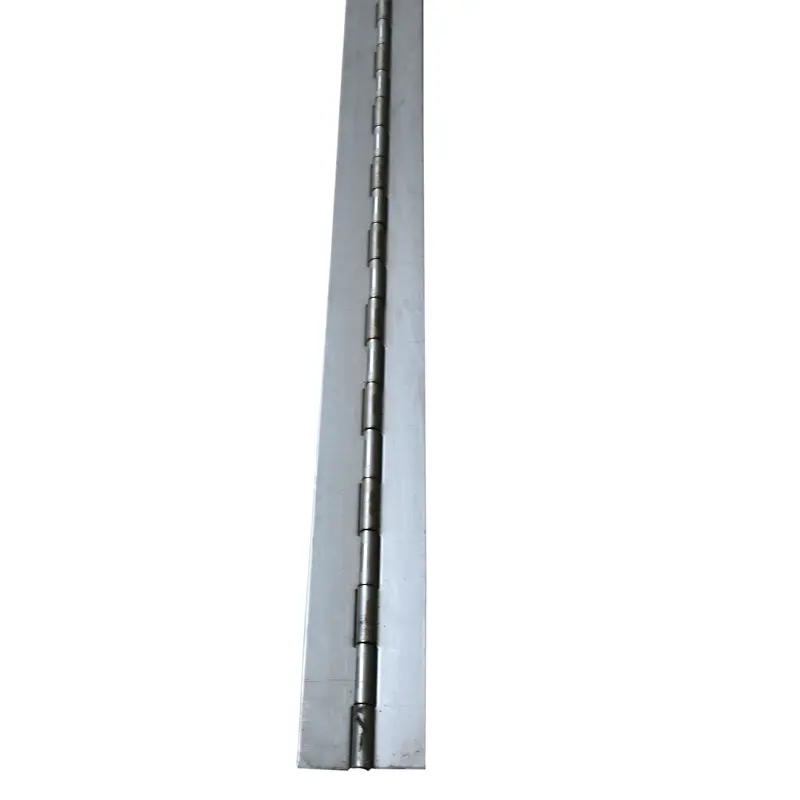
In trailer manufacturing and fleet maintenance, the humble piano hinge is often treated as an afterthought—a commodity item ordered by the foot from a catalog. But here’s the uncomfortable truth that experienced fleet managers have learned the hard way: a standard, off-the-shelf hinge is rarely the right solution for your specific application.
Consider this: 68% of trailer door malfunctions stem from improper hinge selection, material corrosion, or poor installation. A $20 hinge failure can easily cause a $15,000 door collapse, not to mention the cascading costs of cargo damage, operational downtime, and safety incidents.
When your trailer faces unique challenges—non-standard door dimensions, corrosive environments, extreme weight requirements, or specialized mounting constraints—custom piano hinge aren’t a luxury; they’re a necessity. This comprehensive guide reveals how custom-engineered hinges solve the design challenges that off-the-shelf products simply can’t address, and why partnering with the right manufacturer transforms this small component into a reliability asset.
Part 1: The Fundamental Problem – Why Standard Piano Hinge Fall Short
1. The Illusion of “Standard” Dimensions
Most suppliers offer piano hinges in fixed increments—6-inch, 12-inch, 24-inch lengths. But your trailer door doesn’t care about convenient catalog sizes. When you’re forced to:
-
Butt multiple standard hinges together, creating weak points at the seams
-
Cut a longer hinge down, compromising its structural integrity
-
Accept a hinge that’s slightly too short, leaving unsupported door sections
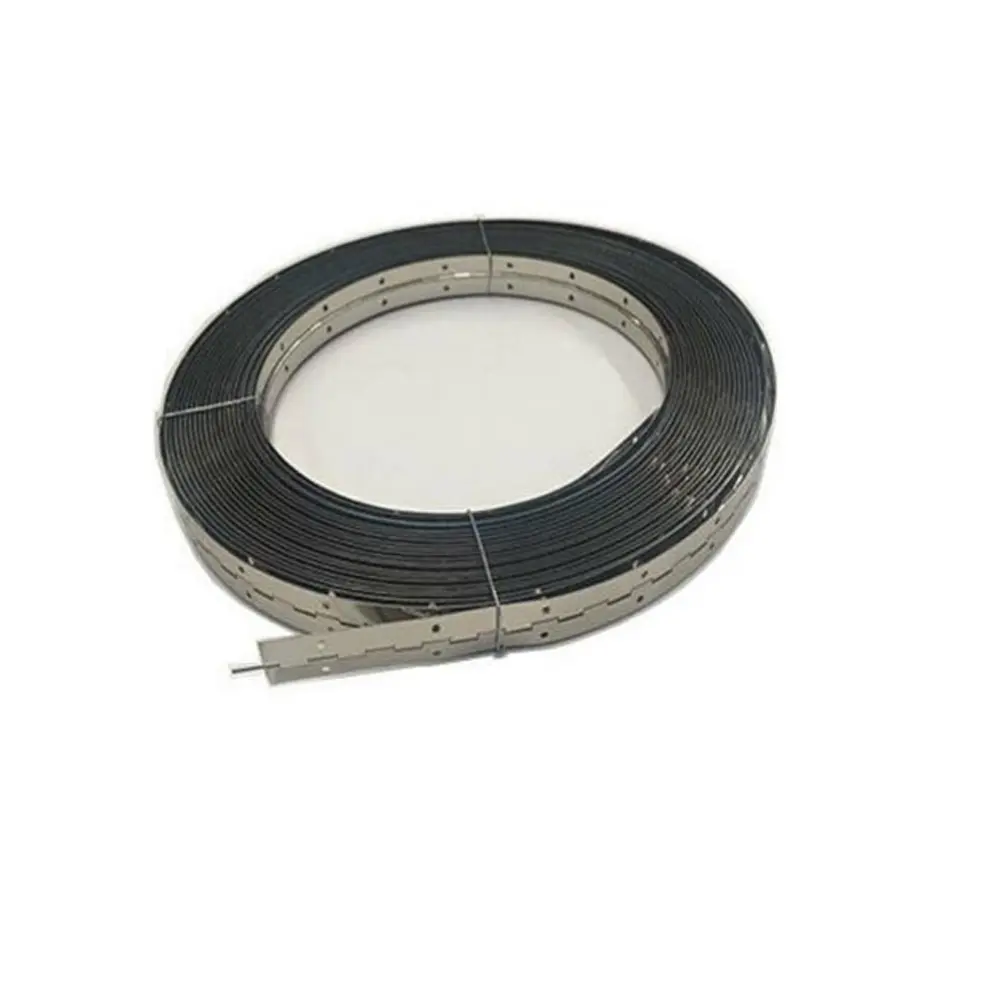
Each compromise introduces stress concentration points where failure becomes inevitable. A truly custom hinge eliminates these compromises entirely, providing continuous support across your exact door span with precision-cut lengths to ±0.5mm tolerance.
2. The Material Mismatch Trap
Standard hinges typically come in one material option—usually basic 304 stainless steel or plain carbon steel. But what if your trailer operates in a marine environment where 316 stainless steel with molybdenum is essential for saltwater resistance? What if you need the cost-effectiveness of carbon steel but with hot-dip galvanizing for corrosion protection?
Standard hinges force you to adapt your requirements to available inventory. Custom hinges adapt to your requirements.
3. The Load Rating Blind Spot
Many buyers select hinges based on width and length alone, without understanding dynamic load requirements. A trailer door doesn’t just support its own static weight—it must withstand:
-
Wind resistance at highway speeds
-
Vibration from road conditions
-
Operational stress from thousands of open/close cycles
-
Impact forces during loading/unloading
Standard piano hinge rarely come with certified load ratings. Custom hinges are engineered with your specific load profile in mind.
Part 2: Material Selection – Matching the Metal to the Mission
The foundation of any custom hinge solution is selecting the right material for your specific operating environment.
304 Stainless Steel: The Versatile Workhorse
For most trailer applications where exposure to moisture and chemicals is moderate, 304 stainless steel offers excellent corrosion resistance with good formability and weldability. It’s the ideal choice for dry vans, enclosed trailers, and general freight applications.
316 Stainless Steel: Marine-Grade Protection
If your trailers operate near ocean environments, in coastal regions, or areas where road salts are heavily used, 316 stainless steel is non-negotiable. The addition of molybdenum provides superior resistance to chloride corrosion—essential for:
-
Boat trailers
-
Reefers operating in winter conditions
-
Cross-border fleets exposed to road salt
-
Any application where saltwater exposure is possible
Carbon Steel with Protective Coating: Cost-Effective Durability
For budget-conscious applications in dry environments, carbon steel with hot-dip galvanizing (minimum 80μm zinc coating) provides adequate protection at a lower cost point. This option works well for:
-
Inland operations with minimal moisture exposure
-
Utility trailers and light-duty applications
-
Enclosed storage units
The Critical Question for Your Supplier: “Can you provide mill test reports certifying the specific material grade and composition?” If they can’t, you have no guarantee of what you’re actually receiving.
Part 3: Load Capacity Engineering – Custom Piano Hinge for Real-World Forces
Underestimating the forces your piano hinge must withstand is one of the most common—and costly—errors in hinge selection.
Static vs. Dynamic Loads
A hinge must support not just the door’s weight (static load) but also:
-
Wind resistance during transit
-
Vibration from road conditions
-
Cyclical stress from repeated opening and closing
-
Impact forces from loading dock operations
Material Thickness Guidelines
Based on extensive industry experience and testing, here are general guidelines for hinge thickness:
| Door Weight | Recommended Hinge Thickness | Application Examples |
|---|---|---|
| Under 400 lbs | 2.0-2.5 mm | Standard trailer doors, tool compartments |
| 400-800 lbs | 2.5-3.0 mm | Heavy equipment access doors |
| 800+ lbs | 3.0-5.0 mm | Ramps, lift gates, specialty applications |
Extra reinforcement is required near stress concentration points such as door edges and locking mechanisms. A custom hinge design identifies these high-stress areas and reinforces them accordingly—something a standard hinge cannot do.
Part 4: Corrosion Protection Systems – Beyond Basic Coatings
The coating system you select must match your operational environment. A hinge that performs perfectly in arid climates may fail catastrophically in coastal regions without appropriate protection.
Zinc Plating (8-12μm)
Provides moderate corrosion protection suitable for inland use where exposure to corrosive elements is limited. This economical option works well for dry van trailers and enclosed transportation units.
Hot-Dip Galvanizing (80-100μm)
Offers superior protection for severe environments where road salts, industrial pollutants, or marine conditions are present. The thick zinc layer sacrificially protects the underlying steel even if the surface becomes scratched or damaged.
Passivation Treatment (for Stainless Steel)
This chemical process removes surface iron particles from stainless steel, enhancing its natural corrosion resistance by allowing the formation of a more uniform protective oxide layer. It’s an essential step for maximizing the lifespan of stainless steel hinges in demanding environments.
The Bottom Line: Don’t accept vague promises of “corrosion resistance.” Demand specific coating specifications with measurable thickness requirements.
Part 5: Customization That Matters – Beyond Just Length
A truly custom piano hinge should accommodate your specific design requirements rather than forcing you to adapt to limited stock options.
1. Precision Length Specifications
Your hinge should be cut to your exact length, not a standard increment. Precision cutting to ±0.5mm tolerance ensures perfect alignment along the entire door span. Even minor deviations can cause binding, uneven wear, or premature failure.
2. Engineered Hole Patterns
CNC-punched slots or round holes positioned according to your structural requirements eliminate the need for field drilling and ensure perfect alignment during installation. Consider staggered patterns for improved load distribution. This single customization can reduce installation time by up to 40% compared to field-drilling requirements.
3. Pin Design Options
-
Standard pins for general applications
-
Self-lubricating pins that contain lubricant reservoirs, gradually releasing lubrication during operation to extend service intervals
-
Locking pin designs for high-vibration environments where fastener loosening is a concern
4. Finish Options
Powder coating availability in your company colors enables seamless branding integration while providing additional UV and corrosion protection. Textured finishes can also help conceal operational wear and tear.
Part 6: Installation Considerations – Designing for Real-World Assembly
Even the best-designed hinge will underperform if installation proves difficult or requires special tools. Smart design choices dramatically reduce installation time and improve long-term performance.
Pre-Drilled Precision
As mentioned, pre-drilled holes matched to your mounting patterns eliminate field drilling—saving labor costs and ensuring perfect alignment.
Continuous Support
Continuous hinge designs distribute load evenly across the entire door length rather than concentrating stress at intermittent points. This design approach significantly reduces the risk of door sagging and improves overall durability.
Material Compatibility
Consider the base material of your trailer door. Is it aluminum? Steel? Composite? Your hinge material and mounting method must be compatible to prevent galvanic corrosion or inadequate fastening.
Part 7: Compliance and Certification – Verifying Quality Standards
Regulatory compliance isn’t just paperwork—it’s your assurance that the hinges meet minimum safety and performance standards. Different markets require different certifications, so your hinges must comply with the regulations governing your operations.
Essential Certifications to Request:
-
ISO 1461: Governs hot-dip galvanizing processes and coating quality
-
ASTM A653: Specifies coating requirements for steel substrates
-
DOT/EN Standards: Ensure roadworthiness for transportation applications
-
ISO 9001: Indicates quality management system compliance
Warning Sign: Suppliers who cannot immediately provide compliance documentation or who offer vague assurances without test certificates may be cutting corners on quality control
Part 8: Total Cost of Ownership – Why Cheaper Isn’t Cheaper
The initial purchase price represents only a fraction of the total cost of hinge ownership. A cheaper hinge often becomes dramatically more expensive when considering replacement costs, downtime, and safety implications.
Hidden Cost Factors to Calculate:
| Cost Factor | Impact |
|---|---|
| Replacement frequency | A hinge costing 30% less but requiring replacement twice as often ultimately costs 40% more in total ownership costs |
| Installation time | Designs that reduce installation time by even 15 minutes per door can save thousands annually in labor costs |
| Downtime impact | A single door failure that sidelines a trailer can cost $1,000-$2,000 per day in lost revenue |
| Cargo damage risk | Failed hinges can lead to cargo loss, spoilage, or damage claims |
| Safety incident costs | Even a minor injury from hinge failure carries significant direct and indirect costs |
Investment Perspective: View hinge selection as a long-term investment rather than a simple purchase decision. The right choice pays dividends throughout the product lifecycle
Part 9: Application-Specific Considerations
Different trailer types create unique challenges that demand specialized hinge solutions.
Refrigerated Trailers
Constant condensation and temperature cycling create particular challenges. Piano hinge must resist corrosion from moisture while maintaining flexibility in sub-zero conditions. Stainless steel with appropriate low-temperature lubrication typically provides the best solution.
Flatbed and Utility Trailers
These often feature piano hinge applications on ramps and access panels where abrasion resistance becomes critical. In these applications, consider reinforced coating systems or hardened steel components in high-wear areas.
Off-Road and Heavy-Equipment Trailers
Exceptional vibration levels can loosen fasteners and accelerate wear. Here, locking pin designs and reinforced knuckle structures provide the reliability needed in demanding environments
Ready to Engineer Hinges That Match Your Exact Requirements?
At Hangcheng, we’ve been customizing piano hinge for customers worldwide, delivering solutions that address specific design challenges rather than forcing designs to accommodate standard products.
Contact us for more information
Related Products