Introduction: The Technology That Divides the Container Industry
In the relentless pursuit of faster vessel turnaround and zero-injury operations, the container automatic twist lock stands as both a pinnacle achievement and a subject of fierce debate. Its promise is seductive: complete elimination of manual lock handling, dramatic productivity gains, and removal of personnel from the most dangerous zone in container operations. Yet its adoption remains far from universal, blocked by legitimate concerns over cost, complexity, and real-world reliability.
This guide delivers an unflinching, balanced examination of container automatic twist locks. We will celebrate their genuine breakthroughs while confronting their very real limitations—corrosion vulnerability, maintenance demands, verification challenges, and the substantial investment required. Our goal is not to sell you on automation, but to arm you with the complete truth so you can determine, with confidence, whether this technology belongs in your specific operation.
Part 1: What Is a Container Automatic Twist Lock? Precision Engineering Defined
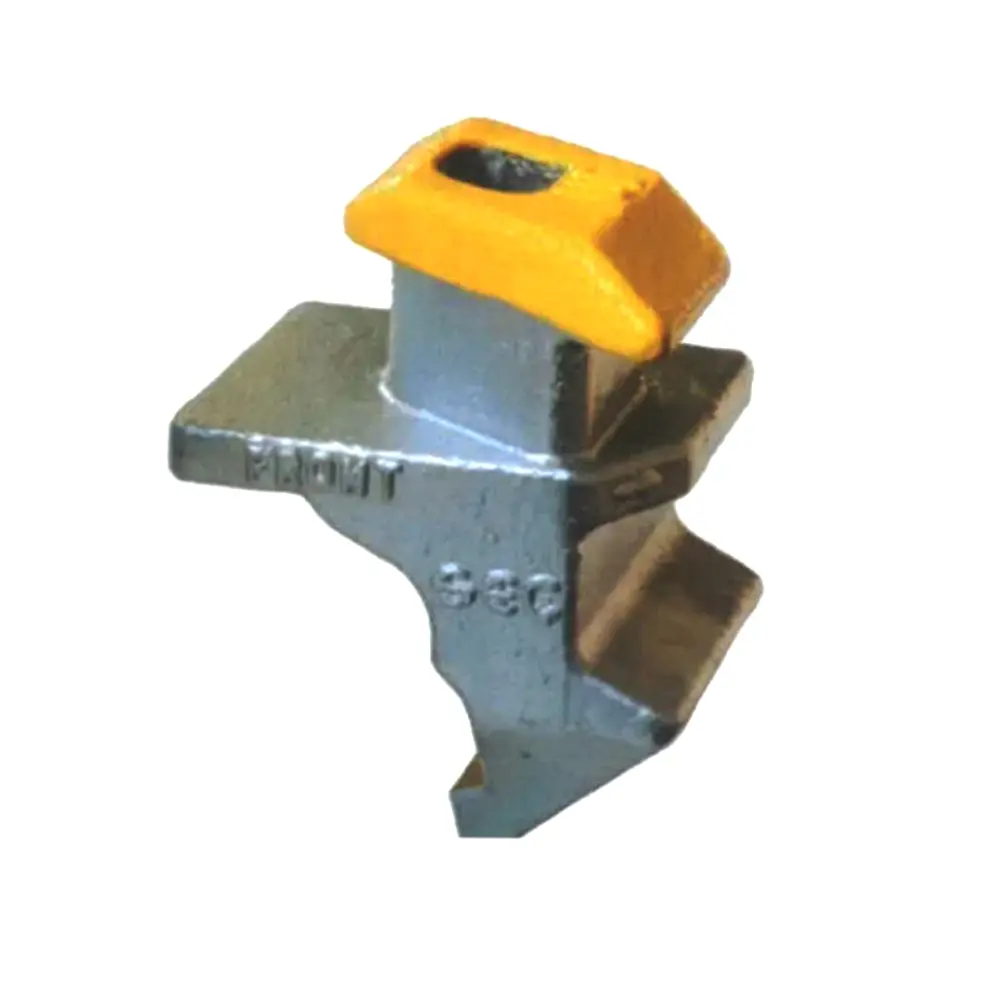
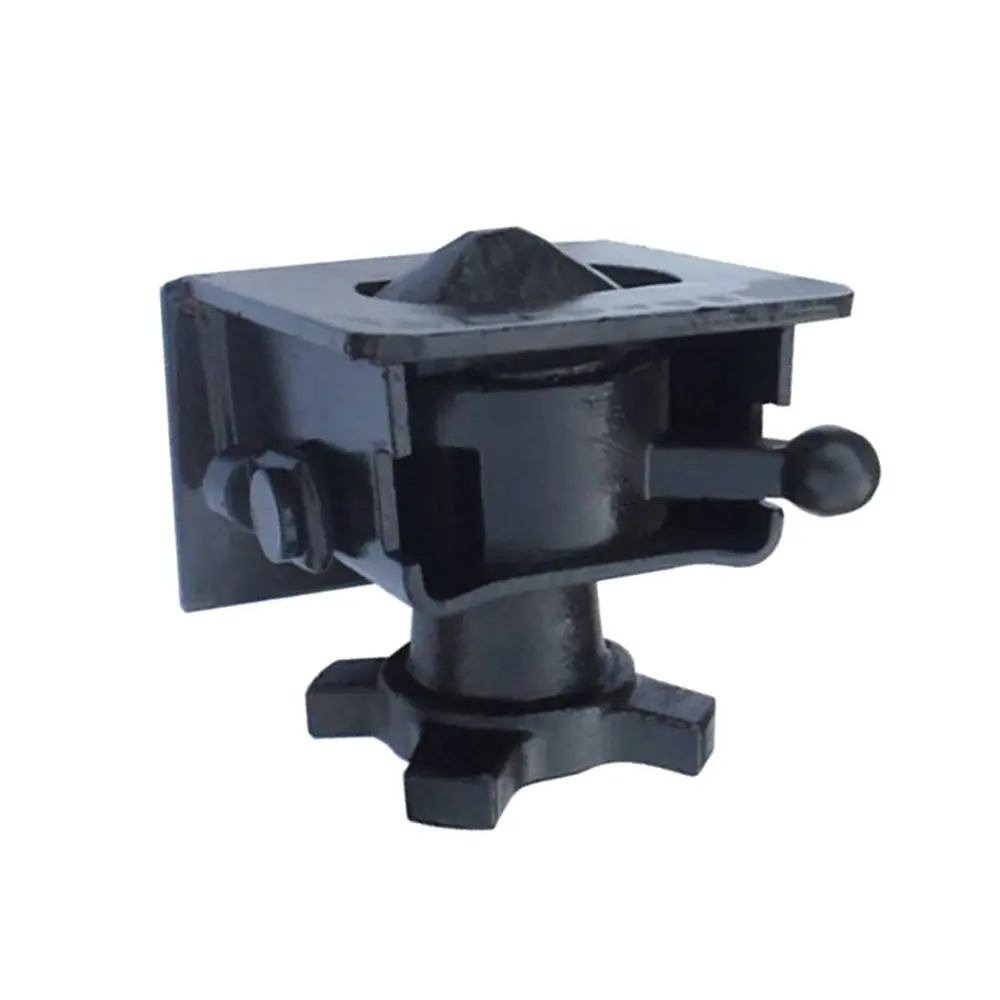
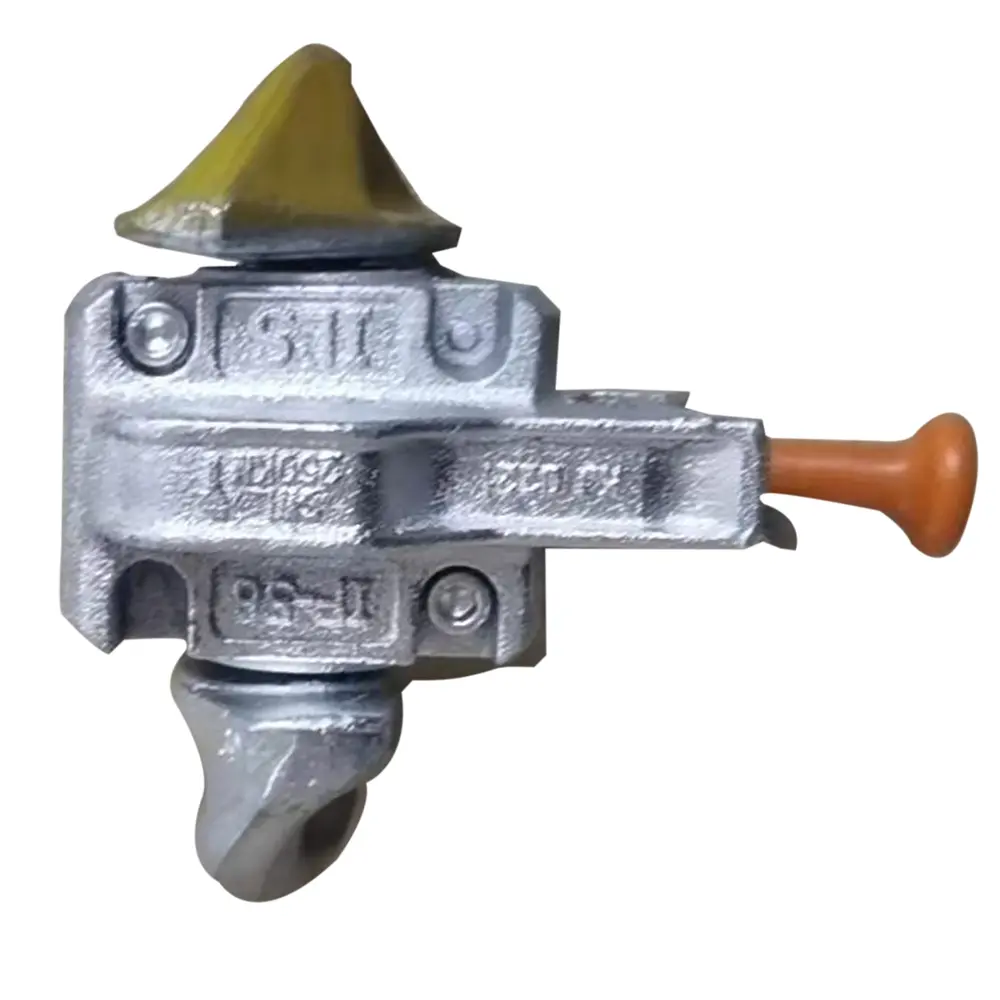
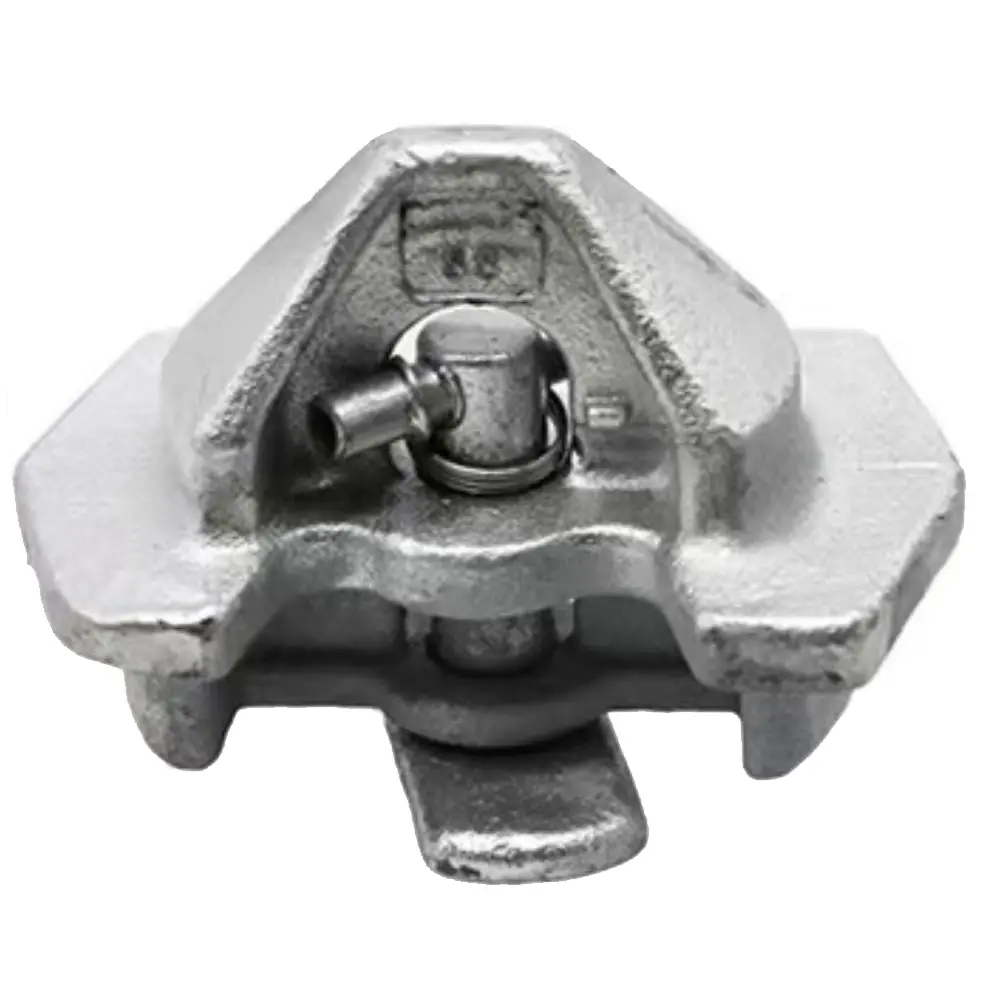
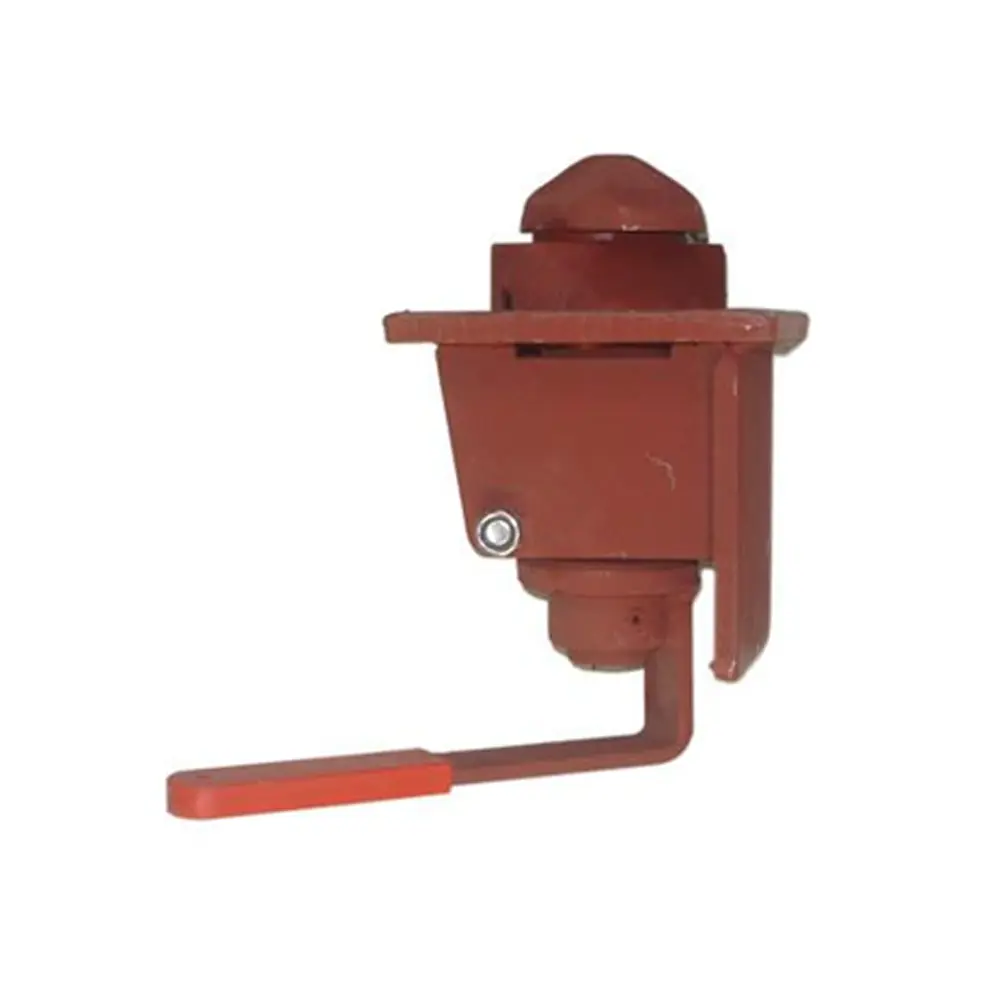
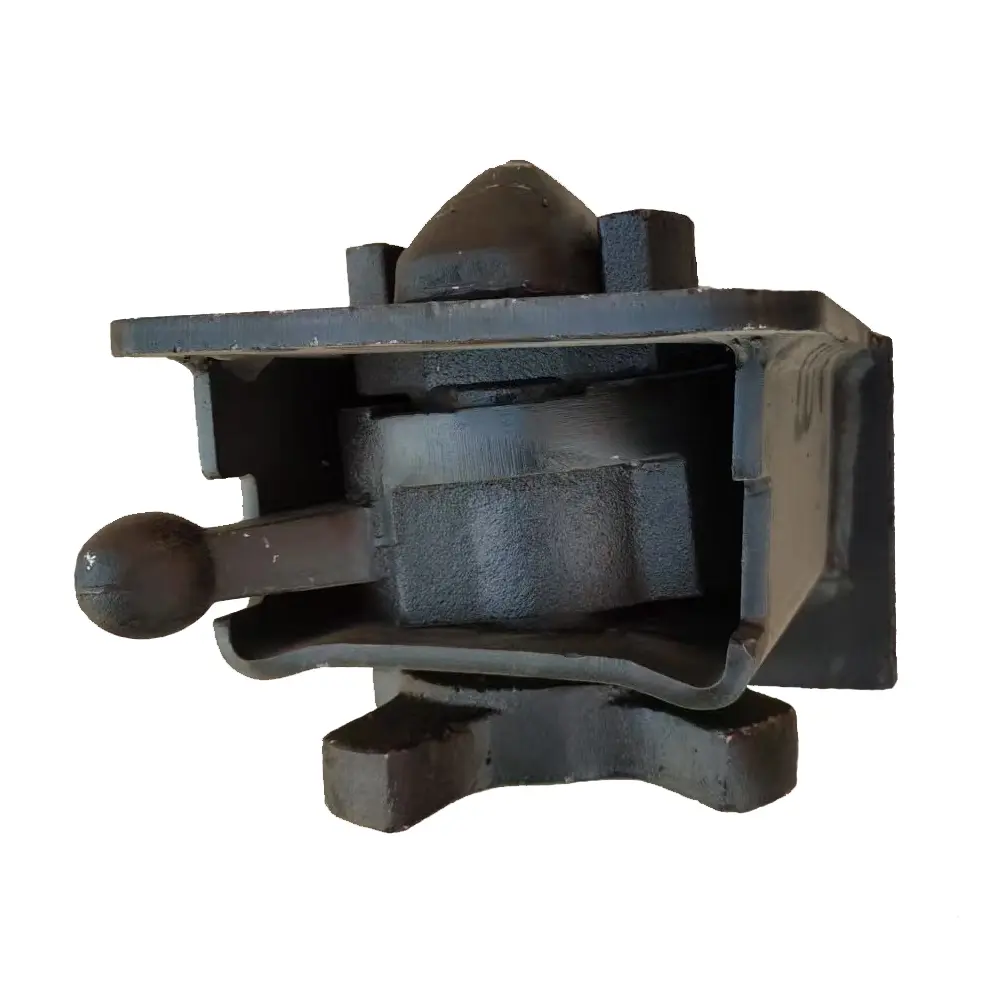
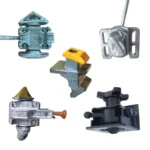
A container automatic twist lock is a fully self-contained locking mechanism that secures containers to vessel cell guides or to the bottom container in automated stacking systems. Its defining characteristic is zero human intervention: both locking and unlocking occur automatically through weight-activated mechanical sequences.
The Engineering Sequence:
-
Automatic Locking: Container weight compresses internal stainless steel springs, rotating the locking head 90° into the “LOCK” position. No worker touches it.
-
Automatic Unlocking: Lift-off removes weight; springs decompress, returning the head to “UNLOCK.” Clean disengagement without manual release.
-
Fully Enclosed Mechanism: All moving components—springs, cams, linkages—are housed within a sealed, protected chamber.
Critical Distinction: Semi-automatic locks also lock automatically but require manual unlocking via handle or lever. Automatic locks complete the full cycle untouched.
Part 2: The Strategic Advantages – Where Automation Delivers
✅ 1. Maximum Operational Speed & Berth Productivity
This is the unarguable, quantified strength of automatic twist locks.
-
Time Savings: Eliminating manual unlocking saves 15-30 seconds per container move. For a 2,000-move vessel call, this is 8-16 hours of berth time.
-
Productivity Ceiling Removal: Crane operators work continuously, never waiting for lashing gangs. Peak rates increase 20-30%.
-
Financial Impact: At berth costs of $10,000–$20,000/hour, per-vessel savings range from $80,000 to $320,000.
✅ 2. Absolute Personnel Safety – The Zero-Exposure Standard
-
Complete Red-Zone Elimination: No worker ever stands beneath a suspended load to release a lock. The most dangerous task in container handling is erased.
-
Injury Reduction: Ports with full automation report 60–80% fewer lashing-related incidents.
-
Regulatory Readiness: As global safety bodies (OSHA, ICHCA) tighten red-zone restrictions, automatic locks provide instant compliance.
✅ 3. Labor Optimization & Consistency
-
Reduced Gang Dependency: High-throughput terminals can shrink lashing teams or redeploy skilled workers.
-
Fatigue-Free Operation: Machines don’t tire, rush, or cut corners. Every lock cycles identically.
-
Labor Shortage Buffer: In regions with chronic lashing labor scarcity, automation ensures operational continuity.
✅ 4. Damage Prevention & Asset Protection
-
Elimination of Forced Releases: Manual unlocking often involves hammering, prying—destroying locks and corner castings. Automatic release is precise and gentle.
-
Container Integrity: Shipping lines increasingly reject containers with damaged castings. Automatic locks preserve asset value.
-
Predictable Wear: Consistent mechanical actuation extends component life compared to variable-force human operation.
Part 3: The Hard Truth – Limitations You Cannot Ignore
❌ 1. Significant Capital Investment – The 5x Premium
-
Cost Multiplier: Automatic twist locks cost 3–5 times more than equivalent semi-automatic units. A 1,000-lock vessel retrofit carries a $500,000–$1,000,000+ premium.
-
Fleet-Wide Burden: Converting an entire terminal or vessel fleet requires multi-year capital planning.
-
Hidden Infrastructure Costs: Existing cell guides may need modification for automatic lock dimensions or actuation clearance.
❌ 2. Maintenance Complexity & Specialization
-
Black Box Problem: Unlike semi-automatic locks with visible, accessible release levers and springs, automatic locks house all components internally. You cannot see inside; you cannot field-repair.
-
Specialized Skill Requirement: Maintenance personnel require dedicated factory training. Faulty units typically require removal and factory service or complete replacement—not simple spring swaps.
-
Spare Parts Inventory: Operators must stock full replacement units, not just inexpensive kits. This ties up working capital.
❌ 3. Environmental Vulnerability – The Corrosion & Contamination Risk
-
Saltwater Intrusion: Despite protective coatings, the complex internal mechanisms of automatic locks are susceptible to saltwater ingress in cell guide applications. Once inside, corrosion is hidden until failure.
-
Debris Accumulation: Dust, sand, and cargo residue can infiltrate and impede spring movement. Regular pressurized washing becomes mandatory, not optional.
-
Cold-Climate Failure: Moisture inside the mechanism can freeze, immobilizing springs. Standard automatic locks fail in sub-zero conditions; cold-weather variants exist but carry additional cost.
❌ 4. Verification Challenges – The “Blind” Lock
-
No Visual Status Indicator: Most automatic locks lack the clear “LOCK/UNLOCK” flags or alignment marks standard on semi-automatic units. You cannot glance and confirm.
-
Reliance on Secondary Systems: Operators must depend on:
-
Crane camera systems (expensive, require maintenance).
-
Integrated sensor packages (additional $100–$200 per lock).
-
Secondary verification protocols (slow, labor-dependent).
-
-
Trust Deficit: Many terminal managers and crane operators express genuine discomfort with the inability to visually confirm lock engagement.
❌ 5. Limited Application Scope
-
Chassis Incompatibility: Automatic twist locks cannot be used on intermodal chassis or in any application requiring manual positioning. They are vessel/terminal-only tools.
-
Retrofit Challenges: Older vessels without automation-designed cell guides may require extensive, costly modifications.
-
Mixed-Fleet Complexity: Operating both automatic and semi-automatic equipment in the same facility creates training, inventory, and procedural complications.
Part 4: Side-by-Side Reality Check – Automatic vs. Semi-Automatic Twist Lock
| Evaluation Factor | Automatic Twist Lock | Semi-Automatic Twist Lock | Winner (Your Priorities) |
|---|---|---|---|
| Initial Cost | Very High ($$$$$) | Moderate ($$) | Semi-Auto (Budget priority) |
| Total Cost of Ownership | High (specialized maintenance, full-unit replacement) | Low (simple, field-repairable) | Semi-Auto (TCO priority) |
| Operational Speed | Maximum (no manual steps) | High (fast lock, slower unlock) | Auto (Productivity priority) |
| Locking Safety | Excellent (automatic) | Excellent (automatic) | Tie |
| Unlocking Safety | Excellent (no personnel) | Moderate (personnel exposed) | Auto (Safety priority) |
| Reliability | Moderate (complex mechanism, environmental sensitivity) | Excellent (simple, proven) | Semi-Auto (Reliability priority) |
| Maintainability | Difficult (specialized, factory service) | Easy (field tools, basic skill) | Semi-Auto (Maintenance priority) |
| Status Verification | Difficult (requires cameras/sensors) | Instant visual indicator | Semi-Auto (Confidence priority) |
| Application Range | Vessel/terminal only | Vessel, yard, chassis, universal | Semi-Auto (Flexibility priority) |
Part 5: The Selection Matrix – Is Automatic Right for YOUR Operation?
Choose Container Automatic Twist Locks IF:
✅ Your Operation Profile Demands It:
-
You operate a high-throughput terminal (500,000+ TEU annually) where berth time is your primary cost constraint.
-
You manage new-generation vessels with automation-ready cell guides.
-
You are building a semi- or fully-automated terminal with remote crane operation.
✅ Your Safety Commitment Requires It:
-
You have a zero-tolerance policy for red-zone personnel exposure.
-
You face regulatory mandates or labor agreements phasing out manual lashing.
-
Your incident history includes serious injuries or fatalities from lock handling.
✅ Your Financial Capacity Supports It:
-
You have approved capital budget for productivity-enhancing automation.
-
Your berth costs exceed $10,000/hour, making time savings immediately bankable.
-
You can quantify hard-dollar value of injury reduction and insurance savings.
✅ Your Technical Infrastructure Enables It:
-
You employ or can contract specialized maintenance technicians.
-
You have established preventive maintenance protocols (washing, lubrication).
-
Your crane systems support integrated camera or sensor verification.
You Should Defer Automation IF:
-
Your throughput is moderate; berth time is not your binding constraint.
-
Your operation relies heavily on chassis-based intermodal transport.
-
You operate in remote regions without specialized maintenance support.
-
Your capital budget cannot absorb the 3-5x cost premium.
-
You lack the infrastructure for camera/sensor lock verification.
Part 6: Technical Non-Negotiables – What to Demand
If you proceed with automation, insist on:
| Specification | Minimum Requirement | Why It Matters |
|---|---|---|
| Material | Forged high-tensile steel, certified | Castings crack; forgings survive impacts |
| Corrosion Protection | Hot-dip galvanized or Zn-Ni, 50µm+ | Saltwater kills cheap coatings—and locks |
| Springs | 316 stainless steel, 50,000-cycle certified | Spring failure = complete lock failure |
| Temperature Rating | Standard: -20°C to +80°C | Cold-climate option: -40°C mandatory for winter ops |
| Certification | ISO 1161, ABS/Lloyd’s/DNV/CCS | Non-certified locks are uninsurable liabilities |
| Testing | Proof load + cycle test certificates | No paperwork = no proof of performance |
Conclusion: The Honest Verdict on Container Automatic Twist Lock
Container automatic twist locks deliver exactly what they promise: maximum speed, zero-exposure safety, and labor independence. For high-throughput terminal operators and next-generation vessel owners, these benefits translate directly into bankable ROI and best-in-class safety performance.
But they are not for everyone. The substantial capital premium, specialized maintenance burden, environmental sensitivities, and verification challenges are genuine obstacles. Semi-automatic locks—with their automatic locking, clear visual indicators, universal compatibility, and field-repairable simplicity—remain the intelligent, cost-effective choice for the majority of global container operations.
The right choice is not about which technology is “better.” It is about which technology is better for you.
Ready for an Honest Assessment?
HangCheng Parts engineers and manufactures both automatic and semi-automatic twist locks. We have no agenda except helping you select the right tool for your unique operation.
Feel free to contact our professional sales team for more information. Bulk orders may enjoy discounts.
Related Products