A Complete Guide to Flatbed Trailer Winches & Secure Load Strapping
Selecting the correct trailer strap winch size is crucial for safe and efficient cargo transport. A winch that’s too weak can lead to load shifts, DOT violations, or even accidents, while an oversized winch adds unnecessary weight and cost.
In this guide, we’ll cover:
✔ How to calculate the right winch capacity for your trailer
✔ Key differences between 4K, 6K, and 10K winches
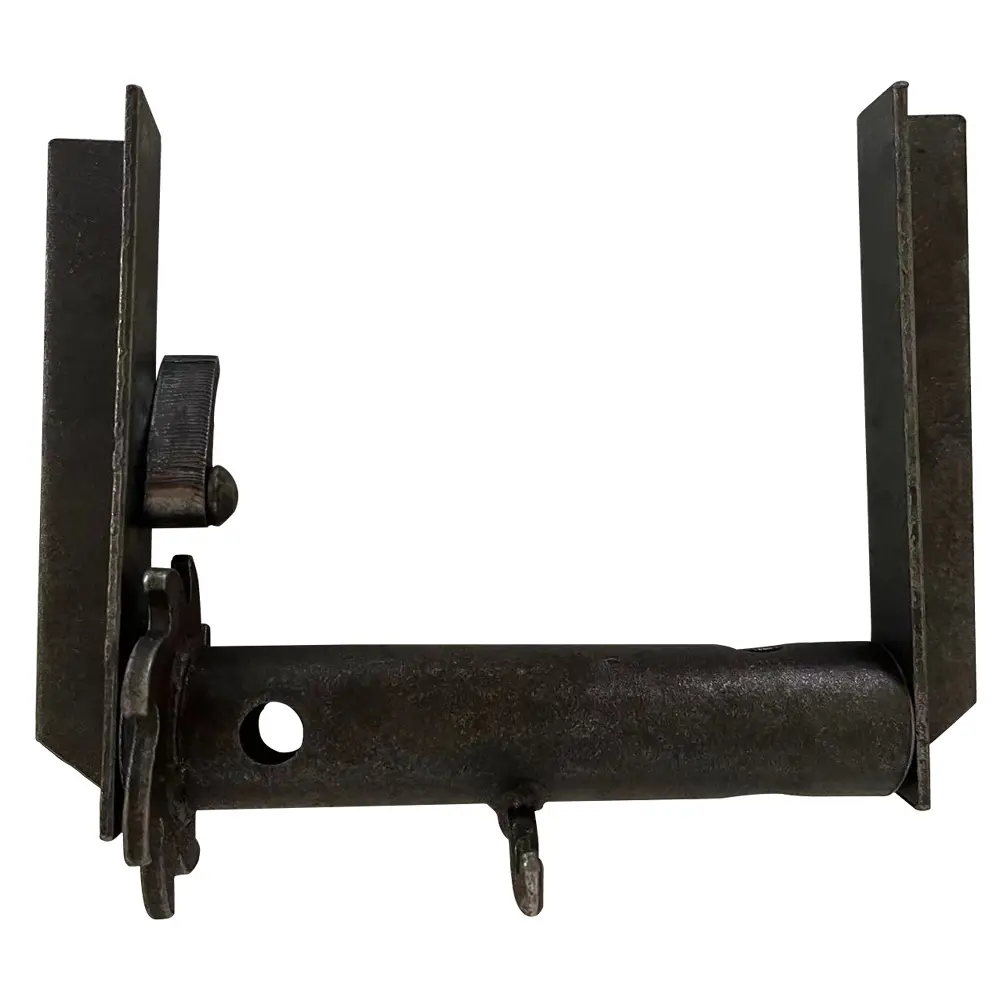
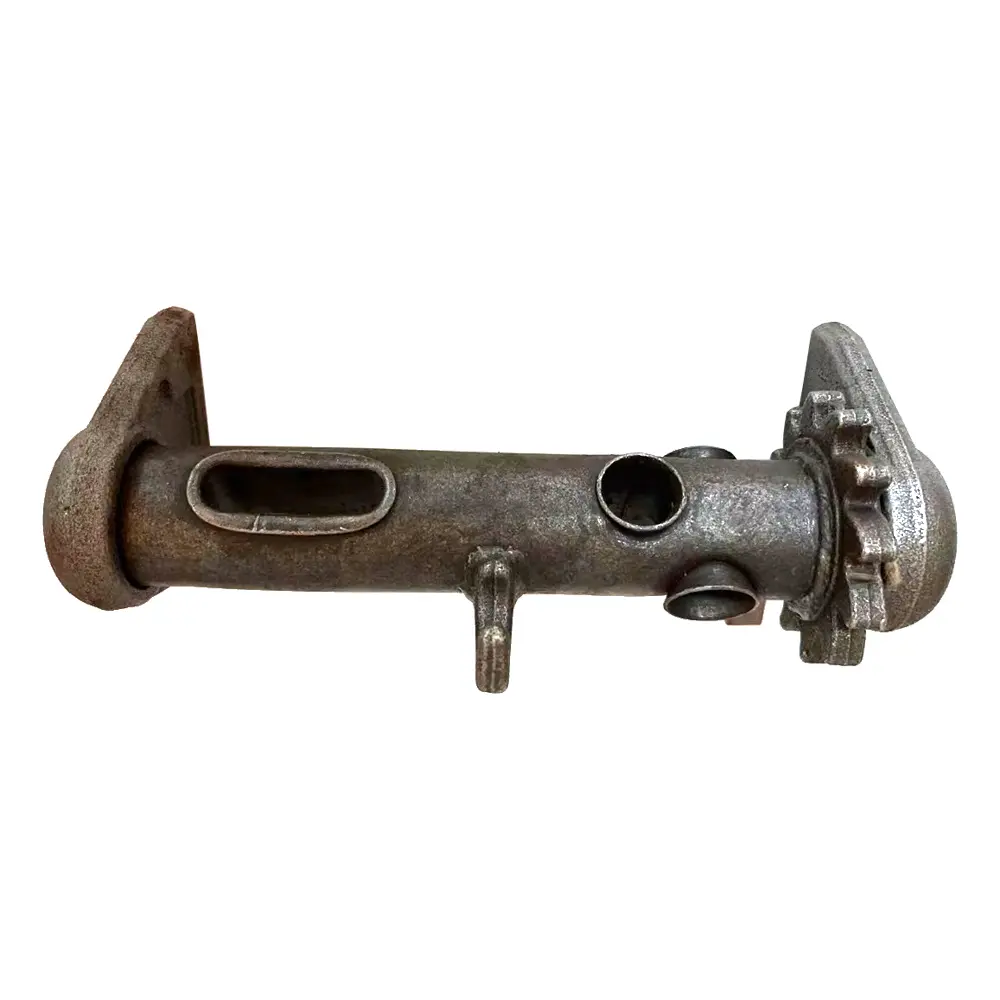
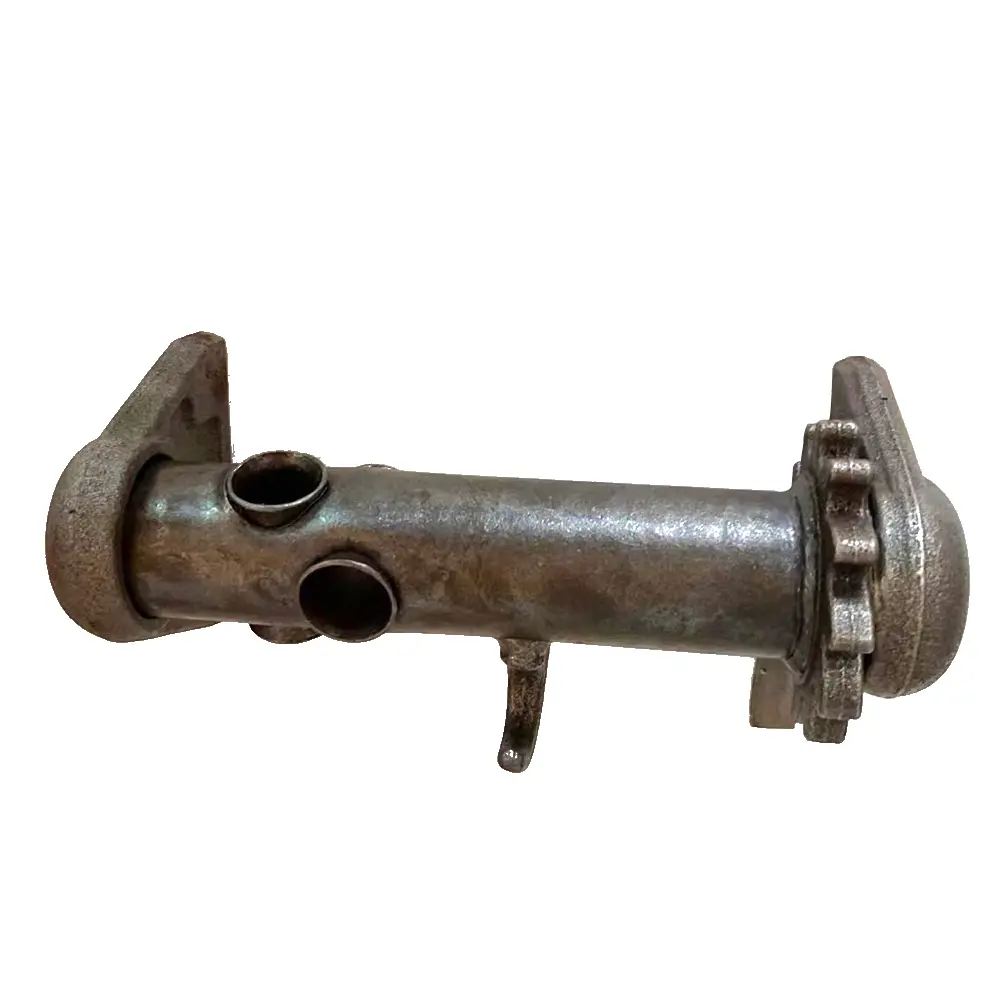
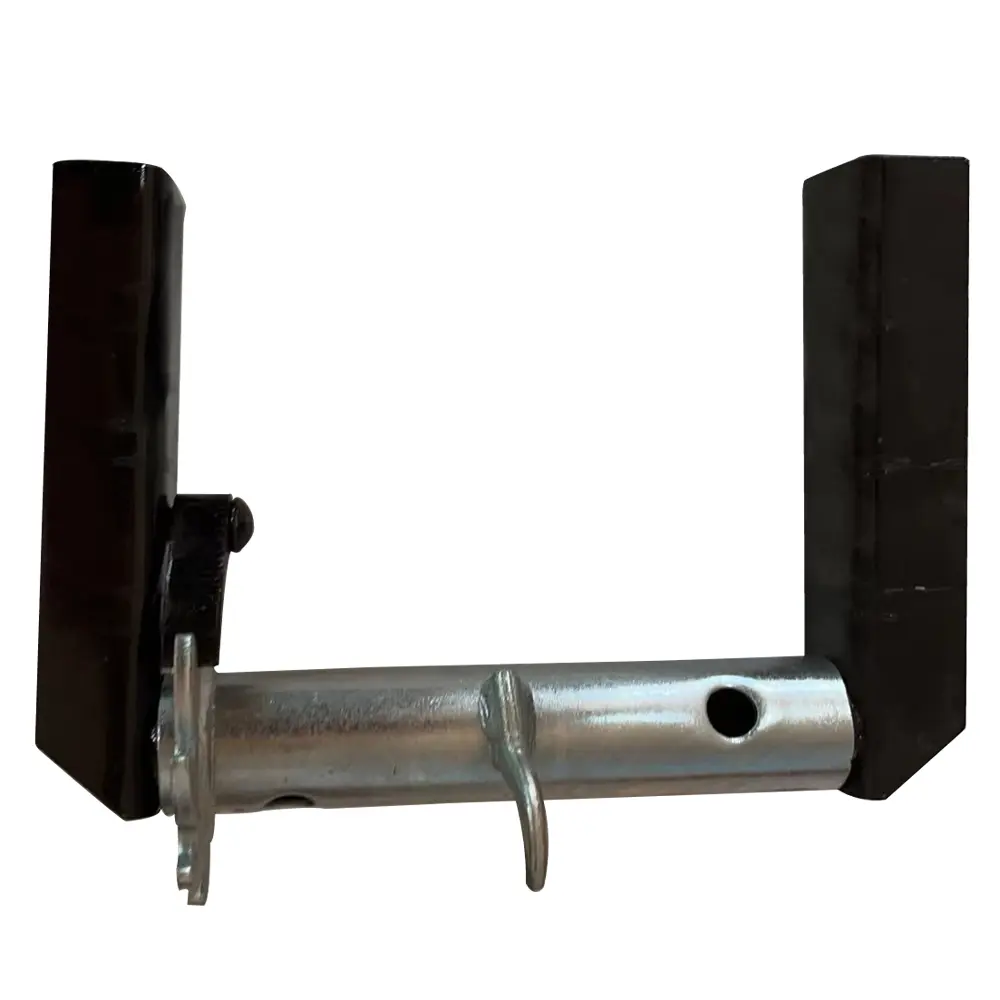
✔ Best trailer strap winch types for flatbed hauling
✔ Pro tips for maintenance & compliance
1. Why Trailer Strap Winch Size Matters
A flatbed trailer winch must match:
-
Cargo weight (Gross Load Capacity)
-
Strap type (Polyester, nylon, or chain)
Regulatory Requirements
-
Europe: 1.6× load weight (EN 12195-2)
-
Australia: 2.0× load weight (AS/NZS 4380)
⚠️ Common Mistakes:
-
Using a 4K winch for 10K+ loads → Straps snap under tension
-
Choosing a non-ratcheting winch → Load loosens during transit
2. How to Determine the Right Winch Capacity
Step 1: Calculate Total Load Weight
-
United States Standards (DOT/FMCSA)
Formula:
Total Required Restraint = Cargo Weight × 1.5 (Safety Factor)
Minimum Winch Capacity = Total Restraint ÷ Number of Tie-Down PointsExample:
-
Cargo Weight: 20,000 lbs
-
Tie-Downs: 4
-
Calculation:
20,000 × 1.5 = 30,000 lbs(Total Restraint)
30,000 ÷ 4 = 7,500 lbs→ Select 8K Winch
Regulatory Basis:
-
FMCSA §393.110
-
1.5× safety factor is mandatory
-
-
European Standards (EN 12195-2)
Formula:
Total Required Restraint = Cargo Weight × 1.6 (Safety Factor)
Minimum Winch Capacity = Total Restraint ÷ Number of Tie-Down PointsExample:
-
Cargo Weight: 10,000 kg
-
Tie-Downs: 4
-
Calculation:
10,000 × 1.6 = 16,000 kg(Total Restraint)
16,000 ÷ 4 = 4,000 kg→ Select 4T Winch
Key Differences:
-
Uses metric units (kg vs lbs)
-
Higher safety factor (1.6× vs 1.5×)
-
-
Australian Standards (AS/NZS 4380:2015)
Formula:
Total Required Restraint = Cargo Weight × 2.0 (Safety Factor)
Minimum Winch Capacity = Total Restraint ÷ Number of Tie-Down PointsExample:
-
Cargo Weight: 8,000 kg
-
Tie-Downs: 6
-
Calculation:
8,000 × 2.0 = 16,000 kg(Total Restraint)
16,000 ÷ 6 ≈ 2,667 kg→ Select 3T Winch
Notable Requirements:
-
World’s strictest safety factor (2.0×)
-
Mandatory for extreme road conditions
-
-
Critical Considerations
-
Tie-Down PointsUS/EU: Minimum 4 points; Australia: Recommended 6+ points
-
Winch Selection: Always round up to the next standard capacity (e.g., 7,500 lbs → 8K winch)
-
Cross-Border Operations: Apply the most stringent standard (e.g., EU→AU routes use 2.0× factor)
-
Step 2: Match Winch to Strap Type
| Strap Type | Width | Material | WLL (lbs/kg) | Min Winch Size | Best Winch Type |
|---|---|---|---|---|---|
| Polyester | 2″ | Synthetic | 5,400 lbs (2,450 kg) | 6K (6,000 lbs) | Ratchet |
| Nylon | 3″ | Synthetic | 10,000 lbs (4,536 kg) | 10K (10,000 lbs) | Ratchet/Lever |
| Hybrid | 4″ | Synthetic + Steel | 15,000 lbs (6,804 kg) | 15K (15,000 lbs) | Hydraulic |
| Chain | 3/8″ | Alloy Steel | 20,000 lbs (9,072 kg) | 20K (20,000 lbs) | Hydraulic/Pneumatic |
? Rule: The winch’s rated capacity must exceed the strap’s working load limit (WLL).
3. Trailer Strap Winch Types for Flatbed Trailers
3.1 Ratchet Winches (Most Versatile)
Best for: General freight, multi-stop deliveries
Capacity Range: 2,000-15,000 lbs
Key Features:
-
3:1 to 5:1 gear ratios for precise tensioning
-
Compatible with all strap types (polyester, nylon, hybrid)
-
Meets DOT, EN 12195-2, and AS/NZS standards
Maintenance Requirements:
-
Lubricate gears every 500 operating hours
-
Replace pawls every 2 years or 10,000 cycles
3.2 Over-Center Lever Winches (Fastest Operation)
Best for: Frequent load changes, time-sensitive operations
Capacity Range: 4,000-8,000 lbs
Advantages:
-
60% faster securing than ratchet winches
-
One-hand operation capability
-
Ideal for curtainside trailers
Limitations:
-
Less precise tension control
-
Not suitable for heavy vibrating loads
3.3 Hydraulic/Pneumatic Winches (Heavy-Duty)
Best for: Steel coils, construction equipment, oversize loads
Capacity Range: 10,000-30,000 lbs
System Requirements:
-
Dedicated hydraulic/pneumatic system
-
Professional installation recommended
-
Higher maintenance requirements
4. Winch Size Comparison: 4K vs. 6K vs. 10K
| Winch Size | Max Load | Best For | Strap Width |
|---|---|---|---|
| 4K (4,000 lbs) | ≤ 2,700 lbs | Light equipment, lumber | 2″ |
| 6K (6,000 lbs) | ≤ 4,000 lbs | Machinery, vehicles | 2–3″ |
| 10K (10,000 lbs) | ≤ 6,700 lbs | Heavy steel, industrial loads | 3–4″ |
? DOT Rule: Straps must have ≥ 1.5x cargo weight aggregate rating.
5. Pro Tips for Choosing & Maintaining Winches
✔ Check the hook & pawl – Weak points that fail first
✔ Lubricate gears – Use lithium grease every 6 months
✔ Inspect webbing – Frayed straps reduce capacity by 50%+
✔ Avoid “over-cranking” – Can damage ratchet mechanisms
FAQ: Trailer Strap Winches
Q: Can I use a 6K winch for a 5K load?
A: Yes, but ensure straps match (e.g., 3″ nylon with 10K WLL).
Q: How many winches does a flatbed need?
A: Minimum 4 (DOT requirement for most loads).
Final Recommendation
-
Light/Medium Loads (≤5K lbs): 6K Ratchet Winch + 2″ Polyester Straps
-
Heavy Loads (5K–10K lbs): 10K Ratchet Winch + 3″ Nylon Straps
-
Extreme Duty (10K+ lbs): Hydraulic Winch + 1/2″ Chains
Need strap winches? Contact us for more details.
Related Products