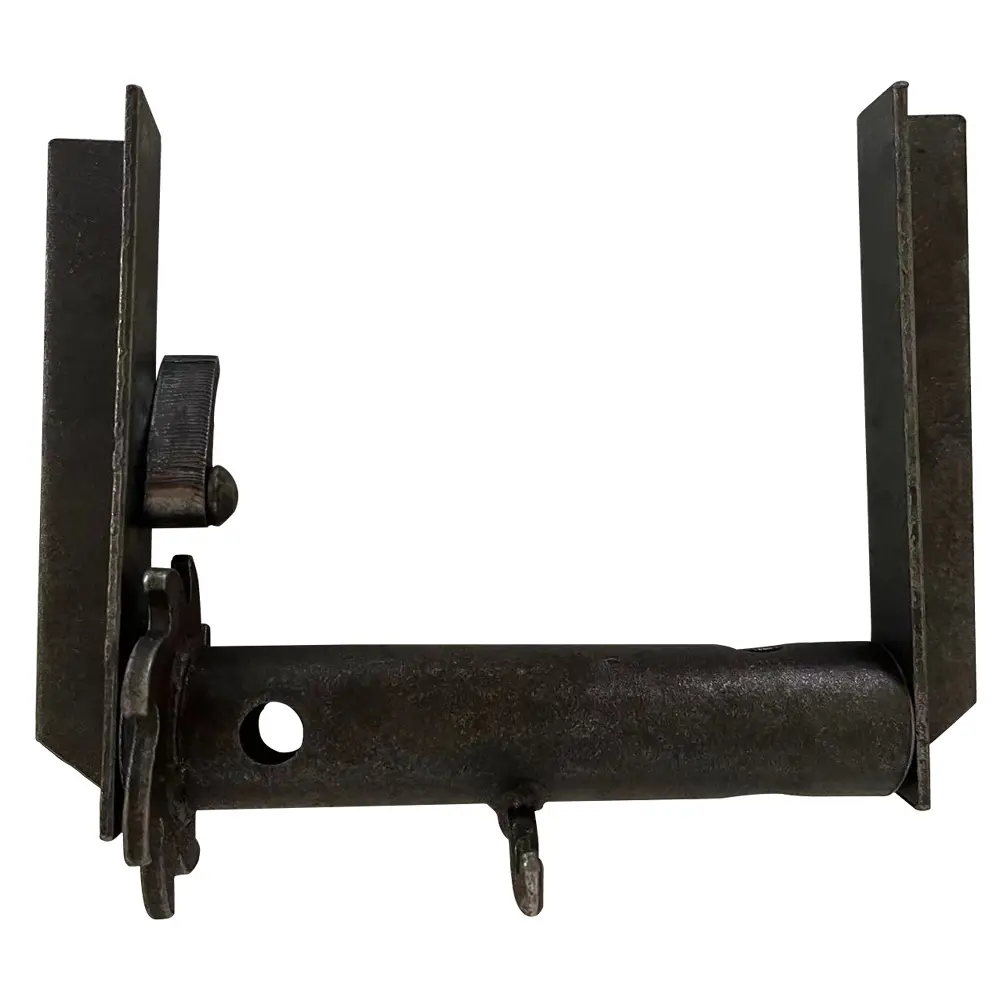
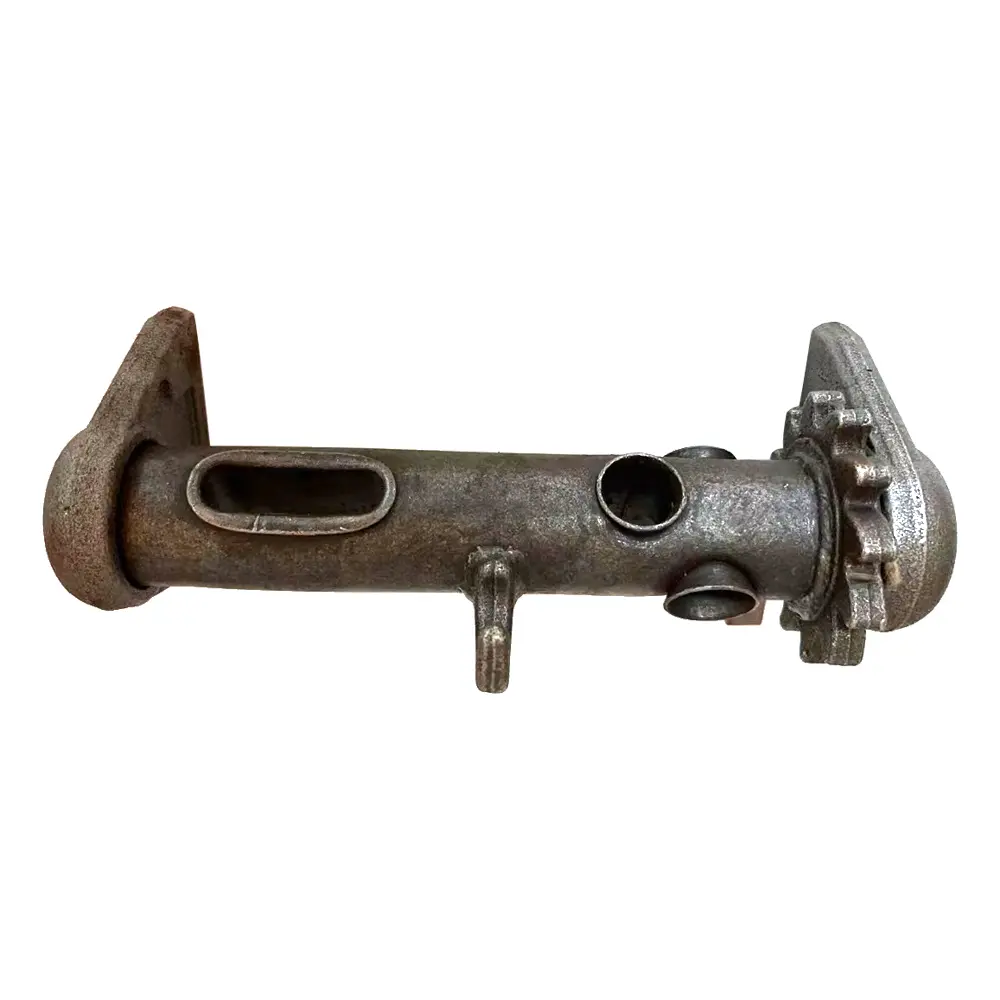
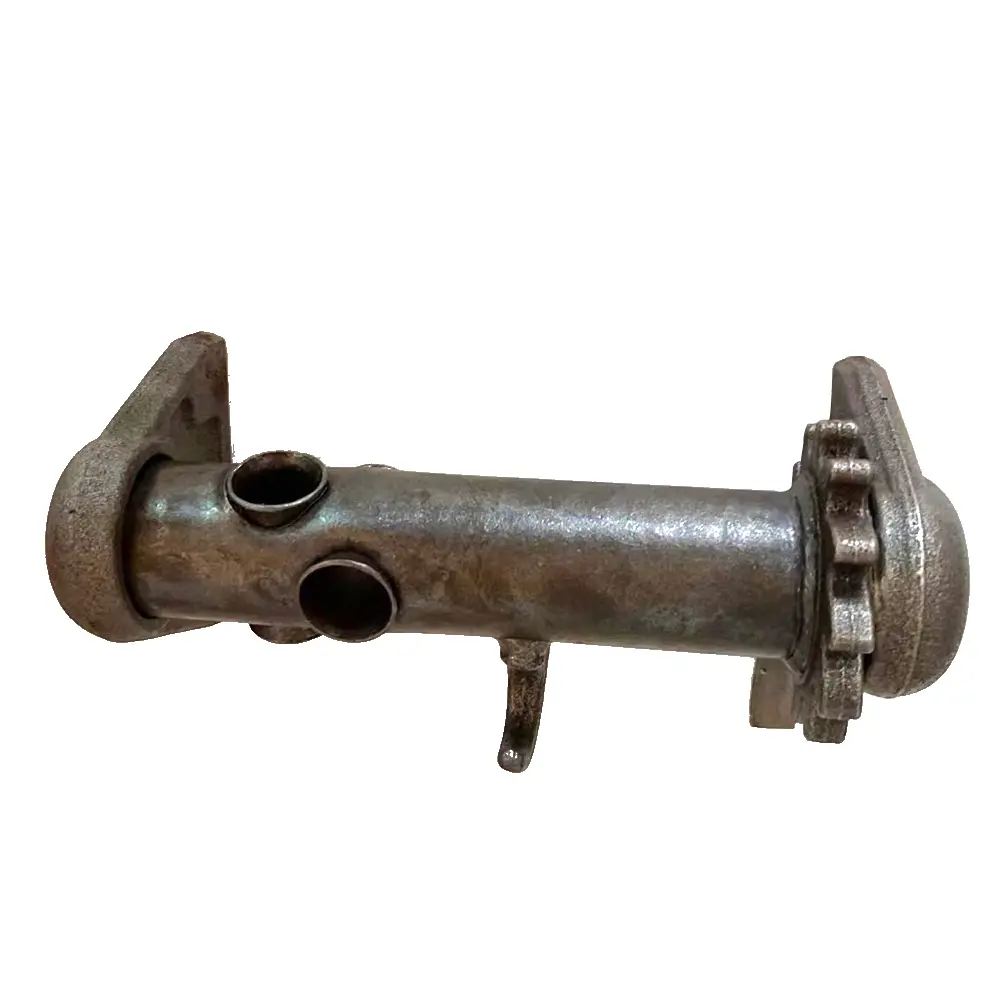
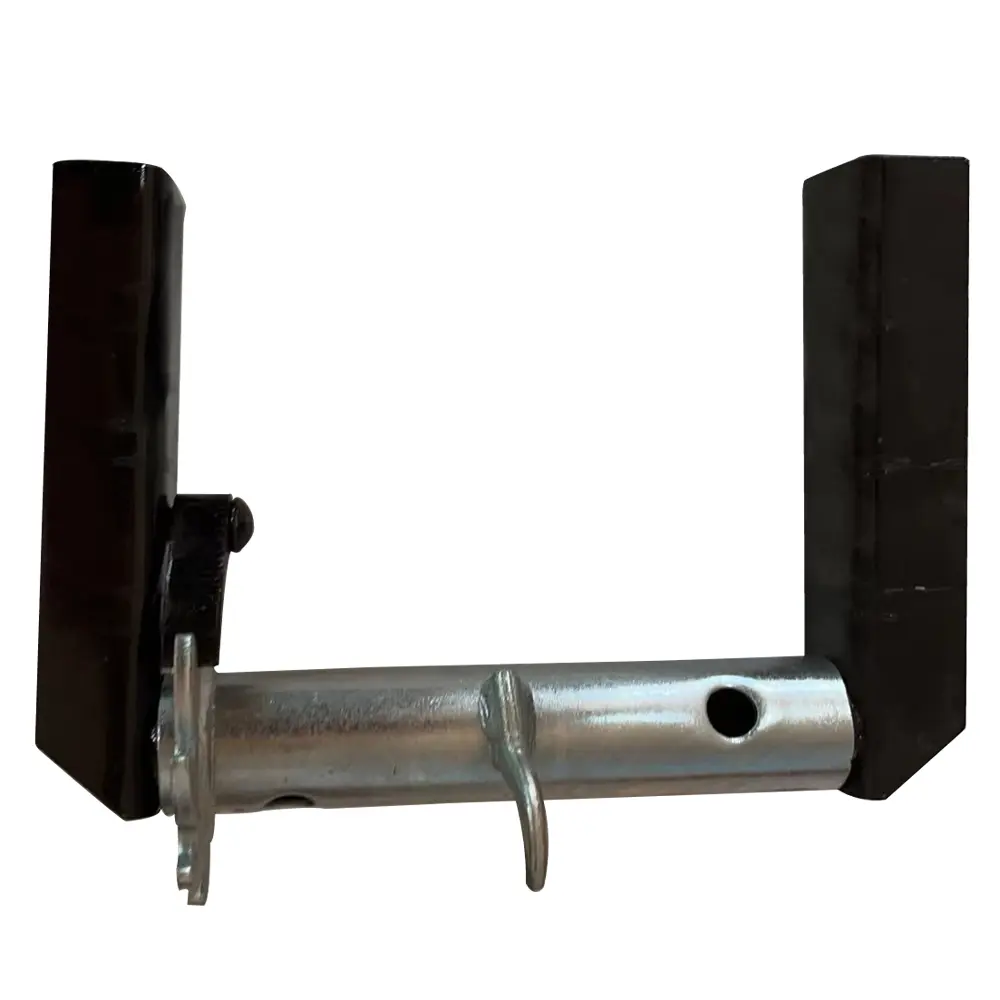
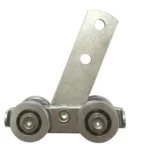
Una guía completa para cabrestantes de remolque de plataforma y flejes de carga seguros
Seleccionando el correctocabrestante de correa de trailerEl tamaño es crucial para el transporte de carga seguro y eficiente. Un cabrestante que es demasiado débil puede conducir acambios de carga, violaciones de puntos o incluso accidentes, mientras que un cabrestante de gran tamaño agrega peso y costo innecesarios.
En esta guía, cubriremos:
✔ Cómo calcular la capacidad correcta del cabrestantepara tu trailer
✔ Diferencias clave entre 4K, 6K y 10K Winches
✔ Mejores tipos de cabrestante de correa de trailer para transporte de cama plana
✔ Consejos profesionales para mantenimiento y cumplimiento
1. Por qué es importante el tamaño del cabrestante de la correa del trailer
UNcabrestante de trailer de plataformaDebe coincidir:
-
Peso de carga(Capacidad de carga bruta)
-
Tipo de correa(Poliéster, nylon o cadena)
Requisitos regulatorios
-
Europa: 1.6 × peso de carga (EN 12195-2)
-
Australia: 2.0 × peso de carga (AS/NZS 4380)
⚠️ Errores comunes:
-
Usando un4k cabrestante por 10k+ cargas→ Las correas se rompen bajo tensión
-
Elegir uncabrestante no giratorio→ Cargar Foliles durante el tránsito
2. Cómo determinar la capacidad correcta del cabrestante
Paso 1: Calcule el peso de la carga total
-
Estándares de los Estados Unidos (DOT/FMCSA)
Fórmula:
Total Required Restraint = Cargo Weight × 1.5 (Safety Factor)
Minimum Winch Capacity = Total Restraint ÷ Number of Tie-Down PointsEjemplo:
-
Peso de carga: 20,000 libras
-
Atacas: 4
-
Cálculo:
20,000 × 1.5 = 30,000 lbs(Restricción total)
30,000 ÷ 4 = 7,500 lbs→ SeleccionarCinchazón de 8k
Base regulatoria:
-
FMCSA §393.110
-
1.5 × El factor de seguridad es obligatorio
-
-
Estándares europeos (EN 12195-2)
Fórmula:
Total Required Restraint = Cargo Weight × 1.6 (Safety Factor)
Minimum Winch Capacity = Total Restraint ÷ Number of Tie-Down PointsEjemplo:
-
Peso de carga: 10,000 kg
-
Atacas: 4
-
Cálculo:
10,000 × 1.6 = 16,000 kg(Restricción total)
16,000 ÷ 4 = 4,000 kg→ Seleccionar4t cabrestante
Diferencias clave:
-
Usosunidades métricas(kg vs lbs)
-
Mayor factor de seguridad (1.6 × vs 1.5 ×)
-
-
Normas australianas (AS/NZS 4380: 2015)
Fórmula:
Total Required Restraint = Cargo Weight × 2.0 (Safety Factor)
Minimum Winch Capacity = Total Restraint ÷ Number of Tie-Down PointsEjemplo:
-
Peso de carga: 8,000 kg
-
Correos: 6
-
Cálculo:
8,000 × 2.0 = 16,000 kg(Restricción total)
16,000 ÷ 6 ≈ 2,667 kg→ Seleccionar3t cabrestante
Requisitos notables:
-
Del mundoFactor de seguridad más estricto(2.0 ×)
-
Obligatorio para condiciones de carretera extremas
-
-
Consideraciones críticas
-
Puntos de empateEE. UU./UE: mínimo 4 puntos; Australia: recomendado más de 6 puntos
-
Selección de cabrestante: Siempre redondea elSiguiente capacidad estándar(por ejemplo, 7,500 lbs → 8k cabrestante)
-
Operaciones transfronterizas: Aplicar elEstándar más estricto(Por ejemplo, las rutas de la UE → Au usan 2.0 × factor)
-
Paso 2: tipo de cabrestante para correa
| Tipo de correa | Anchura | Material | Wll (lbs/kg) | Tamaño de cabrestante mínimo | Mejor tipo de cabrestante |
|---|---|---|---|---|---|
| Poliéster | 2 ″ | Sintético | 5.400 lbs (2,450 kg) | 6k (6,000 libras) | Trinquete |
| Nylon | 3 ″ | Sintético | 10,000 lbs (4,536 kg) | 10k (10,000 libras) | Trinquete/palanca |
| Híbrido | 4 ″ | Sintético + acero | 15,000 libras (6,804 kg) | 15k (15,000 libras) | Hidráulico |
| Cadena | 3/8 ″ | Acero aleado | 20,000 libras (9,072 kg) | 20k (20,000 libras) | Hidráulico/neumático |
? Regla:El cabrestantecapacidad nominaldebe exceder la correaLímite de carga de trabajo (WLL).
3. Tipos de cabrestante de correa de trailer para remolques de plataforma
3.1 cabrestantes de trinquete (más versátiles)
Lo mejor para:Freight general, entregas de múltiples paradas
Rango de capacidad:2,000-15,000 libras
Características clave:
-
Relaciones de engranajes de 3: 1 a 5: 1 para un tensión precisa
-
Compatible con todos los tipos de correa (poliéster, nylon, híbrido)
-
Se encuentra con Dot, EN 12195-2, y los estándares AS/NZS
Requisitos de mantenimiento:
-
Lubricar engranajes cada 500 horas de funcionamiento
-
Reemplace los trastornos cada 2 años o 10,000 ciclos
3.2 cabrestas de palanca en el centro en exceso (operación más rápida)
Lo mejor para:Cambios de carga frecuentes, operaciones sensibles al tiempo
Rango de capacidad:4,000-8,000 libras
Ventajas:
-
60% más rápido que se asegura que los cabrestantes Ratchet
-
Capacidad de operación de una mano
-
Ideal para trailers de cortina
Limitaciones:
-
Control de tensión menos preciso
-
No es adecuado para cargas vibratorias pesadas
3.3 Winches hidráulicos/neumáticos (servicio pesado)
Lo mejor para:Bobinas de acero, equipo de construcción, cargas de gran tamaño
Rango de capacidad:10,000-30,000 libras
Requisitos del sistema:
-
Sistema hidráulico/neumático dedicado
-
Instalación profesional recomendada
-
Requisitos de mantenimiento más altos
4. Comparación de tamaño del cabrestante: 4K vs. 6k vs. 10k
| Tamaño del cabrestante | Carga máxima | Mejor para | Ancho de correa |
|---|---|---|---|
| 4K (4,000 lbs) | ≤ 2.700 libras | Equipo ligero, madera | 2 ″ |
| 6k (6,000 libras) | ≤ 4,000 lbs | Maquinaria, vehículos | 2–3 ″ |
| 10k (10,000 libras) | ≤ 6,700 libras | Acero pesado, cargas industriales | 3–4 ″ |
? Regla de puntos:Las correas deben tener≥ 1.5x peso de cargacalificación agregada.
5. Consejos profesionales para elegir y mantener el cabrestante
✔ Revise el gancho y el trineo- Puntos débiles que fallan primero
✔ Engranajes lubricación- Use grasa de litio cada 6 meses
✔ Inspeccionar las correas- Las correas deshilachadas reducen la capacidad en un 50%+
✔ Evite el "criticamiento sobre"- puede dañar los mecanismos de trinquete
Preguntas frecuentes: cabrestantes de correa de trailer
P: ¿Puedo usar un cabrestante de 6k para una carga de 5k?
A:Sí, pero asegúrese de que las correas coincidan(por ejemplo, nylon de 3 ″ con 10k Wll).
P: ¿Cuántos cabrestantes necesita una cama plana?
A:Mínimo 4(Requisito de puntos para la mayoría de las cargas).
Recomendación final
-
Cargas ligeras/medianas (≤5k lbs):Correas de poliéster de 6k Ratchet + 2 ″
-
Cargas pesadas (5k a 10k lb):Correas de nylon de 10k Ratchet + 3 ″
-
Deber extremo (10k+ lb):Cabrestante hidráulico + 1/2 ″ cadenas
¿Necesita cabrestantes de correa? Contáctenos para más detalles.
Productos relacionados