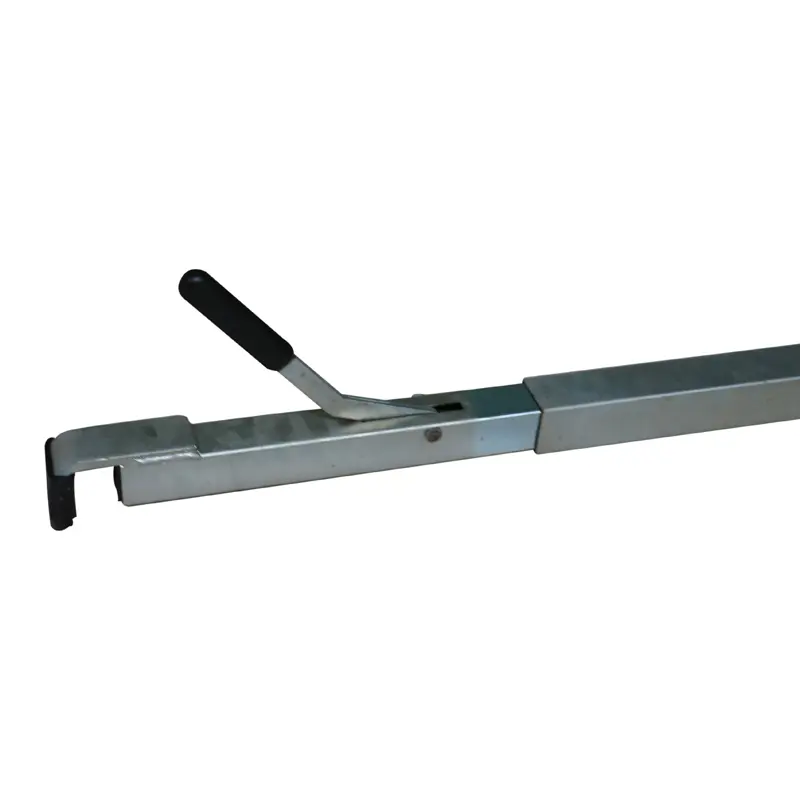
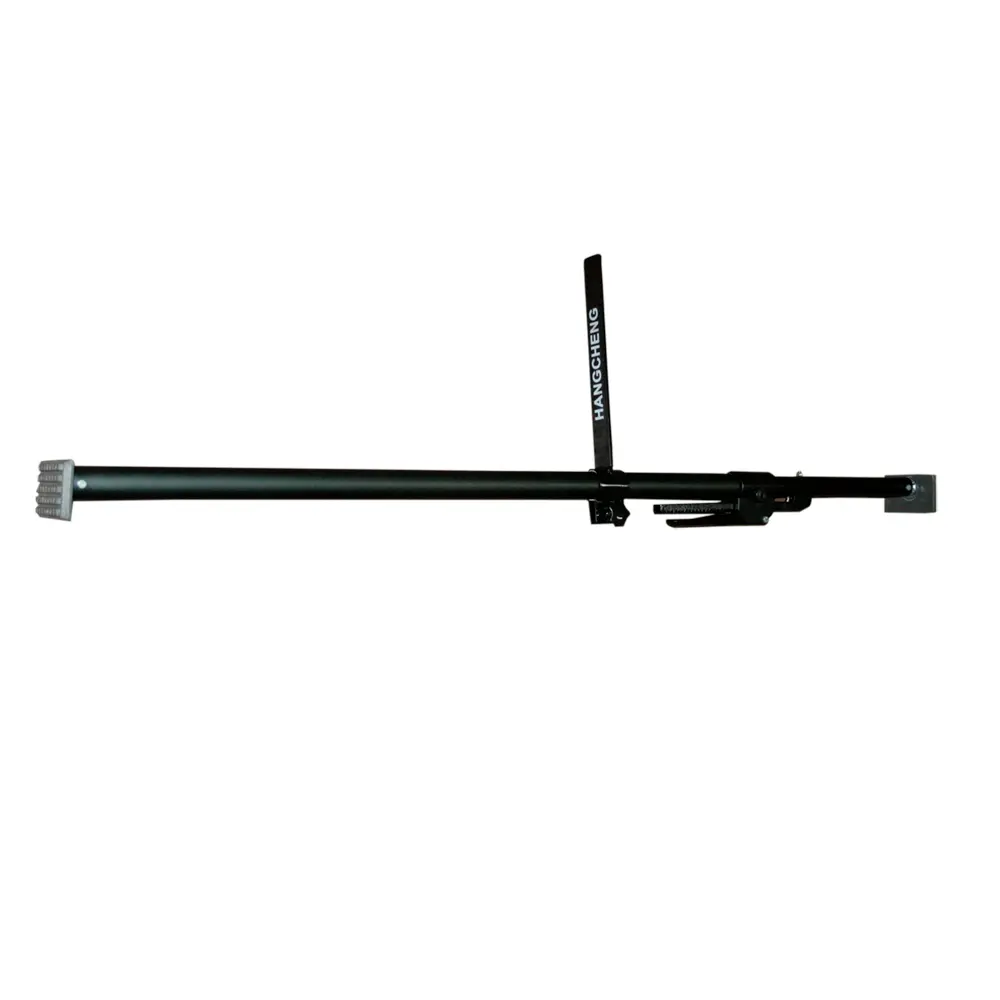
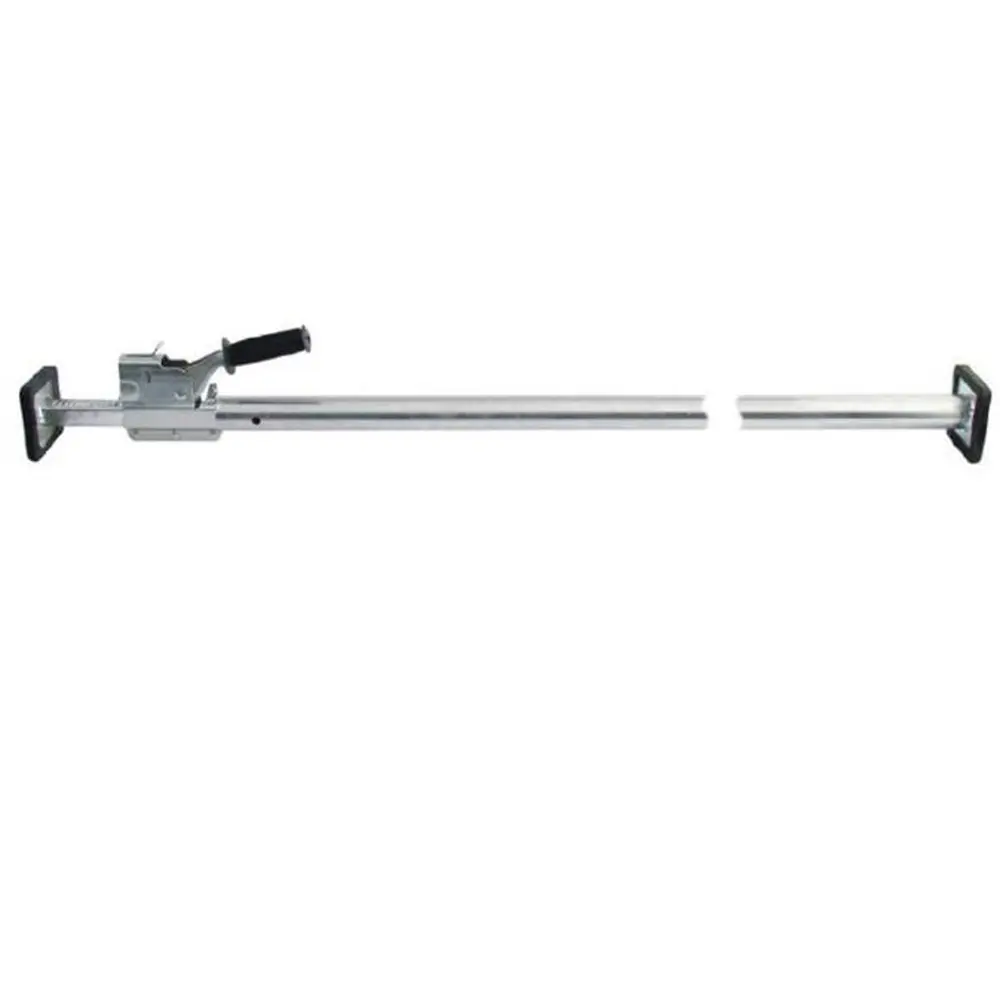
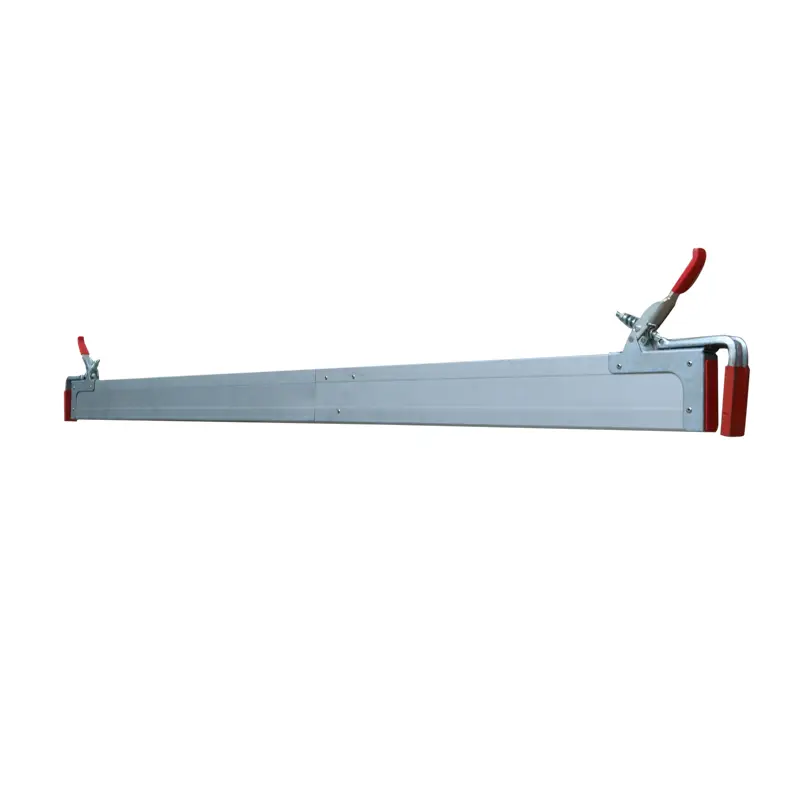
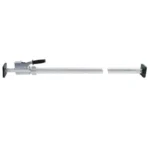
Ratcheting cargo bars are essential for preventing load shifts in trucks and trailers—but if used incorrectly, they can fail catastrophically, causing cargo spills, accidents, and DOT violations. Many truckers unknowingly make these critical mistakes, putting themselves and others at risk.
In this safety-focused guide, you’ll learn:
✔ 3 deadly cargo bar mistakes (and real-world consequences)
✔ Step-by-step fixes to avoid failures
✔ DOT compliance tips for legal hauling
✔ Best heavy-duty cargo bars that won’t fail
Mistake #1: Using the Wrong Weight Capacity
The Danger
-
Cargo bars have strict load limits (usually 1,000–2,500 lbs).
-
Exceeding capacity can cause:
-
Bent or snapped bars → Sudden cargo collapse
-
Trailer wall damage from excessive pressure
-
Real-World Example
A flatbed driver used a 1,500-lb bar to secure a 3,000-lb steel coil. After hitting a bump, the bar snapped, causing the coil to roll off the trailer.
How to Fix It
✅ Check the manufacturer’s rating (stamped on the bar)
✅ Use multiple bars for heavy loads (distribute weight)
✅ Upgrade to heavy-duty bars (e.g., 2,500+ lb capacity)
? Pro Tip: For loads over 3,000 lbs, combine cargo bars + ratchet straps for maximum security.
Mistake #2: Installing the Bar Vertically (As a Jack Stand)
The Danger
-
Cargo bars are designed for horizontal bracing only.
-
Using them vertically to support weight can lead to:
-
Catastrophic buckling (bars aren’t built for vertical loads)
-
Collapsed cargo (sudden failure risks injury)
-
Real-World Example
A mechanic used a cargo bar to prop up a truck bed during repairs. The bar bent under pressure, nearly crushing him.
How to Fix It
✅ Only use horizontally (between walls, stakes, or freight)
✅ For vertical support, use jack stands or fixed braces
✅ Educate your team on proper cargo bar usage
⚠️ Warning: Never substitute a cargo bar for a proper jack stand.
Mistake #3: Ignoring Wear & Damage
The Danger
-
Damaged cargo bars fail when you least expect it:
-
Cracked tension mechanisms (sudden release)
-
Worn rubber pads (causes slipping)
-
Bent metal rods (weakens structure)
-
Real-World Example
A driver reused an old, rusted cargo bar without inspection. The ratchet mechanism failed mid-transit, allowing a pallet to shift and block the trailer doors.
How to Fix It
✅ Inspect before every use:
-
Check for rust, bends, or cracks
-
Test the tension mechanism (should lock securely)
-
Replace worn rubber pads
✅ Retire damaged bars immediately
? Pro Tip: Stick to DOT-approved cargo bars (FMVSS 121 compliant) for guaranteed durability.
Bonus: Best Practices for Safe Cargo Bar Use
1. Proper Placement
-
Against trailer walls (prevents side shifts)
-
Behind pallets (blocks forward movement)
-
Between heavy items (steel coils, machinery)
2. Use With Straps for Heavy Loads
-
Cargo bars = Prevent side-to-side movement
-
Ratchet straps = Secure vertical/horizontal shifts
3. Follow DOT/FMVSS 121 Rules
-
Bars must be labeled with weight capacity
-
Never modify or weld bars (voids compliance)
Ratcheting Cargo Bar Selection Guide
| Factor | Light-Duty (500–1,500 lbs) | Heavy-Duty (1,500–3,000+ lbs) | Specialized Use |
|---|---|---|---|
| Material | Aluminum | Steel | Galvanized steel (rust-proof) |
| Length Range | 24″–48″ | 36″–96″ | Custom lengths (up to 120″) |
| Tension Type | Spring-loaded | Ratchet mechanism | Dual-lock (spring + ratchet) |
| End Pads | Basic rubber | Non-slip grit coating | Replaceable pads |
| Best For | Small cargo, vans | Flatbeds, heavy machinery | Hazardous environments |
| DOT Compliance | Optional | FMVSS 121 certified | Military/OSHA specs |
Final Safety Checklist
Before using a cargo bar:
✔ Verify weight rating
✔ Inspect for damage
✔ Install horizontally only
✔ Combine with straps for heavy loads
? Need durable and affordable ratcheting cargo bars? Contact us to learn more! Accept customized services, and bulk order discounts available!
Related Products