When securing cargo in trailers or trucks, E track and F track are two of the most popular anchoring systems. But what’s the difference between them, and which one is right for your needs?
In this guide, we’ll break down:
✔ Key structural differences (design, mounting, strength)
✔ Best applications (flatbeds, vans, logistics)
✔ Compatibility with tie-down straps & accessories
✔ How to choose the right track system for your truck
What Are E-Track and F-Track?
Both E-track and F-track are load-securement systems used in trucking and logistics to anchor cargo with straps, chains, or hooks.
| Feature | E-Track | F-Track |
|---|---|---|
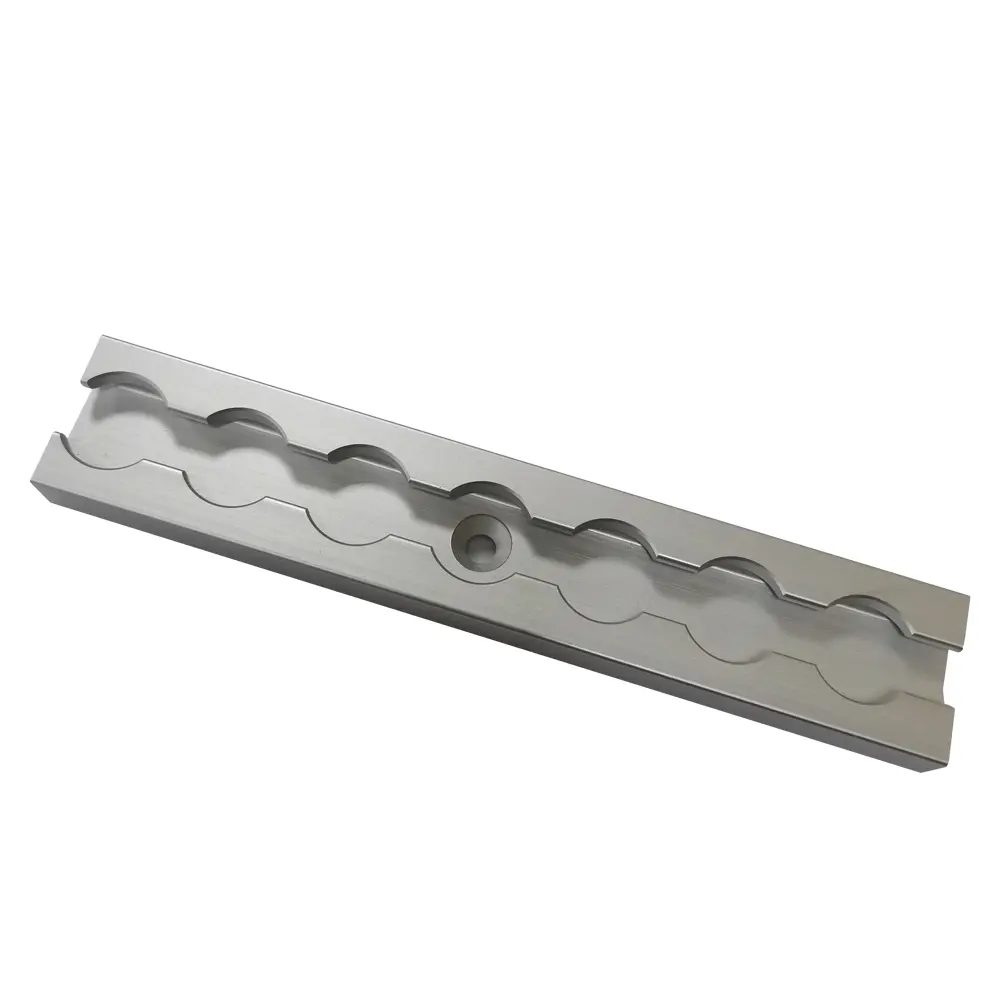
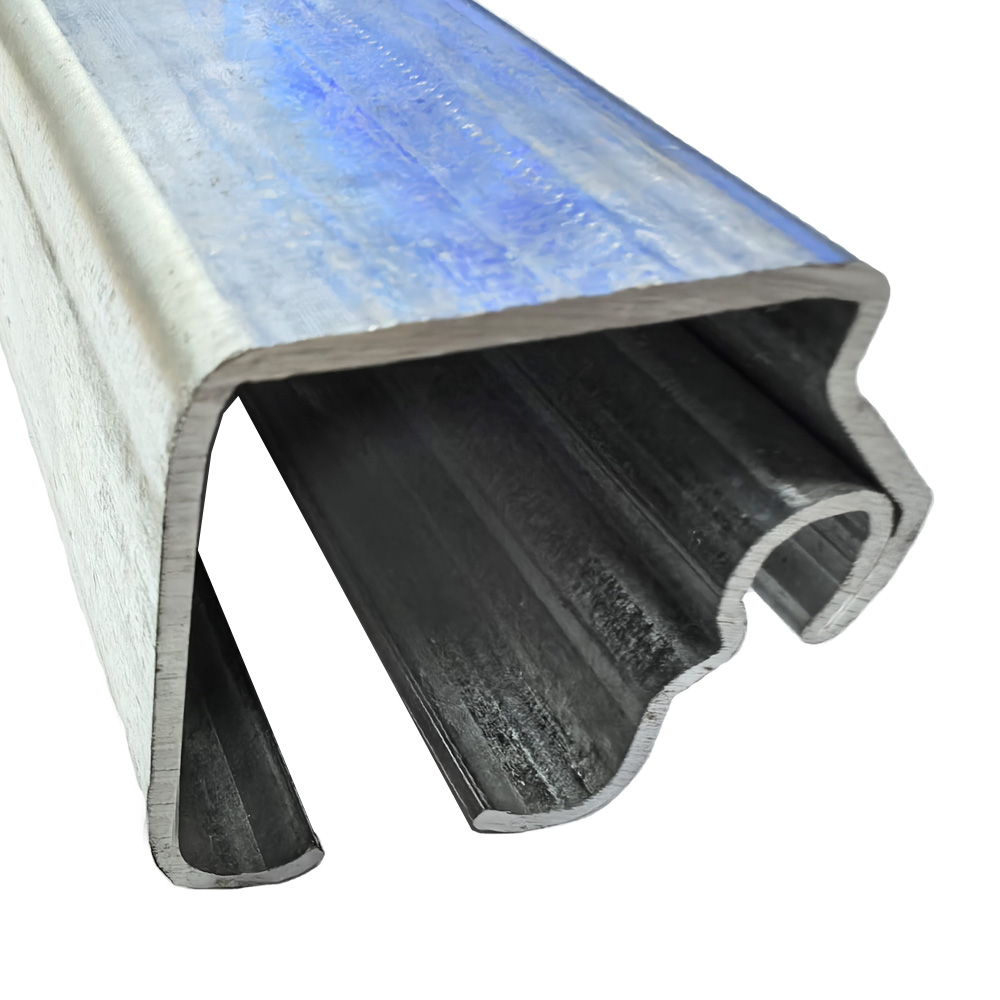
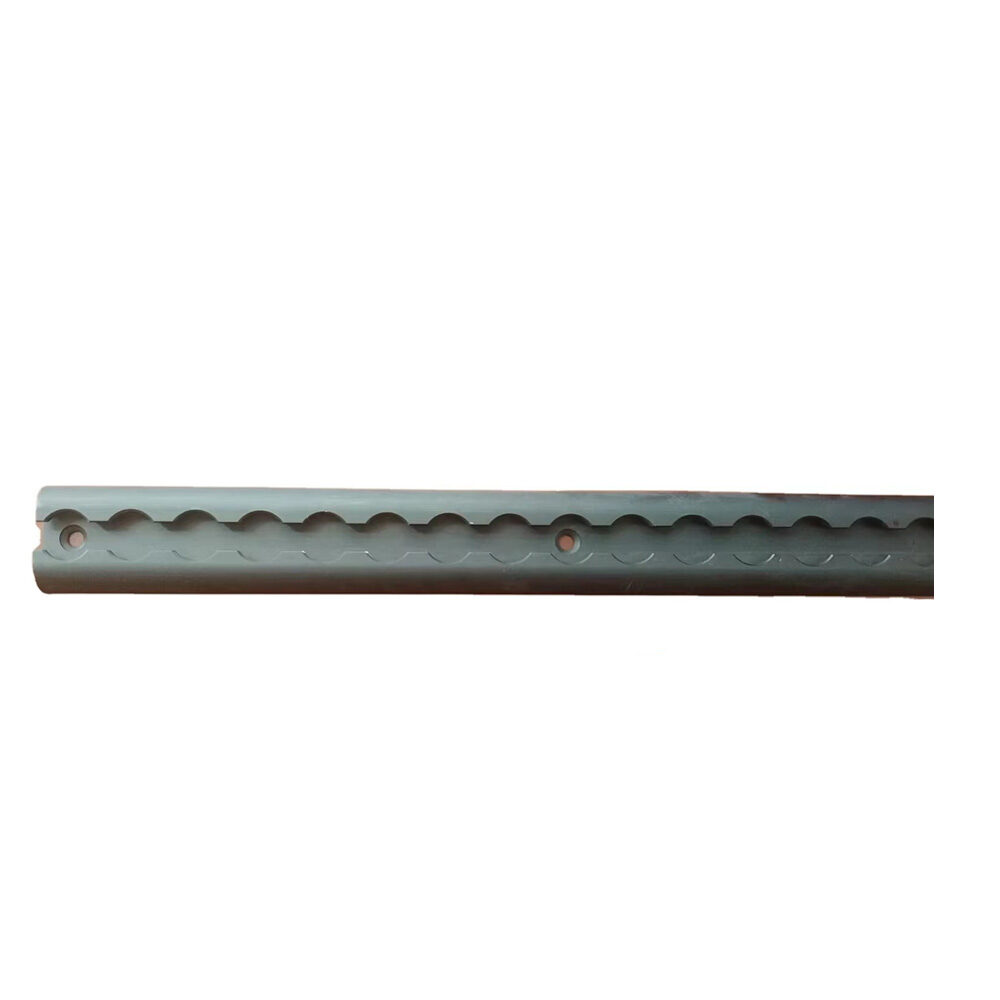
| Shape | “E” profile (open center) | “F” profile (closed center) |
| Mounting | Vertical or horizontal | Mostly horizontal |
| Strength | 5,000-10,000 lbs per anchor | 3,000-6,000 lbs per anchor |
| Common Uses | Trailers, box trucks | Flatbeds, container trucks |
Key Differences Between E-Track and F-Track
1. Design & Installation
-
E-Track:
-
Open-center slots allow for 360-degree strap adjustment.
-
Can be mounted vertically (on walls) or horizontally (on floors).
-
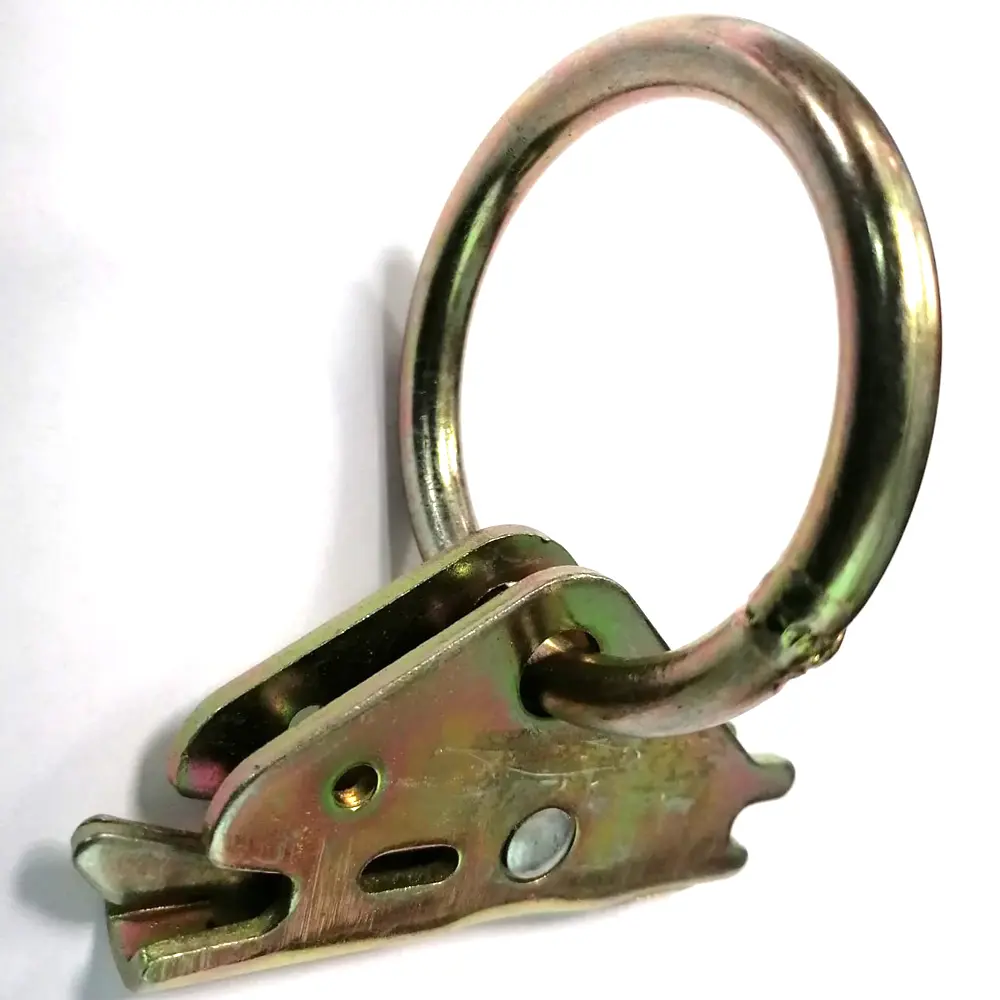
Requires E-track fittings (rings, loops, or winches).
-
-
F-Track:
-
Closed-center slots provide more stability for heavy-duty loads.
-
Typically installed horizontally on flatbeds.
-
Uses F-track stud fittings (no sliding adjustment).
-
✅ Best for Adjustability: E-Track
✅ Best for Heavy Static Loads: F-Track
2. Strength & Load Capacity
| Track Type | Max Load Capacity | Best For |
|---|---|---|
| E-Track | 5,000–10,000 lbs per anchor | Light-to-medium cargo (boxes, furniture) |
| F-Track | 3,000–6,000 lbs per anchor | Heavy machinery, steel coils, construction materials |
? Note: E-track is stronger per anchor point, but F-track provides better stability for fixed loads.
3. E Track System Vs F Track Accessories
-
E-Track Works With:
-
Adjustable rings, winches, snap hooks
-
Can be used with ratchet straps, bungee cords, and chains
-
-
F-Track Works With:
-
Fixed stud fittings (no sliding)
-
Best for chains and heavy-duty tie-downs
-
? Pro Tip: E-track is more versatile, while F-track is better for specialized heavy loads.
Which One Should You Choose? (E-Track vs. F-Track)
✅ Choose E-Track If You Need:
✔ Flexible cargo arrangements (frequent load changes)
✔ Wall or floor mounting (box trucks, trailers)
✔ Lighter to medium-duty cargo (e.g., appliances, pallets)
✅ Choose F-Track If You Need:
✔ Heavy-duty, fixed-position loads (steel, machinery)
✔ Flatbed or container truck use
✔ Minimal strap movement (prevents shifting)
✅ Hybrid Solutions (When to Use Both)
Some advanced setups combine both systems:
✔ Walls: E-track for flexible strap positioning
✔ Floor: F-track for permanent chain anchors
✔ Ceiling: E-track for hanging nets/partitions
FAQs About E Track and F Track
Q: Can E-track and F-track be used together?
A: Yes, but they require different fittings. Some trucks use E-track on walls and F-track on floors for mixed cargo.
Q: Which is more expensive?
A: F-track is usually cheaper, but E-track offers more versatility.
Q: Can I install E-track or F-track myself?
A: Yes, but proper drilling and reinforcement are needed for heavy loads.
Q: Which is easier to install?
A: F-track (fewer moving parts), but both require proper drilling & reinforcement.
Final Verdict: E-Track vs. F-Track
| Factor | E-Track Wins | F-Track Wins |
|---|---|---|
| Adjustability | ✅ Yes | ❌ No |
| Heavy Loads | ❌ No | ✅ Yes |
| Installation Flexibility | ✅ Vertical/Horizontal | ❌ Mostly Horizontal |
| Cost | ❌ More expensive | ✅ More affordable |
Best All-Around: E-Track (for most cargo needs)
Best for Heavy Loads: F-Track (construction, machinery)
Conclusion
For versatile cargo securement, E-Track’s adjustable design suits most trucking needs, while F-Track excels in heavy-duty applications. Consider your typical load type, weight requirements, and frequency of changes when choosing. Many fleets benefit from combining both systems – E-Track for flexibility and F-Track for maximum strength. The right choice ensures safer transport, DOT compliance, and long-term cost savings. By understanding these differences, you can choose the right track system for safer, more efficient cargo transport.
? Need E-track or F-track parts? Check our selection of trucks and trailers cargo control systems.
Related Products