Shipping container twist locks are an essential part of the global shipping industry. They play a crucial role in securing containers to ships, trucks, and trains, ensuring the safe transportation of goods across the world. In this essay, we will explore the definition, components, mechanisms, advantages, and disadvantages of using shipping container twist locks.
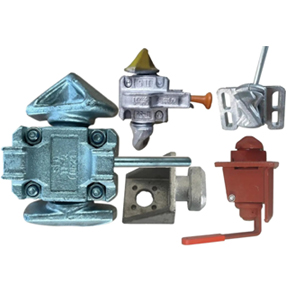
Shipping container twist locks are mechanical devices used to secure shipping containers to each other or to a transport vehicle. They consist of a locking mechanism that connects the corner castings of two adjacent containers, holding them securely in place. Twist locks are designed to withstand the forces of transportation, including heavy seas, high winds, and rough roads. There are two primary types of twist locks: manual and automatic. Manual twist locks require manual intervention to operate, while automatic twist locks are activated by the weight of the container. Automatic twist locks are commonly used in container yards and on container ships, while manual twist locks are used in intermodal transport, such as truck and rail.
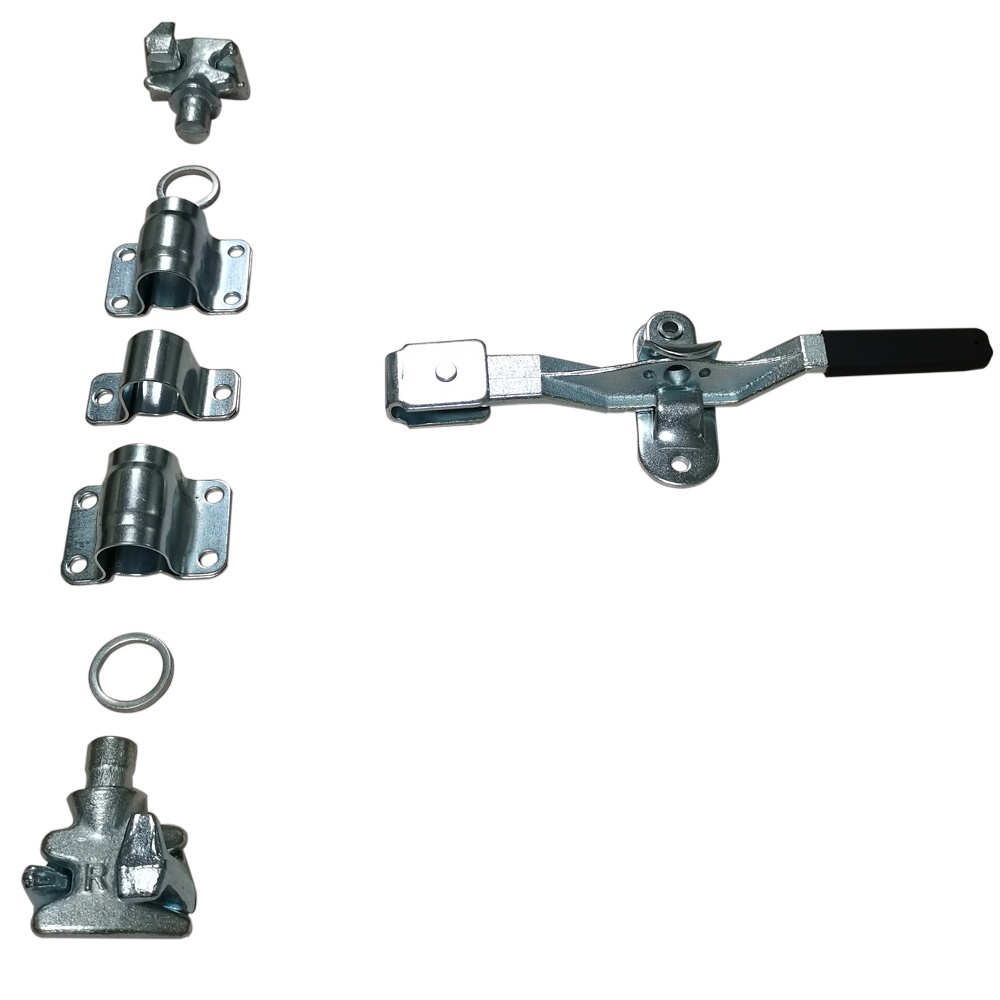
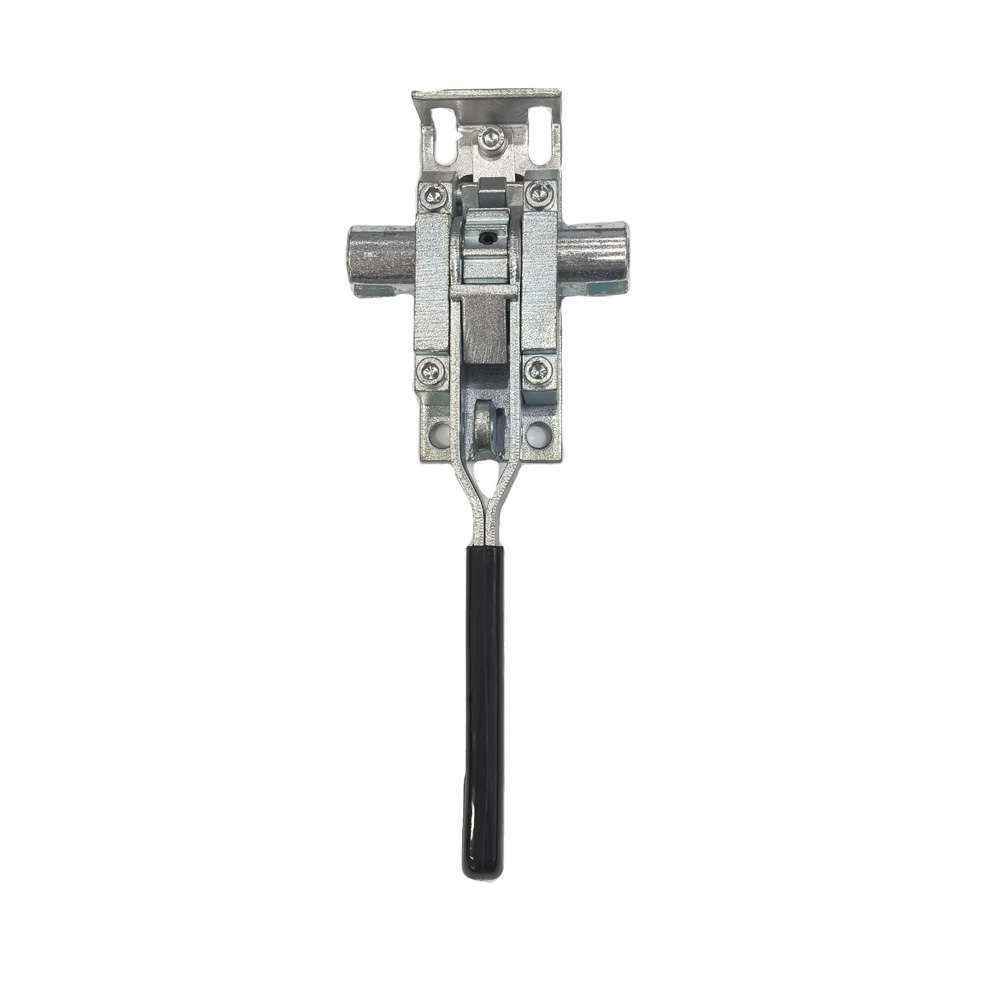
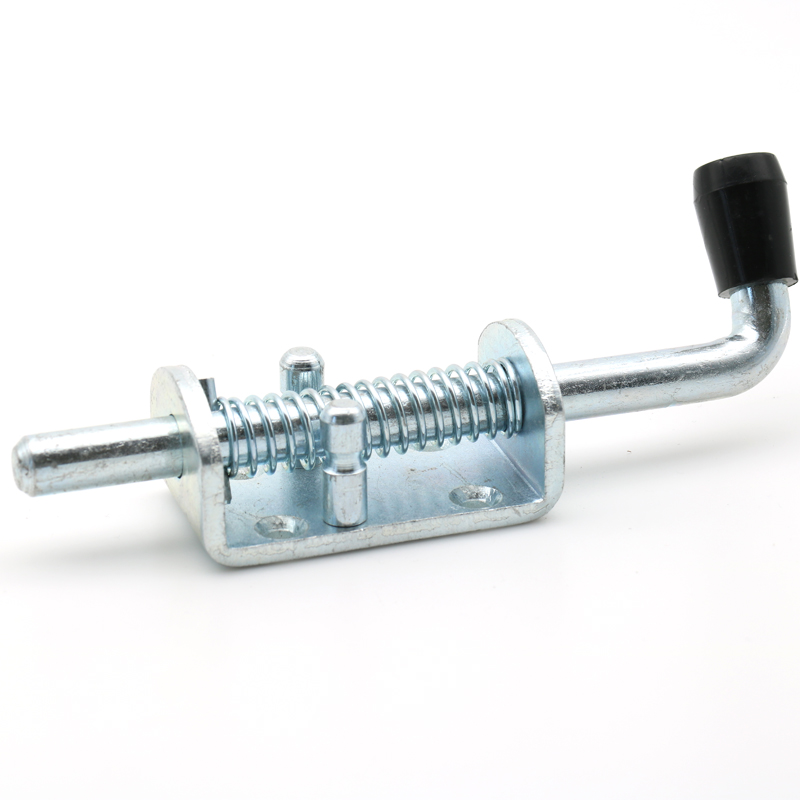
Shipping container twist locks consist of several components, including the locking mechanism, the handle, the spindle, and the spring. The locking mechanism is the heart of the twist lock, providing the primary means of securing the container. The handle is used to activate the locking mechanism, while the spindle connects the handle to the locking mechanism. The spring ensures that the locking mechanism remains in place once engaged. Twist locks work by engaging with the corner castings of adjacent containers, locking them together. The locking mechanism is activated by turning the handle, which rotates the spindle and engages the locking mechanism. Safety features, such as a locking pin, are often included to prevent accidental release of the twist lock.
Twist locks offer several advantages over other container securing systems. They are quick and easy to use, allowing for fast loading and unloading of containers. Twist locks also provide a high level of security, preventing containers from shifting during transport. However, twist locks have some disadvantages. They require regular maintenance to ensure they remain in good working order, and they can be expensive to replace if damaged. Additionally, twist locks are not suitable for all types of cargo, and other securing systems, such as lashing or welding, may be more appropriate. In conclusion, while twist locks are an essential component of the shipping industry, they are not without their limitations. It is important to weigh the advantages and disadvantages of twist locks when considering container securing options.
Shipping container twist locks are an integral part of the global shipping industry, providing a secure and efficient means of transporting goods across the world. By understanding the definition, components, mechanisms, advantages, and disadvantages of twist locks, we can appreciate the significance of this essential component of the shipping industry. While twist locks have their limitations, they remain a vital part of container transport, ensuring the safe and efficient delivery of goods across the globe.
Various container twist locks exist. Which is best? Read more.
Related Products