Introduction: A Tiny Component with Lethal Consequences
Every year, container twist locks fail—and when they do, the consequences are often catastrophic. In 2020 alone, a large container vessel encountered severe weather near Kyushu, Japan, where improperly secured containers resulted in 36 units falling into the sea and 21 collapsing on deck . On land, the risks are equally grave: in 2010, a stevedore was crushed between two containers at Port Botany, Australia, and died instantly when a twist lock foundation unexpectedly failed during a repositioning operation .
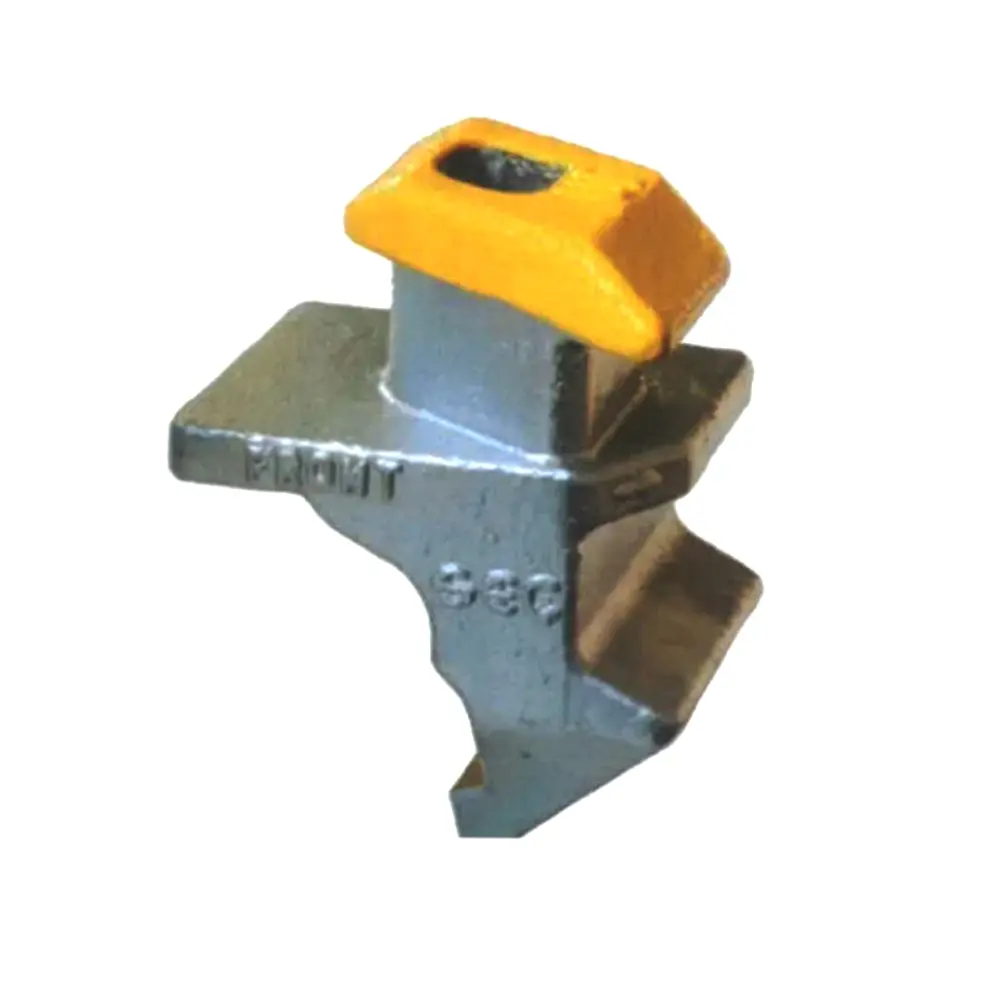
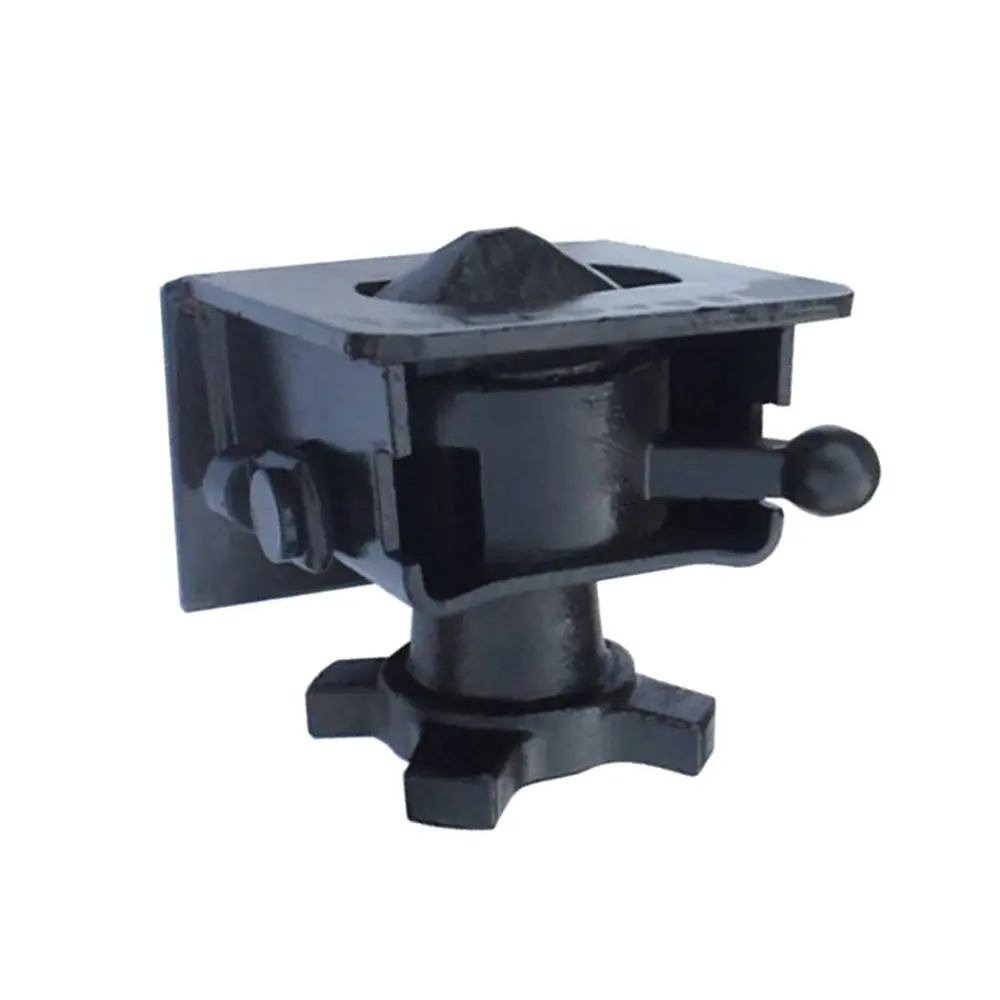
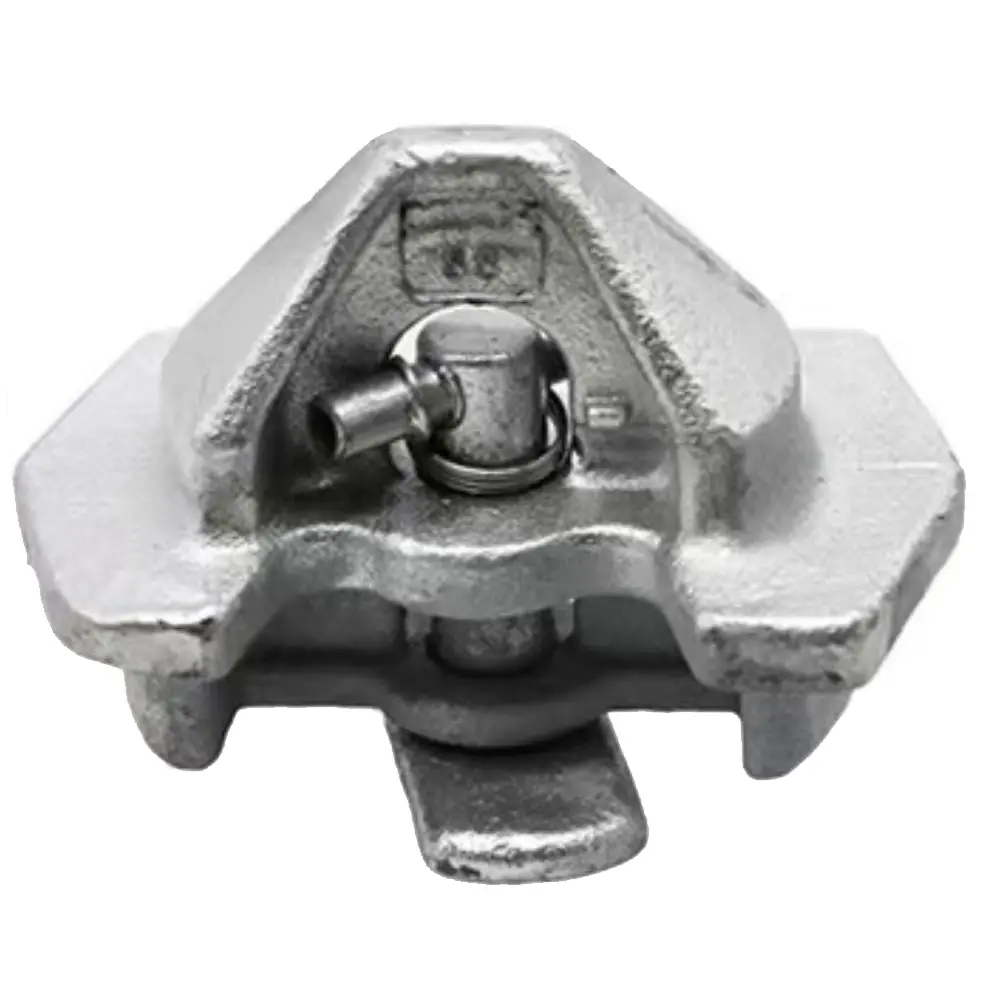
A twist lock might look like a simple steel connector, but it’s the core component that keeps containers stable during maritime transport, rail haulage, and chassis operations . When they fail, containers shift, collapse, or fall overboard—endangering cargo, vessels, and the lives of personnel working nearby.
This guide covers five critical signs that your container twist lock is unsafe, so you can identify and replace defective units before they cause a disaster.
Why Twist Locks Fail: The Hidden Risks
Twist locks are subjected to enormous forces during container stacking, lifting, and transport. On large container ships, stacks can reach 6 layers or higher, with each twist lock bearing tremendous weight . Strong waves or sharp turns can cause:
-
Container collapse and cargo damage
-
Structural damage to the vessel
-
Loss of ship stability—and even capsizing
On land, the risks are just as serious. In 2015, near Bowser, Victoria, two containers fell from a freight train. Investigators found that the twist locks were in such poor condition they rendered the securing devices completely ineffective . The train crew never knew the containers had fallen—they were discovered missing only after the train reached its destination .
The root causes of twist lock failure fall into two categories: mechanical defects and human factors. Common mechanical issues include corrosion, seized cams, bent bodies, and worn locking mechanisms that prevent full engagement even when the lock “feels” set . Human factors include out-of-sequence lashing, premature release, misdeclared cargo weights, and operator fatigue .
Below are five signs to check before every use.
Sign 1: Visible Damage to the Emergency Release Mechanism
What to Look For
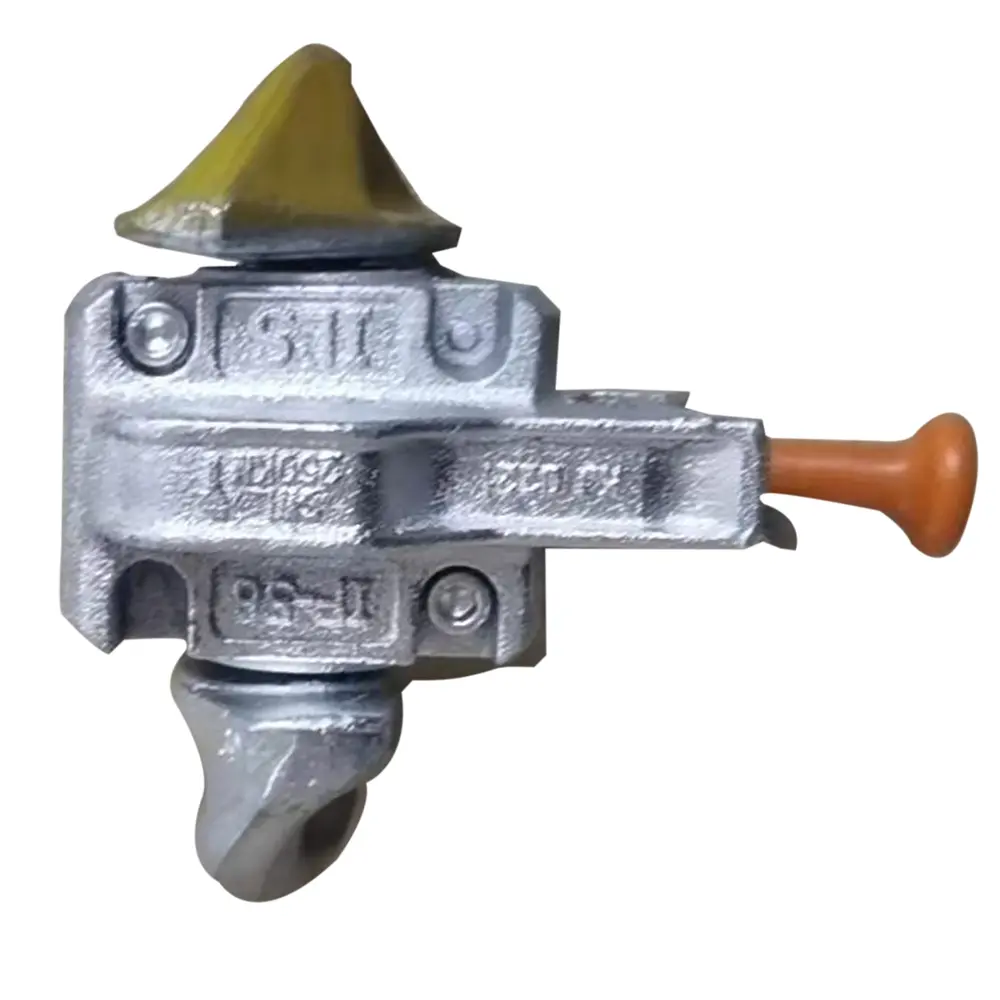
The emergency release pin is a critical safety feature on automatic and semi-automatic twist locks. It allows operators to manually release a stuck lock—but when it’s damaged or exposed, the twist lock becomes unreliable.
In the Bowser rail incident, specialist inspection found that 2 Gavan and 1 first-generation Celtec TFA twist lock had broken emergency release pins. The report noted: “The twist locks should not have been in use as they were not activated or could not be activated” .
Why It Matters
A broken emergency release pin often indicates impact damage or misuse. If the pin is exposed, the lock may have been struck during loading or discharge operations. More importantly, a damaged release mechanism means the operator cannot manually reset or unlock the device—leaving containers stuck on deck or chassis.
What to Do
-
Inspect the emergency release pin for cracks, bends, or excessive wear
-
Check that the pin sits flush and is not protruding
-
If the release pin is broken or exposed, quarantine the twist lock immediately
Sign 2: Failure to Lock or Unlock Properly
What to Look For
A twist lock that won’t fully turn to the locked position—or won’t release—is a danger. In the Bowser incident, specialist inspectors found that “All but one twist lock was in open position when collected” and that multiple locks “could not be activated” .
On semi-automatic locks, the spring-loaded mechanism should engage automatically when the container is seated. If it doesn’t, the lock may be:
-
Misaligned
-
Damaged internally
-
Filled with dirt or corrosion
Why It Matters
A partially engaged twist lock is perhaps the most dangerous failure mode. The lock may feel secure but fail under load. According to safety reports: “A twistlock that doesn’t fully turn is a dropped-container risk on every lift” . The lift-interrupt interlock system exists precisely because a partially turned twist lock looks fine until the container is in the air .
What to Do
-
Manually test each lock by rotating it fully to the locked and unlocked positions
-
Listen for grinding or binding sounds—signs of internal damage
-
If the lock does not rotate smoothly and fully, replace it
Sign 3: Visible Corrosion, Rust, or Bent Components
What to Look For
Twist locks are exposed to saltwater, chemicals, and extreme weather. Corrosion can seize the locking mechanism or weaken the structural integrity of the housing and lock head.
Look for:
-
Rust or pitting on the lock head, housing, or shaft
-
Bent or distorted bodies—often caused by impact during handling
-
Excessive wear on threads (more than 1.00mm wear is a suggested warning threshold)
-
Cracks or deformation in the housing or lock head
Why It Matters
Corroded or bent twist locks cannot achieve full engagement. Even if the lock rotates, corrosion can cause it to bind under load, preventing release during discharge operations. The London P&I Club has warned that “gear bins” used to store twist locks on vessels are often found to be in an unsafe condition because of corrosion or physical damage .
What to Do
-
Inspect each lock thoroughly for rust, cracks, and bends
-
Pay special attention to the lock head and the shaft where wear is most common
-
If corrosion has penetrated the housing or the lock head is bent, remove from service
Sign 4: Mismatched or “Rogue” Twist Locks in the Same Stack
What to Look For
When different types of twist locks (manual, semi-automatic, automatic) or locks from different manufacturers are mixed in the same container stack, problems arise. Safety guidance warns that “rogue twistlocks of a different design operating in a different manner” can cause jamming and lock failures .
Why It Matters
If a twist lock that operates in the opposite direction is unknowingly included in the stack, it may remain locked when it should release—or unlock when it should stay locked. This is especially dangerous during discharge operations. “Such twistlocks may have been inadvertently used during loading at another terminal, particularly if a cage used to take twistlocks up onto containers carried an assortment of twistlocks” .
What to Do
-
Ensure all twist locks in a stack are of the same type and orientation
-
Visually confirm that each lock is set to the correct locked/unlocked position before lifting
-
Separate and quarantine mixed or untraceable locks
Sign 5: The Lock Is Old, Worn, or Has Exceeded Its Service Life
What to Look For
Twist locks are not designed to last forever. Over time, springs wear out, mechanisms bind, and structural fatigue sets in.
Inspect for:
-
Worn corner pocket engagement—the lock head no longer fits snugly in the corner casting
-
Loose mechanisms—the lock feels sloppy when rotated
-
Missing visual safety indicators—many locks have indicators showing locked or unlocked status. If these are broken or missing, the lock cannot be trusted
-
Poor condition of the lock’s housing—the housing should not be cracked, deformed, or have loose components
Why It Matters
In the Bowser incident, the post-incident specialist report concluded: “The generally poor condition of the twist locks, including serviceability, was not detected particularly during the pre-loading, or post loading inspections” . Defective locks that should have been quarantined remained in service—until they failed.
What to Do
-
Maintain an inventory and service record for all twist locks
-
Replace locks after a defined service period or when wear indicators show
-
Ensure twist locks are stored and maintained according to manufacturer specifications
Corner Fittings: The Hidden Failure Point
It’s important to note that a properly functioning twist lock can still fail if the container’s corner fittings are damaged or deformed. “Correctly functioning twistlocks may still fall out if the corner pockets on the container itself have become sufficiently damaged or deformed” .
The International Convention for Safe Containers (CSC) code specifies critical dimensions for corner fittings. Full engagement is precluded if:
-
Deformation exceeds 5mm from the original plane
-
Aperture width exceeds 66mm
-
Aperture length exceeds 127mm
-
Reduction in plate thickness is less than 23mm
Container corner fitting integrity is as important as the twist lock itself. When a twist lock fails to seat properly in a worn corner pocket, the lock can drop out during lifting—a falling twist lock can ricochet and travel a considerable horizontal distance, striking workers who are not directly under the load .
The HangCheng Advantage
At HangCheng, we understand that container twist locks are not just components—they are life-critical safety devices. We offer a full range of manually operated, semi-automatic, and fully automatic twist locks, manufactured to ISO 1161 standards with robust materials and hot-dip galvanized finishes for maximum corrosion resistance.
Our twist locks are engineered to withstand the extreme loads of container shipping, rail transport, and chassis operations. Need a specific type, orientation, or safety feature? We deliver. Our full-cycle design-to-manufacturing capability ensures consistent quality, reliable performance, and competitive pricing.
Explore our complete container twist lock lineup at HangCheng Parts—engineered for safety, built to last.
Need help identifying the right twist lock for your operation? Contact us for a free consultation—we’ll help you find the perfect fit.
Related Products