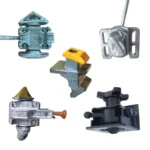
Introduction: The Small Latch That Decides Safety and Uptime
Every dropside panel, tailgate, and access door on a truck or trailer relies on a simple mechanism to stay closed: the latch. Choose the wrong one, and you get rattling panels, doors that pop open on rough roads, failed inspections, or cargo loss. Choose the right one, and you get years of reliable, hassle-free operation.
Two of the most common latching solutions are the spring bolt and the barrel bolt. They look similar at a glance—both are sliding bolts—but they work in fundamentally different ways and serve very different applications. Using the wrong type for your specific use case can lead to premature failure, safety risks, and unnecessary maintenance costs.
In this guide, we break down exactly how each latch works, compare them across the factors that matter most to fleet operators and maintenance teams, and help you decide which one is right for your trucks and trailers.
What Is a Spring Bolt?
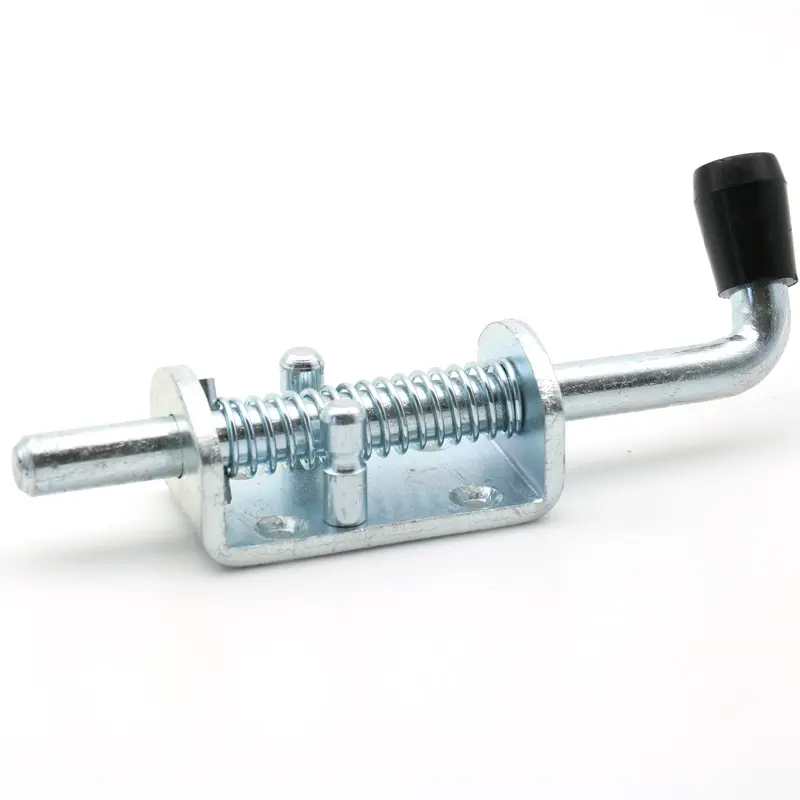
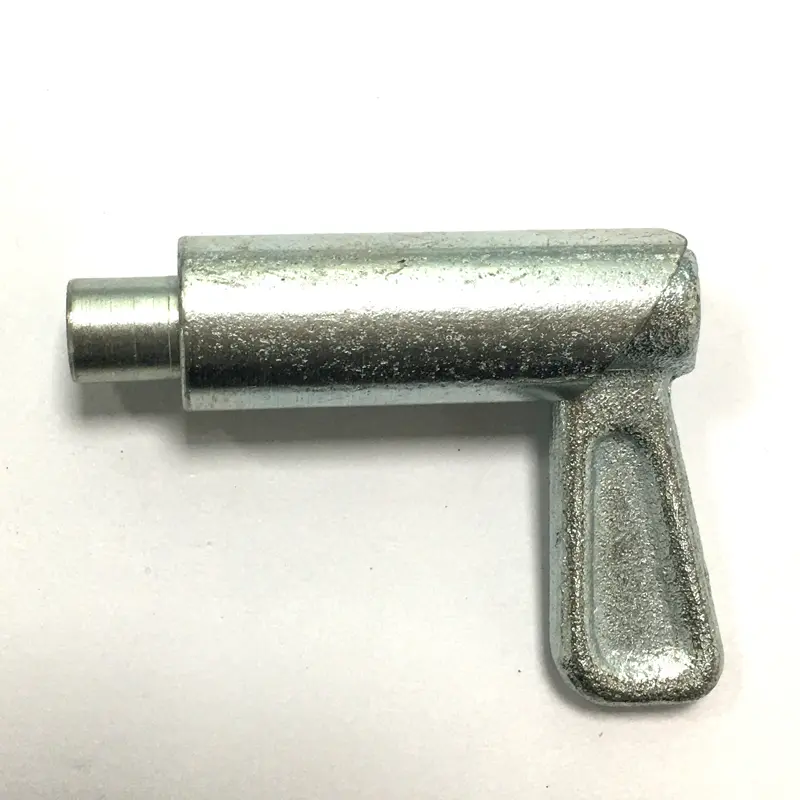
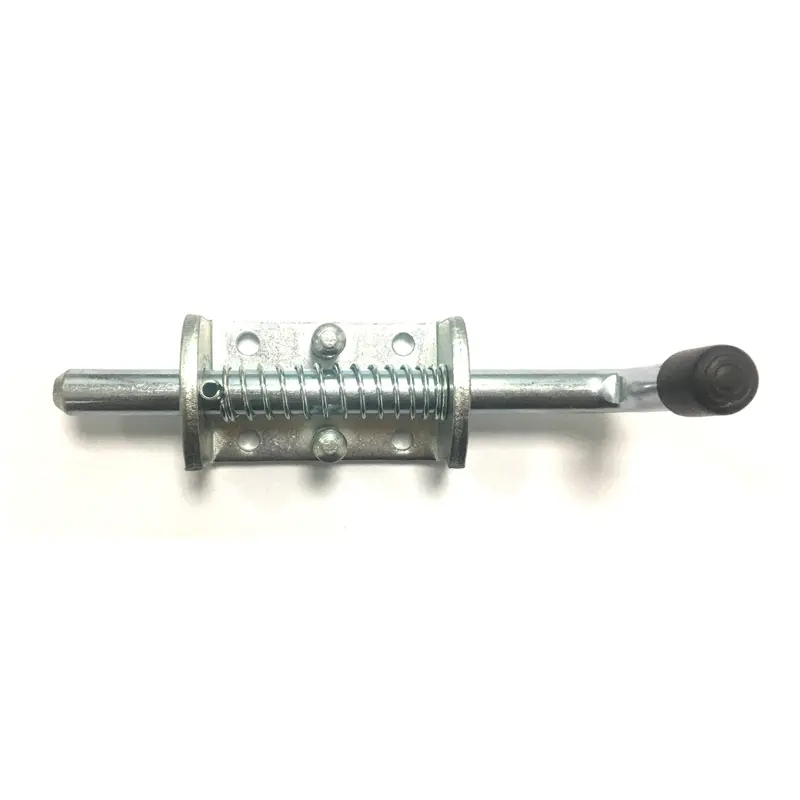
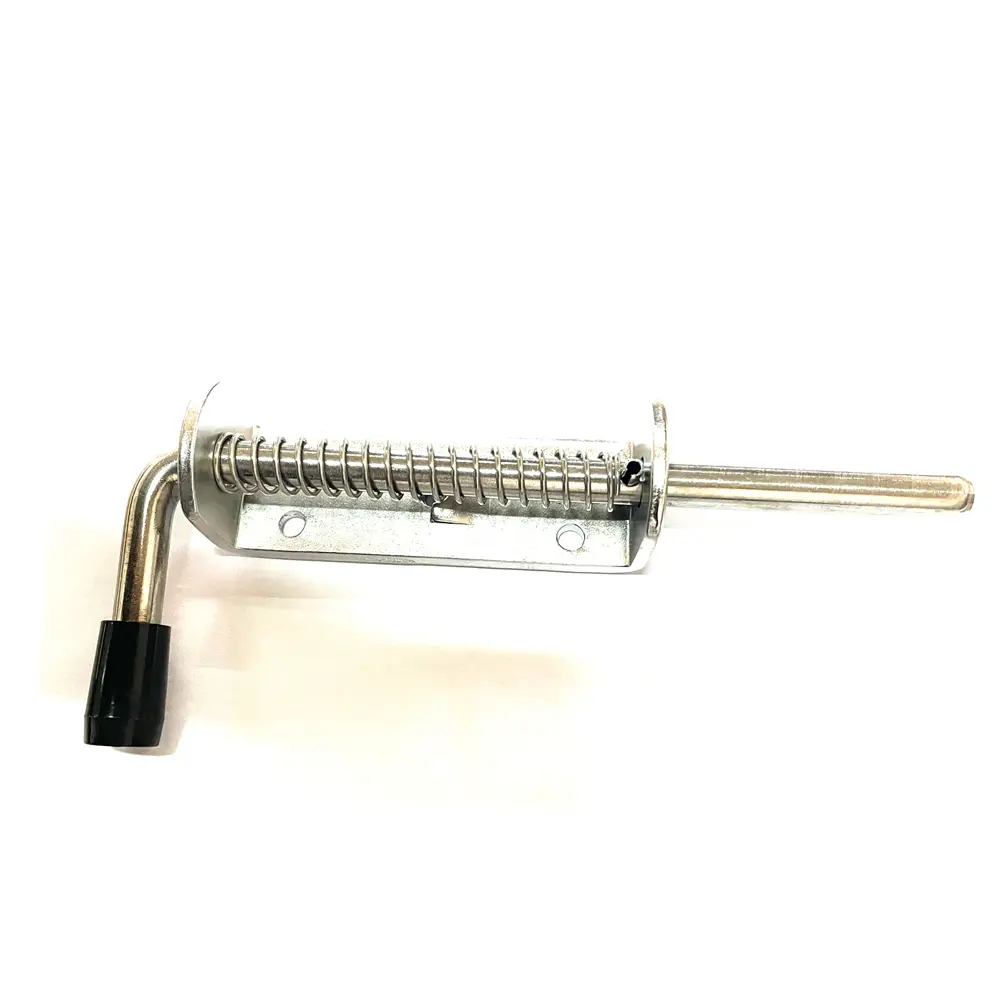
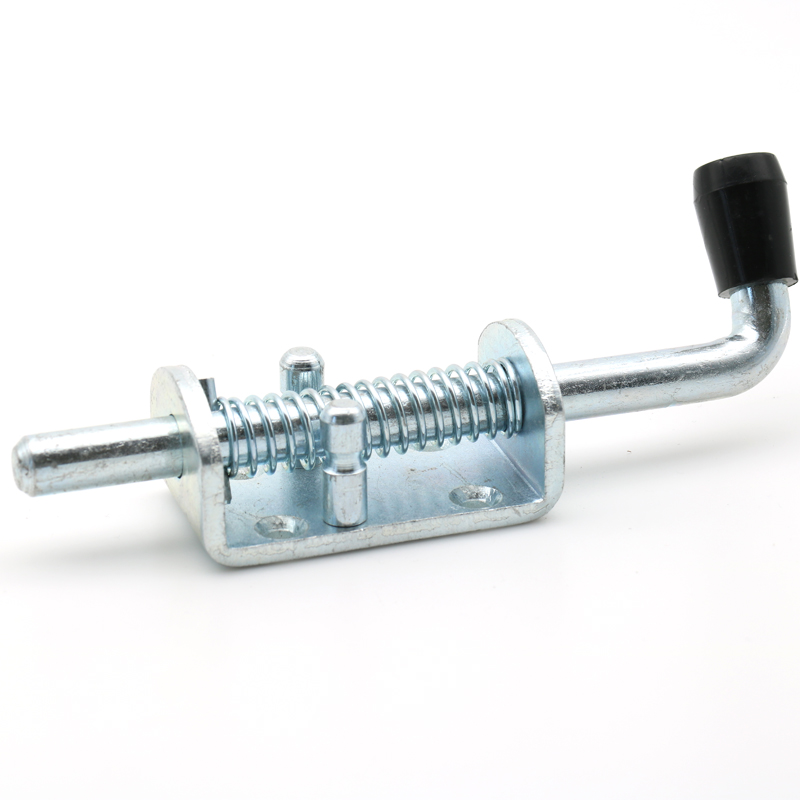
A spring bolt—also called a spring loaded shoot bolt or spring bolt latch—is a fastening mechanism that uses an internal spring to automatically extend the bolt into its locked position. When you pull the bolt back, the spring compresses. When you release it, the spring pushes the bolt outward, engaging with the keeper or strike plate.
How It Works
The mechanism is straightforward but highly effective:
-
The bolt slides within a housing or barrel
-
A coil spring sits behind the bolt
-
When retracted, the spring stores energy
-
When released, the spring drives the bolt forward into the locked position
This self-latching action is the defining feature of a spring bolt. It means the latch engages automatically, without requiring the operator to manually push the bolt into place.
Key Characteristics
-
Self-latching: Automatically locks when released
-
One-handed operation: Can be operated with a single hand
-
Vibration-resistant: Spring tension holds the bolt securely in place
-
Available in multiple materials: Zinc-plated steel, polished stainless steel 304
-
Multiple sizes: Common diameters include 12mm; lengths range from 160mm to 225mm
Common Applications
-
Dropside panels on tipper trucks and trailers
-
Tailgates and tailboards
-
Access doors on commercial vehicles
-
Industrial gates and enclosures
-
Agricultural equipment panels
What Is a Barrel Bolt?
A barrel bolt is a traditional sliding bolt that must be manually pushed into position to lock. It does not have a spring mechanism. The bolt slides freely within its housing and stays in place through friction or gravity, depending on the orientation.
How It Works
The barrel bolt consists of:
-
A cylindrical bolt that slides through a housing
-
A knob or handle for manual operation
-
A keeper or strike plate that receives the bolt
To lock, the user physically pushes the bolt into the keeper. To unlock, the user pulls it back. There is no automatic engagement.
Key Characteristics
-
Manual operation: Requires the user to push or pull the bolt
-
Two-handed operation: Often needs one hand to hold the door and another to operate the bolt
-
Not vibration-resistant: The bolt can slide open under vibration unless secured
-
Simple construction: Fewer moving parts, but no self-locking feature
-
Common materials: Zinc-plated steel, stainless steel
Common Applications
-
Shed and barn doors
-
Cabinet doors
-
Internal doors in buildings
-
Static applications where vibration is not a concern
Head-to-Head Comparison: 6 Critical Factors
① Operation and Convenience
Spring Bolt: The self-latching design makes operation fast and easy. The operator pulls the bolt back, releases it, and the spring does the rest. One-handed operation is possible, which is a significant advantage when working on a truck or trailer where the other hand may be holding a panel or tool.
Barrel Bolt: Requires manual pushing and pulling. The operator must physically slide the bolt into the keeper. This typically requires two hands—one to position the door and one to operate the bolt. In tight spaces or awkward positions, this can be frustrating and time-consuming.
Verdict: Spring bolts win clearly for convenience and speed of operation.
② Security and Vibration Resistance
Spring Bolt: The internal spring maintains constant pressure on the bolt, keeping it firmly engaged with the keeper. This makes spring bolts highly resistant to vibration—critical for trucks, trailers, and any mobile equipment. Even on rough roads, the bolt stays locked.
Barrel Bolt: Without a spring, the bolt relies on friction or gravity to stay in place. Under vibration—common in vehicles—the bolt can gradually slide out of the keeper, causing the door to open unexpectedly. This is a significant safety risk for mobile applications.
Verdict: Spring bolts provide superior security and vibration resistance for mobile equipment.
③ Material and Durability
Spring Bolt: Available in zinc-plated steel for good corrosion resistance at an economical price, or polished stainless steel 304 for maximum corrosion resistance in harsh environments such as refrigerated trucks, marine applications, and coastal operations. The spring mechanism is typically made from stainless steel for reliable performance.
Barrel Bolt: Also available in zinc-plated steel and stainless steel. However, the lack of a spring means fewer internal components to wear out. The bolt itself may wear faster in high-vibration applications due to constant movement.
Verdict: Both materials are available for both latch types. Spring bolts add a spring mechanism, which is a wear point—but high-quality springs are designed for long service life.
④ Size and Load Capacity
Spring Bolt: Common specifications include:
-
Diameter: 12mm (standard)
-
Lengths: 160mm, 225mm, and custom sizes
-
Width: 40mm (typical)
-
Center height: 18mm to 20mm
Spring bolts are designed for medium to heavy-duty applications on trucks and trailers.
Barrel Bolt: Available in a wide range of sizes, from small cabinet bolts to large gate bolts. However, barrel bolts are generally not rated for the same load capacity as spring bolts in mobile applications.
Verdict: Spring bolts are purpose-built for the demands of truck and trailer applications.
⑤ Installation and Maintenance
Spring Bolt: Installation typically involves welding or bolting the housing to the door or frame. The spring mechanism requires occasional lubrication to ensure smooth operation, but is otherwise low-maintenance. Replacement is straightforward—the bolt assembly can be removed and replaced without special tools.
Barrel Bolt: Simple to install with screws or bolts. Maintenance is minimal—occasional lubrication of the sliding bolt. However, in mobile applications, barrel bolts may require more frequent adjustment or replacement due to vibration-related wear.
Verdict: Both are relatively easy to install. Spring bolts require slightly more attention to lubrication but offer better long-term reliability in mobile use.
⑥ Cost and Value
Spring Bolt: Higher upfront cost than a basic barrel bolt due to the additional spring mechanism. However, the self-latching design reduces the risk of door failure, cargo loss, and safety incidents—making the total cost of ownership lower over time.
Barrel Bolt: Lower upfront cost, but not suitable for high-vibration applications. Using a barrel bolt on a truck or trailer may lead to premature failure and the need for replacement, offsetting the initial savings.
Verdict: Spring bolts offer better long-term value for truck and trailer applications.
Quick Comparison Table
| Feature | Spring Bolt | Barrel Bolt |
|---|---|---|
| Operation | Self-latching, one-handed | Manual, two-handed |
| Vibration Resistance | Excellent | Poor |
| Security | High | Moderate |
| Materials | Zinc-plated steel, stainless steel 304 | Zinc-plated steel, stainless steel |
| Common Sizes | 12mm diameter, 160mm–225mm length | Various |
| Best For | Trucks, trailers, mobile equipment | Sheds, cabinets, static doors |
| Cost | Moderate | Low |
| Long-Term Value | High | Low for mobile use |
Which One Should You Choose?
Choose a Spring Bolt If:
-
You are securing dropside panels, tailgates, or access doors on trucks or trailers
-
The application involves vibration or movement
-
You need fast, one-handed operation
-
You want a self-latching mechanism that won’t pop open
-
The equipment operates in harsh environments (refrigerated trucks, coastal areas)
Choose a Barrel Bolt If:
-
You are securing static doors such as sheds, barns, or cabinets
-
Vibration is not a concern
-
You prefer a simple, low-cost solution
-
Two-handed operation is acceptable for your application
Final Thoughts
The choice between a spring bolt and a barrel bolt is not about which is “better” in absolute terms—it’s about which is right for your application.
Spring bolts are the clear choice for trucks and trailers. The self-latching mechanism, vibration resistance, and one-handed operation make them ideal for mobile equipment where security and reliability are critical.
Barrel bolts remain a solid option for static applications where vibration is not a concern. They are simple, inexpensive, and effective for sheds, cabinets, and internal doors.
Whatever you choose, prioritize quality. A latch that fails can cost you far more in cargo loss, downtime, and safety incidents than the price difference between entry-level and premium options.
The HangCheng Advantage
At HangCheng, we understand that a latch is not just a piece of hardware—it is a safety-critical component that affects cargo security, operational efficiency, and maintenance costs. That is why we engineer our spring bolts for the demands of commercial transport.
Our integrated approach means:
-
Quality control at every stage – from material selection to final inspection
-
Faster turnaround – no delays from outsourcing
-
Cost efficiency – eliminating middlemen
-
Technical support – helping you select the right bolt for your application
- Our Certificates – ISO 9001; IATF 16949
Explore our complete spring bolt lineup at HangCheng Parts—engineered for security, built to last. 👉 https://www.hangchengparts.com/bolt/
Need help choosing between spring bolts and barrel bolts for your fleet? Contact us for a free consultation—we’ll help you find the perfect fit.
Related Products