Introduction: The Small Component That Causes Big Problems
A truck door hinge is easy to overlook—until it fails. When a hinge wears out, doors sag, gaskets stop sealing, and cargo security is compromised. What starts as a minor inconvenience can quickly become a costly repair or a dangerous road incident.
For fleet operators, knowing when to replace a truck door hinge is not just about maintenance scheduling. It’s about preventing downtime, protecting cargo, and ensuring driver safety. The challenge is that hinge failure is often gradual. By the time the problem becomes obvious, damage has already been done to the door, the frame, or the seal.
This guide covers the five most common warning signs that your truck door hinge is failing—and what to do about each one before it leads to bigger problems.
Why Truck Door Hinges Fail
Before diving into the warning signs, it helps to understand why hinges fail in the first place. Truck door hinges are subjected to constant stress:
-
Heavy loads – Doors on trailers and containers can weigh hundreds of pounds
-
Vibration – Constant road vibration loosens pins and wears bushings
-
Corrosion – Moisture, road salt, and chemicals attack the hinge material
-
Frequent use – Loading and unloading cycles wear down moving parts
-
Impact – Doors banging against stops or being forced open
Over time, these factors combine to degrade hinge performance. The key is to catch the problem early—before the hinge fails completely.
Sign 1: The Door Is Sagging or Misaligned
What to Look For
The most visible sign of a failing hinge is a door that no longer hangs straight. You may notice:
-
The door drops slightly when opened
-
The top or bottom corner of the door scrapes against the frame
-
The gap between the door and frame is uneven
-
The door requires extra effort to close properly
Why It Matters
A sagging door is more than a cosmetic issue. When the door drops, the gasket no longer compresses evenly against the frame. This creates gaps that allow water, dust, and air to enter—critical problems for refrigerated trucks and any application where cargo protection matters.
Sagging also puts extra stress on the remaining hinges and the door frame itself. If left unrepaired, the damage spreads, potentially requiring a full door replacement rather than just a hinge swap.
What to Do
Check for sagging by opening the door halfway and looking at the gap between the door and frame. Use a straightedge or level to confirm alignment. If the door sags, inspect the hinges for wear. A hinge with a worn pin or bushing is the most common cause—and replacing it early prevents further damage.
Sign 2: Visible Wear or Damage on the Hinge
What to Look For
Inspect your hinges regularly for these signs of wear:
-
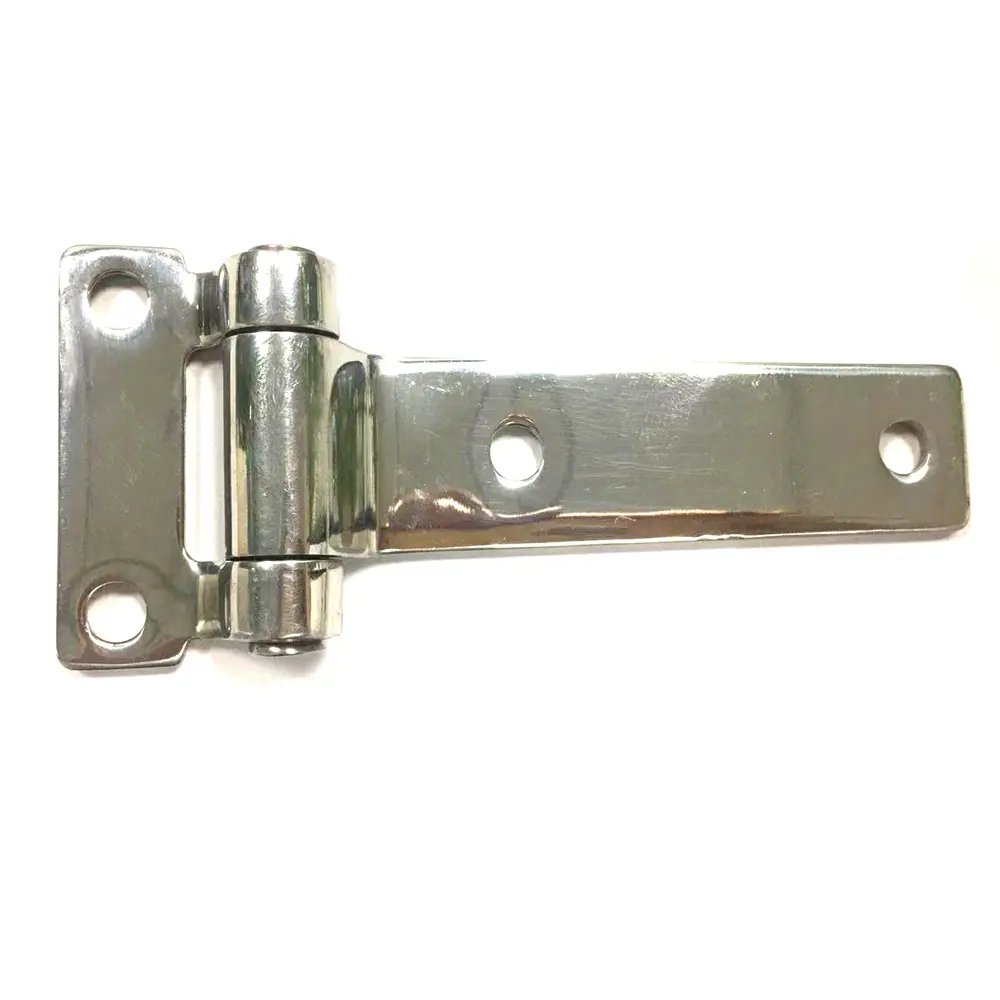
Worn pin – The pin that connects the hinge leaves may be loose or visibly worn
-
Elongated holes – Mounting holes that have become oval-shaped due to movement
-
Cracks or fractures – Any crack in the hinge leaf or barrel is a serious concern
-
Bent leaves – A hinge that has been bent no longer aligns properly
-
Rust or corrosion – Surface rust is common, but deep pitting weakens the hinge
Why It Matters
A hinge with visible damage is a hinge that is no longer performing its intended function. A worn pin allows the door to move more than it should, accelerating wear on other components. Cracked or bent hinges can fail suddenly under load—potentially causing the door to drop or swing open unexpectedly.
For heavy-duty applications, a hinge failure can be catastrophic. A door that swings open during transit can strike other vehicles, damage cargo, or cause the driver to lose control.
What to Do
Inspect hinges as part of your regular maintenance routine. Look for any signs of wear or damage. If a hinge shows cracks, deep corrosion, or significant deformation, replace it immediately. Don’t wait for it to fail completely.
Sign 3: The Door Is Difficult to Open or Close
What to Look For
A hinge that is failing often makes its presence known through resistance:
-
The door is stiff and requires extra force to move
-
The door sticks at certain points in its swing
-
You hear grinding or squeaking sounds when operating the door
-
The door does not stay in position when partially opened
Why It Matters
Difficulty operating a door is a sign that the hinge mechanism is binding. This can be caused by:
-
Lack of lubrication
-
Rust or corrosion inside the hinge barrel
-
A bent pin or misaligned leaves
-
Worn bushings that no longer allow smooth rotation
A binding hinge puts extra stress on the door, the frame, and the person operating it. In an emergency, a door that won’t open smoothly can be a serious safety hazard.
What to Do
First, try lubricating the hinge with a silicone-based or graphite lubricant. If the door still binds after lubrication, the hinge likely has internal damage. Remove and inspect it. If the pin is bent or the barrel is corroded, replace the hinge.
Sign 4: The Hinge Is Loose or Has Excessive Play
What to Look For
A hinge that has become loose will allow the door to move in ways it shouldn’t:
-
The door can be lifted up and down slightly when open
-
You can see movement between the hinge leaves
-
The hinge moves independently of the door or frame
-
Fasteners are loose or stripped
Why It Matters
Excessive play in a hinge is a sign that the pin, bushing, or mounting points have worn beyond acceptable limits. This allows the door to shift and vibrate during transit, accelerating wear on the hinge, the door, and the frame.
In severe cases, a loose hinge can allow the door to detach completely. This is especially dangerous for doors on moving vehicles—a detached door can become a projectile.
What to Do
Check for play by opening the door and attempting to lift it. If there is noticeable vertical or lateral movement, the hinge needs attention. Tighten loose fasteners first. If the play persists, the hinge itself is worn and should be replaced.
Sign 5: The Hinge Is Older Than Its Expected Service Life
What to Look For
Even a hinge that looks fine may be nearing the end of its useful life. Consider:
-
Age of the hinge – How long has it been in service?
-
Operating environment – Is the truck exposed to harsh conditions?
-
Usage frequency – How often is the door opened and closed?
-
Maintenance history – Has the hinge been regularly lubricated and inspected?
Why It Matters
Hinges have a finite lifespan. Even with proper maintenance, the constant stress of daily use takes its toll. A hinge that has exceeded its expected service life is more likely to fail without warning—often at the worst possible moment.
The cost of a proactive hinge replacement is far lower than the cost of a failure. A failed hinge can lead to:
-
Door damage
-
Cargo loss
-
Downtime and repair costs
-
Safety incidents
What to Do
Establish a replacement schedule based on your operating conditions and usage patterns. For heavy-duty applications, consider replacing hinges proactively before they show signs of failure. Keep spare hinges on hand for quick replacement when needed.
Quick Inspection Checklist
Use this checklist during routine maintenance:
| Check | What to Look For | Action |
|---|---|---|
| Door alignment | Sagging, uneven gaps | Inspect hinges for wear |
| Hinge condition | Cracks, bends, deep rust | Replace if damaged |
| Door operation | Stiffness, binding, noise | Lubricate or replace |
| Hinge play | Vertical or lateral movement | Tighten or replace |
| Service life | Age, usage, environment | Schedule proactive replacement |
Why Choosing the Right Replacement Hinge Matters
When it’s time to replace a hinge, choosing the right one is critical. Consider:
Material:
-
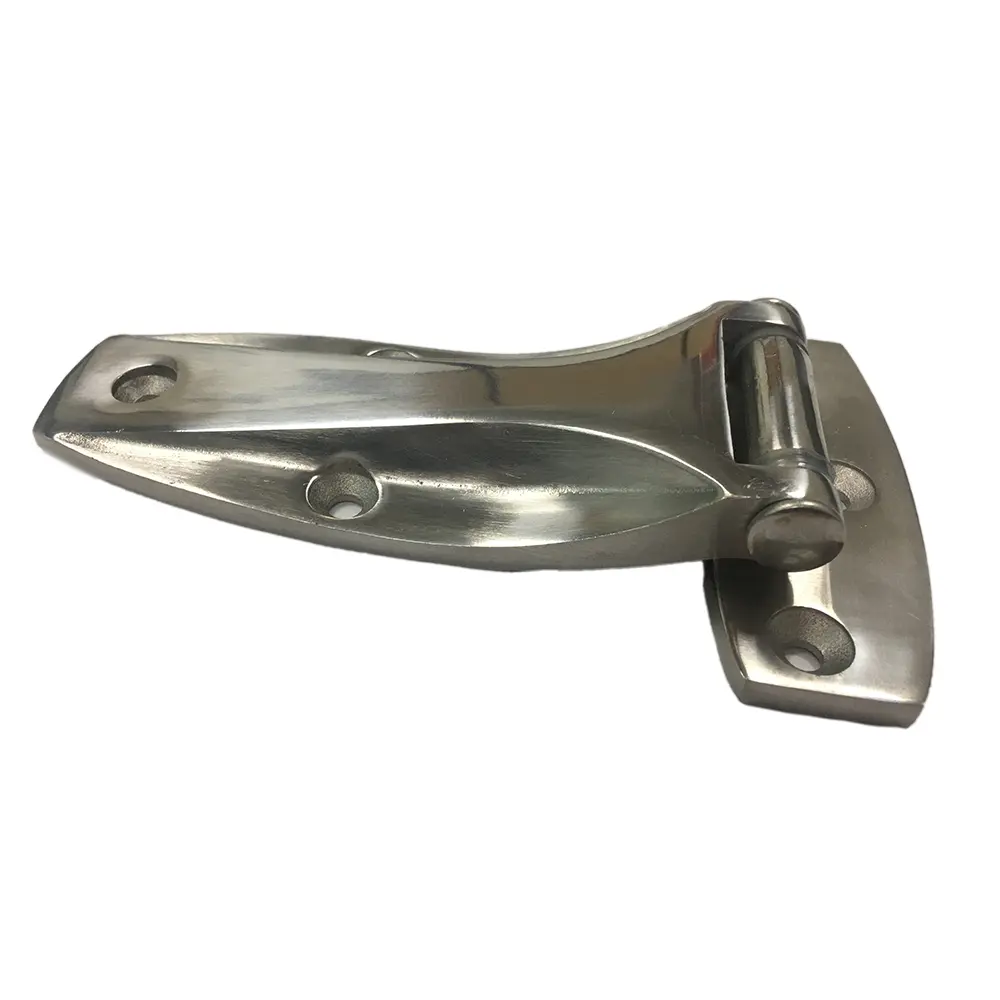
Stainless Steel – Best corrosion resistance for refrigerated trucks, marine environments, and wet conditions
-
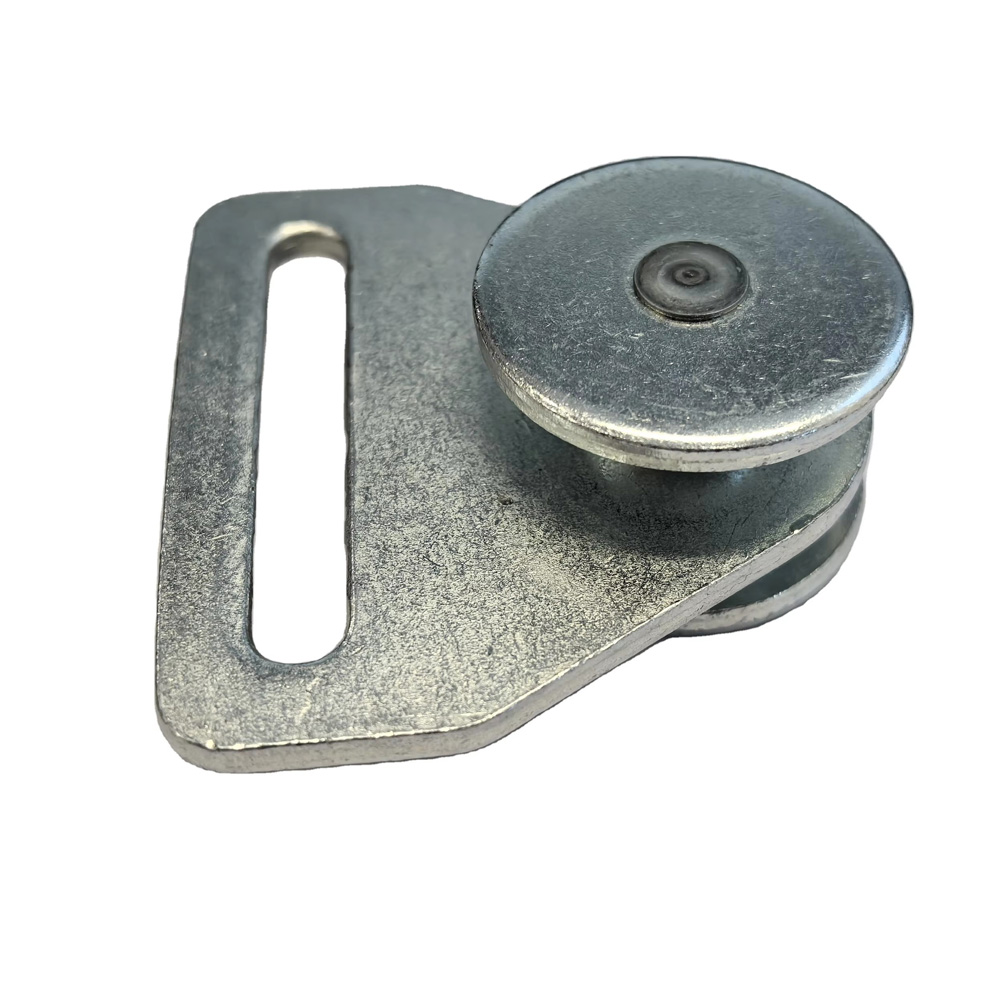
Zinc-Plated Steel – Good corrosion protection at a lower cost, suitable for standard dry van applications
-
Raw Steel – Suitable for indoor or low-moisture environments, often used for weld-on applications
Type:
-
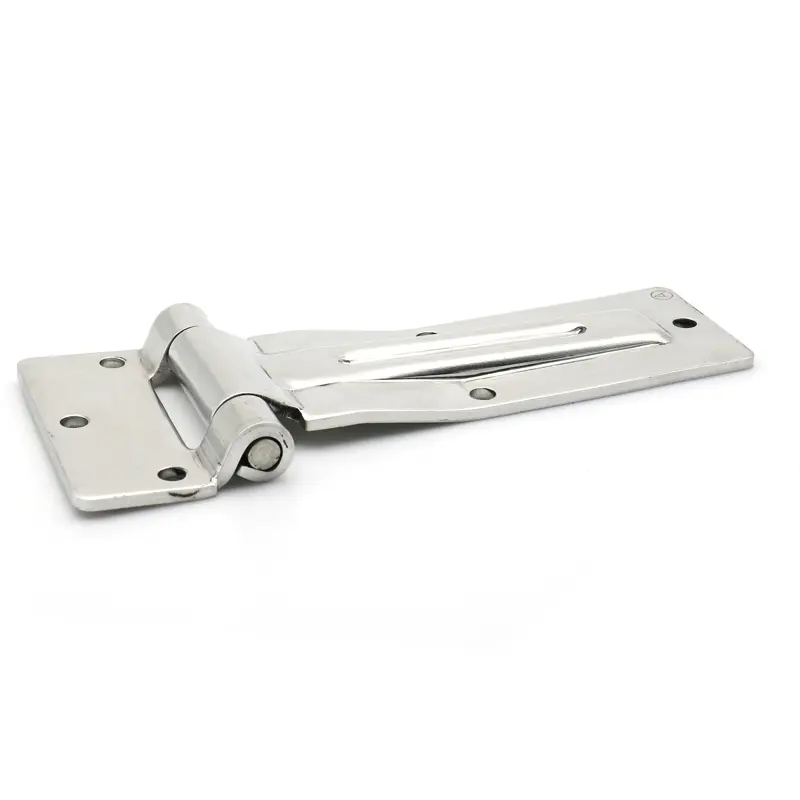
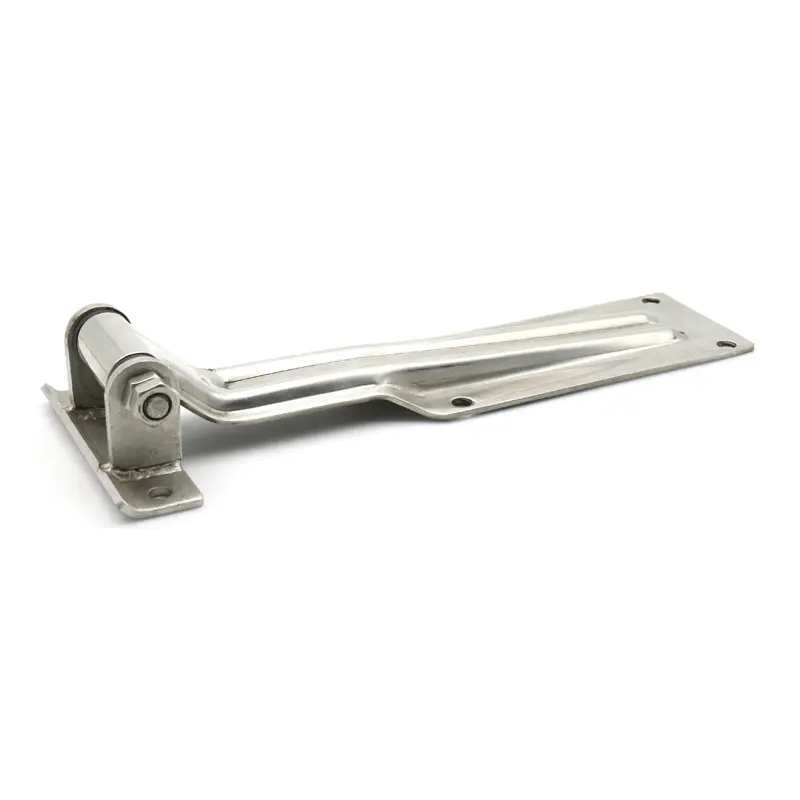
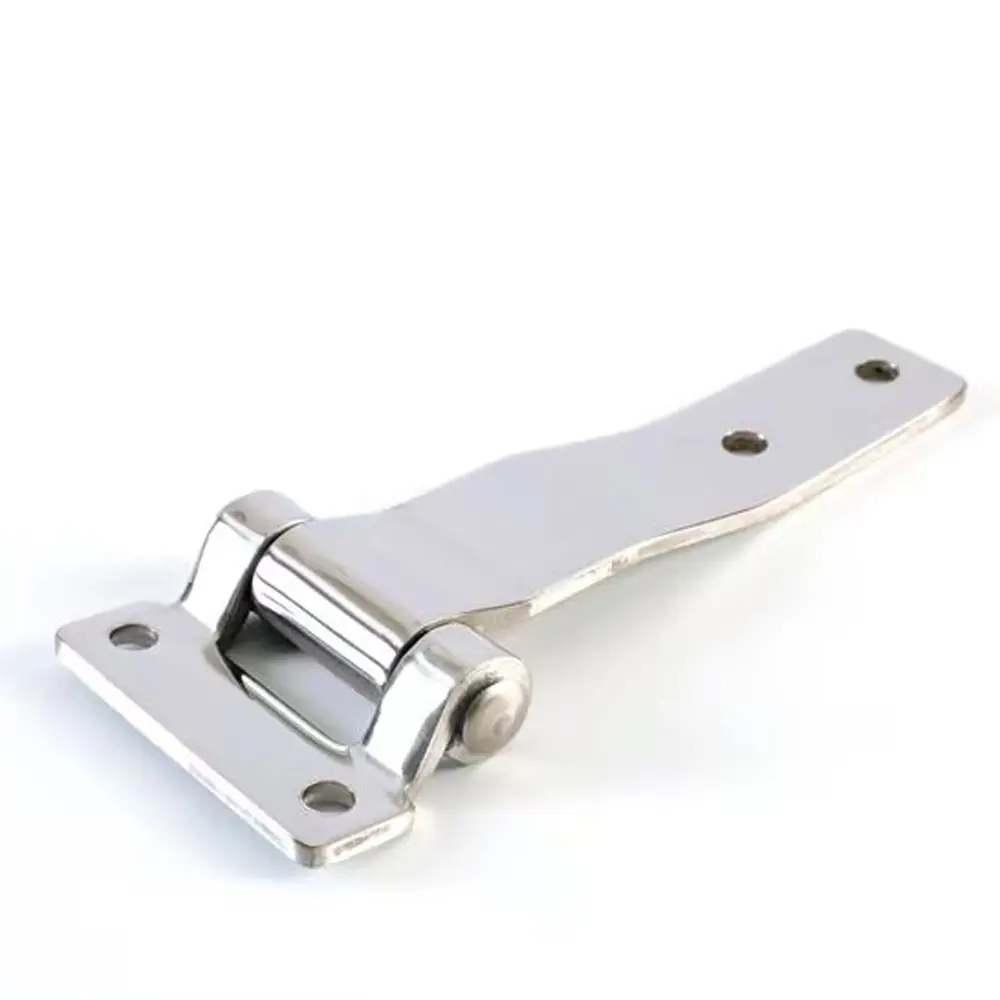
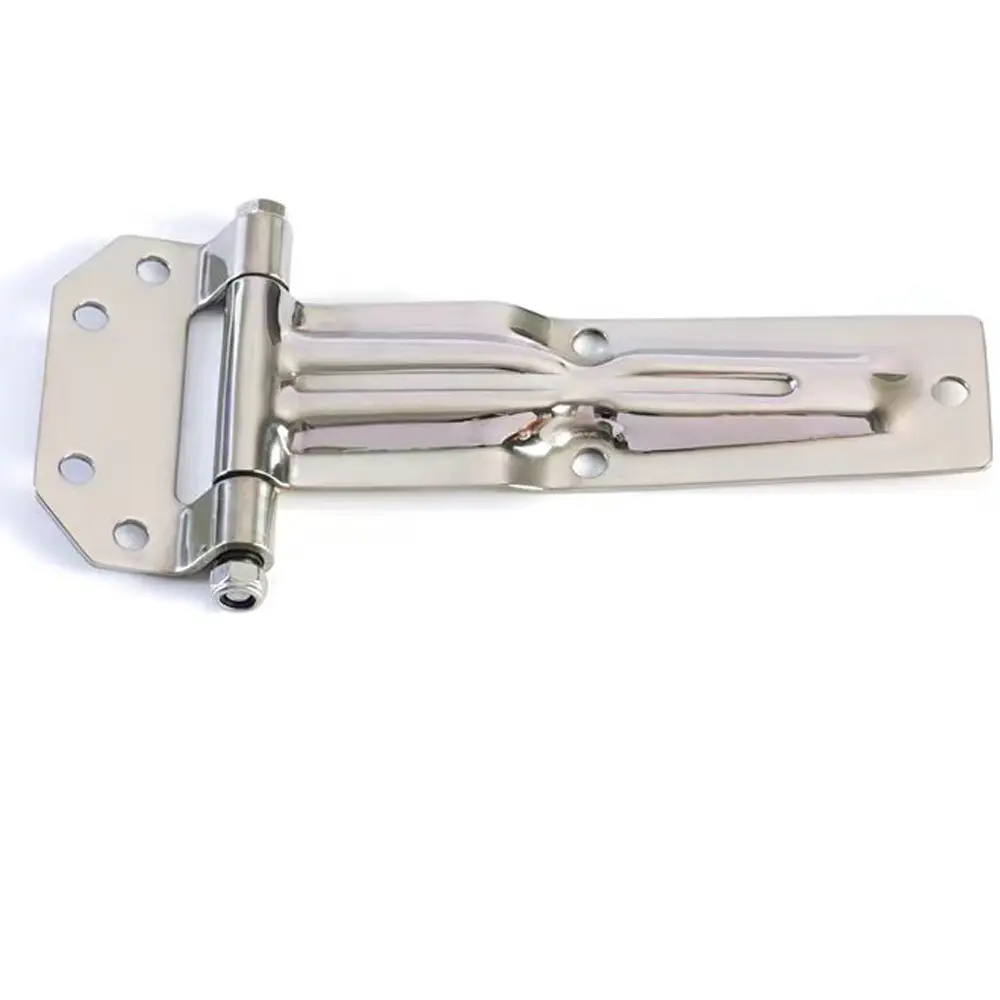
Butterfly Hinges – Wider leaves for better load distribution on heavy doors
-
Flat Hinges – Low-profile design for flush mounting
-
Strap Hinges – Longer leaves for surface mounting
Specifications:
-
Pin diameter – Determines load capacity
-
Hole pattern – Must match your door and frame
-
Load rating – Must exceed door weight with a safety margin
The HangCheng Advantage
At HangCheng, we understand that a truck door hinge is not just a piece of hardware—it is a critical component that affects safety, efficiency, and operating costs. Our butt hinges are engineered for durability and performance in the most demanding conditions.
Our product range includes:
-
Stainless steel, zinc-plated, and raw steel options
-
Butterfly, flat, and strap hinge designs
-
Multiple pin diameters and hole patterns
-
Custom configurations for OEM applications
-
Grease fittings for extended service life
What sets HangCheng apart is our full-cycle design-to-manufacturing capability. We don’t just supply standard hinges—we engineer solutions. Need a custom hole pattern, specific pin diameter, or special finish? We deliver. From raw steel to finished hinge, every step happens under our roof, ensuring consistent quality, shorter lead times, and competitive pricing.
Our integrated approach means:
-
Quality control at every stage – from material selection to final inspection
-
Faster turnaround – no delays from outsourcing
-
Cost efficiency – eliminating middlemen
-
Technical support – helping you select the right hinge for your application
Final Thoughts
A truck door hinge may be small, but its failure can cause big problems. By knowing the five warning signs—sagging doors, visible wear, difficult operation, excessive play, and exceeded service life—you can catch hinge problems early and prevent costly damage.
Don’t wait for a hinge to fail completely. Inspect regularly, replace proactively, and choose quality hinges that are built to last.
Contact us for more information; bulk orders enjoy discounts.
Related Products