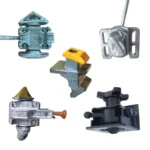
What is a Twist Lock?
A twist lock is a mechanical device used to securely connect shipping containers to each other or to the transport vehicle (such as a ship, truck, or train). It consists of a rotating mechanism that “locks” the container in place, preventing movement during transit. Twist locks are essential for ensuring cargo safety, reducing the risk of accidents, and complying with international shipping standards.
Types of Twist Locks for Shipping Containers
Twist locks come in various designs, each suited for specific applications. Here are the most common types:
1. Manual Twist Locks
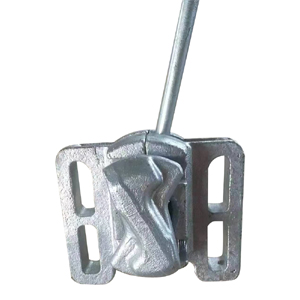
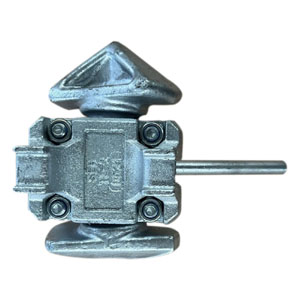
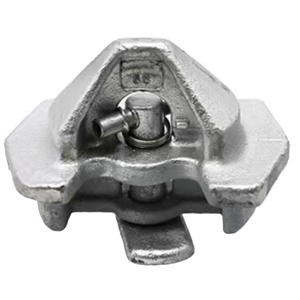
Manual twist locks are the most basic and widely used type. They require manual operation to lock and unlock the container. These locks are simple, cost-effective, and reliable, making them a popular choice for standard shipping operations.
- Best for: General-purpose container shipping.
- Pros: Affordable, easy to use, and durable.
- Cons: Requires manual labor to operate, which can be time-consuming.
2. Semi-Automatic Twist Locks
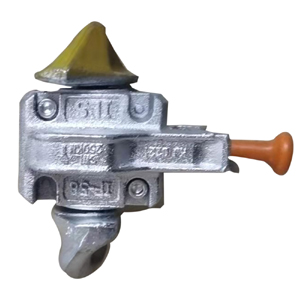
Semi-automatic twist locks combine manual and automatic features. They are partially automated, reducing the effort required to lock and unlock containers. These locks are often used in intermodal transport, where containers are transferred between ships, trucks, and trains.
- Best for: Intermodal shipping and frequent container transfers.
- Pros: Faster operation than manual locks, reduced labor costs.
- Cons: Slightly more expensive than manual locks.
3. Automatic Twist Locks

Automatic twist locks are fully automated and do not require manual intervention. They are commonly used in large-scale shipping operations, such as container ships, where efficiency and speed are critical. These locks are activated by the weight of the container or through remote control.
- Best for: High-volume shipping operations and container ships.
- Pros: Extremely efficient, reduces labor costs, and improves safety.
- Cons: Expensive and requires regular maintenance.
4. Stacking Twist Locks
Stacking twist locks are designed specifically for vertical stacking of containers. They provide additional stability when containers are stacked on top of each other, preventing them from shifting or toppling during transit.
- Best for: Vertical stacking of containers on ships or at ports.
- Pros: Enhances stability and safety for stacked containers.
- Cons: Not suitable for single-container transport.
5. Corner Twist Locks

Corner twist locks are installed at the corners of a container and are used to connect multiple containers horizontally. They are commonly used in intermodal transport and provide additional stability during transit.
- Best for: Horizontal connection of containers.
- Pros: Improves stability and safety during transport.
- Cons: Requires precise alignment for proper operation.
6. Heavy-Duty Twist Locks
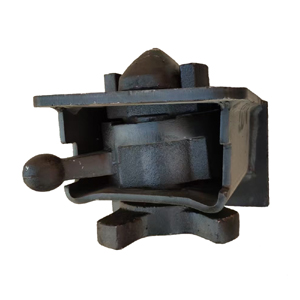
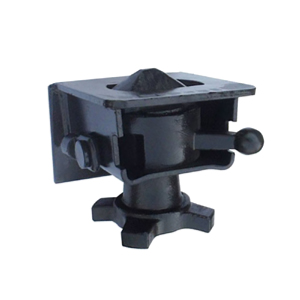
Heavy-duty twist locks are designed for extreme conditions and heavy loads. They are built with reinforced materials and enhanced durability to withstand harsh environments, such as offshore operations or heavy industrial use. These locks are ideal for securing oversized or overweight containers.
- Best for: Heavy-duty applications, oversized containers, and harsh environments.
- Pros: Extremely durable, capable of handling heavy loads, and resistant to wear and tear.
- Cons: More expensive than standard twist locks and may require specialized installation.
How to Choose the Right Twist Lock for Your Needs
When selecting a twist lock for your shipping container, consider the following factors:
- Type of Transport:
- For ground transport, choose bottom twist locks.
- For vertical stacking, opt for stacking twist locks.
- For intermodal transport, semi-automatic or corner twist locks are ideal.
- Frequency of Use:
- If you frequently load and unload containers, semi-automatic or automatic twist locks can save time and labor.
- For occasional use, manual twist locks are cost-effective.
- Budget:
- Manual twist locks are the most affordable, while automatic locks are more expensive but offer greater efficiency.
- Safety Requirements:
- Ensure the twist lock meets international safety standards, such as ISO guidelines.
- Durability:
- Choose twist locks made from high-quality materials, such as steel, to ensure long-lasting performance.
Conclusion
Twist locks are a critical component of shipping container security, ensuring that your cargo reaches its destination safely. By understanding the different types of twist locks and their applications, you can choose the right one for your specific needs. Whether you’re looking for a cost-effective manual lock or a high-efficiency automatic lock, there’s a twist lock solution for every shipping operation.
If you’re still unsure which twist lock is best for you, consult with a shipping container expert or supplier to find the perfect fit for your requirements. With the right twist lock, you can enhance the safety, stability, and efficiency of your shipping operations.