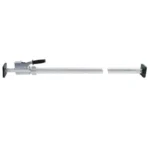
Introduction: The Small Tool with a Massive Responsibility
In the world of logistics, where efficiency and security are paramount, one small tool stands as the guardian of your cargo’s integrity: the Curtain Ratchet Tensioner. Often overlooked, this device is critical for anyone operating a curtain-sided trailer. A poorly used or failing side curtain tensioner is not just an inconvenience—it’s a direct threat leading to cargo damage, costly delays, safety hazards, and compliance issues.
Whether you’re a fleet manager, an owner-operator, or in charge of procurement, mastering your curtain side trailer tensioner is non-negotiable. This comprehensive guide will walk you through its proper operation, explore its vital applications, and show you how this tool is indispensable for securing your business on the road.
Part 1: What is a Curtain Ratchet Tensioner?
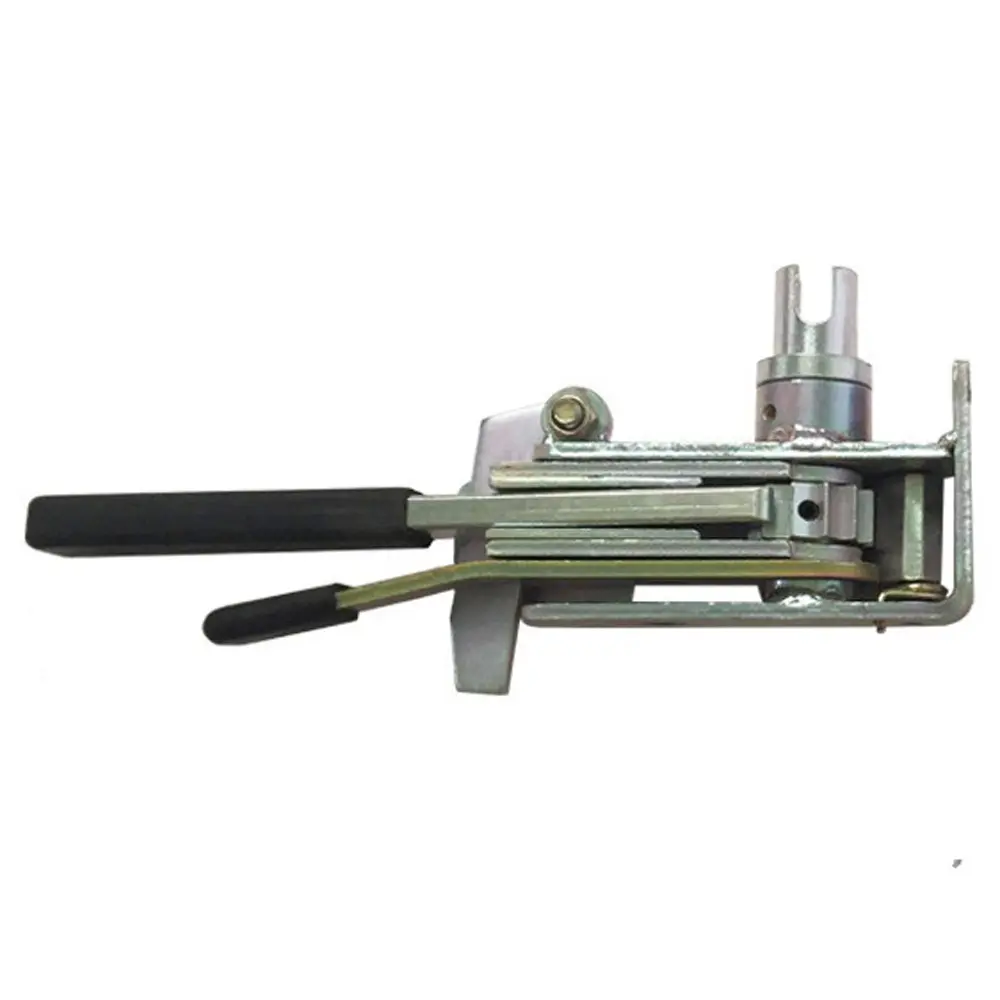
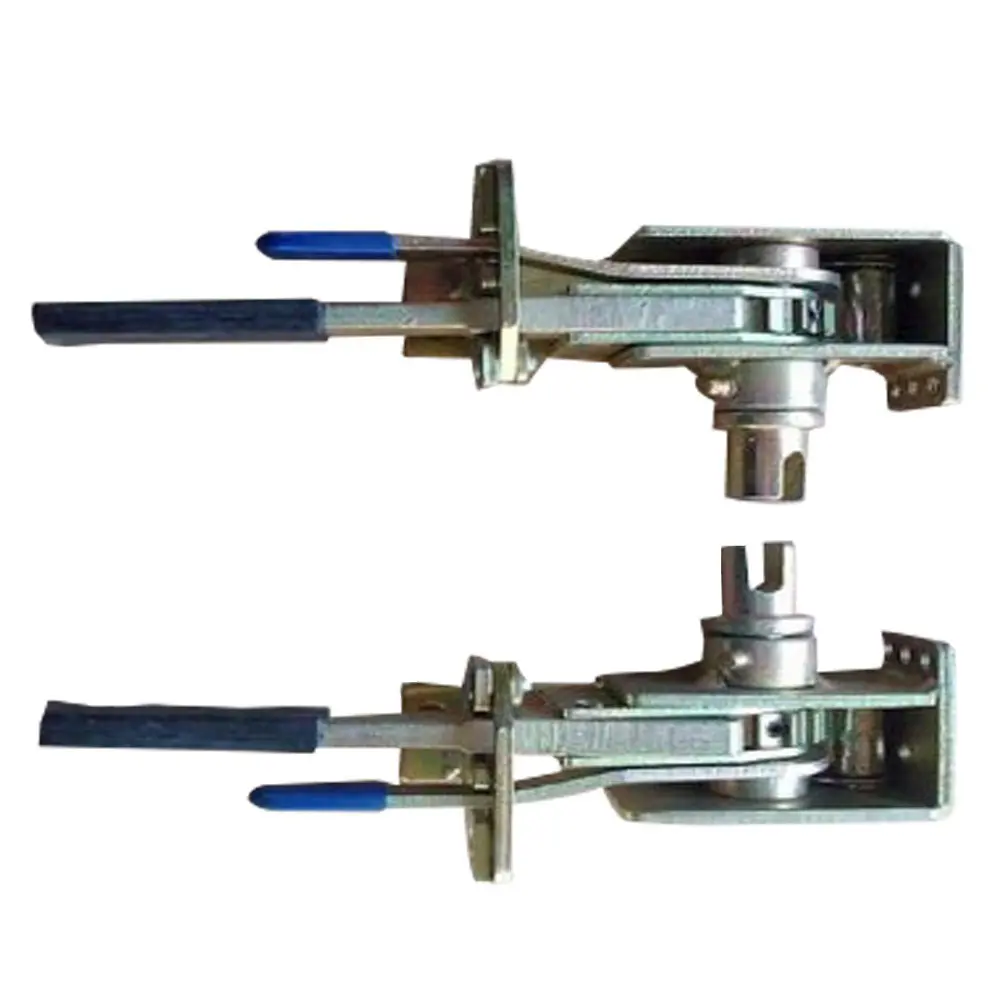
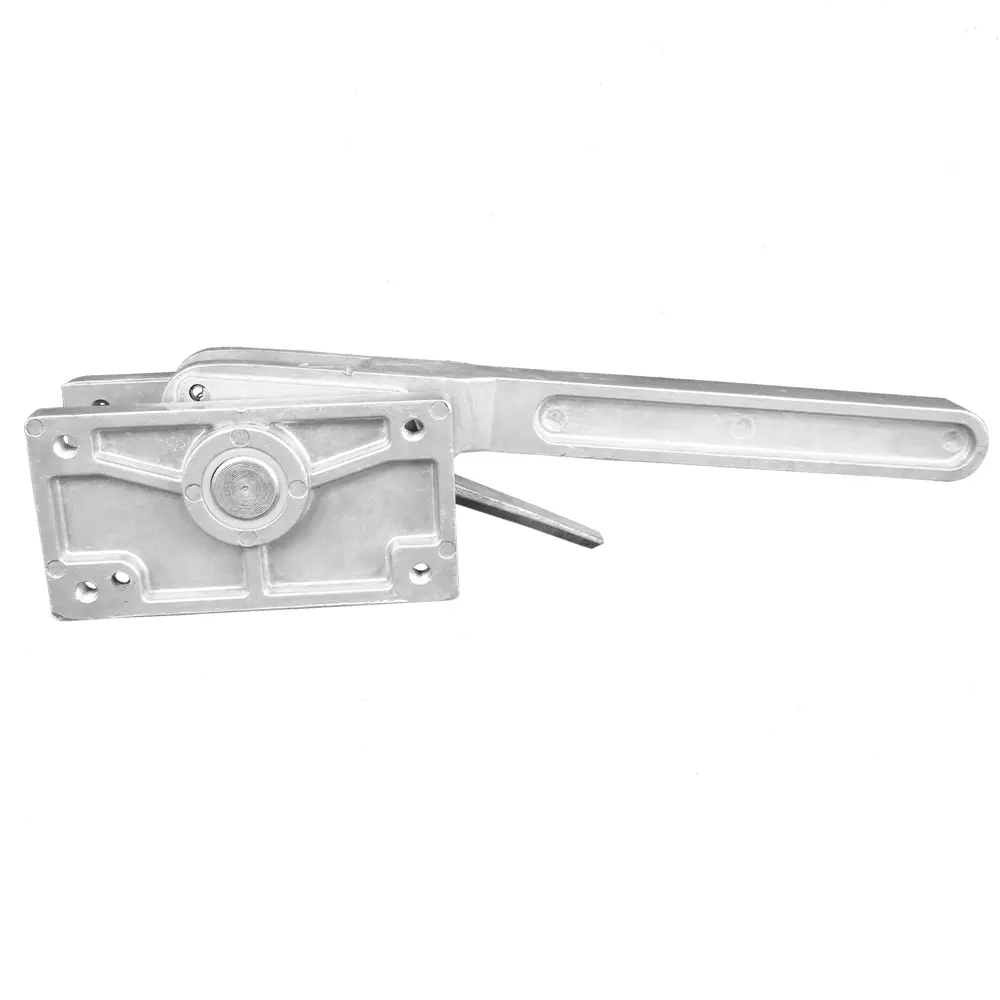
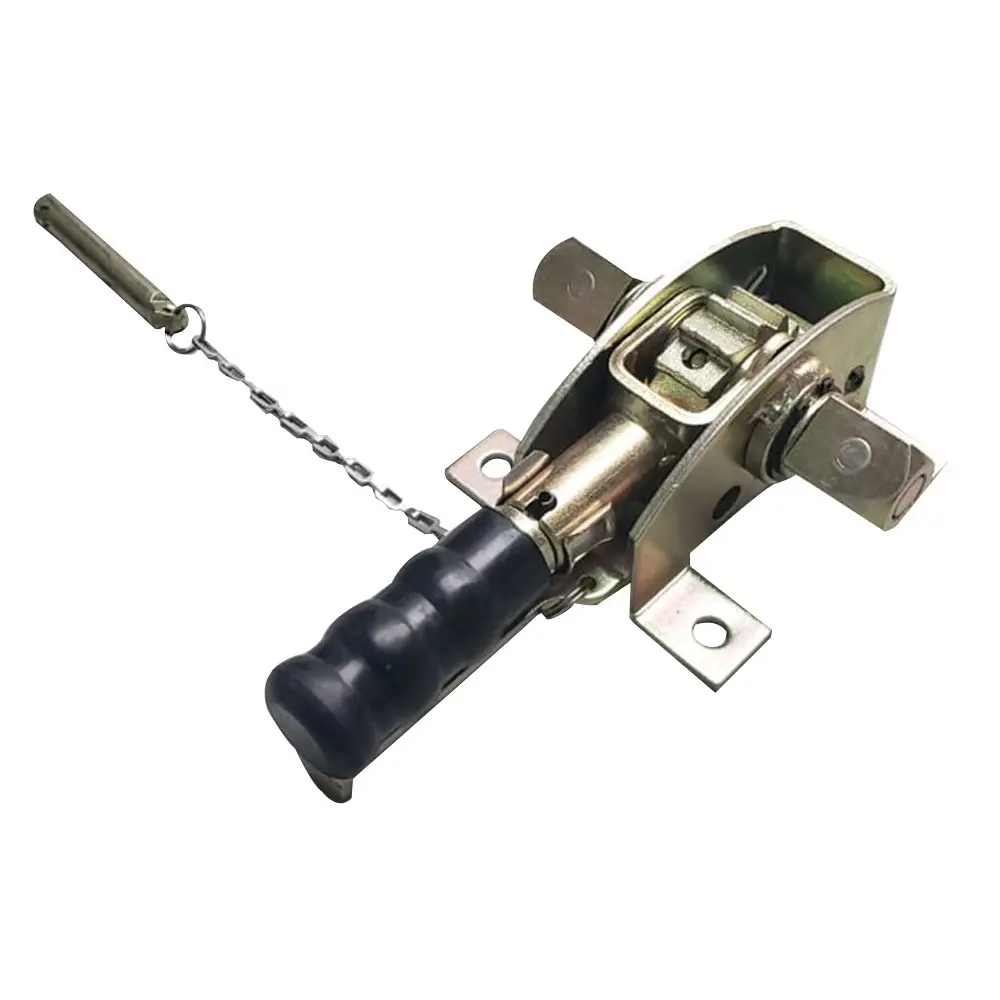
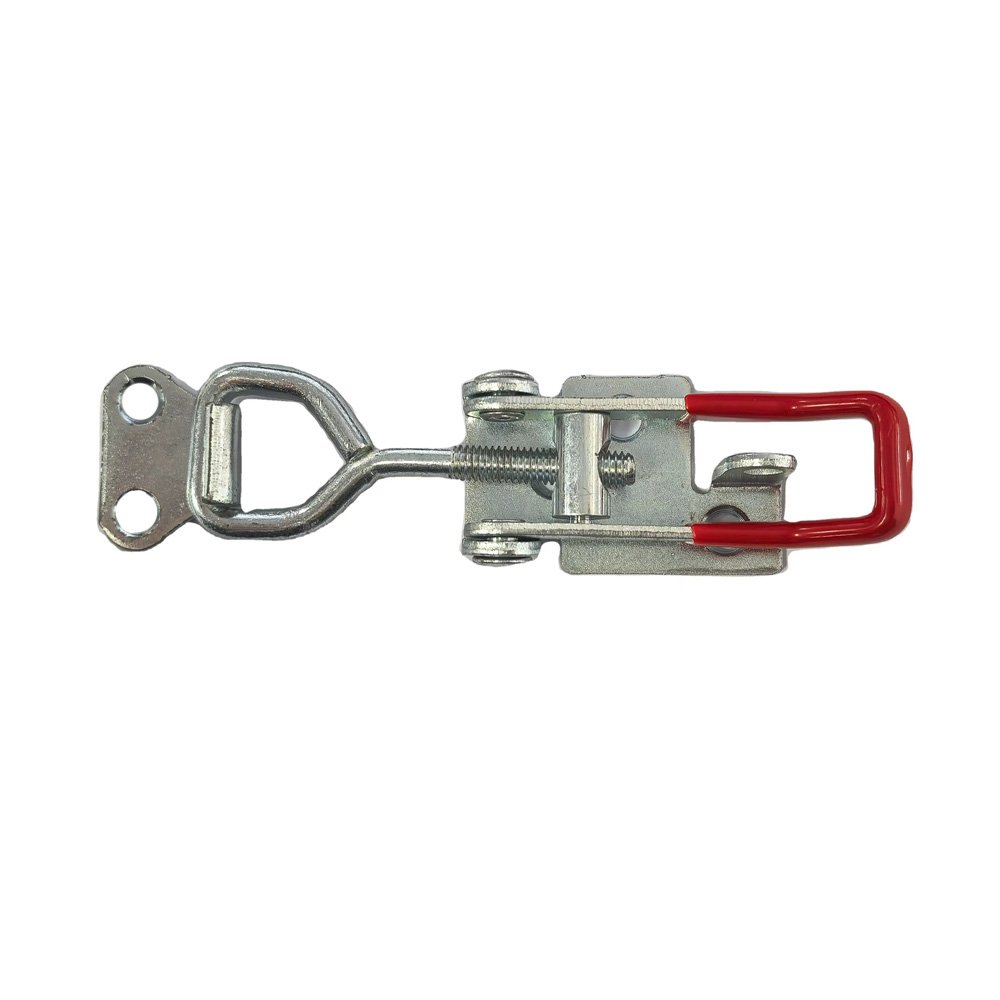
A curtain ratchet tensioner is a mechanical device designed to apply, maintain, and release tension on the straps or webbings that secure the side curtain (tarpaulin) of a trailer. Its primary purpose is to ensure the curtain is uniformly taut, eliminating sagging, flapping, and preventing the ingress of water, dust, and debris.
Key Components & Mechanics:
-
Ratchet Handle & Mechanism: The core of the device. It uses a geared wheel and a pawl (locking lever) to pull the strap with significant mechanical force and lock it securely, preventing it from unwinding under load.
-
Spool (Mandrel): The cylindrical core around which the strap winds as you tension it.
-
Strap/Webbing: Made from high-strength, UV-resistant polyester, it’s the component that directly applies force to the curtain.
-
End Fittings: Typically J-hooks or flat hooks that connect to the trailer’s side rail or lashing points.
-
Release Lever: Allows for the controlled, safe release of stored tension from the strap.
Understanding that this is a precision tensioning tool—not just a simple tie-down—is the first step toward safe and effective use.
Part 2: Step-by-Step Usage Guide: Doing It Right
Correct operation ensures safety, extends equipment life, and guarantees optimal cargo protection. Follow these steps every time.
Phase 1: Pre-Use Inspection & Preparation
-
Inspect Thoroughly: Before touching the curtain, inspect the curtain ratchet tensioner. Check the webbing for cuts, frays, or abrasion. Examine the ratchet body for cracks or corrosion. Ensure the release mechanism moves freely and the pawl engages with a solid “click.”
-
Prepare the Environment: Clear the trailer’s side rails of ice, mud, or debris. Ensure the curtain can slide freely and that there are no sharp edges that could snag or cut the webbing.
-
Initial Positioning: Fully open the ratchet handle to its unlocked position. Attach the end hook of the strap to its designated anchor point on the trailer’s side rail. Route the strap over the curtain to the opposite side, ensuring it lies flat and straight without twists.
Phase 2: The Tensioning Process
-
Engage and Take Up Slack: Insert the free end of the strap into the slot on the spool. Begin operating the handle with smooth, full strokes. The initial 5-10 strokes should focus solely on removing all visible slack from the system. For best results, pull the strap hand-tight before engaging the ratchet.
-
Apply Working Tension: Continue ratcheting. You will hear a consistent clicking sound—this is the pawl engaging, holding the tension. The curtain will begin to tighten, removing wrinkles. Apply tension evenly across multiple tensioners if your trailer has them.
-
Achieve Final Tension: The goal is a drum-tight curtain that is firm and resonant when tapped. Crucially: DO NOT over-tighten. Excessive force can tear the curtain fabric, damage the stitching, overstress the ratchet gears, or distort the trailer’s side frame. The webbing should be tight and parallel to the trailer body.
Phase 3: Locking, Securing & Safe Release
-
Locking Off: Once perfect tension is achieved, fully close the ratchet handle and secure it in its stowed position (usually against the housing or in a clip). This prevents accidental release from vibrations.
-
Stow the Tail: Neatly secure the loose tail of the strap using its built-in keeper loop. A dangling tail can wear quickly and become a hazard.
-
Safe Release Protocol: To unload, always face the side curtain tensioner from the side, never directly in front. Fully open the handle to its unlocked position. Maintain a firm grip on the handle. Slowly and deliberately press the release lever. The spool will spin rapidly as tension is released—let it unwind under control. Never let go of the handle during this process.
Part 3: Critical Applications & Use-Case Scenarios
The curtain side trailer tensioner is versatile. Here’s where its correct use is absolutely vital:
1. Standard Dry Freight & Parcel Transport
-
Scenario: Moving palletized goods, packaged consumer products, or non-sensitive materials.
-
Application: Here, the tensioner’s key role is to create a smooth, aerodynamic profile. A taut curtain reduces wind drag (improving fuel efficiency by up to 5-7% on long hauls) and prevents the fabric from billowing and fatiguing. It also presents a professional, tidy appearance.
2. Weather-Sensitive & High-Value Cargo
-
Scenario: Hauling electronics, furniture, pharmaceuticals, paper, or high-end retail goods.
-
Application: This is where precision tensioning is critical. A perfectly tight curtain ensures all waterproof seals are fully compressed, creating a barrier against driving rain and road spray. It also minimizes dust and pollutant ingress, protecting sensitive items. Consistent tension throughout the journey prevents moisture pockets from forming.
3. Irregular & Oversized Loads
-
Scenario: Transporting construction materials (lumber, piping), industrial machinery, or bulky items that may sit close to the curtain.
-
Application: The tensioner and curtain work as a flexible containment wall. Proper tension helps stabilize loads by applying gentle, even pressure, preventing lateral shifting during cornering. It allows for quick access from the side while maintaining the ability to rapidly re-secure the load.
4. Heavy-Duty, Long-Haul & Cross-Border Logistics
-
Scenario: Operating across diverse climates and under strict regulatory scrutiny (e.g., DOT inspections in North America, ATF in Australia).
-
Application: A high-quality curtain ratchet tensioner must maintain its set tension over thousands of kilometers of vibration. Reliability is key to pass roadside inspections, where a loose or defective tensioning system can lead to fines. It demonstrates proactive cargo securement compliance.
Part 4: Why Choosing the Right Tensioner Matters
Using the correct technique on a subpar tool will still yield poor results. The difference between a generic tensioner and a professional-grade unit from Hangcheng Parts is profound:
-
Durability Under Load: Our tensioners are engineered with high-grade alloys and heat-treated gears to withstand the repeated stress of daily professional use without warping or failing.
-
Consistent Performance: Precision machining ensures smooth ratcheting and positive lock-up every time, eliminating the frustration of a slipping pawl that destroys tension.
-
Operator Safety & Ease: Features like an ergonomic handle, intuitive release mechanism, and clear engagement feedback protect the user and reduce operational fatigue.
-
Corrosion Resistance: Quality finishes and materials resist rust and corrosion from road salt and weather, ensuring longevity and reliable operation in all environments.
Conclusion: Mastery Leads to Security and Efficiency
A curtain side ratchet tensioner is more than a component; it’s a critical tool in your operational toolkit. Mastering its proper use—from meticulous inspection and controlled tensioning to understanding its role in diverse applications—directly translates to cargo security, operational compliance, and cost savings through reduced damage and downtime.
Contact us for more information; bulk orders enjoy discounts.
Related Products