Introduction: The Assumption That Costs Fleets Money
Ask almost anyone in the trailer and truck industry which truck door hinge material is “better,” and the answer comes back almost instantly: stainless steel. It resists corrosion, looks better, and lasts longer. Case closed, right?
Not so fast.
Stainless steel is an excellent material—there’s no denying that. But the assumption that it is always the right choice for a truck door hinge has quietly become one of the most expensive habits in fleet procurement. We’ve seen fleets pay a 40–60% material premium for stainless truck door hinges on applications where zinc-plated steel would have performed just as well, if not better. We’ve also seen stainless hinges fail prematurely—not because the material was bad, but because it was the wrong material for the job.
This article is not an argument against stainless steel. It’s an argument against automatic stainless steel. Truck door hinge material selection should be an engineering decision, not a reflex. And in a surprising number of real-world applications, zinc-plated steel is the smarter choice.
Let’s break down exactly when—and why—zinc-plated wins for your truck door hinge applications.
First, What Are We Actually Comparing?
Before diving into applications, it helps to be precise about what each material offers for a truck door hinge.
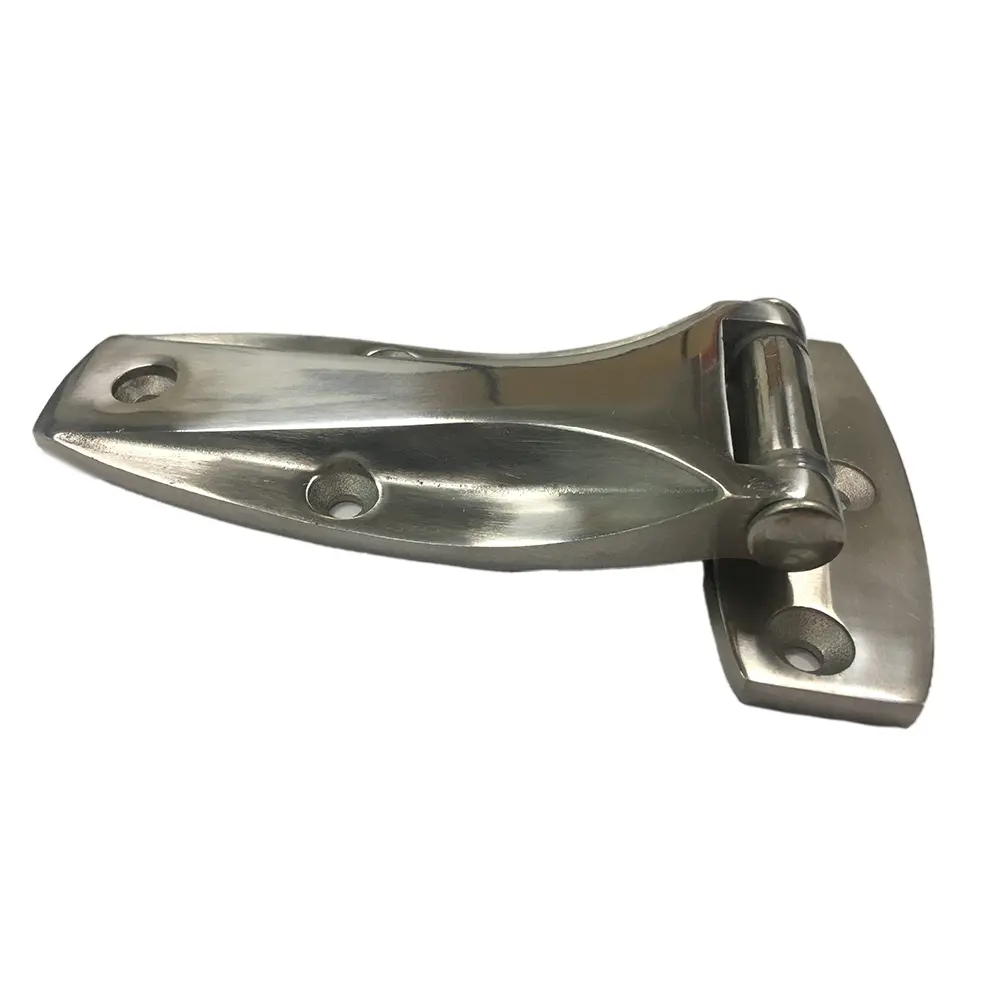
Stainless Steel Truck Door Hinges (typically 304 or 316 grade) contain chromium, which forms a passive oxide layer on the surface. This layer is self-healing in the presence of oxygen, which is why stainless steel resists rust so effectively. Grade 304 is the workhorse for general truck door hinge applications; grade 316 adds molybdenum for superior resistance to chlorides—salt water, road salt, and marine environments.
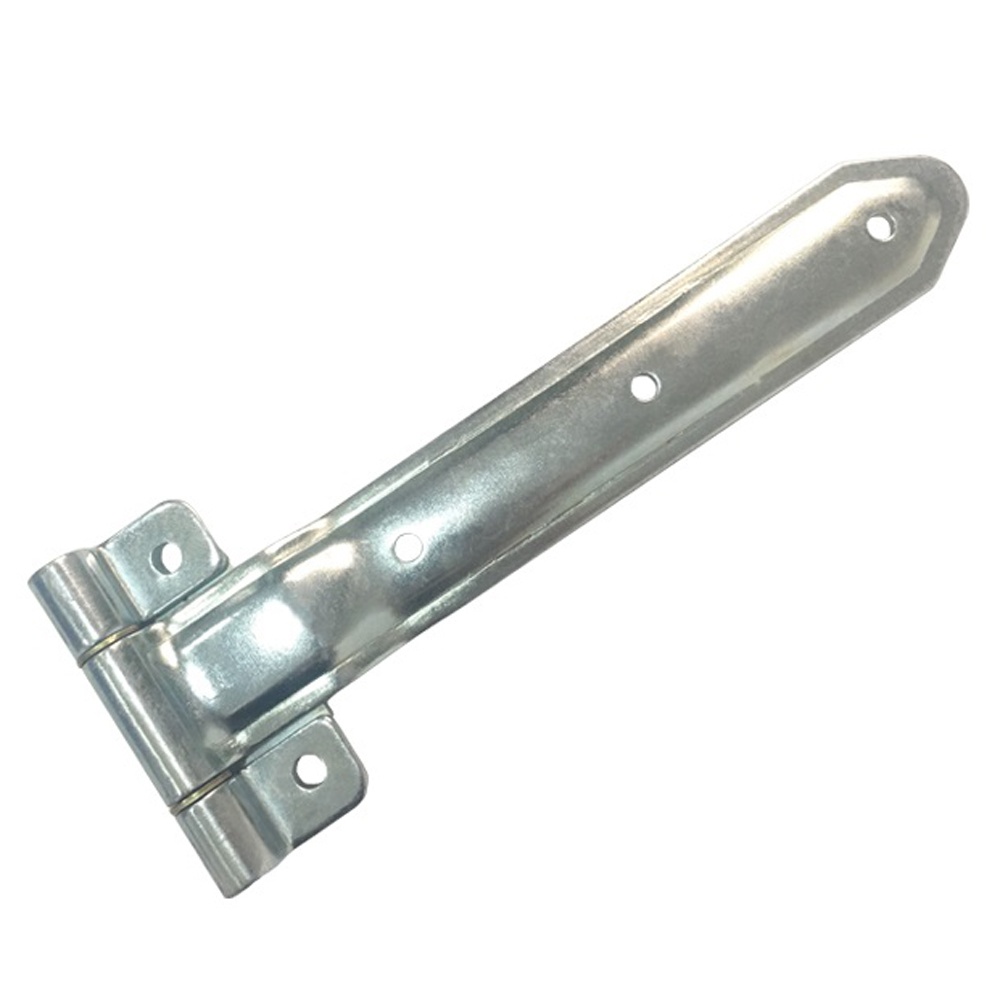
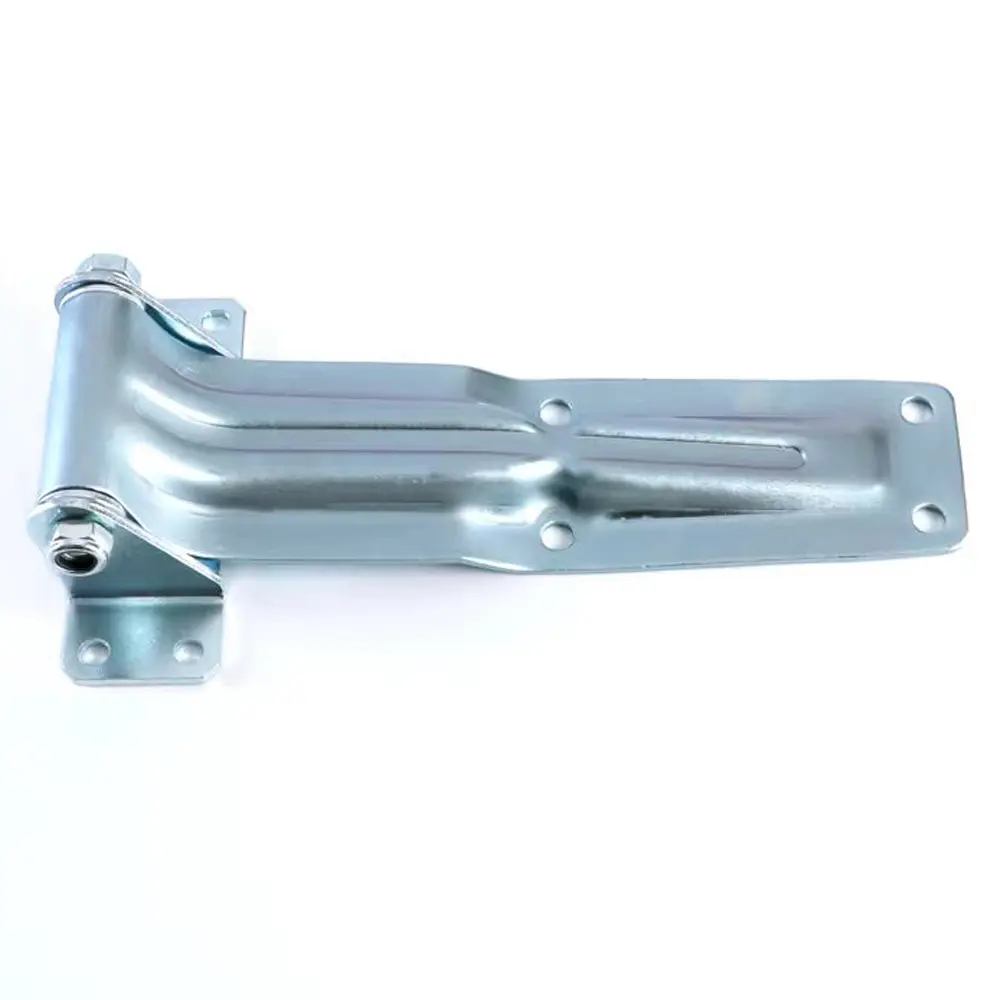
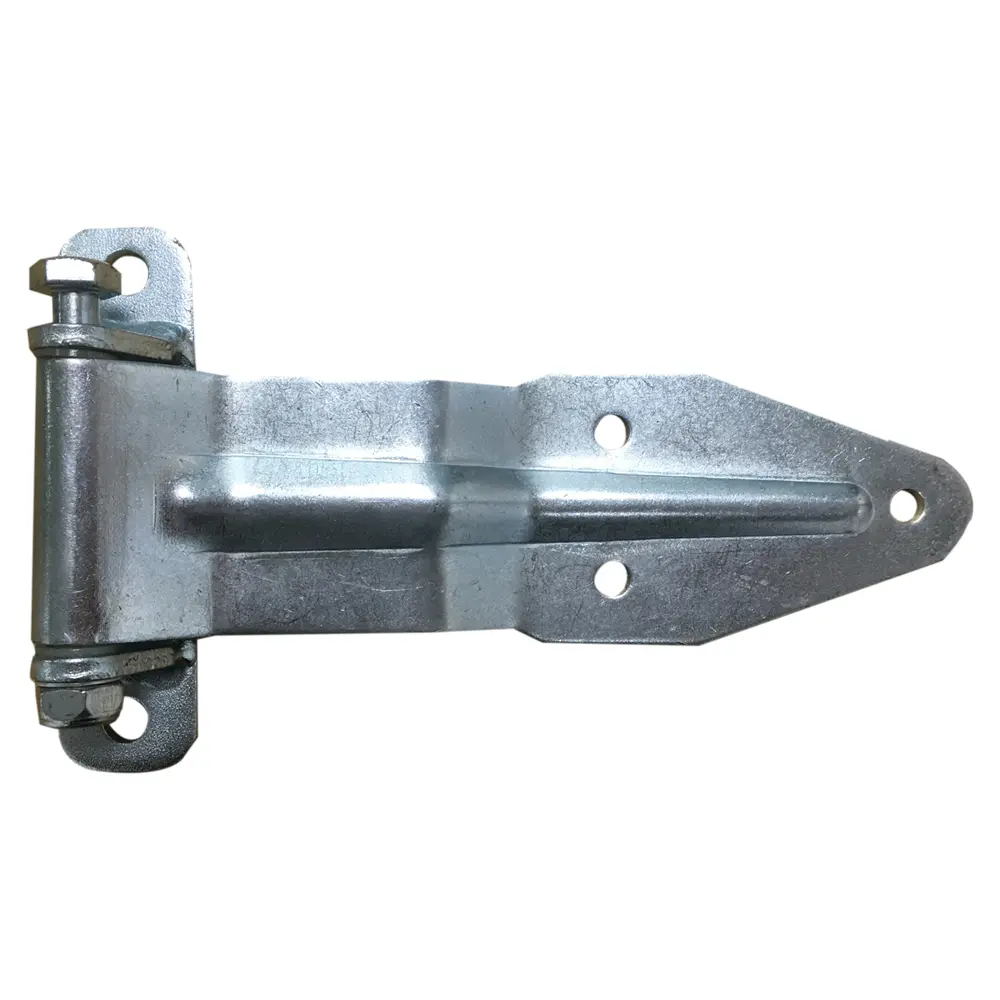
Zinc-Plated Steel Truck Door Hinges are made from carbon steel coated with a layer of zinc. The zinc acts as a sacrificial anode—it corrodes before the steel does, protecting the base metal even if the coating is scratched. The plating thickness determines the level of protection, typically ranging from 5 to 25 microns for standard commercial truck door hinges.
On paper, stainless looks superior. In practice, the picture is more nuanced.
When Zinc-Plated Wins: 6 Real-World Scenarios
① Welding and Fabrication
This is the single most important factor that is routinely overlooked when specifying a truck door hinge.
Stainless steel is notoriously difficult to weld. It requires specialized equipment, controlled heat input, and often post-weld passivation to restore corrosion resistance in the heat-affected zone. For a fabrication shop building trailer bodies, this translates into higher labor costs, longer lead times, and a greater risk of weld defects on every truck door hinge.
Zinc-plated steel, by contrast, welds like ordinary carbon steel. It’s forgiving, fast, and familiar to any fabrication worker. Yes, the zinc coating burns away at the weld seam and requires touch-up with a zinc-rich paint—but that is a simple, low-cost step compared to the complexities of stainless welding.
The verdict: If your truck door hinges are welded to the trailer frame during fabrication, zinc-plated steel is often the more practical and cost-effective choice.
② High-Strength, High-Load Applications
Here’s a counterintuitive fact: some zinc-plated steel truck door hinges have higher tensile and yield strength than their stainless counterparts. Carbon steel, properly heat-treated, can achieve mechanical properties that 304 stainless simply cannot match at a comparable cost.
For heavy-duty tailgate hinges, tipper door hinges, and applications where the truck door hinge is a structural load-bearing component, strength often matters more than corrosion resistance. A hinge that bends under load is a safety hazard regardless of how shiny it is.
The verdict: In high-load structural applications, zinc-plated carbon steel truck door hinges often outperform stainless on strength-to-cost ratio.
③ Cost-Sensitive, High-Volume Procurement
Let’s talk numbers. A typical stainless steel truck door hinge costs 40–60% more than a comparable zinc-plated hinge. On a single trailer with eight hinges, that difference is modest. Across a fleet of 200 trailers, it becomes a significant line item.
Now consider the application. If the truck door hinge is on an interior cabinet door, a toolbox lid, or a component that is shielded from direct weather exposure, the corrosion resistance of stainless steel is largely wasted. You’re paying a premium for a property you don’t need.
The verdict: For sheltered, low-corrosion applications procured in volume, zinc-plated truck door hinges deliver the same functional performance at a materially lower cost.
④ Applications Requiring Paint or Powder Coating
Stainless steel is difficult to paint. Paint adhesion to stainless is poor without extensive surface preparation (abrasion, chemical etching, or special primers). Even then, the finish is prone to chipping and peeling on a truck door hinge.
Zinc-plated steel, on the other hand, accepts paint and powder coating readily. Many trailer manufacturers specify zinc-plated truck door hinges precisely because they intend to powder-coat the entire assembly to match the trailer’s finish. The zinc layer provides corrosion protection at the edges and in the event of coating damage—a secondary line of defense that painted stainless cannot offer.
The verdict: If the truck door hinge will be painted or powder-coated, zinc-plated steel is the better substrate.
⑤ Galvanic Corrosion Considerations
This is a technical point that many procurement teams miss. When a stainless steel truck door hinge is bolted or welded to carbon steel or aluminum components, it can create a galvanic couple. In the presence of an electrolyte (moisture, road salt), the less noble metal—the carbon steel or aluminum—corrodes preferentially. The stainless hinge survives; the structure around it doesn’t.
Zinc-plated steel truck door hinges are closer to carbon steel in the galvanic series, reducing the risk of accelerated corrosion of adjacent components.
The verdict: In mixed-material assemblies, zinc-plated truck door hinges can actually protect the surrounding structure better than stainless.
⑥ Supply Chain and Lead Time Reality
Stainless steel is subject to greater price volatility and longer lead times than carbon steel, particularly for 316 grade. During periods of nickel price spikes or supply disruptions, stainless trailerdoor hinge lead times can stretch from weeks to months.
Zinc-plated steel trailer door hinges are generally more readily available, with shorter and more predictable lead times. For fleets that cannot afford to wait, this is a decisive factor.
The verdict: When lead time and supply stability matter, zinc-plated steel trailer door hinges are the more reliable choice.
When Stainless Steel Is the Right Choice
None of the above means stainless steel is overrated. It absolutely has its place. Stainless steel trailer door hinges win decisively in these scenarios:
High-Moisture and Marine Environments. Refrigerated trailers, cold storage, coastal operations, and any application exposed to salt water or road salt demand the corrosion resistance that only stainless steel truck door hinges can provide.
Food and Pharmaceutical Transport. Hygiene regulations often require stainless steel surfaces that are easy to clean and resistant to sanitizing chemicals.
Visible, Cosmetic Applications. Where appearance matters—premium trailers, display vehicles, or applications where the trailer door hinge is visible—stainless steel’s finish is unmatched.
Long Service Life with Minimal Maintenance. In accessible, high-value applications, stainless steel’s self-healing oxide layer reduces maintenance on truck door hinges to near zero.
Chemical Exposure. Facilities handling acids, alkalis, or aggressive cleaning agents need the chemical resistance of stainless steel.
The key word is need. If you don’t need these properties, you’re paying for them anyway.
A Practical Decision Framework
Here is a simple framework we use when advising fleets on truck door hinge material selection:
| Question | If Yes → Stainless | If No → Consider Zinc-Plated |
|---|---|---|
| Will the hinge be exposed to salt water, road salt, or marine air? | ✓ | |
| Is the application in food, pharma, or cold chain? | ✓ | |
| Will the hinge be visible and cosmetic? | ✓ | |
| Is the hinge welded during fabrication? | ✓ | |
| Is the hinge a high-load structural component? | ✓ | |
| Will the hinge be painted or powder-coated? | ✓ | |
| Is the application sheltered from weather? | ✓ | |
| Is the procurement volume high and cost-sensitive? | ✓ |
Most real-world applications involve a mix of these factors. The point is not to default to one material, but to ask the questions before specifying a truck door hinge.
The Hidden Cost of “Just Use Stainless”
We’ve audited fleets that specified stainless steel van door hinges across the board—”to be safe”—and then discovered:
-
30–40% of hinges were in applications where zinc-plated would have performed identically
-
The premium paid for stainless exceeded the entire annual truck door hinge maintenance budget
-
Welding difficulties with stainless had added weeks to production schedules
-
Painted stainless truck door hinges were failing at the coating interface, while painted zinc-plated hinges held up
The lesson is not that stainless is bad. It’s that trailer door hinge material selection should be engineered, not assumed.
The HangCheng Advantage
At HangCheng, we manufacture both stainless steel and zinc-plated van door hinges—and we have no incentive to push you toward one or the other. Our job is to help you select the right material for each application.
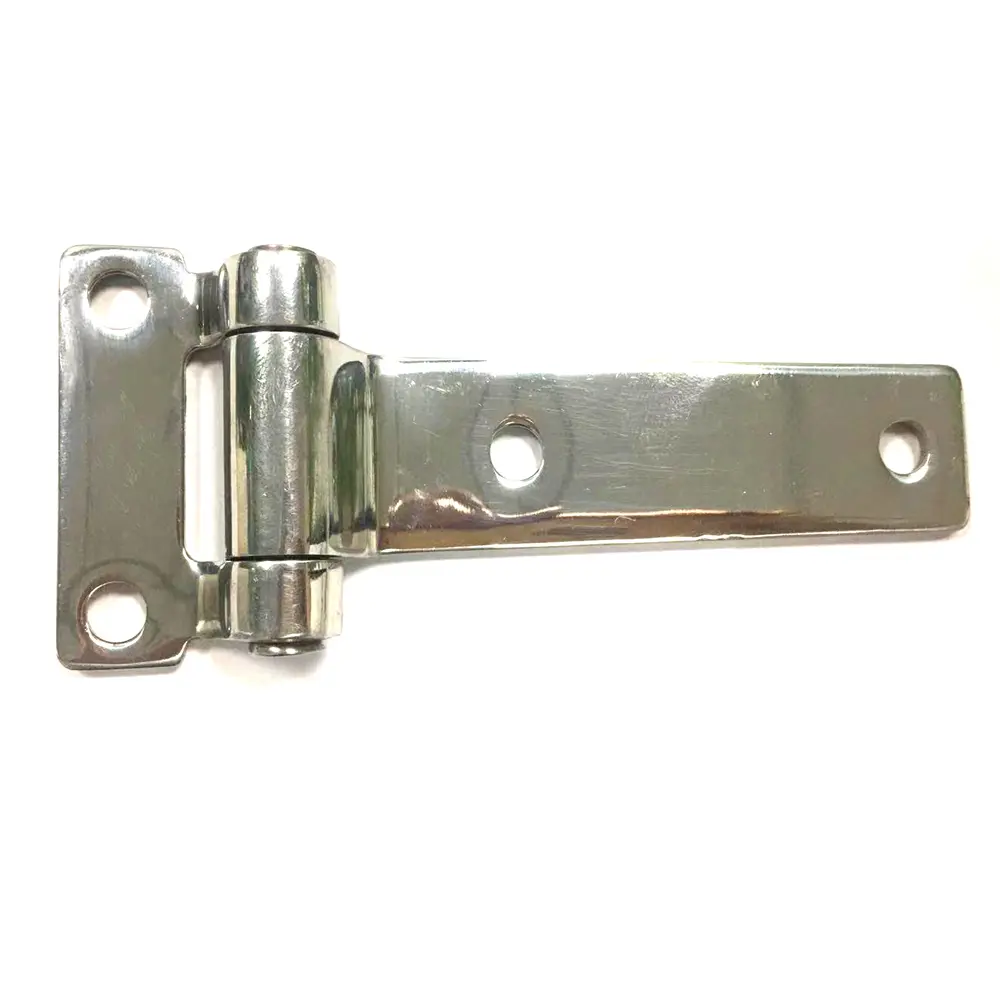
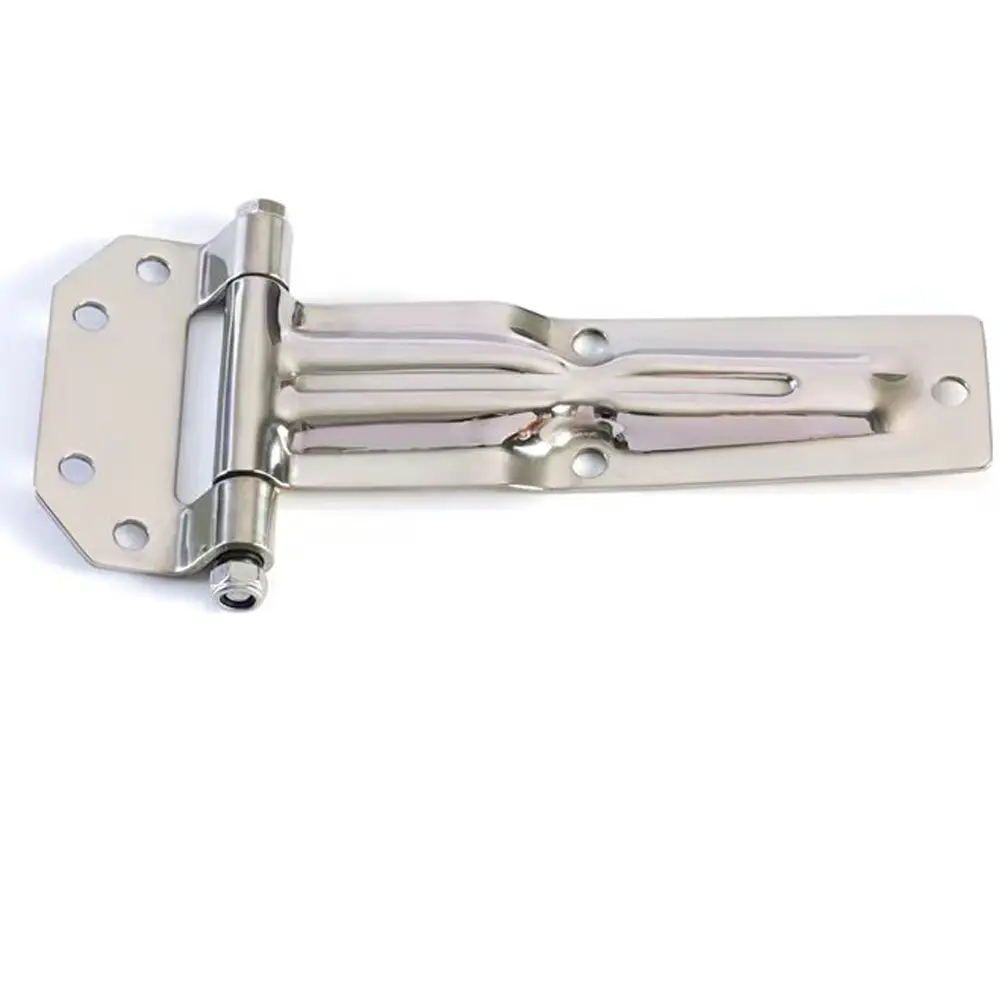
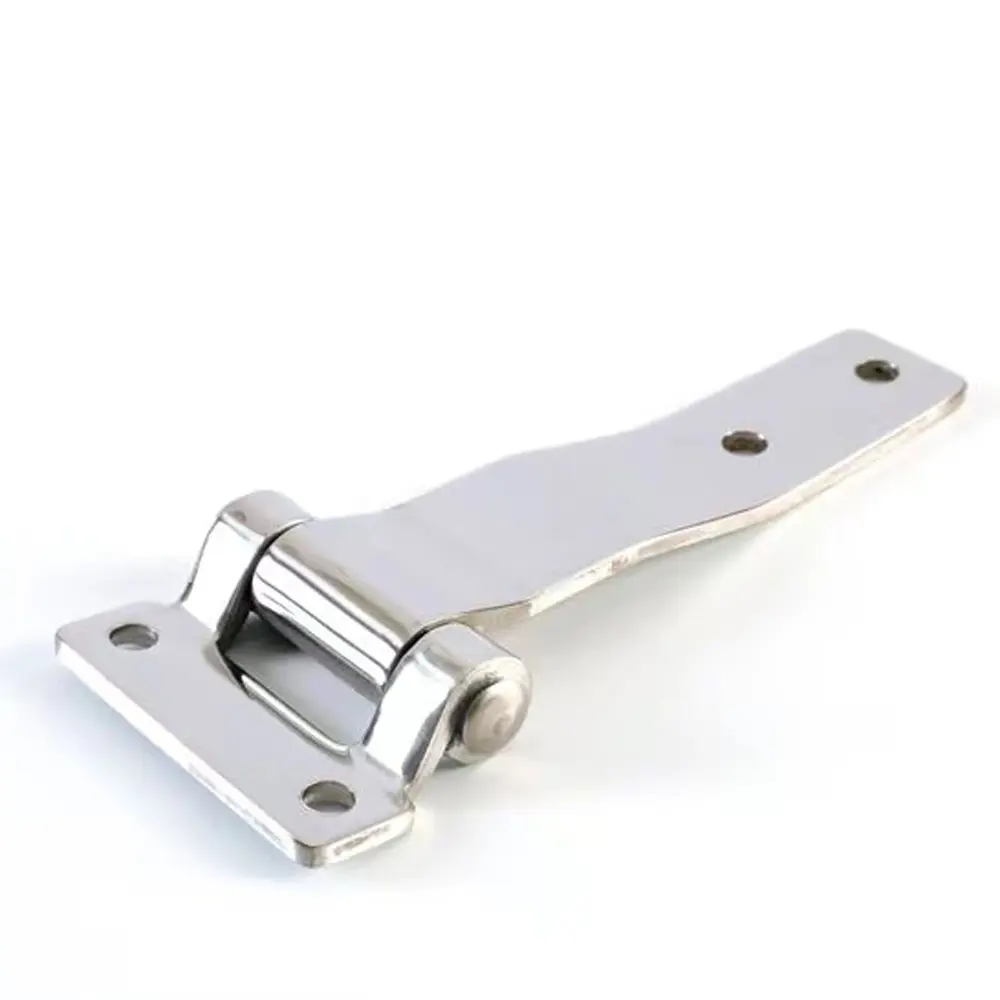
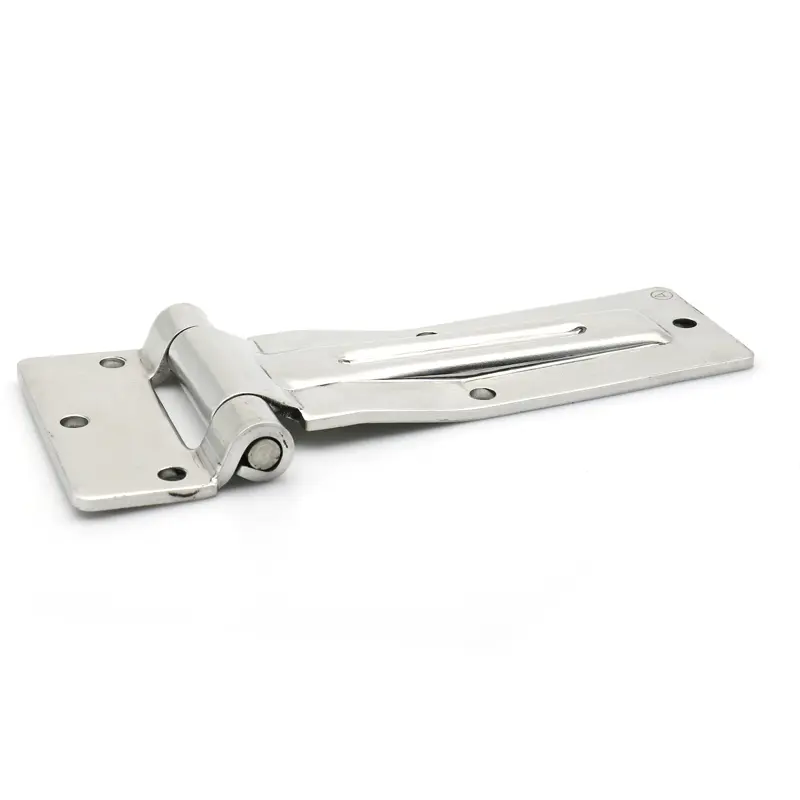
Our truck door hinge range includes:
-
Stainless steel 304 and 316 truck door hinges for demanding corrosion environments
-
Zinc-plated steel truck door hinges for welding, painting, and cost-sensitive applications
-
Custom configurations: hole patterns, pin diameters, blade lengths, and finishes
-
Full material traceability and test reports for bulk orders
What sets us apart is our full-cycle design-to-manufacturing capability. We don’t just supply standard truck door hinges—we help engineers and procurement teams evaluate material trade-offs, prototype alternatives, and validate performance before committing to a bulk order.
If you’ve been specifying stainless truck door hinges by default, we’d welcome the chance to review your application and show you where zinc-plated might deliver the same performance at a lower total cost. And if stainless is genuinely the right choice, we’ll tell you that too.
Final Thoughts
Stainless steel is not the enemy. Reflexive stainless steel is.
The next time you specify a truck door hinge material, ask three questions: What environment will this hinge actually see? What loads will it carry? How will it be installed and finished?
The answers will tell you which material wins. And sometimes—more often than most fleets realize—the answer is zinc-plated steel.
Contact us for more information; bulk orders enjoy discounts.
Related Products