Introduction: The Critical Link in Your Intermodal Chain
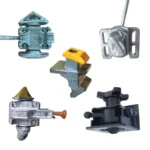
In the high-stakes world of container shipping and logistics, efficiency and safety are the currencies of success. At the heart of these operations lies a seemingly small but profoundly critical component: the Container Twist Lock. These devices are responsible for securely fastening containers to ships, trucks, and railcars, as well as stacking them safely in yards. A failure here doesn’t just mean downtime; it can lead to catastrophic accidents, cargo damage, and immense financial loss.
For fleet managers, port operators, and logistics specialists, the choice between an Automatic Twist Lock and a Semi-Auto Twist Lock is a pivotal decision. It impacts your operational workflow, labor costs, and overall safety profile. This comprehensive guide is designed to cut through the confusion. We will dissect the mechanics, advantages, and ideal applications of both types, empowering you to make an informed, cost-effective choice for your specific operation.
Part 1: Demystifying the Basics – How Each Twist Lock Works
Before we compare, we must understand the fundamental operation of each system.
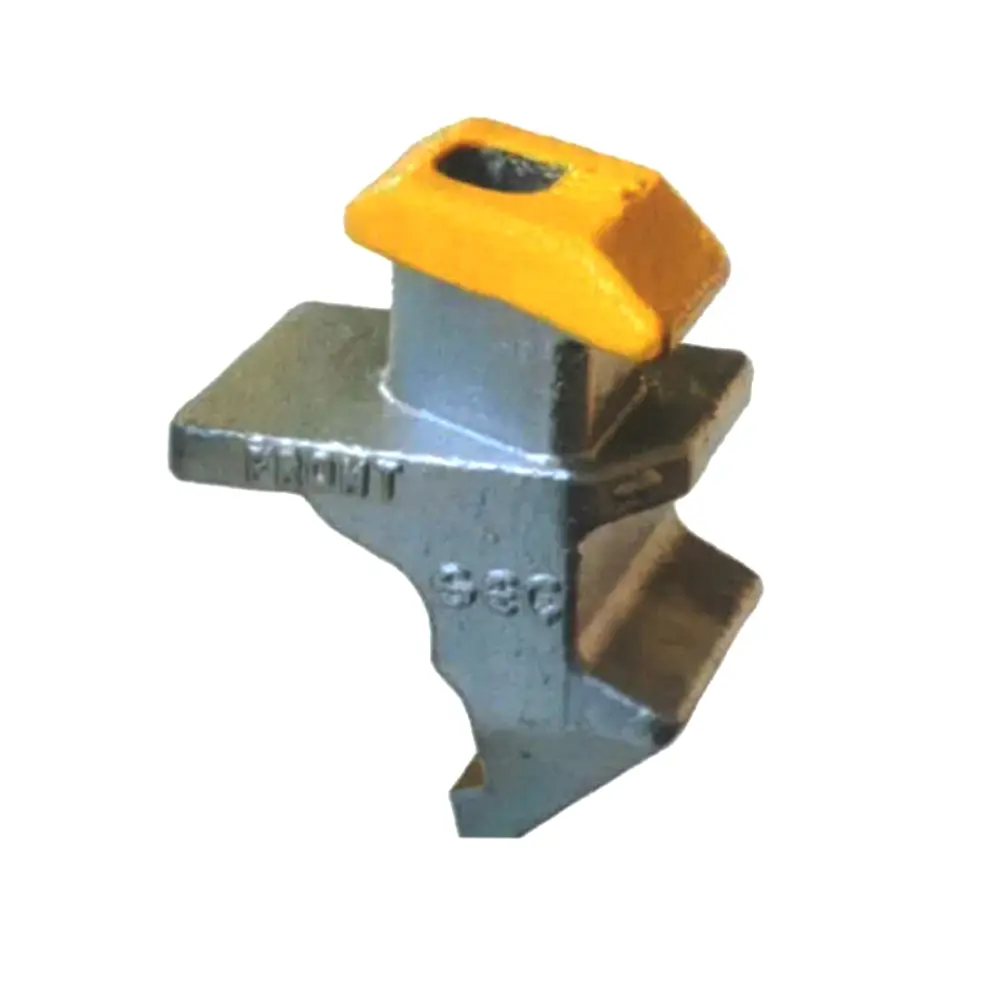
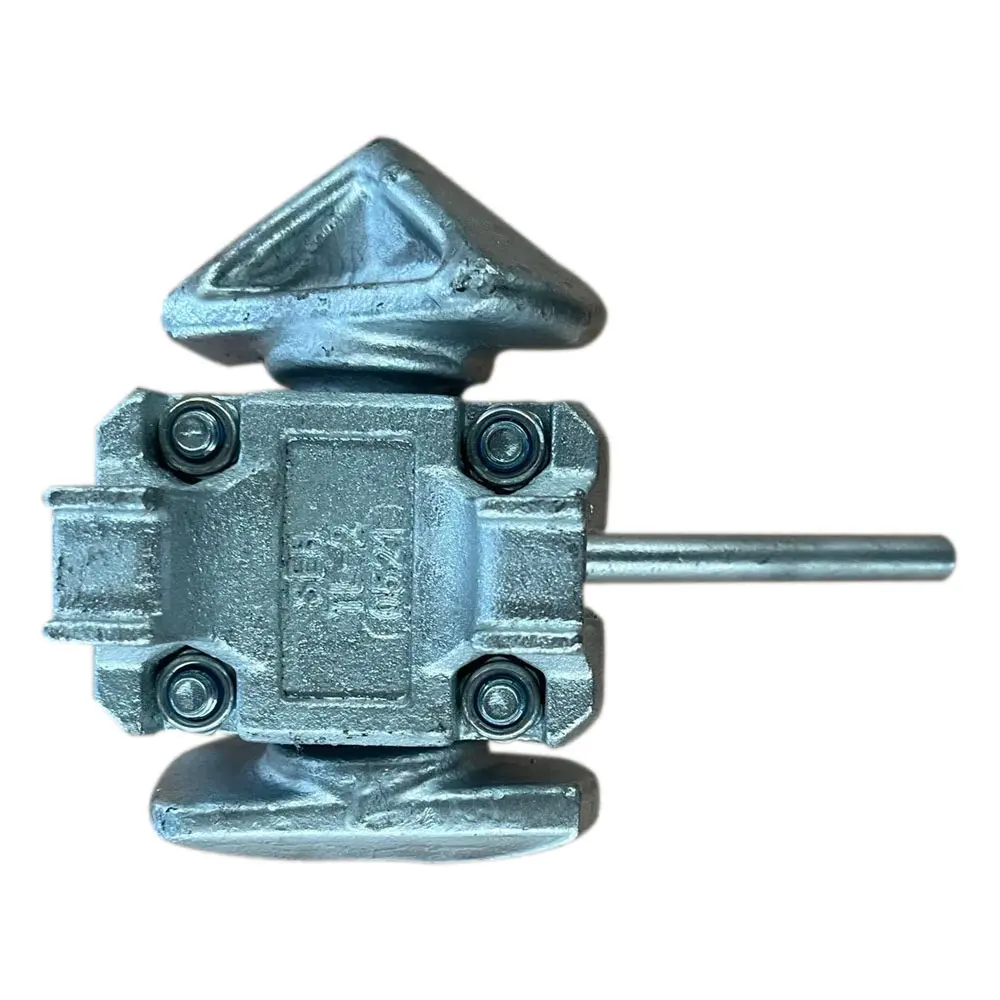
What is a Fully Automatic Twistlock?
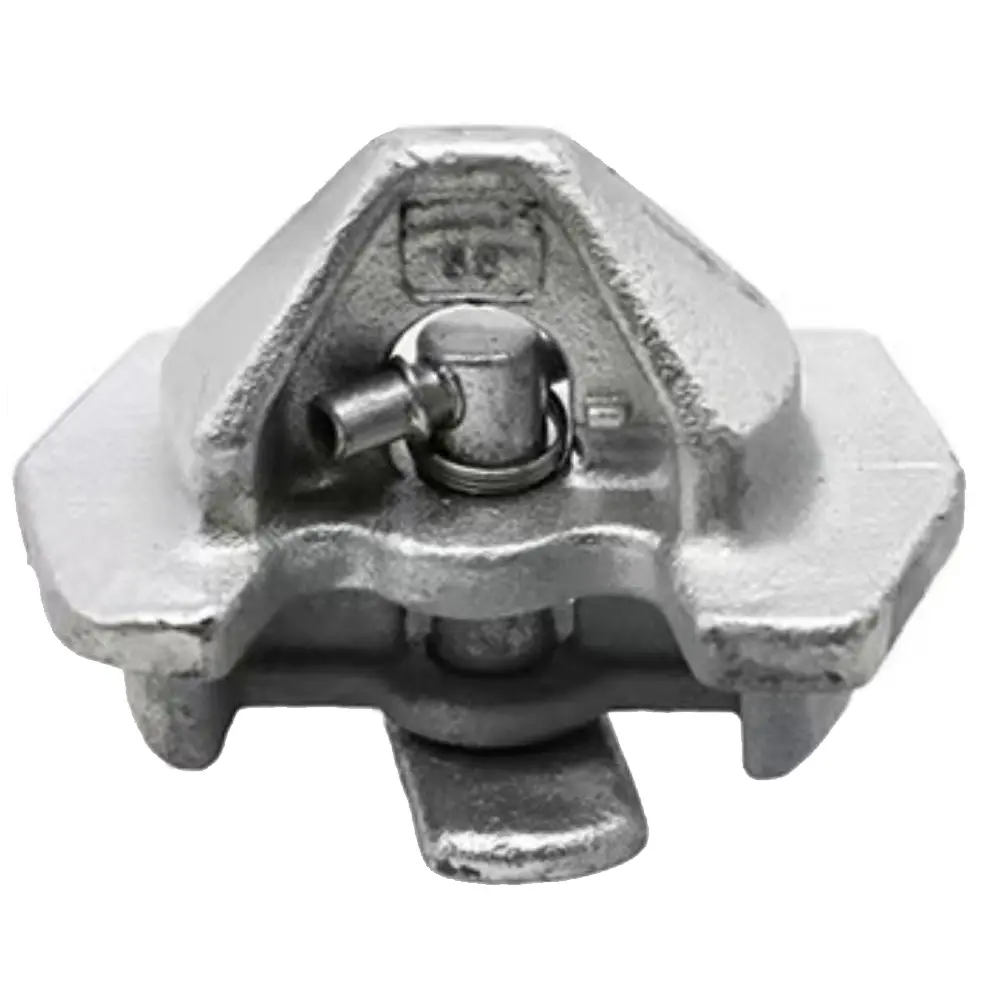
An Automatic Twist Lock is designed for maximum efficiency and minimal manual intervention. As the name implies, it operates entirely without direct human handling.
-
Mechanism: It features a locking pin (cam) that is spring-loaded. This pin rests in the unlocked position when the container is lifted alone.
-
-
Locking: When a container is lowered onto another container or a chassis, a cone-shaped guide on the bottom of the lock engages with a corner casting hole. This physical contact pushes the locking pin upward, compressing the spring and allowing the pin to slide into the hole. Once fully seated, the spring forces the pin to rotate 90 degrees, automatically locking the two units together.
-
Unlocking: The process is reversed during unloading. When the top container is hoisted, the locking pin is pulled upward against the corner casting, which forces it to rotate back and retract, disengaging the lock.
-
-
Key Takeaway: The Fully Automatic Twistlock requires no worker to be on the container to engage or disengage it, streamlining the process significantly.
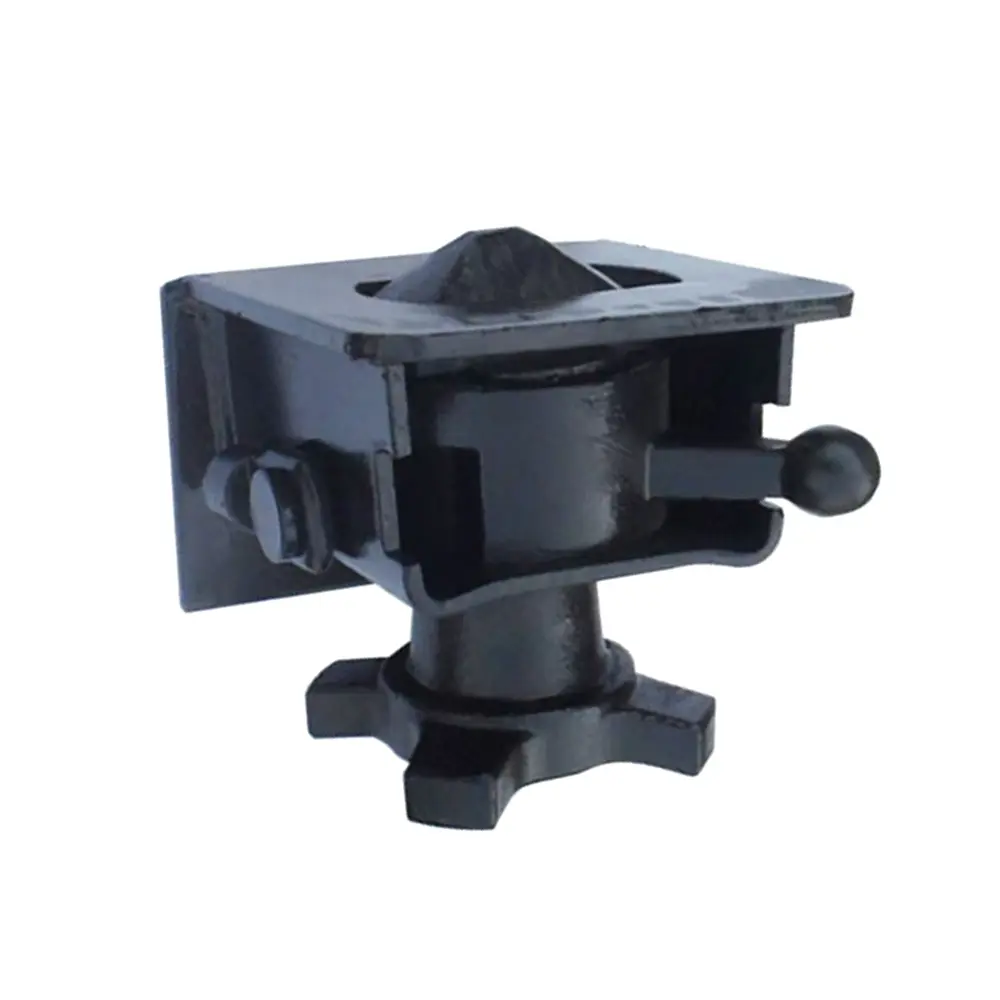
What is a Semi-Auto Twist Lock?
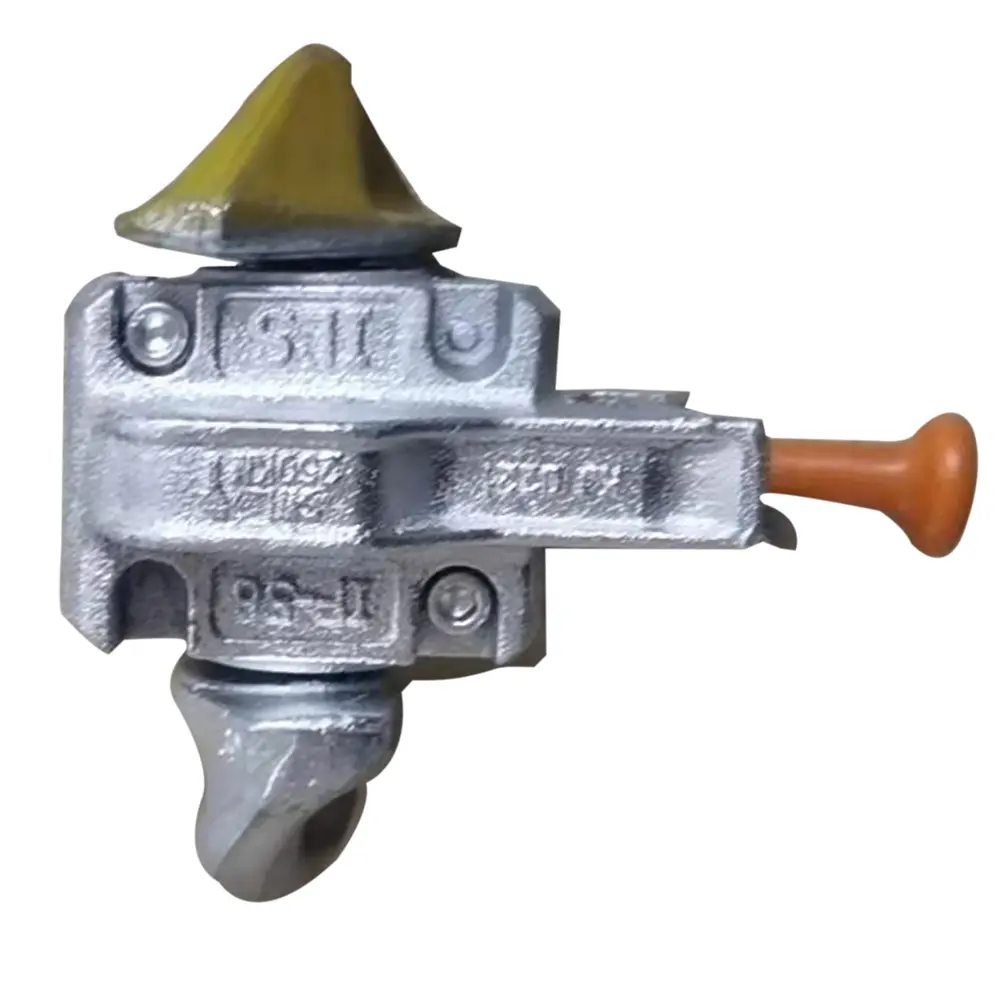
A Semi-Auto Twist Lock blends automation with a crucial manual step. It automates the locking process but requires a worker to manually initiate the unlocking sequence.
-
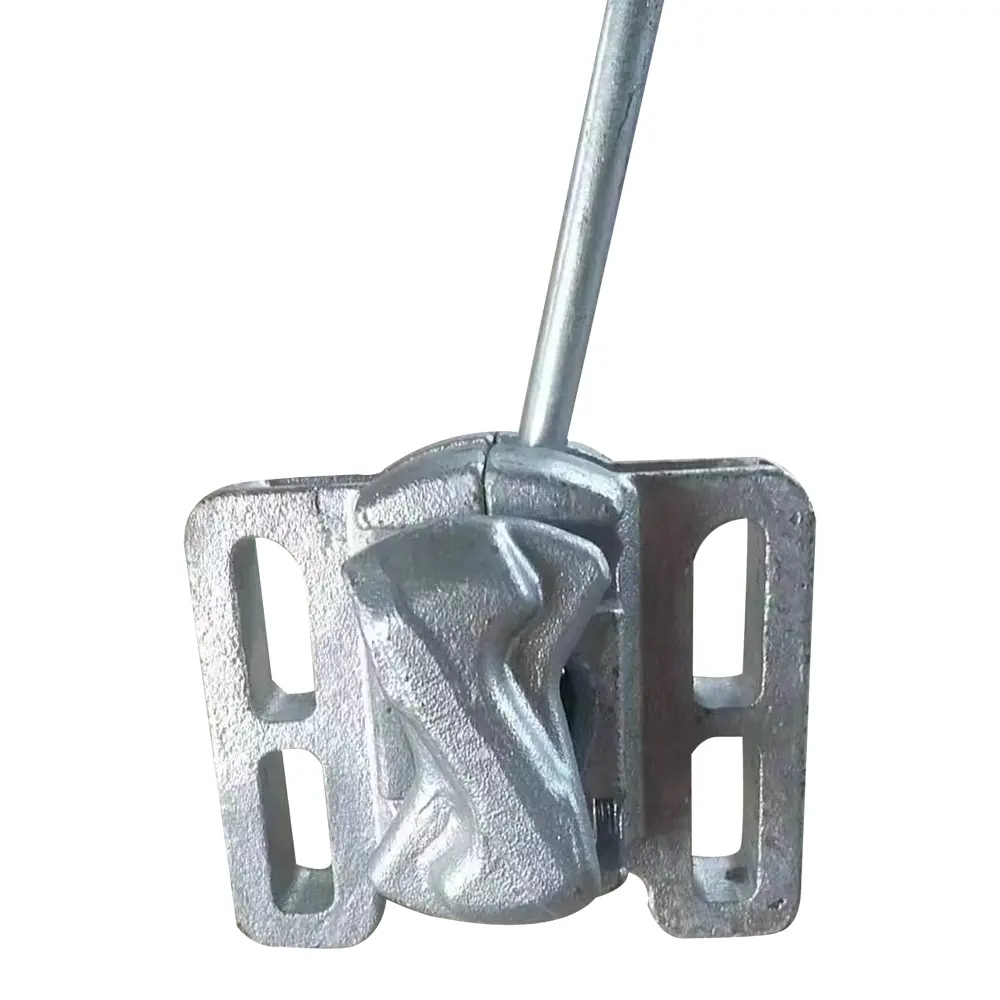
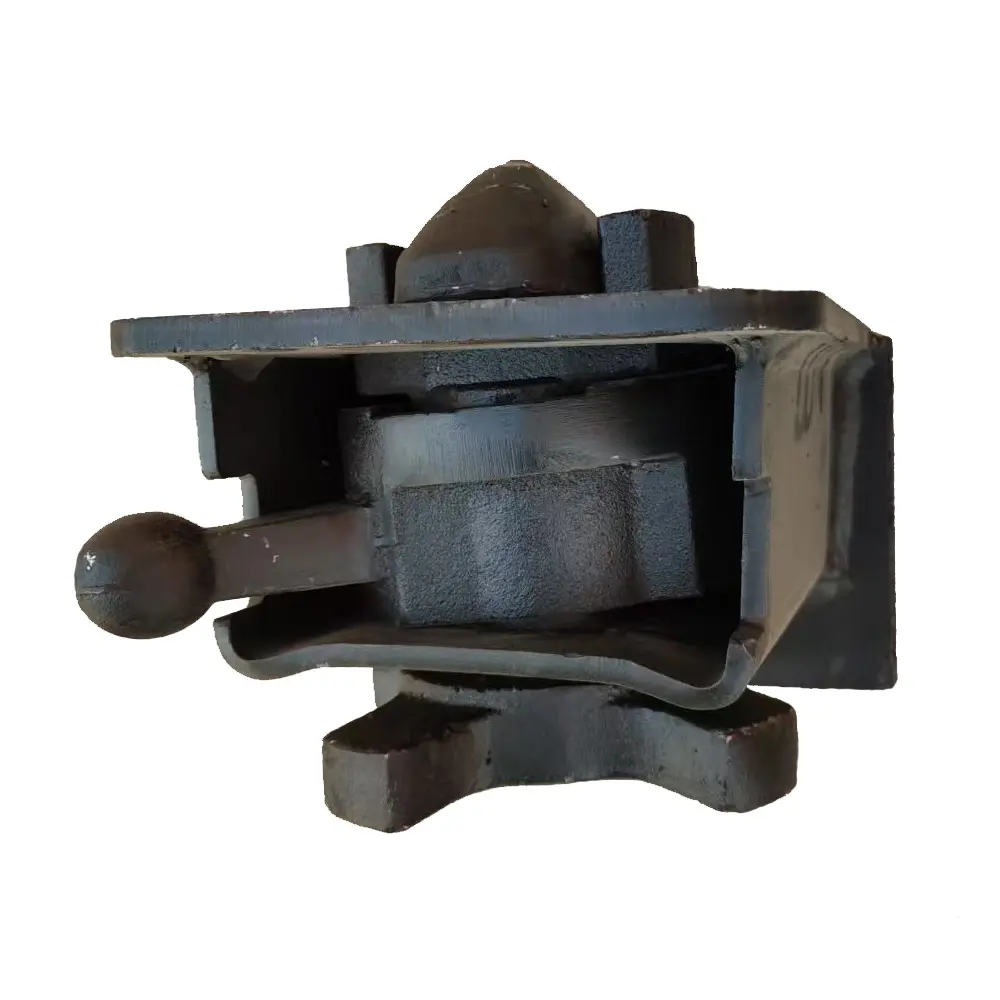
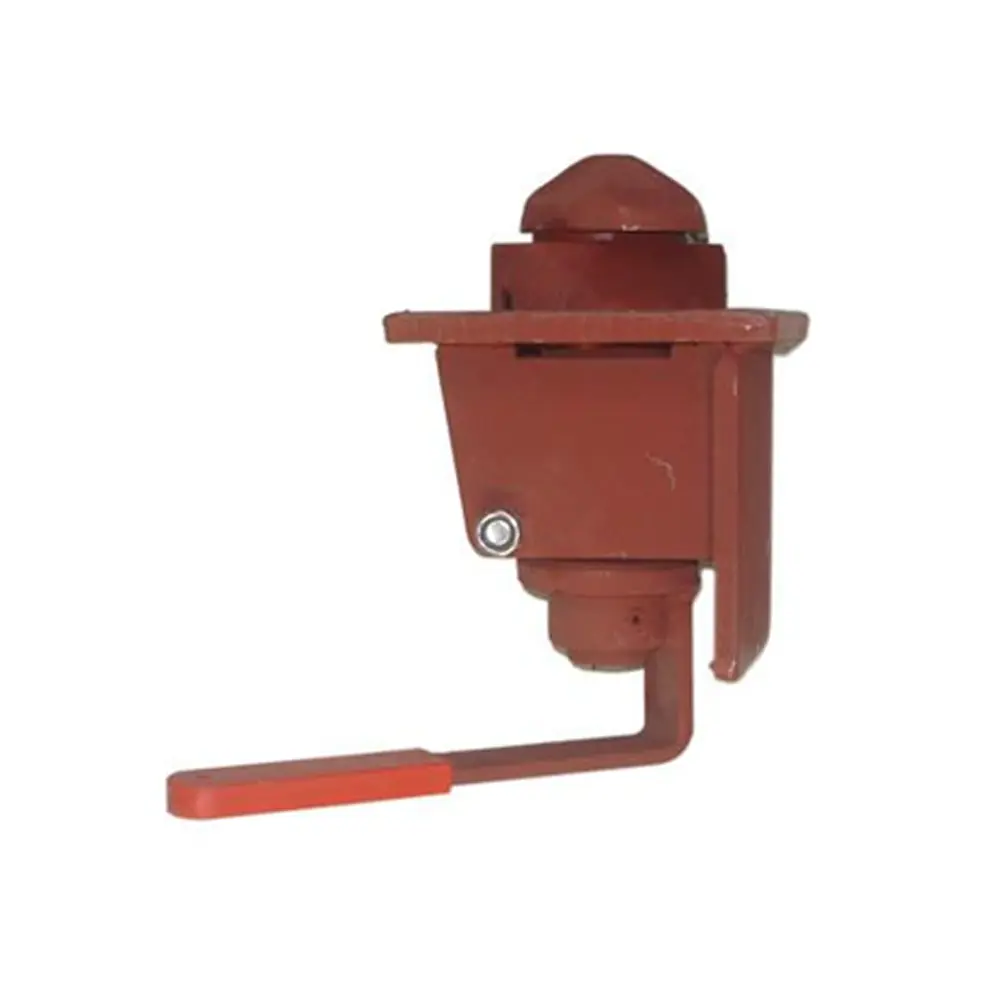
Mechanism: It also has a spring-loaded locking pin, but it is equipped with a manual lever or handle.
-
The “Semi-Automatic” Sequence:
-
Locking: Similar to the automatic version, the locking process is hands-free. When the container is lowered, the lock automatically engages as the pin is depressed and rotated into the locked position.
-
Unlocking: This is the critical difference. To unlock, a worker must physically access the lock and pull a lever or handle. This action manually rotates the locking pin back to its unlocked position, allowing the container to be lifted away.
-
-
Key Takeaway: The Semi-Auto Twist Lock offers automated locking for efficiency but adds a layer of manual control and safety verification during the unlocking phase.
Part 2: Head-to-Head Comparison – Automatic vs. Semi-Auto
This table provides a clear, at-a-glance comparison of the two systems across critical operational factors.
| Feature | Automatic Twist Lock | Semi-Auto Twist Lock |
|---|---|---|
| Operation Speed | Faster. Fully automated cycle enables rapid container handling, ideal for high-throughput ports. | Slightly Slower. The manual unlocking step adds time per cycle. |
| Labor Requirement | Lower. Eliminates the need for workers to access the top of containers, reducing labor costs and deployment. | Higher. Requires a worker to manually unlock each mechanism. |
| Initial Cost | Higher. More complex internal mechanism leads to a higher per-unit cost. | Lower. Simpler design makes it a more budget-friendly option upfront. |
| Safety | High, with a critical caveat. Excellent for worker safety as no one needs to be on the stack. Risk arises if a lock fails to auto-disengage, leading to a “snag lift” where two containers are lifted together. | Very High. The manual unlock provides a positive visual and physical confirmation that the lock is disengaged, preventing snag lifts. |
| Ideal Application | High-volume container terminals, ship-to-shore operations, and fully automated stacking yards. | General-purpose container trucks, intermodal freight transport, and terminals where manual safety checks are standard. |
| Reliability & Maintenance | Can be prone to jamming if debris or ice interferes with the auto-disengage mechanism. Requires rigorous inspection. | Robust and less prone to disengagement failure due to its simpler mechanism and manual override. |
Part 3: How to Choose: A Decision-Making Framework
Selecting the right Container Twist Lock depends on your specific operational priorities. Ask yourself these questions:
Choose an Automatic Twist Lock if:
-
Throughput is Your King: Your primary goal is maximizing the number of moves per hour in a controlled, high-volume environment like a major port.
-
You are Automating Your Yard: You are investing in a fully or semi-automated terminal where minimizing human presence on the stack is a core safety and efficiency goal.
-
Labor Costs are a Major Concern: You need to reduce long-term operational expenses associated with manual labor.
Choose a Semi-Auto Twist Lock if:
-
Safety is Your Paramount Concern: You operate in an environment where the absolute prevention of snag lifts is non-negotiable. The manual unlock provides a crucial safety check.
-
You Value Cost-Effectiveness: You need a reliable, high-performance lock but have budget constraints that make the higher initial cost of automatic locks prohibitive.
-
Your Operations are Diverse: Your containers are handled across various scenarios—by trucks, rail, and smaller terminals—where the simplicity and reliability of the semi-automatic design are advantageous.
-
You Handle Mixed Cargo: The manual control is beneficial for non-standard operations or delicate cargo where extra care is needed during unlocking.
Conclusion: There is No One-Size-Fits-All Answer
The debate between Automatic Twist Lock and Semi-Auto Twist Lock technology is not about which is universally “better,” but about which is right for your specific operation. The automatic system offers unparalleled speed for high-volume, automated environments, while the semi-automatic system provides an unbeatable blend of efficiency, safety, and cost-control for most general and intermodal applications.
Making the wrong choice can lead to inefficiencies, safety incidents, and unexpected costs. Therefore, the decision must be based on a careful analysis of your workflow, budget, and safety protocols.
Related Products