Introduction: The High Cost of Getting It Wrong
Every year, cargo that shifts or falls from moving vehicles causes accidents, injuries, and millions of dollars in damage. In many cases, the root cause is not a defective strap—it’s a mistake in how the strap was selected, used, or maintained.
A tie down strap is only as effective as the person using it. Even a high-quality, properly rated strap can fail if it’s applied incorrectly or pushed beyond its limits. For fleet operators, understanding these common mistakes is not just about compliance—it’s about protecting drivers, cargo, and the business.
This guide covers the seven most common tie down strap mistakes that put fleets at risk—and how to avoid them.
Mistake 1: Confusing Working Load Limit (WLL) with Breaking Strength
The Mistake
The most common and dangerous mistake is using breaking strength instead of Working Load Limit (WLL) to determine how much cargo a strap can secure. Breaking strength is the force at which the strap will fail completely. WLL is the maximum load the strap can handle safely during normal use—and it’s typically one-third of the breaking strength.
For example, a 2-inch ratchet strap with a breaking strength of 10,000 lbs has a WLL of approximately 3,333 lbs. If you use the breaking strength to calculate your securement needs, you’re overloading the strap by a factor of three.
Why It Matters
The 3:1 safety ratio exists because dynamic forces during transport—braking, acceleration, cornering, and road vibration—multiply the static weight of your cargo. A strap loaded to its breaking strength will fail under normal driving conditions.
How to Avoid It
-
Always use the WLL when calculating securement requirements
-
Check the strap’s label for the WLL—if it’s not marked, don’t use it
-
Ensure the combined WLL of all straps exceeds the total cargo weight
-
Remember: WLL = Breaking Strength ÷ 3
Mistake 2: Using Damaged or Worn Straps
The Mistake
Continuing to use a strap with visible damage—cuts, fraying, UV fading, or rusted hardware—is a serious safety risk. Some operators keep damaged straps in service because “they still look okay” or “they’ve never failed before.”
Why It Matters
Damage weakens the strap’s load-bearing capacity. A single deep cut can reduce breaking strength by 50% or more. UV degradation from sun exposure breaks down the polyester fibers over time. Rusted hooks can fail suddenly under load.
The industry standard is clear: any cut or erosion greater than 1/4 inch renders the strap unsafe. UV fading—indicated by color loss—is a sign that the webbing has lost strength.
How to Avoid It
-
Inspect straps before every use
-
Look for cuts, frays, fading, and rust
-
Check the stitching for loose or broken threads
-
Discard any strap with damage exceeding 1/4 inch
-
Replace rusted or deformed hooks
Mistake 3: Incorrect Strap Routing or Anchoring
The Mistake
Routing a strap over a sharp edge, through a damaged anchor point, or at a bad angle reduces its effectiveness and can cause failure. Common errors include:
-
Running straps over sharp corners without protection
-
Anchoring to non-structural components
-
Using the wrong hook type for the anchor point
-
Routing straps that can shift or loosen during transit
Why It Matters
Sharp edges cut webbing. Non-structural anchors can pull free under load. Wrong hook types can slip or detach. Poor routing allows straps to loosen as the vehicle moves, reducing tension and compromising securement.
How to Avoid It
-
Use edge protectors or soft loops when routing over sharp edges
-
Anchor only to structural, load-rated points
-
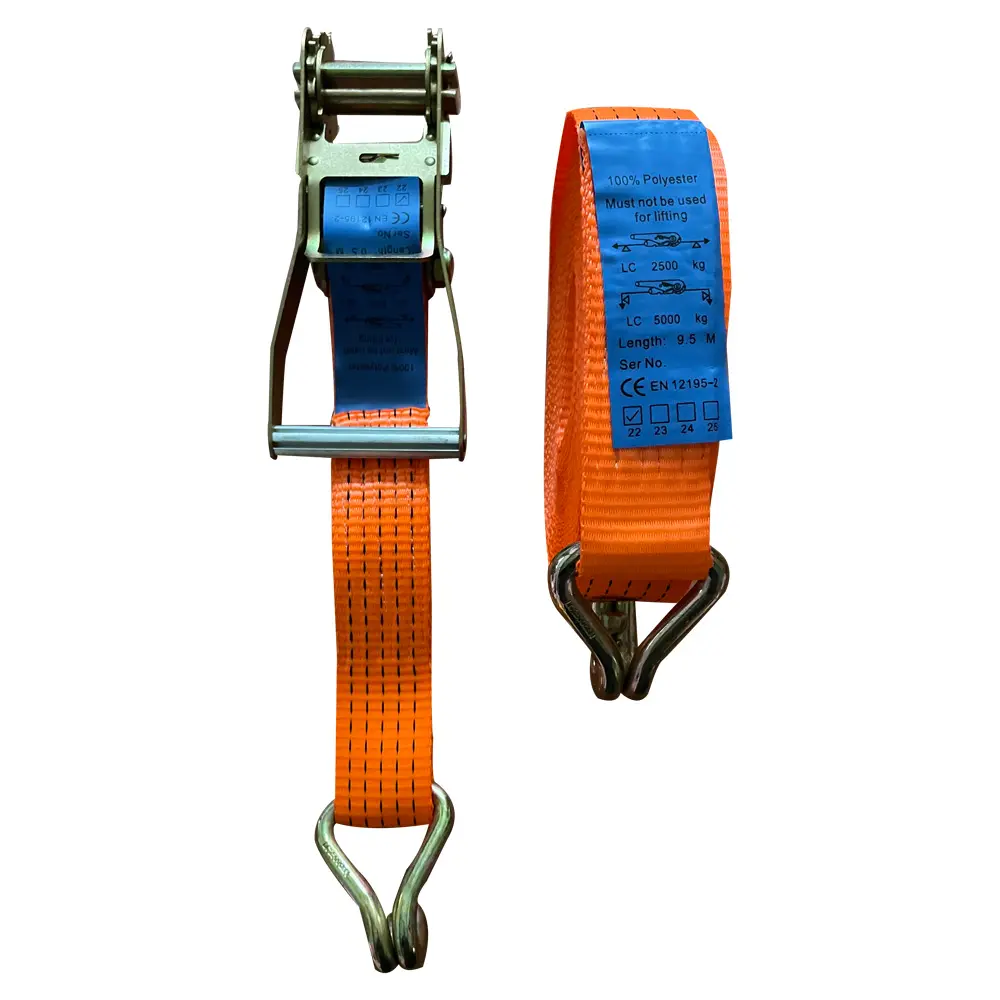
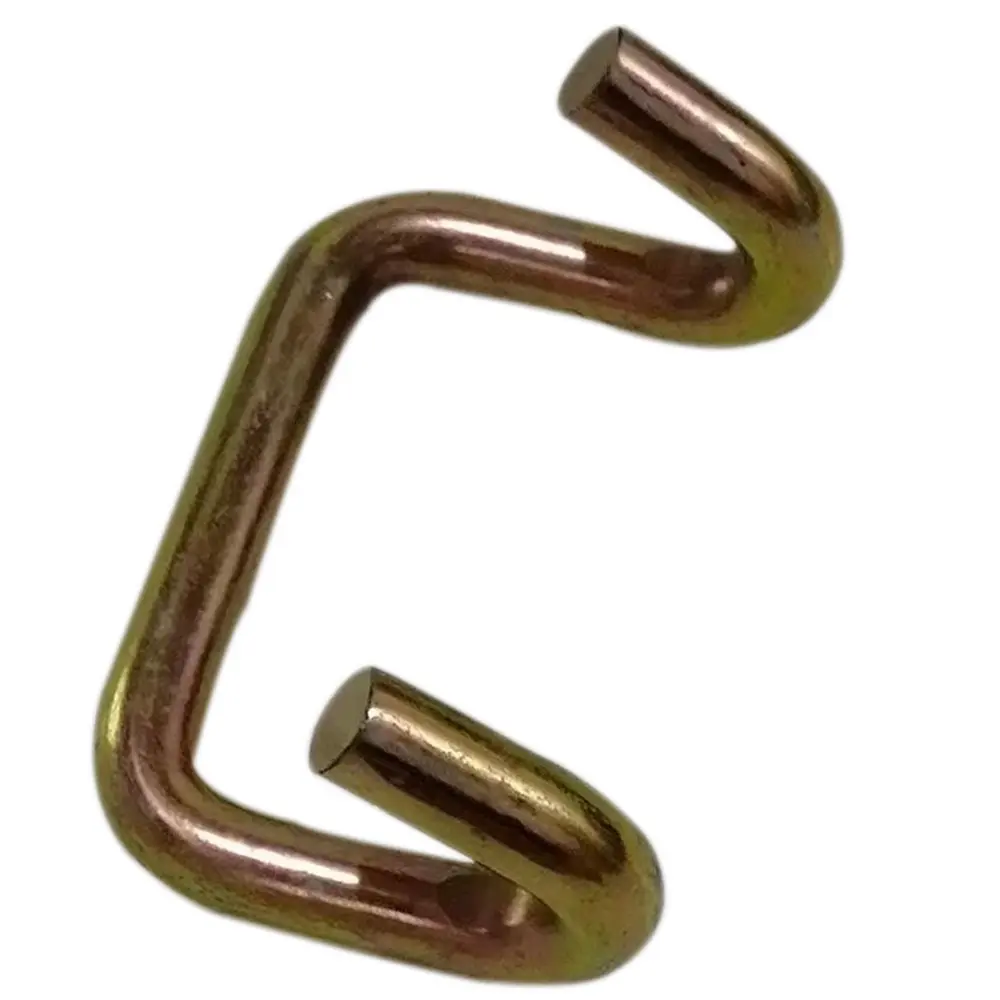
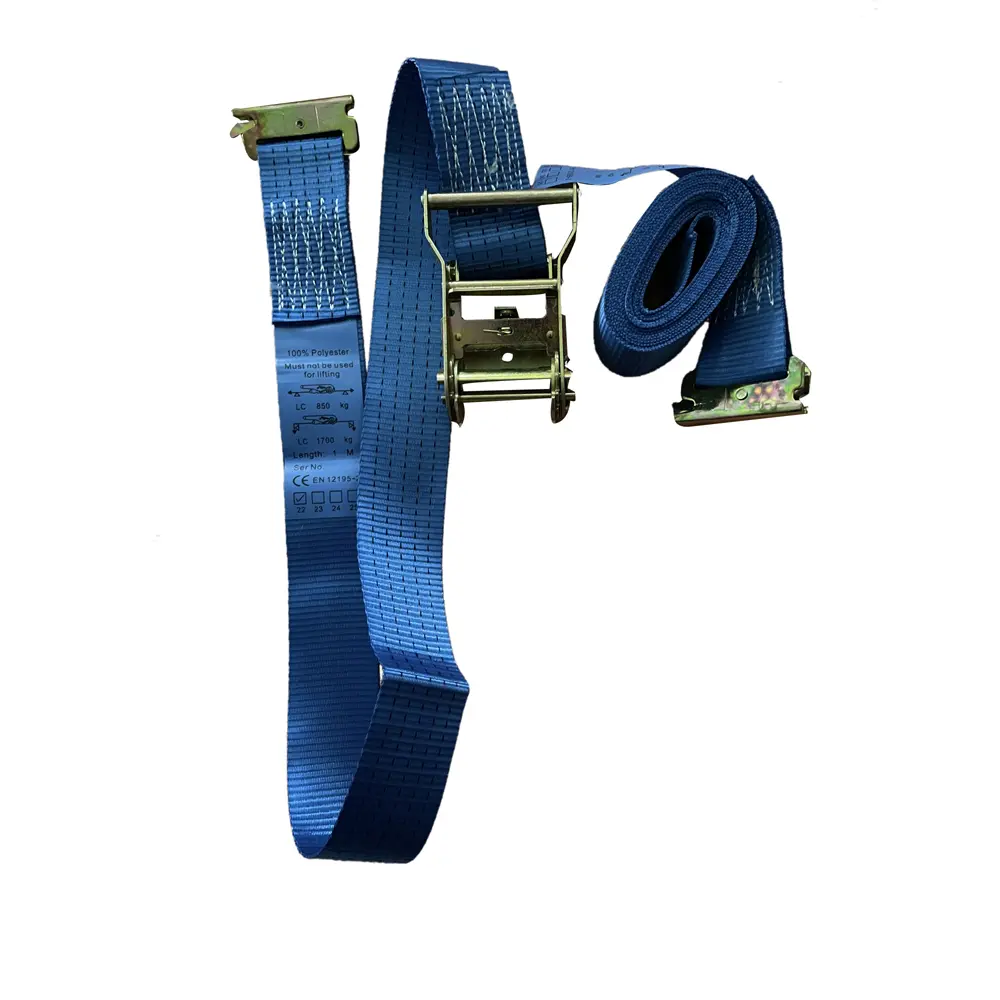
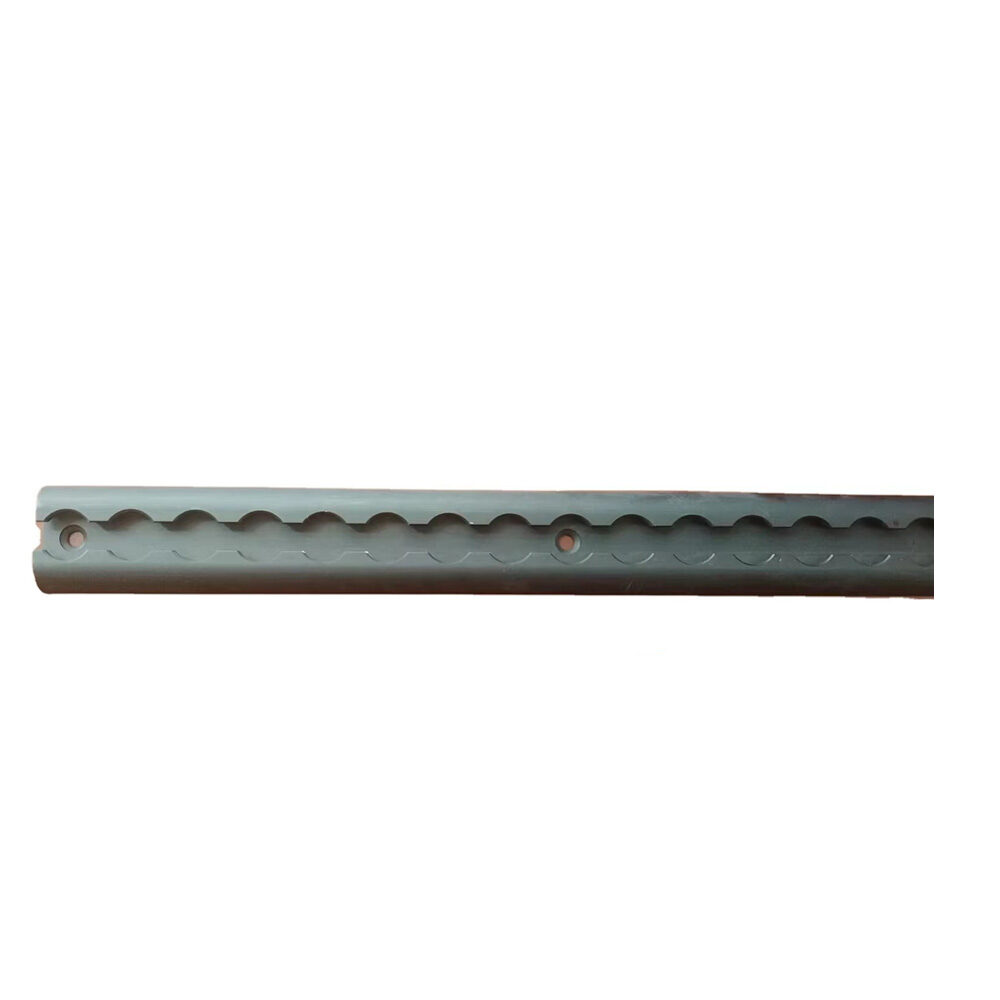
Match the hook type to the anchor: flat hooks for E-track, J-hooks for D-rings, snap hooks for quick attachment
-
Route straps so they maintain tension throughout the journey
-
Use the “two-strap” method for heavy loads—one strap pulling forward, one pulling backward
Mistake 4: Over-Tightening or Under-Tightening Straps
The Mistake
Getting the tension right is a balance. Over-tightening can damage cargo, deform the strap, or stress the anchor points. Under-tightening allows cargo to shift, creating dynamic loads that can overwhelm the strap.
Why It Matters
Over-tightening a ratchet strap can bend the ratchet frame or stretch the webbing beyond its elastic limit. Under-tightened straps allow cargo to move, generating impact forces that far exceed the static weight.
How to Avoid It
-
Tighten until the strap is snug and the cargo cannot move
-
For ratchet straps, stop when the handle becomes difficult to close
-
For cam buckle straps, pull by hand until taut—don’t over-pull
-
Check tension after the first few miles and re-tighten if needed
-
Use a tension indicator if available
Mistake 5: Skipping Regular Inspections and Maintenance
The Mistake
Treating tie down straps as “fit and forget” equipment. Straps that are never inspected or maintained degrade silently until they fail.
Why It Matters
Straps are exposed to UV radiation, moisture, chemicals, and abrasion. Over time, these factors weaken the webbing and corrode the hardware. Without regular inspection, you won’t know a strap is compromised until it’s too late.
How to Avoid It
-
Inspect straps before every use and before storage
-
Clean straps with mild soap and water after use
-
Dry thoroughly before storing—never store wet
-
Store in a dark, cool, dry place away from sunlight
-
Lubricate ratchet mechanisms periodically
-
Maintain a replacement schedule based on usage and conditions
Mistake 6: Using the Wrong Strap for the Application
The Mistake
Using a cam buckle strap for a heavy load, or a ratchet strap for a delicate item, is a mismatch that leads to failure. Each strap type has its intended application.
Why It Matters
Cam buckle straps are designed for light loads—typically up to 500 lbs WLL. Using them for heavy equipment is dangerous. Ratchet straps, on the other hand, can exert enough force to crush fragile cargo.
How to Avoid It
-
Match the strap type to the load:
-
Cam buckle straps: light loads (under 500 lbs WLL), frequent adjustment
-
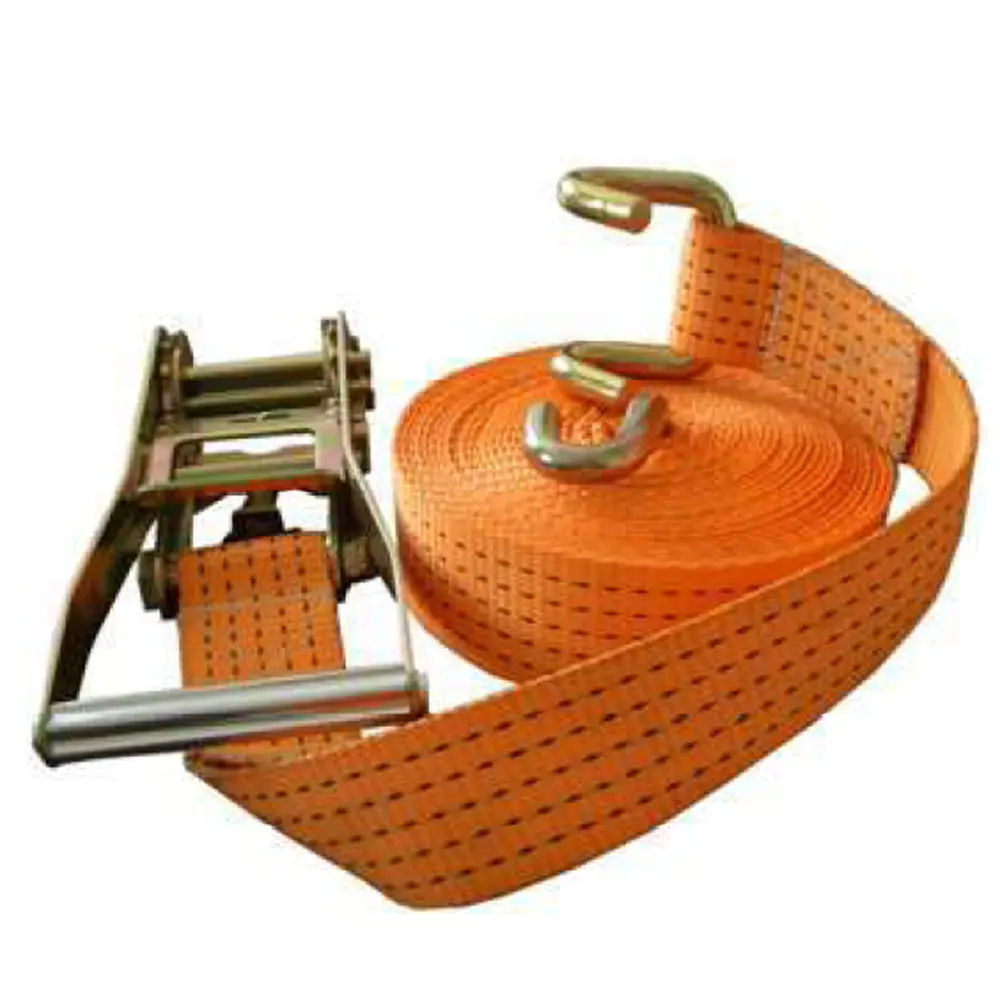
Ratchet straps: heavy loads (over 500 lbs WLL), maximum security
-
E-track straps: specialized for track systems
-
-
Consider the cargo’s fragility—use softer straps for delicate items
-
Use wider straps for heavier loads (2-inch or 4-inch)
Mistake 7: Ignoring Legal and Compliance Requirements
The Mistake
Failing to comply with cargo securement regulations—such as those set by FMCSA or DOT—can result in fines, out-of-service orders, and liability in case of an accident.
Why It Matters
Regulations specify:
-
Minimum number of tie-downs based on cargo weight
-
Required WLL for straps
-
Inspection and maintenance standards
-
Labeling requirements (WLL must be marked on the strap)
Using unmarked straps or failing to meet securement requirements is not just unsafe—it’s illegal.
How to Avoid It
-
Use straps with clear WLL labeling
-
Know the regulations for your region and cargo type
-
Ensure the combined WLL of all straps meets or exceeds requirements
-
Keep records of inspections and replacements
-
Train drivers and loading personnel on compliance
Mistake 8: Using Knots Instead of Proper Hardware
The Mistake
Tying knots in webbing to shorten a strap or create a loop is a common shortcut that creates a serious safety hazard. Whether it’s a simple overhand knot or a more complex hitch, any knot in a tie down strap compromises its integrity.
Why It Matters
Knots reduce strap strength by up to 50%. They create stress concentrations at the bend points, causing the webbing to fail at loads far below its rated capacity. A knotted strap may look secure, but it is unpredictable and dangerous. The knot also prevents even tension distribution, allowing the load to shift.
How to Avoid It
-
Never tie knots in webbing
-
Use straps of the correct length for the job
-
Add extensions with proper hardware when extra length is needed
-
Use soft loops or axle straps for wrapping around anchor points
-
If a strap is too long, fold and secure the excess with a strap keeper—do not knot it
Quick Reference: Tie Down Strap Do’s and Don’ts
| Do | Don’t |
|---|---|
| Use WLL for load calculations | Use breaking strength |
| Inspect before every use | Use damaged or worn straps |
| Use edge protection | Route over sharp edges |
| Match hook to anchor | Use wrong hook type |
| Tighten until snug | Over- or under-tighten |
| Store dry and dark | Store wet or in sunlight |
| Match strap to load | Use cam buckle for heavy loads |
| Follow regulations | Ignore labeling requirements |
The HangCheng Advantage
At HangCheng, we understand that tie down straps are safety-critical equipment—not commodities. That’s why we manufacture our straps with:
-
High-strength polyester webbing for low stretch and UV resistance
-
Clear WLL labeling on every strap
-
Corrosion-resistant hardware for long service life
-
Multiple configurations – ratchet, cam buckle, E-track, and custom options
Our full-cycle design-to-manufacturing capability means we can customize strap length, width, hook type, and color to match your specific fleet requirements. From raw material to finished strap, every step happens under our roof—ensuring consistent quality, shorter lead times, and competitive pricing.
We also offer:
-
Technical support to help you select the right straps for your application
-
Custom branding for fleet identification and theft deterrence
-
Volume pricing for fleet-wide orders
Final Thoughts
Tie down strap mistakes are preventable. By understanding the common errors covered in this guide—and taking steps to avoid them—you can protect your cargo, your drivers, and your business.
Remember: the cost of a quality strap is insignificant compared to the cost of a failed one. Choose wisely, inspect regularly, and use correctly.
Contact us for more information; bulk orders enjoy discounts.
Related Products