For anyone responsible for securing cargo, from fleet managers to owner-operators, the choice of a track system isn’t about hardware—it’s about security, efficiency, and versatility. In the world of logistics, two systems dominate: the heavy-duty champion E-Track and the sleek, flexible specialist L-Track (often called T-Track or airline track). Choosing incorrectly can lead to wasted money, damaged goods, and unsafe loads.
This definitive guide breaks down the key differences between E-Track for trailers and L-Track for trucks and trailers. We’ll explore their unique designs, strengths, ideal applications, and provide a clear framework to help you select the perfect system for your specific cargo control needs.
Part 1: Know Your Contenders – E-Track and L-Track Defined
Before diving into the comparison, let’s establish what each system is.
What is E-Track?
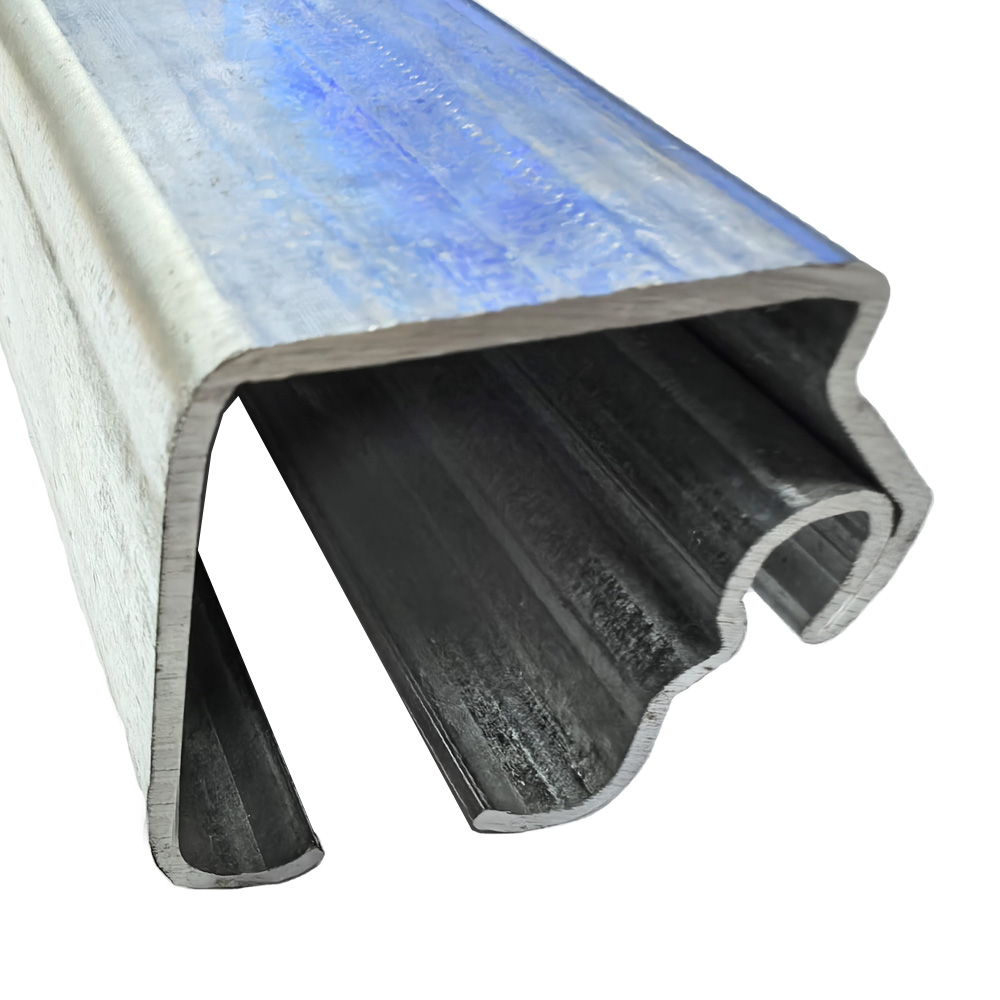
E-Track is a heavy-duty cargo securing system characterized by a series of elongated, “E”-shaped holes (slots) punched into a steel rail. These rails are typically mounted horizontally along the walls or vertically on the posts of a trailer or truck body. The standardized 2-inch spacing between the slots allows for infinite, secure attachment points. Accessories like rings, winches, and straps connect via special E-Track fittings that lock securely into these slots. Its primary purpose is to provide robust, high-strength anchor points for restraining heavy, shifting loads over the road.
Common Sizes & Keywords: The standard E Track Tie Down Rail comes in various lengths and gauges (thicknesses), with common widths being 2-inch and 4-inch. It’s the undisputed king of North American trucking and is what most people picture when they think of trailer cargo rails.
What is L-Track (T-Track)?
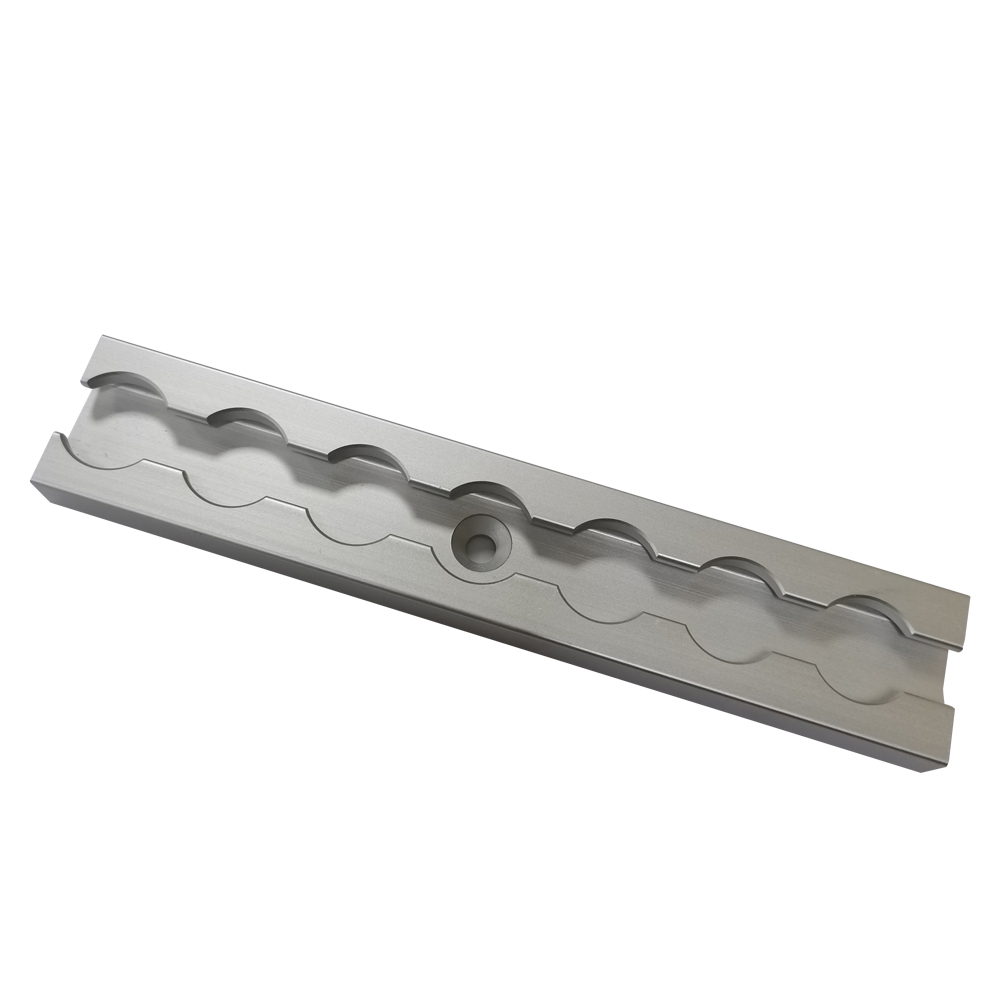
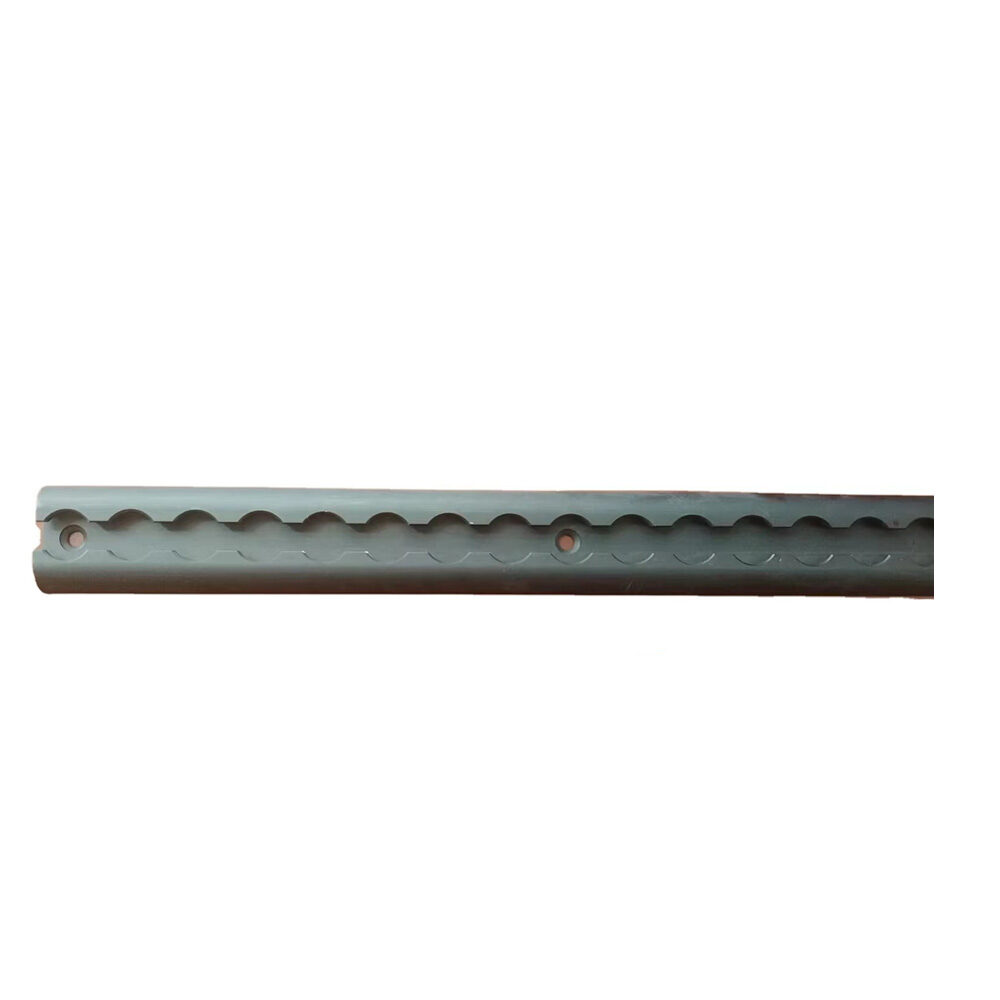
L-Track, also known as T-Track, Tie-Down Track, or Airline Track, features a low-profile aluminum or steel track with a smooth, continuous T-shaped slot. Accessories are attached using specialized studs or bolts that slide into this channel and are locked in place with a rotating mechanism. Its design prioritizes a flush, snag-free profile and multi-directional attachment. The “L” often refers to its common use in aerospace (hence “airline track”), but it has become immensely popular in high-end transportation.
Common Sizes & Keywords: L-Track for Truck and Trailer is praised for its clean look and flexibility. While slightly less common in heavy freight, it is the preferred choice for applications where a smooth interior, precise positioning, and versatile load management are critical.
Part 2: Head-to-Head Comparison – A Detailed Breakdown
This side-by-side analysis will clarify where each system excels.
| Feature | E-Track | L-Track (T-Track) |
|---|---|---|
| Core Design | Steel rail with repeating E-shaped slots. | Flush-mounted track with a continuous T-shaped slot/channel. |
| Primary Material | Powder-coated or galvanized steel. | Anodized aluminum or stainless steel (corrosion-resistant). |
| Profile & Surface | Protrudes from the wall (typically 1-1.5 inches). Surface has distinct holes. | Very low profile, often nearly flush. Smooth, continuous surface. |
| Attachment Method | Fittings are inserted into the slots and locked mechanically (spring-loaded or manual). | Studs are slid into the channel and rotated 90° to lock. |
| Attachment Points | Fixed at 2-inch intervals (the center of each slot). | Infinitely adjustable along the entire length of the track. |
| Load Capacity | Very High. Engineered for extreme heavy-duty restraint (often 5,000 lbs+ per fitting). | High, but generally lower than E-Track. Excellent for most cargo but aimed at medium-duty precision. |
| Directional Strength | Bi-directional. Strongest resistance against forces pulling directly away from the track. | Multi-directional. Excellent strength against pull-out, shear, and lateral forces. |
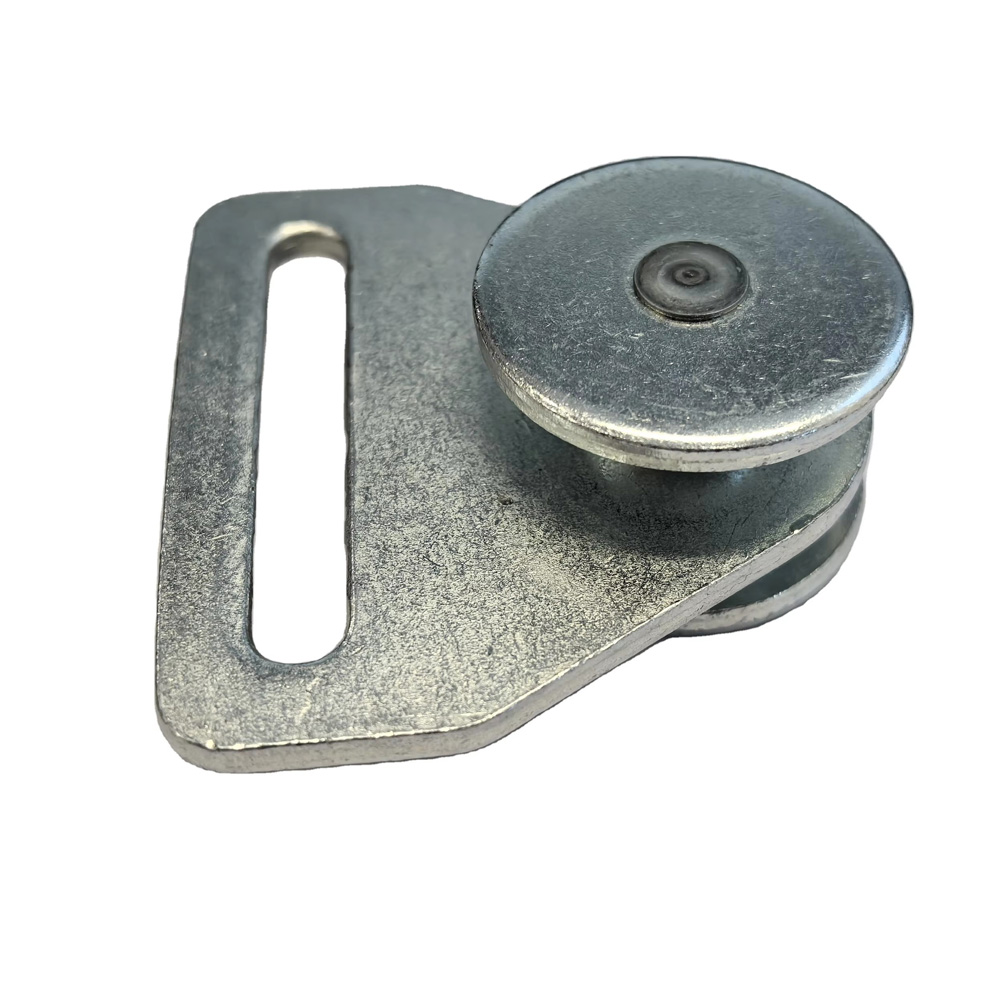
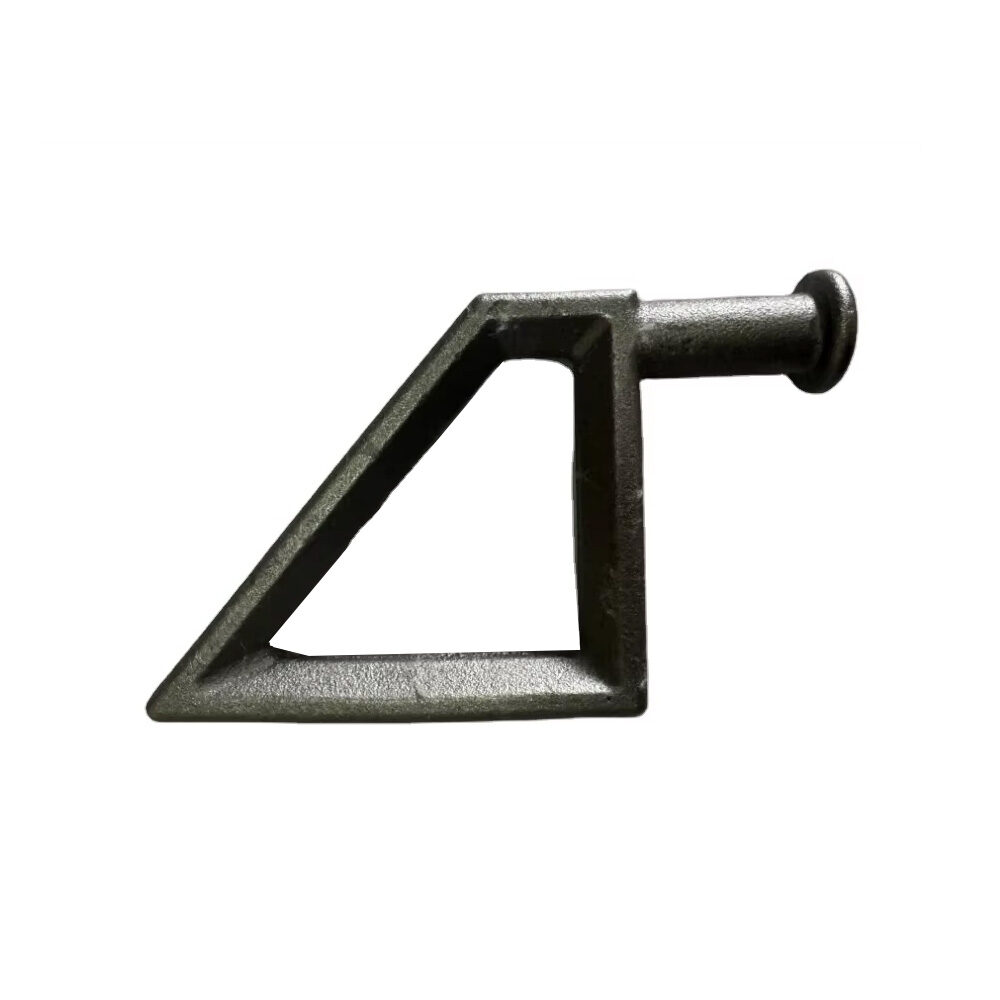
| Common Accessories | D-Rings, Winch Plates, Web Rails, Hardware. | Flat Rings, Adjustable Loops, Seat Track Fittings, specialized hardware. |
Part 3: Choosing the Right System – Application-Based Scenarios
The best choice depends entirely on your specific use case. Here’s a clear guide:
When to Choose E-Track (The Heavy-Duty Workhorse)
Choose E-Track for trailer and truck if your priorities are:
-
Maximum Strength & Security: You’re hauling heavy pallets, industrial equipment, construction materials, or any dense, high-weight cargo that requires ultimate restraint.
-
Cost-Effectiveness & Availability: E-Track systems and their accessories are widely available and often more economical for standard heavy-duty applications.
-
Standardized Fleet Operations: You run a fleet of dry vans or flatbeds and want a uniform, universally understood system that any driver or dock worker can use quickly.
-
High-Abrasion Environments: The steel construction can better withstand impacts from forklifts, pallet jacks, and rough cargo.
Ideal Applications: General freight dry vans, flatbed trailers (mounted on the deck), heavy equipment transport, moving trucks, lumber/construction hauling.
When to Choose L-Track (The Versatile Specialist)
Choose L-Track for Truck and Trailer if your priorities are:
-
Clean, Snag-Free Interiors: You need a smooth wall to maximize space, prevent cargo from catching, and allow for easy cleaning (critical for expedited, sensitive, or livestock transport).
-
Precise, Infinitely Adjustable Positioning: You secure irregularly shaped cargo (motorcycles, race cars, medical equipment) and need to place tie-down points exactly where the load requires.
-
Multi-Axis & Versatile Restraint: Your cargo requires restraint from multiple angles (not just lateral), such as in emergency vehicles, mobile workshops, or luxury car haulers.
-
Corrosion Resistance & Aesthetics: The anodized aluminum construction is ideal for environments with moisture, chemicals, or where a premium, clean look is valued.
Ideal Applications: Enclosed auto transporters, horse trailers, emergency/rescue vehicles, high-end expedited freight vans, RV interiors, aircraft interiors, marine applications.
Part 4: Installation & Compatibility Considerations
-
E-Track Installation: Typically requires drilling into trailer posts or walls and bolting the rail securely. Spacing and load ratings for mounting hardware are critical. It creates a rigid, permanent structure.
-
L-Track Installation: Often involves routing a channel or using flush-mount brackets. Its low profile demands more precise installation but results in a seamless finish. It can be more easily integrated into composite or thinner walls.
-
A Critical Warning: E-Track fittings and L-Track fittings are NOT interchangeable. Attempting to use the wrong accessory is extremely dangerous and will lead to failure under load. Always use fittings specifically designed and rated for your chosen track system.
Part 5: Conclusion & Final Recommendation
There is no single “best” track system—only the best system for your job.
-
For raw, heavy-duty cargo restraint in standard trailer environments, the E Track Tie Down Rail is the proven, powerful, and cost-effective champion. It is the backbone of the freight industry for a reason.
-
For versatile, precise, and clean cargo management in specialized or premium applications, L-Track offers superior flexibility, a professional finish, and multi-directional control.
The Bottom Line: Evaluate your most common cargo type, required strength, interior space needs, and budget. If strength and standardization are key, go with E-Track. If precision, flexibility, and a clean interior are paramount, invest in L-Track.
Secure Your Cargo with the Right System
Whether your fleet demands the brute strength of E-Track or the refined versatility of L-Track, choosing a high-quality system is the foundation of cargo safety.
Looking for durable, reliable E-Track rails and fittings for your heavy-duty fleet? Explore our range of certified components designed for maximum load security.
Need the precision and clean design of L-Track for your specialized trailers? Inquire about our corrosion-resistant L-Track solutions for demanding applications.
Contact us now for personalized advice; bulk orders enjoy limited-time discounts.
Related Products