Introduction
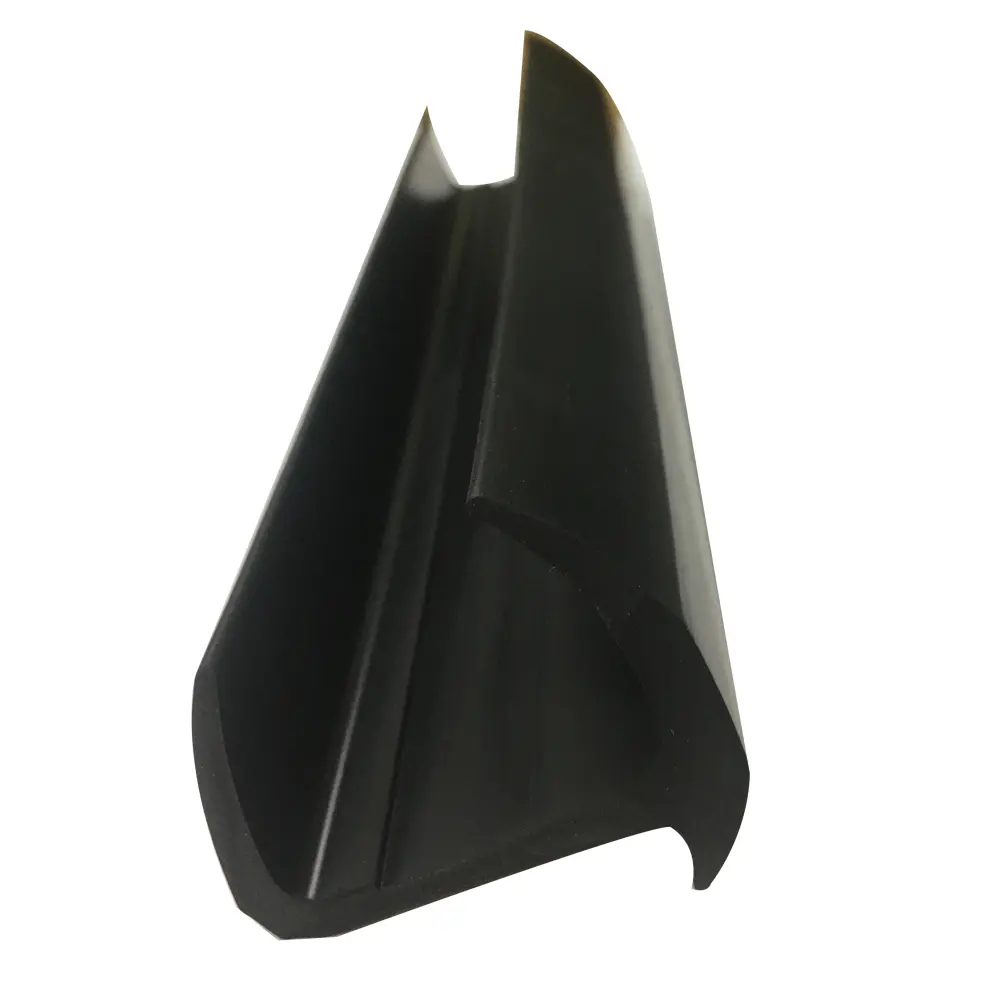
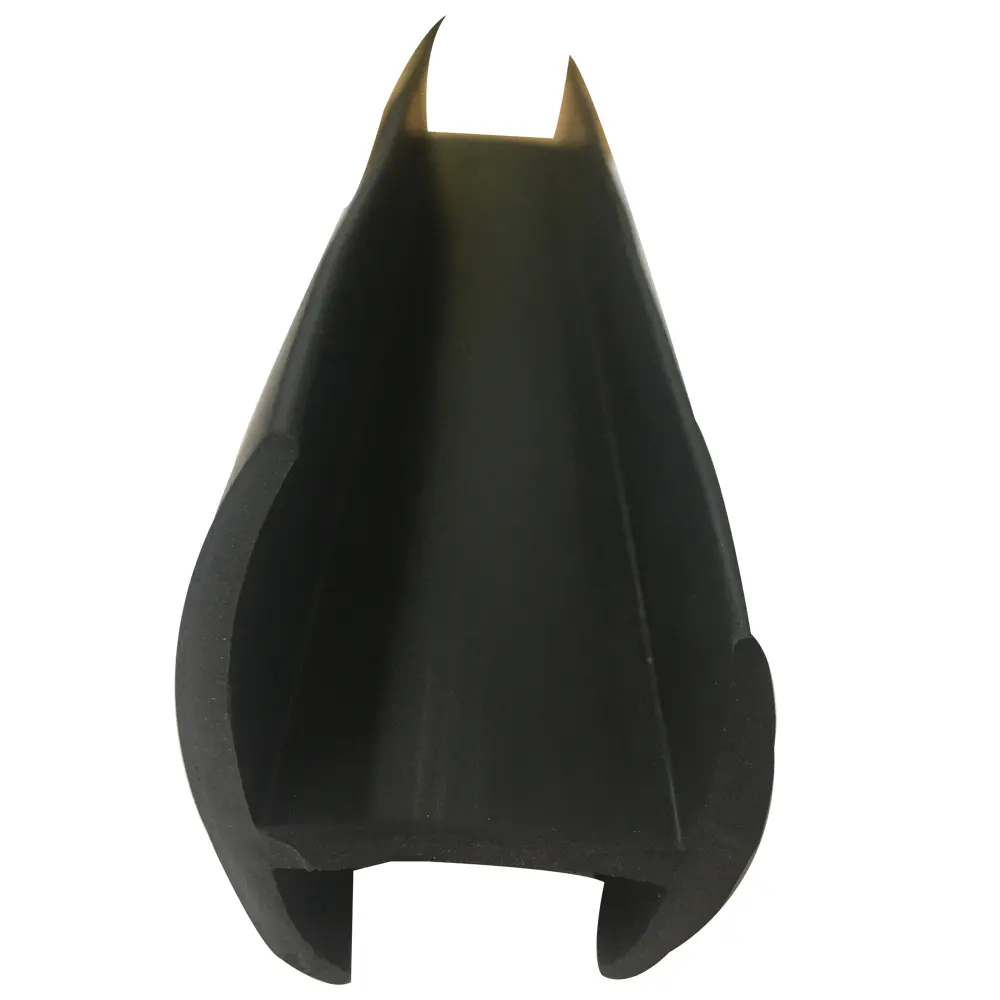
Truck door seals are critical for maintaining weatherproofing, noise reduction, and energy efficiency in trailers and cargo trucks. Over time, seals wear out, leading to air leaks, water damage, and increased fuel costs due to poor insulation.
If your truck’s door seal is cracked, torn, or no longer sealing tightly, replacing it is a cost-effective solution compared to expensive repairs from moisture damage.
In this guide, you’ll learn:
✔ How to choose the right truck door seal
✔ Step-by-step removal & installation
✔ Pro tips for a long-lasting seal
✔ Common mistakes to avoid
Truck Door Seal Types (By Material)
The most common seal materials include EPDM, Silicone, PVC, and Neoprene—each with distinct advantages.
1. EPDM Rubber Seals
✅ Best for: Standard dry vans, general trucking
✅ Temperature Range: -40°F to 250°F (-40°C to 120°C)
✅ Pros:
-
Excellent weather resistance (UV, ozone, rain)
-
Good flexibility in cold climates
-
Affordable and long-lasting
❌ Cons:
-
Not ideal for extreme heat or oil exposure
? Installation Tip: Use a rubber mallet to secure EPDM seals tightly into the channel.
2. Silicone Seals
✅ Best for: Refrigerated trucks, food-grade trailers
✅ Temperature Range: -75°F to 450°F (-60°C to 230°C)
✅ Pros:
-
Resists extreme cold & heat
-
Non-toxic, FDA-compliant (food-safe)
-
Long lifespan with minimal cracking
❌ Cons:
-
More expensive than EPDM
-
Less friction grip (may need adhesive)
? Installation Tip: Use silicone adhesive for extra hold in freezer applications.
3. PVC (Vinyl) Seals
✅ Best for: Light-duty trucks, budget-friendly repairs
✅ Temperature Range: -20°F to 150°F (-30°C to 65°C)
✅ Pros:
-
Low cost
-
Easy to install (flexible)
❌ Cons:
-
Hardens and cracks over time
-
Poor performance in extreme weather
? Installation Tip: Avoid stretching during install—PVC can lose shape.
4. Neoprene Seals
✅ Best for: Oil & chemical exposure (e.g., fuel tankers)
✅ Temperature Range: -50°F to 250°F (-45°C to 120°C)
✅ Pros:
-
Resistant to oils, fuels, and solvents
-
Good compression recovery
❌ Cons:
-
Shorter lifespan than EPDM/silicone
-
More expensive than PVC
? Installation Tip: Check for proper compression—neoprene needs a tight fit.
How to Choose the Right Material?
Consider these factors:
| Factor | Best Material Choice |
|---|---|
| Cold climates | Silicone or EPDM |
| High heat | Silicone |
| Oil/fuel exposure | Neoprene |
| Budget-friendly | PVC or EPDM |
| Food transport | Silicone (FDA-approved) |
Tools Needed for Replacement
-
Flathead screwdriver (for prying old seal)
-
Utility knife (trimming excess)
-
Adhesive (if non-clip seal)
-
Rubber mallet (for tight fits)
Step-by-Step Truck Door Seal Replacement
Step 1: Remove the Old Seal
-
Locate the seal’s attachment method (clip-on or adhesive).
-
Gently pry it off with a screwdriver (avoid damaging the door frame).
-
Clean the channel with a degreaser to remove old adhesive.
Step 2: Prepare the New Seal
-
Test-fit the seal before final installation.
-
Cut to length (leave a slight overlap for adjustment).
Step 3: Install the New Seal
A. Clip-On Seals
-
Align the seal’s lip with the door channel.
-
Press firmly along the frame until fully seated.
-
Use a rubber mallet for stubborn sections.
B. Adhesive-Backed Seals
-
Peel the adhesive liner.
-
Press into place, starting from one corner.
-
Hold for 30 seconds per section to ensure bonding.
? Pro Tip: In cold weather, warm the seal with a heat gun for flexibility.
Common Mistakes to Avoid
❌ Wrong Seal Type – Using a bulb seal on a swing door can cause leaks.
❌ Poor Adhesive Prep – Dirty channels prevent proper bonding.
❌ Overstretching – Can weaken the seal over time.
FAQs About Truck Door Seals
Q: How often should truck door seals be replaced?
A: Every 3-5 years, or sooner if cracks/gaps appear.
Q: Can I reuse an old seal?
A: No – Once removed, it loses its sealing ability.
Q: Where to buy high-quality truck door seals?
A: Trusted suppliers like Hangchengparts.
Conclusion
Replacing a truck door seal is a quick, low-cost maintenance task that prevents costly damage. By following this guide, you’ll ensure a weatherproof, energy-efficient seal that extends your truck’s lifespan.
? Need a durable replacement seal? Check our catalog. Contact Us to Buy Cost-effective Truck Door Seals!
Related Products