Introduction: The Critical Link in Your Stack
In the high-stakes world of container logistics, where towering stacks of cargo represent millions in value and immeasurable safety responsibility, one small component bears the weight of it all: the container twist lock. A proper stack is a symphony of precision; a failure is a catastrophe. For crane operators, stevedores, and yard managers, mastering the correct use of twist lock isn’t just procedure—it’s the absolute foundation of container stacking safety.
This definitive guide moves beyond basic definitions. It’s a professional’s manual focused on the correct procedures for using twist locks in container stacking operations. We will dissect the correct handling, locking, and verification processes, highlight fatal yet common errors, and provide a clear protocol to ensure every stack you build is structurally sound and secure.
Part 1: The Foundation – Understanding Twist Lock for Container Stacking
Before giving a command or lifting a box, understanding your tool is paramount.
Core Function & Principle:
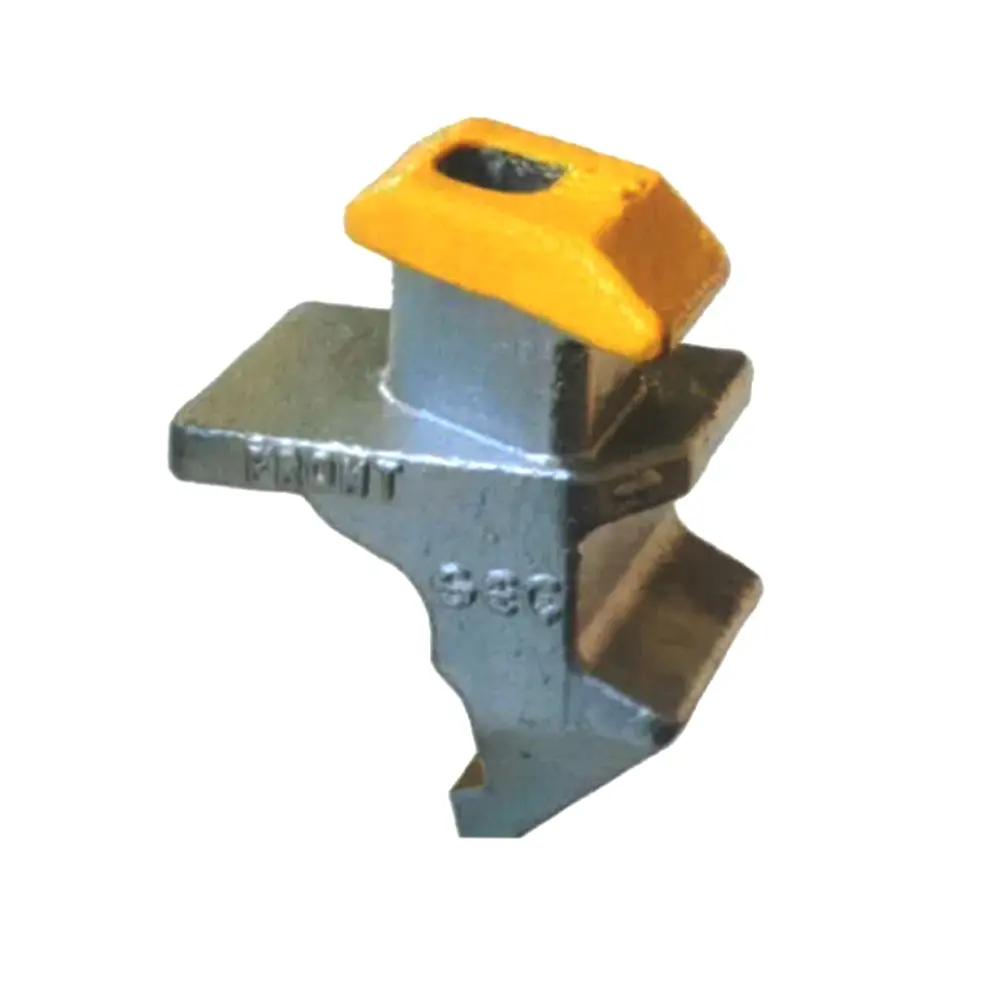
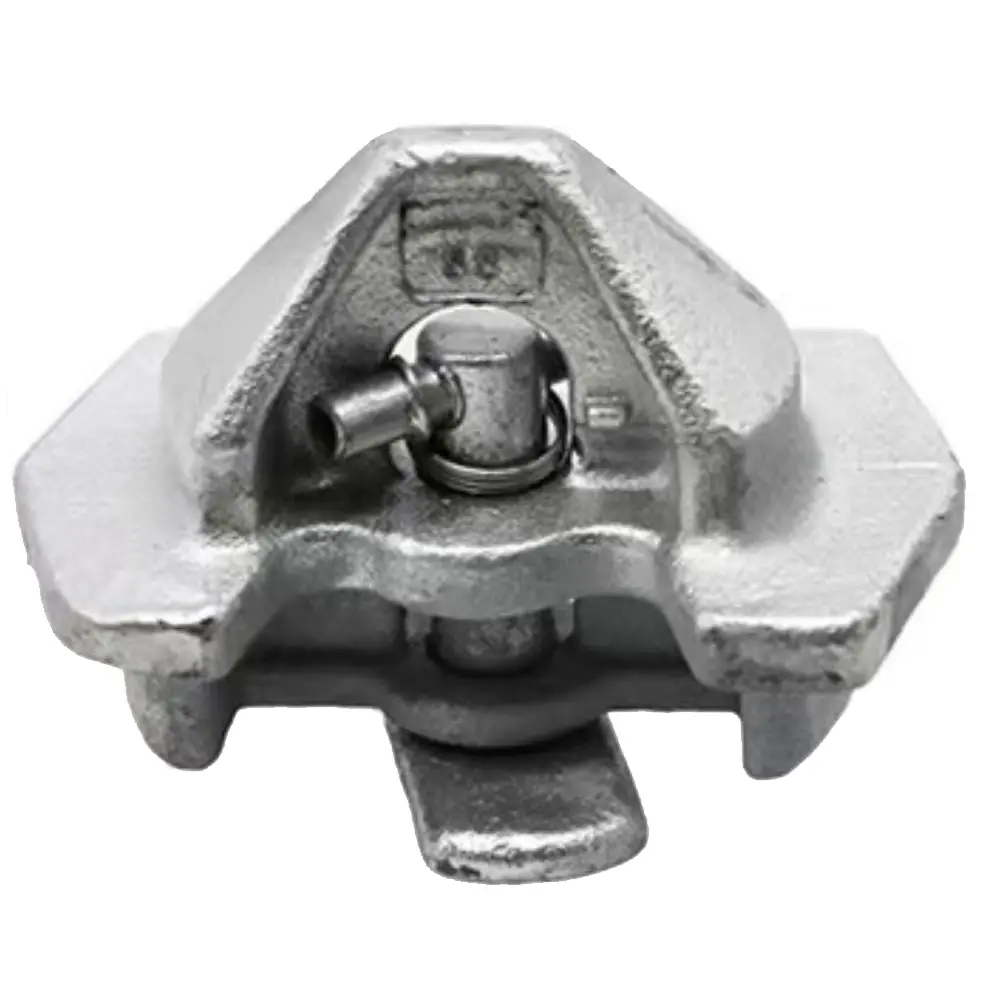
A twist lock is a simple yet critical device that mechanically connects corner castings of containers. When engaged correctly, it transforms individual units into a single, rigid structure capable of withstanding the immense forces of ocean transit—wind, waves, and dynamic motion.
Types Relevant to Stacking:
-
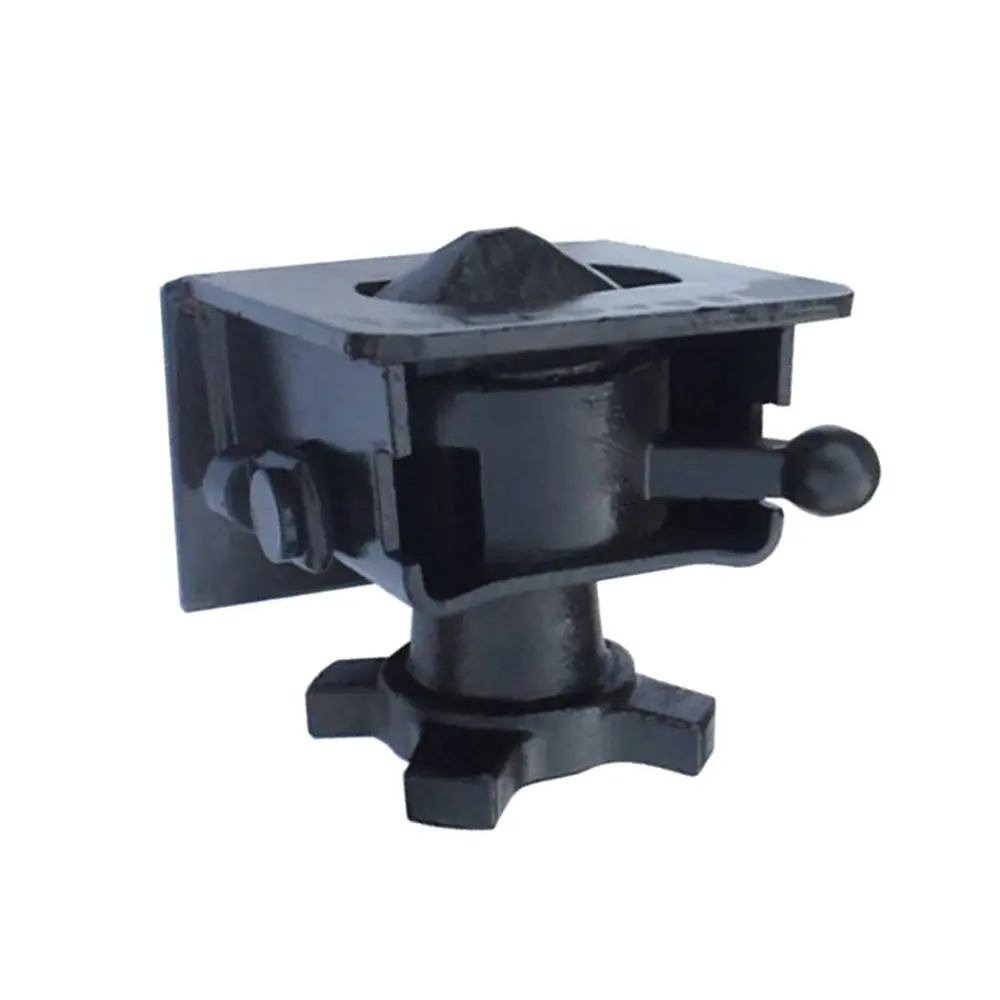
Manual Twist Locks: The most common type for yard stacking. Operators must manually insert and rotate the head (typically 90°) to lock it. They are carried to the corners by the spreader or by hand.
-
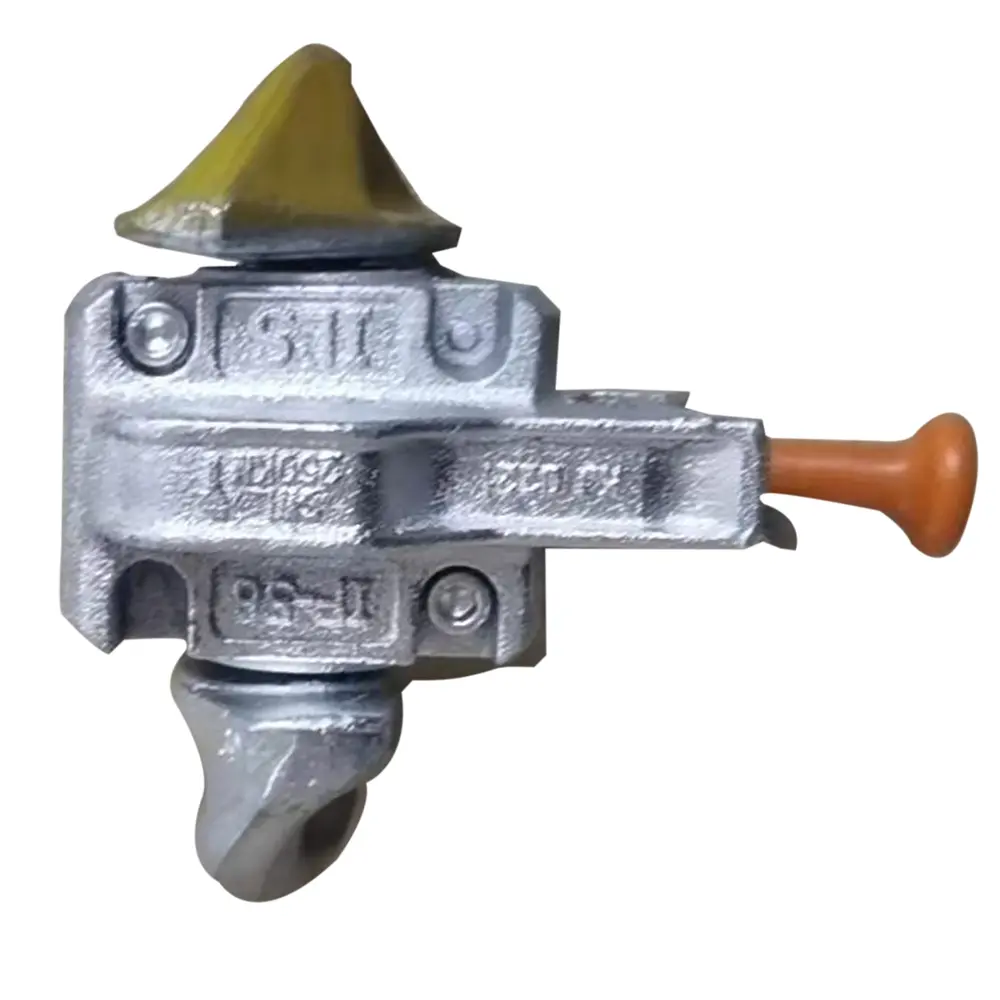
Semi-Automatic Twist Locks: These lock automatically upon the weight of the container being set down but require manual release. They improve speed but demand rigorous inspection to confirm full engagement.
-
Automatic Twist Locks: Used primarily on vessel cell guides. They engage and disengage without manual intervention, but their status must be reliably monitored by the system.
Key Terminology:
-
Head: The rotating part that locks into the container’s bottom corner casting.
-
Base/Shank: The stem that sits in the top corner casting of the container below.
-
Visual Indicator: A mark (like a line or arrow) showing whether the head is in the “LOCK” or “UNLOCK” position.
Part 2: The Professional’s Protocol – Step-by-Step Stacking Procedure
Follow this sequence for every single container placed. Consistency is safety.
Phase 1: Pre-Stack Preparation & Inspection
-
Step 1: Inspect the Receiving Surface.
-
Ensure the bottom container’s top corner castings are clean, free of damage, ice, or debris. A deformed casting will prevent proper lock seating.
-
Verify the stack is level and stable before adding another tier.
-
-
Step 2: Inspect the Twist Locks.
-
Visual Check: Look for cracks, excessive rust, or deformation, especially on the head and shank.
-
Function Test: Manually rotate the head. It must turn smoothly through its full range (usually 90°) and lock positively without slipping. The spring mechanism (if present) must provide firm resistance.
-
Rule: If in doubt, take it out. A defective lock must be removed from service immediately.
-
Phase 2: Correct Positioning & Placement
-
Step 3: Position Locks in Bottom Container.
-
For the container that will be on the bottom, insert the base of the twist lock into its top corner castings. Ensure it sits fully seated.
-
Manually set the head to the “UNLOCK” position (often indicated by the head’s ears aligned with the base).
-
-
Step 4: Lower the Top Container.
-
The spreader lowers the new container. As its bottom corner castings descend over the waiting twist lock heads, guide the process to ensure alignment.
-
The weight of the container will seat itself onto the locks.
-
Phase 3: The Critical Locking Action
-
Step 5: Engage the Twist Locks.
-
Once the container is fully seated (and spreader weight is typically released), the lock heads must be rotated to the “LOCK” position.
-
For Manual Locks: An operator uses a tool (locking rod) or, if accessible, manually rotates each head 90 degrees until it stops. A clear, solid “clunk” should be felt.
-
For Semi-Autos: The action is automatic upon loading. This does not eliminate the verification step.
-
-
Step 6: Visual & Physical Verification (The Most Important Step).
-
Visually confirm each head’s indicator shows “LOCK.”
-
Physically test by attempting to move the head slightly in the opposite direction. A properly locked head will not move. This “tug-test” is non-negotiable.
-
All four corners must be verified. Three out of four is a failure.
-
Phase 4: Unstacking – The Reverse with Equal Caution
-
Step 7: Unlocking.
-
Prior to connecting the spreader, rotate all twist lock heads back to the “UNLOCK” position.
-
Verify all are unlocked before signaling for lifting to begin.
-
-
Step 8: Lift-Off Inspection.
-
As the container is lifted, observe the twist locks disengage cleanly. Any snagging or resistance indicates a problem.
-
Part 3: Common Stacking Errors & How to Prevent Catastrophe
Failure often follows these predictable, preventable errors:
-
“One-Turn” Locking: The head is only partially rotated (e.g., 45°), creating a false sense of security. The lock is not engaged and will fail under shear force.
-
Prevention: Always rotate fully until it stops. Use locks with bright, unambiguous visual indicators.
-
-
Mix-Matching Lock Types: Using locks of different heights, strengths, or designs in the same stack creates uneven load distribution and weak points.
-
Prevention: Implement a strict locker inventory and use only certified, matching sets for a given stack.
-
-
Ignoring Corner Casting Damage: Forcing a lock into a damaged, dented, or paint-clogged corner casting prevents full penetration and seating.
-
Prevention: Empower operators to stop operations and report damaged castings. The container must be repaired before stacking.
-
-
Skipping the Physical Verification: Relying solely on a visual check from a distance. Paint, rust, or grime can obscure the true position.
-
Prevention: Mandate hands-on verification where safely possible. For remote operations, use CCTV or lock status sensors.
-
-
Stacking on an Unlocked Base: Failing to ensure the lower container’s own twist locks (connecting it to the container below) are properly engaged before stacking another on top.
-
Prevention: Treat every tier as its own critical operation. The entire stack is only as strong as its weakest link.
-
Part 4: Best Practices for Yard & Vessel Safety
-
Weather Awareness: High winds drastically increase lateral loads on stacks. Implement lower stacking heights or pause operations during severe weather.
-
Documentation & Training: Maintain logs of inspections and incidents. Conduct regular, hands-on refresher training for all personnel involved in stacking.
-
Invest in Quality: Specify high-grade, forged steel twist locks from reputable manufacturers like HangCheng. Look for features like:
-
Clear, stamped visual indicators (LOCK/UNLOCK).
-
Corrosion-resistant coatings for longevity in marine environments.
-
Precise machining for smooth, reliable operation without binding.
-
Conclusion: Safety is Stacked One Lock at a Time
There is no margin for error in container stacking. Each correctly engaged twist lock is a commitment to safety, asset protection, and professional integrity. By adhering to a disciplined, verified procedure and refusing to cut corners, you protect lives, cargo, and the smooth flow of global commerce.
Related Products