Introduction
Every year, cargo shift incidents cause over $1 billion in logistics losses, including damaged goods, delayed deliveries, and safety violations. For trailer operators and fleet managers, selecting the right cargo control system isn’t just about compliance—it’s about protecting assets, ensuring driver safety, and maintaining profitability. Whether you haul construction equipment, consumer goods, or specialized machinery, a poorly secured load risks everything from DOT fines to catastrophic accidents.
This guide breaks down how to evaluate, select, and optimize cargo control systems for flatbed, dry van, and specialized trailers. From strap materials to advanced IoT monitoring, we’ll help you build a securement strategy that aligns with your cargo type, operational environment, and regulatory requirements.
1. Why Cargo Control Systems Are Non-Negotiable
Cargo shift isn’t merely an inconvenience—it’s a critical failure point. For example:
-
Lateral force during sharp turns can displace unsecured loads by up to 20%.
-
Emergency braking multiplies cargo weight by 1.5–2x, overwhelming weak securement points.
-
DOT inspections penalize inadequate systems with fines up to $15,000 per violation.
A tailored cargo control system mitigates these risks by distributing force, resisting environmental stressors (e.g., moisture, UV degradation), and adapting to dynamic road conditions.
2. Core Components of a Cargo Control System
A. Tie-Down Straps: Webbing vs. Chains
| Type | Best For | Load Capacity | Limitations |
|---|---|---|---|
| Polyester Webbing Straps | General freight, fragile surfaces | 1,000–10,000 lbs | Vulnerable to abrasion/UV damage |
| Grade 70 Transport Chains | Steel coils, heavy machinery | 5,000–15,000+ lbs | Requires binders; heavier/costlier |
| Nylon Retractable Straps | Frequent adjustments | 500–5,000 lbs | Less durable under cyclic loading |
Pro Tip: Pair webbing straps with edge protectors to prevent cutting on sharp corners. Chains excel for abrasive loads but need corrosion-resistant coatings for marine environments.
B. Anchor Points: E-Track vs. D-Rings
-
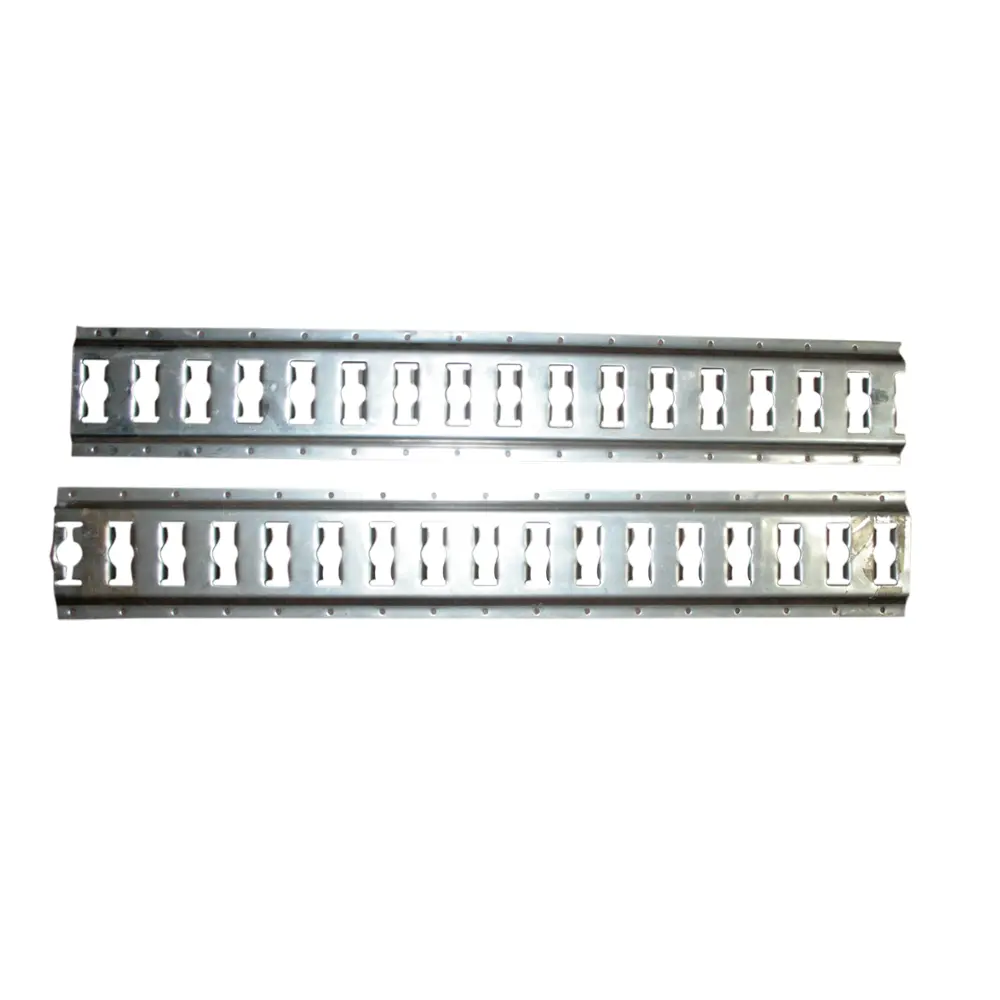
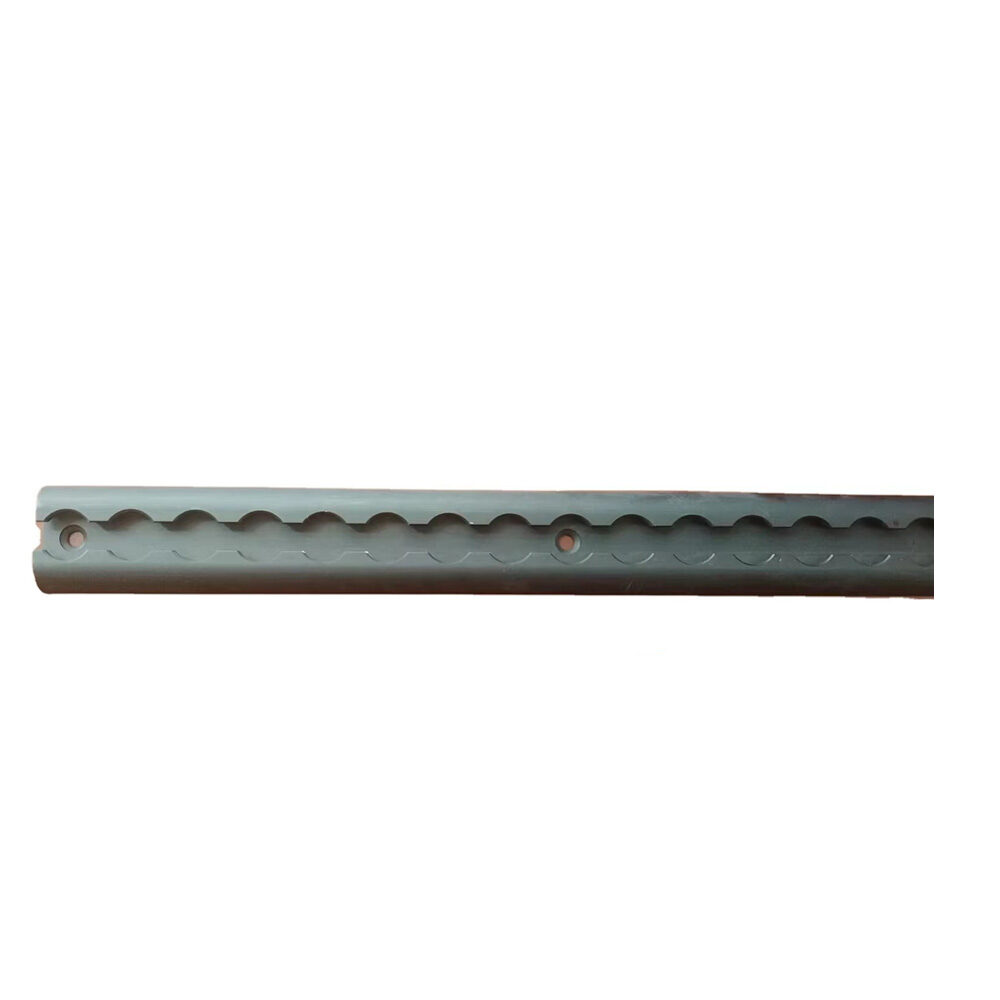
E-Track Systems: Slotted rails allowing adjustable anchor positions. Ideal for versatile cargo layouts.
-
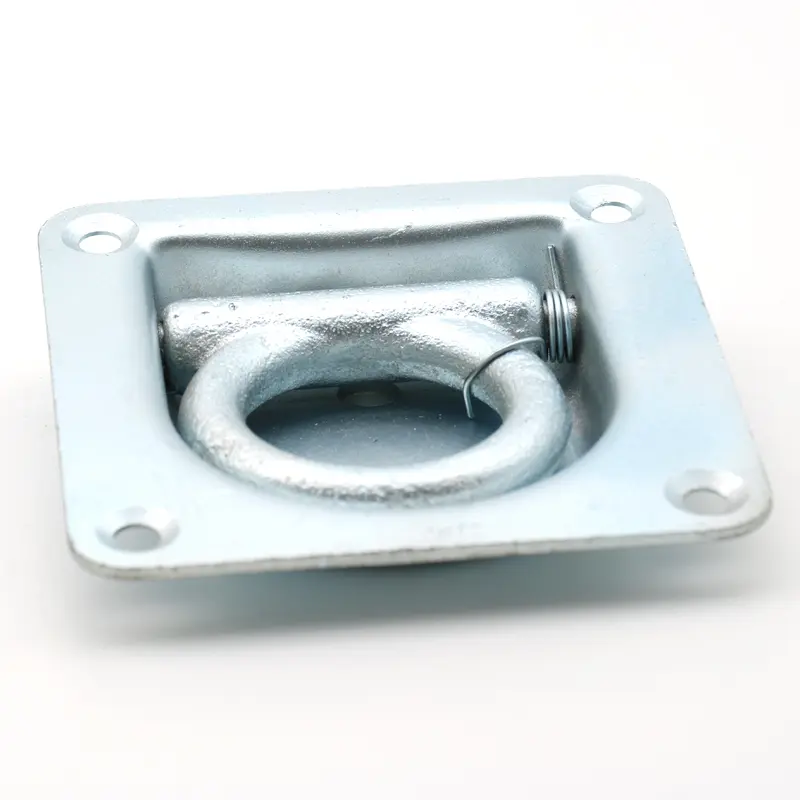
D-Rings: Fixed points for concentrated loads. Suited for predictable, high-tension applications.
-
Compliance Check: Ensure anchors meet FMVSS 393.130 standards and are welded/bolted to trailer frames.
C. Load Stabilization Tools
-
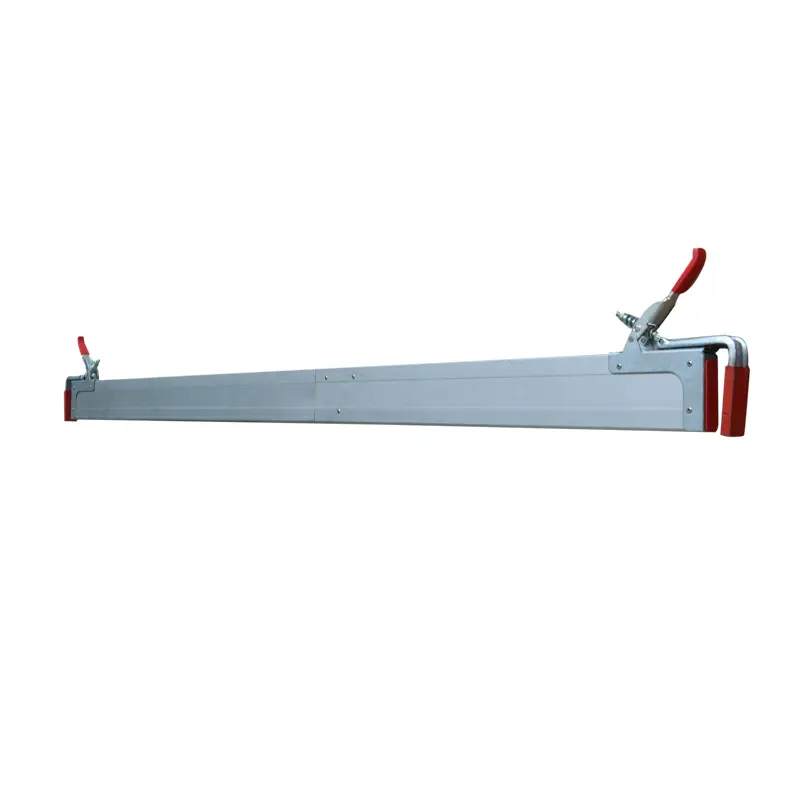
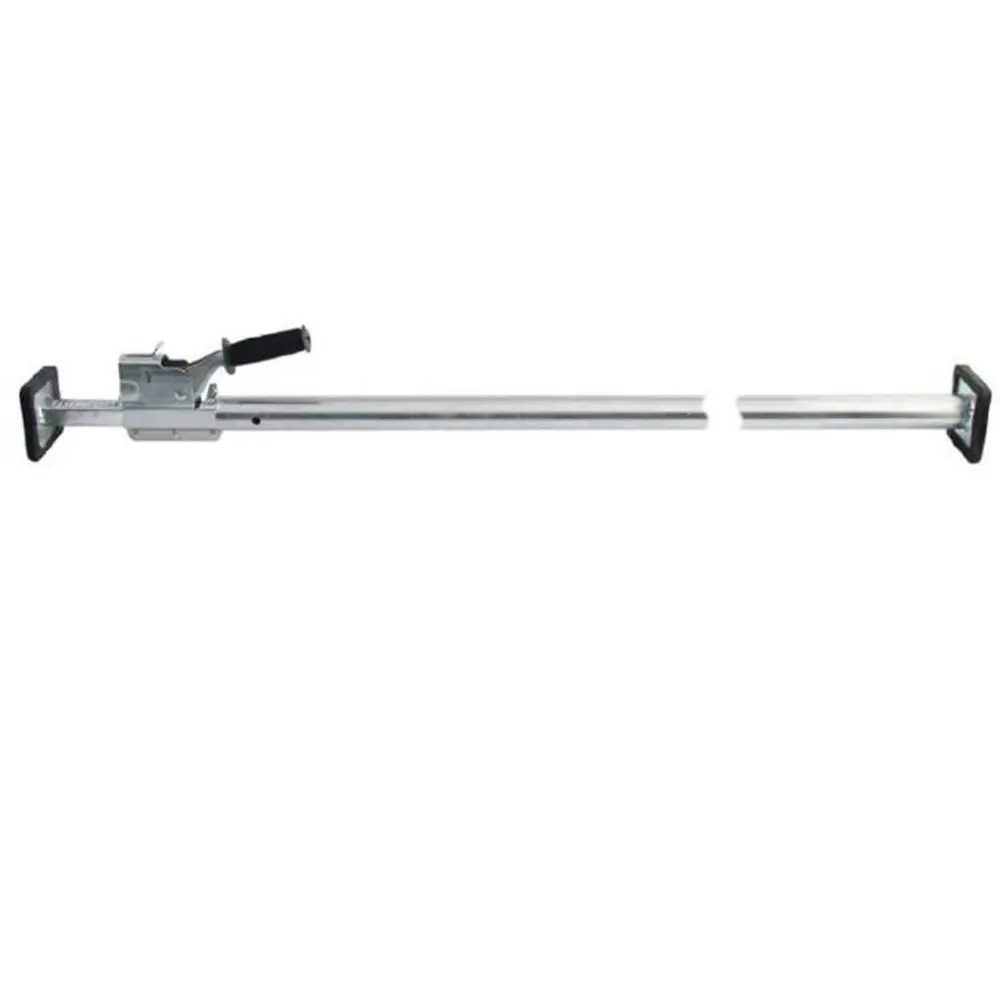
Load Bars: Create lateral barriers between pallets.
-
Dunnage Bags: Inflatable airbags that fill voids, preventing sideways movement.
-
Cargo Nets: Lightweight containment for loose items (e.g., lumber, pipes).
3. Matching Systems to Trailer Types
Flatbed Trailers
-
Challenge: Exposure to wind, rain, and lateral forces.
-
Solution: Combine chain assemblies (primary securement) with tarps/netting (weather protection).
-
Critical Add-Ons: Anti-sway bars and corner protectors.
Dry Van Trailers
-
Challenge: Invisible load shift during transit.
-
Solution: E-track walls with ratchet straps and load bars.
-
Pro Tip: Use rubber matting on floors to reduce friction-based movement.
Refrigerated Trailers
-
Challenge: Temperature-sensitive cargo (e.g., pharmaceuticals).
-
Solution: Non-abrasive straps with hygienic coatings and moisture-resistant materials.
4. 5-Step Selection Framework
-
Calculate Load Forces:
-
Static Weight: Cargo mass × 1.5 (DOT safety factor).
-
Dynamic Forces: Include acceleration/braking impacts.
-
-
Assess Environmental Risks:
-
Coastal routes: Stainless steel or hot-dip galvanized components.
-
Extreme temperatures: Synthetic materials with cold/flexibility ratings.
-
-
Verify Compliance:
-
US Standards: FMVSS 393, FMCSA 49 CFR Part 393.
-
Global Standards: EN 12195-1 (EU), AS/NZS 4380 (Australia).
-
-
Prioritize Usability:
-
Quick-release mechanisms for high-turnover fleets.
-
Color-coded straps for capacity identification.
-
-
Plan for Maintenance:
-
Regular inspections for wear (fraying, rust, deformation).
-
Replace components after 3–5 years or 10,000 cycles.
-
5. FAQs: Addressing Critical Concerns
Q: How often should I inspect cargo control equipment?
A: Pre-trip checks for visible damage, quarterly load testing, and annual certification reviews.
Q: Can I mix straps and chains?
A: Yes, but ensure collective Working Load Limit (WLL) exceeds cargo weight by the required safety factor.
Q: What’s the penalty for non-compliant systems?
A: Fines up to $15,000, cargo impoundment, or CSA score penalties impacting insurance rates.
Conclusion: Build a System That Grows with Your Business
Choosing cargo control systems requires balancing immediate costs with long-term risk reduction. By prioritizing modularity (e.g., E-tracks), durability (corrosion-resistant materials), and compliance, you’ll create a foundation for safer, more efficient operations.
Need a Customized Solution? Contact us for more information on trailer cargo control products.
Related Products