Introduction
If you manage a truck fleet, operate a dry van trailer, or regularly secure cargo in a pickup bed, you’ve likely encountered two essential tools: the load lock bar and the shoring beam (also called a decking beam). At first glance, they look similar—both are horizontal bars that brace against the walls of a trailer or truck bed. But they serve very different purposes, and using the wrong one can compromise cargo safety, damage your equipment, or even violate DOT regulations.
In this guide, we’ll break down the seven key differences between load lock bars and shoring beams. You’ll learn when to use a cargo bar, when a decking beam is the better choice, and how to select the right adjustable loading bar for your specific application. By the end, you’ll be able to make an informed purchasing decision that balances safety, cost, and operational efficiency.
Part 1: What Is a Load Lock Bar?
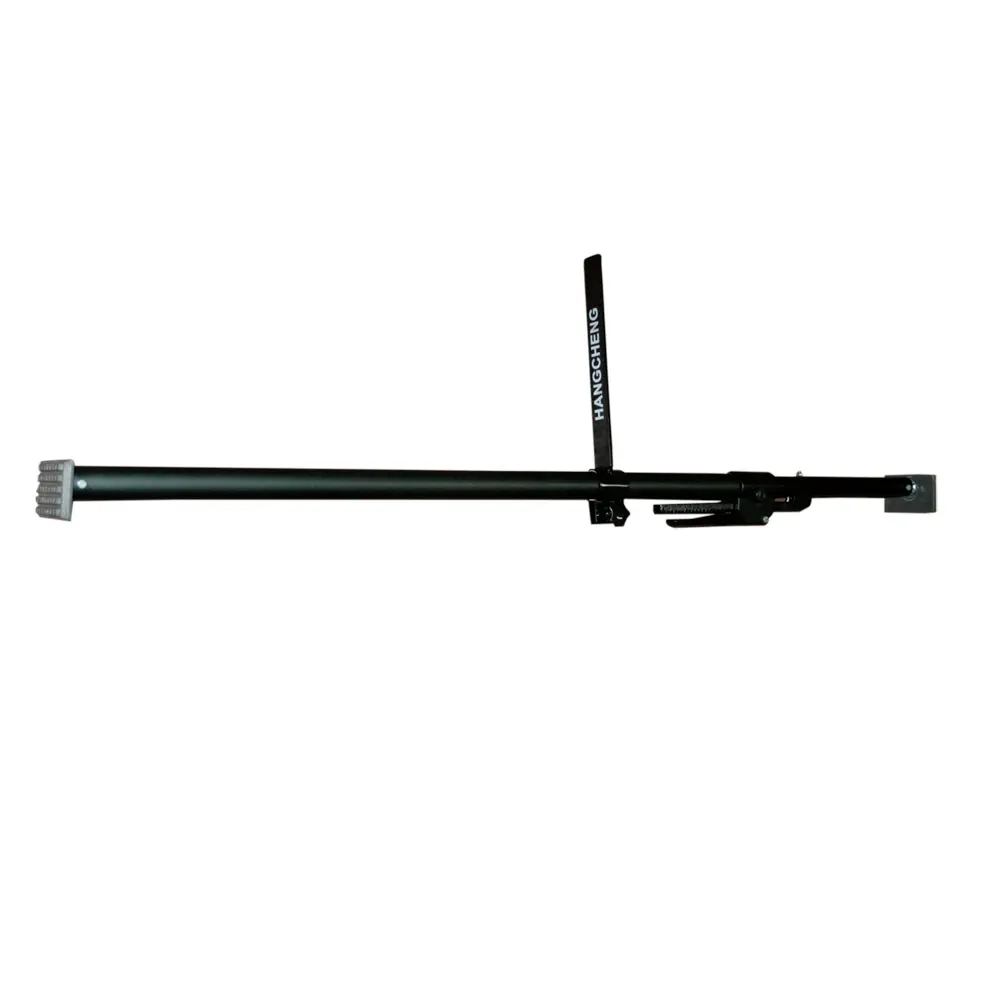
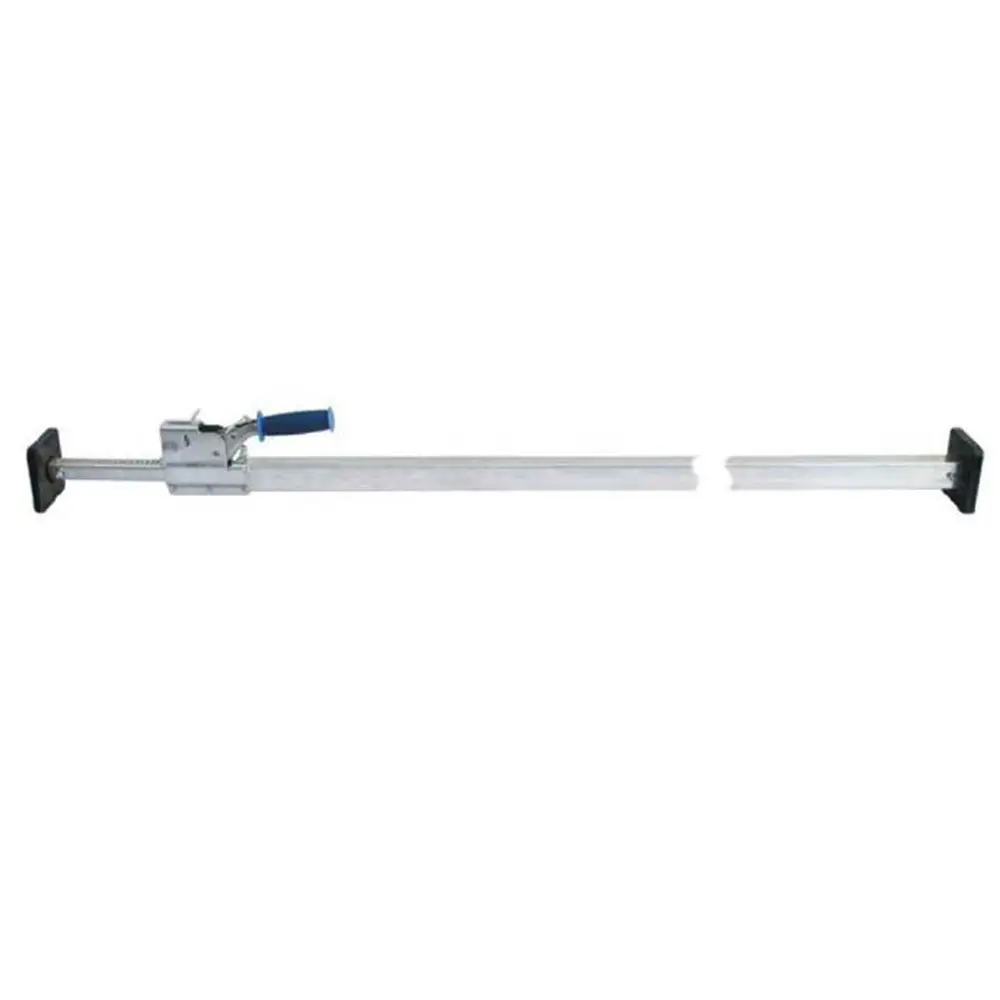
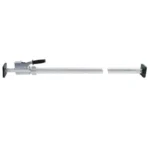
A load lock bar (also known as a cargo bar, cargo load bar, or adjustable loading bar) is a portable, tension‑based device designed to secure loose cargo inside a trailer, container, or pickup bed. It works by expanding between the two side walls (or between the floor and ceiling) to create a rigid barrier that prevents items from shifting during transit.
How a Load Lock Bar Works
Most modern load lock bars use either a ratcheting mechanism or a spring‑loaded cam. The user extends the bar to the approximate width of the trailer, then activates the mechanism to apply outward pressure against the walls. This friction‑fit holds the bar in place. Multiple bars can be used at different heights to create a “wall” that secures pallets, boxes, or loose items.
Common Applications
-
Dry van trailers – preventing pallets from tipping forward during braking
-
Pickup truck beds – keeping toolboxes, coolers, or lumber from sliding
-
Intermodal containers – bracing cargo inside shipping containers
-
Moving trucks – securing furniture and boxes for residential moves
Typical Materials & Construction
-
Steel (most common) – high strength, heavier weight
-
Aluminum – lighter, corrosion‑resistant, slightly lower load capacity
-
Rubber end caps – protect trailer walls and increase friction
-
Zinc‑plated or powder‑coated finish – resists rust
Load Ratings
Standard cargo load bars have working load limits (WLL) ranging from 500 lbs to over 2,000 lbs, depending on the model and material. Heavy‑duty ratcheting steel bars can exceed 3,000 lbs WLL.
Part 2: What Is a Shoring Beam (Decking Beam)?
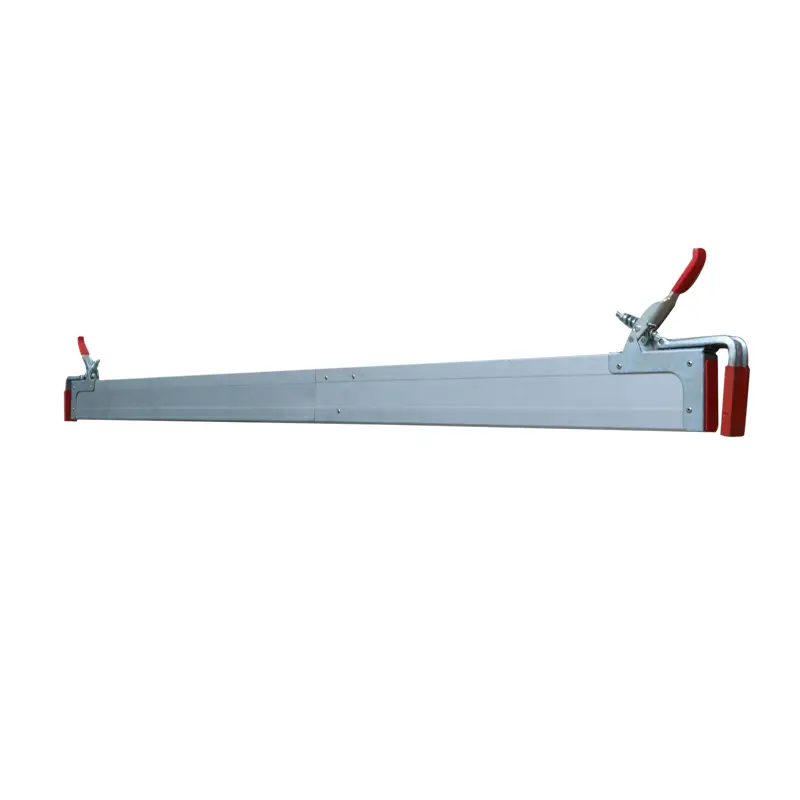
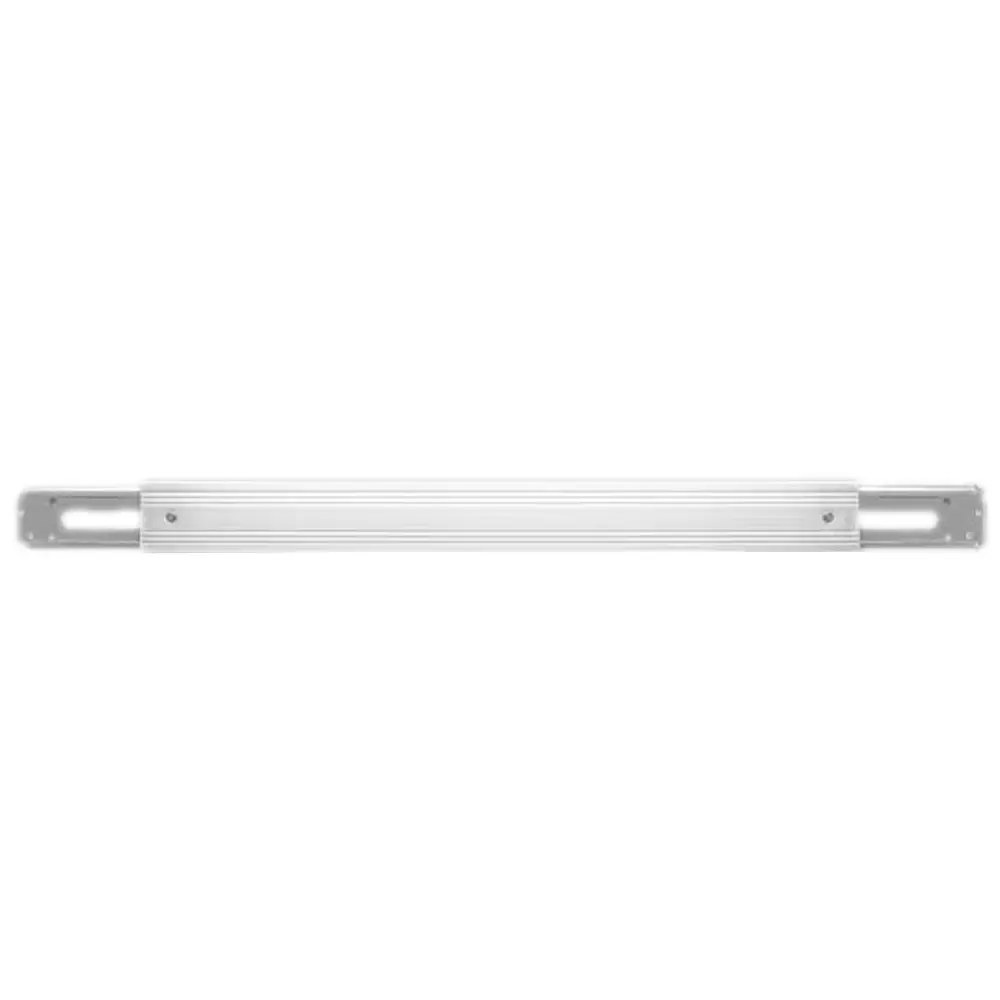
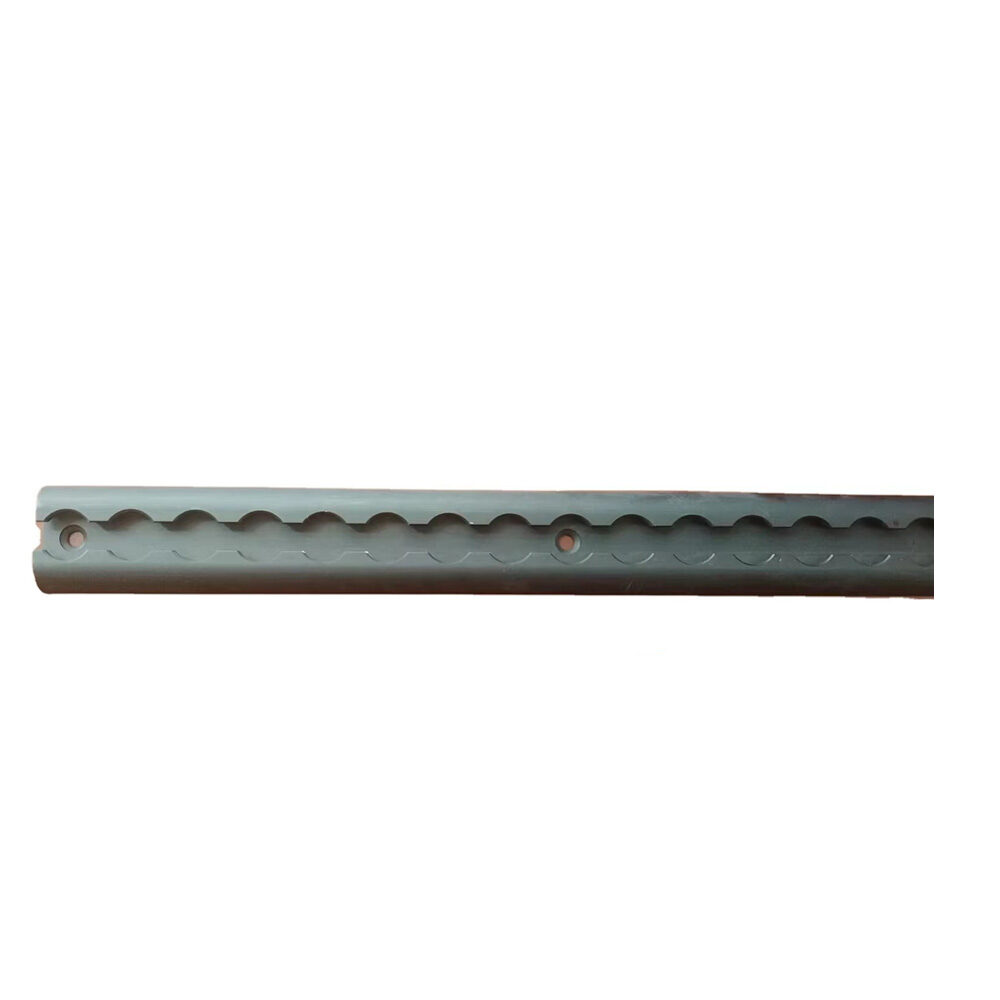
A shoring beam (often called a decking beam or E‑track beam) is a horizontal load‑bearing bar that works in conjunction with a track system—most commonly E‑track (a standardized slotted rail system used in trailers and trucks). Unlike a load lock bar, a shoring beam does not rely on friction against the walls. Instead, it locks directly into the track’s slots, creating a solid, load‑supporting deck or divider.
How a Shoring Beam Works
Decking beams are fitted with special end fittings (such as spring‑loaded hooks or twist‑lock pins) that engage with the vertical slots of an E‑track. Once locked in place, the beam can support significant vertical loads, allowing you to create multi‑level decks inside a trailer. This is especially useful for mixed freight—light items above, heavy pallets below.
Common Applications
-
LTL (Less‑Than‑Truckload) trailers – creating separate decks for different shipments
-
Floor‑loaded trailers – stacking lightweight boxes on a deck above floor‑level pallets
-
Auto parts delivery – separating fragile components from heavy castings
-
Moving vans – creating temporary shelves for boxes and furniture
Typical Materials & Construction
-
Steel – most common for heavy‑duty decking beams
-
Aluminum – lighter, used where weight savings are critical
-
E‑track compatible end fittings – hooks, pins, or spring‑loaded latches
-
Corrosion‑resistant finish – zinc plating or powder coating
Load Ratings
A quality shoring beam can support uniformly distributed loads of 1,000 lbs to 2,500 lbs or more, depending on span length and beam profile. The beam’s ends transfer the load directly into the E‑track, which is bolted to the trailer’s structural ribs.
Part 3: Quick Comparison Table – Load Lock Bar vs. Shoring Beam
| Feature | Load Lock Bar (Cargo Bar) | Shoring Beam (Decking Beam) |
|---|---|---|
| Primary function | Secure cargo by bracing sideways (prevents shifting) | Create load‑bearing decks or dividers (supports vertical weight) |
| Mounting system | Friction‑fit against walls (rubber end caps) | Locks directly into E‑track or similar track system |
| Load direction | Horizontal compression (side‑to‑side) | Vertical support (top‑down) |
| Adjustability | Continuous adjustment (ratchet or spring) | Discrete positions (every 2–3 inches along track) |
| Wall protection | Rubber caps protect paint and panels | No direct wall contact – end fittings engage track only |
| Typical WLL | 500 – 3,000+ lbs (friction‑dependent) | 1,000 – 2,500+ lbs (track‑dependent) |
| Installation speed | Very fast – seconds per bar | Fast – but requires pre‑installed E‑track |
| Cost | Lower upfront (no track needed) | Higher (requires track + beam) |
Part 4: 7 Key Differences Explained in Detail
1. Mechanism of Action
Load Lock Bar: Uses outward friction against the side walls. The ratchet or cam creates a preload that presses the rubber end caps into the walls. The holding force is limited by the coefficient of friction between rubber and the wall surface (which can be reduced by dirt, moisture, or smooth liner panels). This makes load lock bars ideal for preventing horizontal movement but unsuitable for supporting significant vertical weight.
Shoring Beam: Uses positive mechanical engagement with E‑track slots. The end fittings physically lock into the track, so the beam can support downward loads without slipping. This mechanical lock also means that even if the beam is struck from the side, it won’t suddenly release.
2. Load Direction and Capability
-
Load lock bars are designed for side‑to‑side compression. They prevent cargo from tipping or sliding forward/backward. They are not designed to hold heavy items stacked on top of them. The friction fit cannot safely support vertical loads.
-
Shoring beams are designed for vertical loads (top‑down). You can place pallets or boxes on top of a decking beam, and the beam transfers that weight directly into the E‑track and trailer structure. Some beams can also act as lateral dividers, but that’s not their primary function.
3. Trailer Preparation Required
-
Load lock bars: Require no permanent modification. They work in any trailer with two parallel side walls. You can use them immediately – no tools, no installation.
-
Shoring beams: Require E‑track to be installed on the trailer walls. E‑track is a standardized rail system (typically 1.75″ or 2.5″ wide) that must be bolted or riveted to the trailer’s vertical posts. This is a permanent modification, but once installed, you gain a versatile decking system.
4. Adjustability
-
Load lock bars: Offer continuous, stepless adjustment. A ratchet mechanism allows you to dial in exactly the right pressure. This is excellent for irregularly shaped cargo or non‑standard trailer widths.
-
Shoring beams: Offer discrete adjustment – you can only position the beam where there’s an open E‑track slot (usually every 2–3 inches). For most applications, this is perfectly adequate, but it’s less granular than a load lock bar.
5. Speed of Use
-
Load lock bars: Extremely fast. Extend, ratchet (or twist), and it’s locked. A driver can secure a load with 2‑3 bars in under a minute.
-
Shoring beams: Still fast, but you must align the end fittings with E‑track slots, then push the spring or twist the lock. Adding or removing a beam takes maybe 10‑15 seconds per beam – still very quick, but slightly slower than a friction bar.
6. Cost Considerations
-
Load lock bars: Lower upfront investment. A good quality ratcheting steel cargo bar costs 20‑50. No additional hardware required.
-
Shoring beams: Higher initial cost. Each decking beam costs 30‑80 (similar to a cargo bar), but you must also purchase and install E‑track. A full trailer retrofit can cost several hundred dollars in track and labor. However, for fleets that frequently need multi‑level decking, the productivity gains quickly justify the investment.
7. Safety and Compliance
-
Load lock bars: DOT regulations (49 CFR 393.114 for US interstate carriers) require that cargo securement devices prevent forward, rearward, lateral, and vertical movement. Load lock bars are an accepted method for preventing lateral and forward movement, but they are not sufficient alone for heavy loads – they must be used in combination with straps or chains. Also, note that friction‑fit bars can lose tension if the trailer walls flex or if the rubber caps wear out. Regular inspection is critical.
-
Shoring beams: When properly locked into E‑track, they provide a positive mechanical securement. They are excellent for creating decks that prevent vertical movement of lightweight items. However, for heavy cargo, you still need straps or chains. Many large LTL carriers standardize on E‑track + decking beams because they reduce damage claims.
Part 5: When to Use a Load Lock Bar (Cargo Bar)
A cargo load bar is the right choice when:
-
You don’t have E‑track installed – and you don’t want to modify your trailer.
-
You need a portable, quick solution – for mixed fleets or rental trucks.
-
Your cargo is floor‑loaded – you just need to prevent it from shifting forward during braking.
-
You operate a pickup truck – a simple adjustable loading bar is perfect for the bed.
-
Your trailer walls are uneven or have protrusions – the rubber end caps conform better than rigid track fittings.
Example scenario: A contractor uses a pickup truck to carry ladders, toolboxes, and bags of concrete. A single load lock bar placed near the tailgate keeps everything from sliding out when the truck brakes. No E‑track needed.
Part 6: When to Use a Shoring Beam (Decking Beam)
A decking beam is the better choice when:
-
You have E‑track already installed – or you’re willing to install it.
-
You want to create multiple load decks – stack lightweight boxes above heavy pallets.
-
You need to separate different shipments – e.g., fragile goods on top, heavy parts below.
-
Your trailer is used for LTL freight – maximizing cubic space is critical.
-
You want a more positive, mechanical lock – less reliant on friction.
Example scenario: An LTL carrier picks up pallets of canned goods (heavy) and also cartons of glassware (light but fragile). Using shoring beams at two heights, they create a deck above the pallets and place the glassware on top – doubling usable floor space and preventing damage.
Part 7: Can You Use a Cargo Bar as a Shoring Beam (or Vice Versa)?
Short answer: No – not safely.
-
Using a cargo bar as a decking beam: A friction‑fit load lock bar cannot reliably support vertical weight. If you place a box on top of a cargo bar, the bar may rotate or slide down the walls, causing the load to fall. This is dangerous and likely violates DOT securement rules.
-
Using a shoring beam as a cargo bar: A decking beam can sometimes be positioned horizontally as a divider, but its end fittings are designed for track slots. If the trailer lacks E‑track, you cannot use a shoring beam at all. Even with E‑track, a decking beam’s primary strength is vertical load – it will work as a lateral divider, but it’s overkill and less adjustable than a dedicated cargo bar.
Bottom line: Buy the tool designed for your primary need. For mixed use (sometimes lateral, sometimes vertical), consider keeping both types in your equipment inventory.
Part 8: How to Choose the Right Adjustable Loading Bar for Your Fleet
When selecting cargo bars or shoring beams, consider these factors:
For Cargo Bars (Load Lock Bars)
-
Weight capacity – match to your heaviest cargo.
-
Material – steel for maximum strength, aluminum for lighter weight (easier for drivers to handle).
-
Mechanism – ratchet gives precise tension; spring cam is faster but less adjustable.
-
End caps – replaceable rubber caps are a must (they wear out).
-
Length range – measure your trailer’s internal width at the height you’ll use.
For Shoring Beams (Decking Beams)
-
E‑track compatibility – ensure the beam’s end fittings match your track (standard 1.75″ or 2.5″ slots).
-
Load rating – specify distributed load per beam.
-
Beam profile – rectangular tube is strongest for its weight.
-
Finish – zinc‑plated or powder‑coated for rust resistance (especially important for refrigerated trailers with condensation).
-
Ease of locking – spring‑loaded hooks are easiest; twist‑lock is more secure but slower.
Part 9: Why Hangcheng Parts Is Your Trusted Partner for Load Bars and Shoring Beams
At Hangcheng Parts, we design and manufacture both load lock bars and shoring beams under one roof – with ISO 9001:2015 certified processes and over 20 years of export experience to Europe, North America, and Australia.
Our cargo bar product line includes:
-
Ratchet Cargo Bars – heavy‑duty steel, rubber end caps, adjustable length from 40″ to 90″ (custom lengths available). Working load limit up to 2,500 lbs.
-
Pickup Truck Cargo Bars – compact design for beds as narrow as 36″; aluminum option for easy handling.
-
E‑Track Shoring Beams – twist‑lock or spring‑hook ends, rectangular steel tube construction, load rating 1,500 lbs – 2,000 lbs per beam.
-
Custom Decking Beams – built to your exact length, finish, and end‑fitting specifications.
Why our full‑cycle manufacturing matters to you:
-
Quality – Each batch undergoes dimensional inspection, ratchet function testing, and load verification.
-
Cost – Direct factory pricing – no middleman markup.
-
Delivery – In‑house tooling and production mean 2‑4 weeks for custom orders.
-
Risk reduction – One supplier for all your load bar needs; consistent quality and fit.
👉 Explore our load bar collection: www.hangchengparts.com/load-bars/
Related Products