Introduction: Why Proper Ratchet Strap Use Isn’t Optional
In the world of logistics, construction, and transportation, the humble ratchet strap (also known as a ratchet tie down, tie down strap, or cargo strap) is a unsung hero. It’s the critical link between your valuable cargo and a safe, successful journey. However, a poorly secured load isn’t just a regulatory violation; it’s a deadly hazard on the road.
Knowing how to use a ratchet strap correctly is a fundamental skill for anyone responsible for transporting goods. This comprehensive guide will do more than just show you the mechanics; it will instill best practices for safety and efficiency. Whether you’re a seasoned truck driver or a weekend warrior hauling equipment, mastering your ratchet tie-down techniques will protect your cargo, your vehicle, and everyone sharing the road with you.
Part 1: Understanding Your Ratchet Strap Components
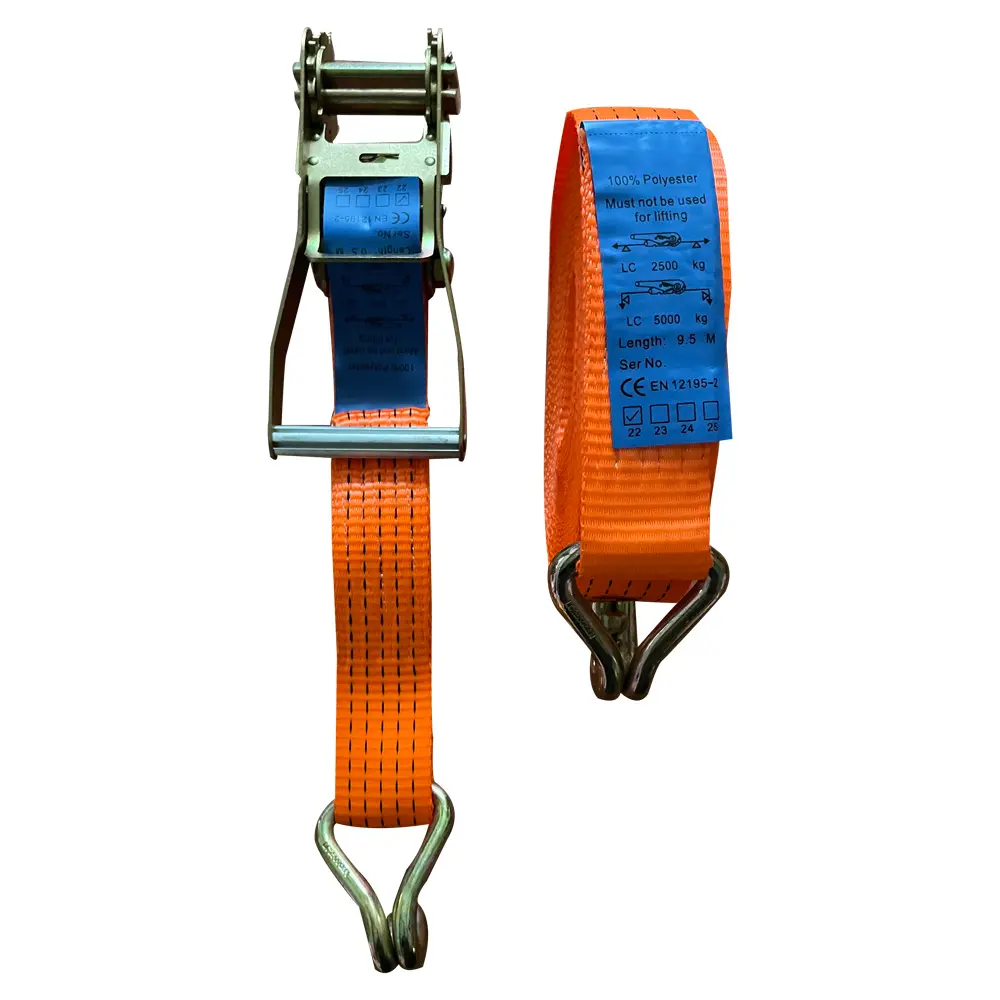
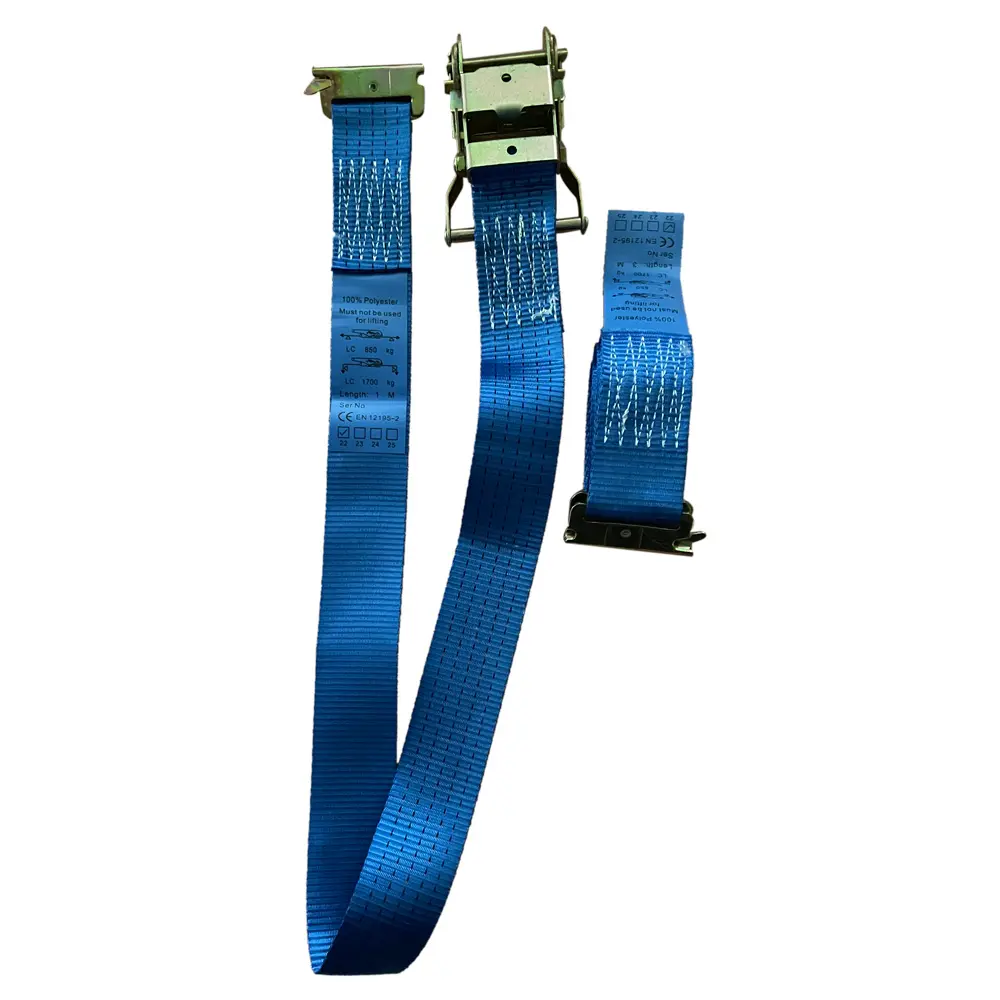
Before you start cranking, it’s crucial to know the parts you’re working with. A typical ratchet tie-down consists of:
-
Webbing: The long, woven polyester strap. Its Working Load Limit (WLL) is its maximum allowed strength during routine use.
-
Ratchet Handle (or Lever): The mechanism that tightens and releases the strap.
-
Spool (or Mandrel): The central axle inside the ratchet that the webbing wraps around.
-
Pawl & Gear: The internal teeth and locking lever that prevent the strap from unwinding under tension.
-
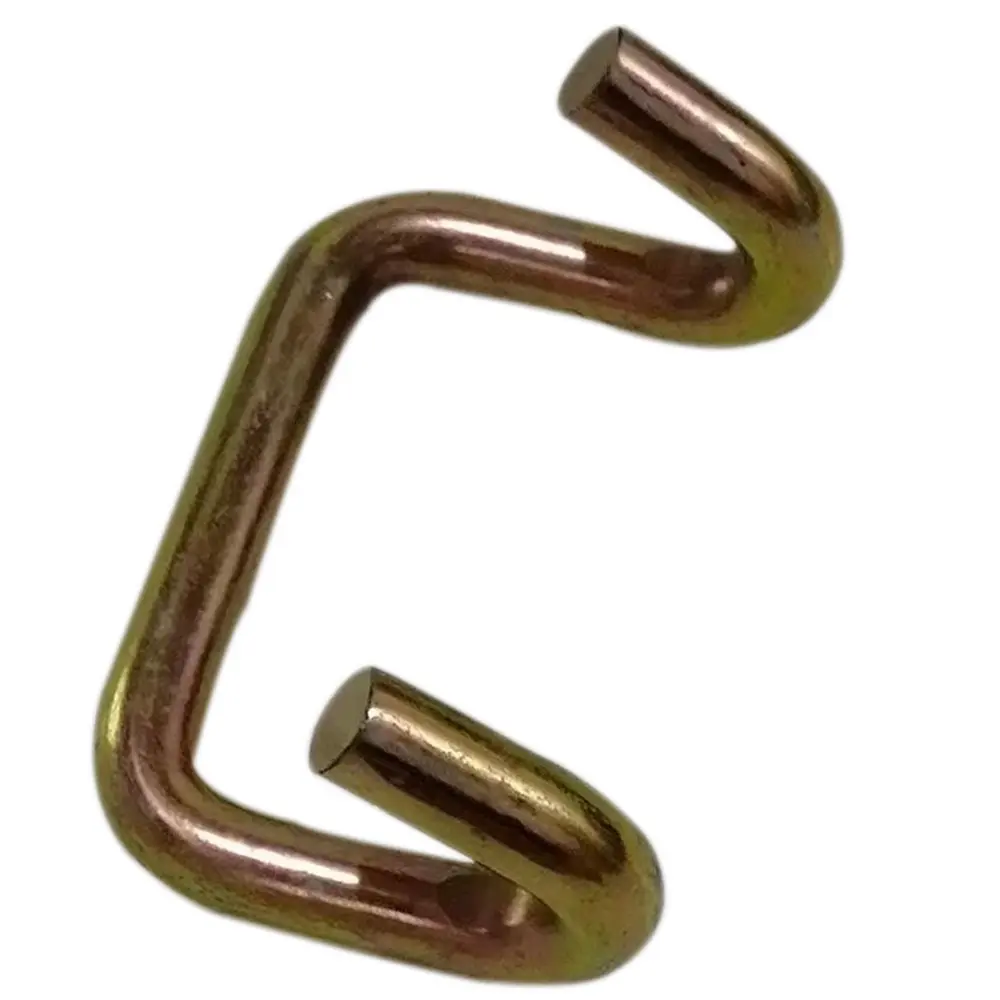
End Fittings: The hooks attached to each end of the webbing (e.g., S-hooks, T-hooks, flat hooks). These must be in good condition without cracks or excessive wear.
Pro Tip: Always check the tag on your cargo strap for its Working Load Limit (WLL). Never exceed this limit. Remember, the WLL of the entire assembly is determined by its weakest component.
Part 2: The 5-Step Guide to Using a Ratchet Strap Correctly
Follow these steps every time for a secure, reliable load.
Step 1: Inspection & Preparation
Action: Before anything else, inspect your ratchet strap thoroughly.
-
Check the Webbing: Look for cuts, burns, fraying, tears, or excessive abrasion. If the red inner threads are visible, the strap is compromised and must be replaced.
-
Inspect the Ratchet: Ensure the mechanism moves freely. Check for cracks in the metal housing and ensure the pawl (the locking lever) springs back into place.
-
Examine the Hooks: Look for stretching, cracks, or bent tips. A failed hook can become a dangerous projectile.
-
Untangle: Ensure the strap is free of knots or twists.
Step 2: Positioning and Anchoring
Action: Plan your securement strategy.
-
Choose Secure Anchor Points: Attach the hooks to robust, dedicated tie-down points on your trailer or truck. These points should be rated to handle the load. Never hook onto sharp edges, lighting lines, or non-structural components.
-
Protect the Webbing: If the anchor point has a sharp edge, use a corner protector or a piece of old hose to prevent cutting the strap.
-
Initial Placement: Lay the strap over the cargo. For a flatbed, the strap should run from one anchor point, over the cargo, and down to the opposite-side anchor point. This creates a downward and inward force.
Step 3: Taking Up the Slack
Action: This step is about manual tightening, not using the ratchet yet.
-
Open the ratchet handle fully until it clicks and locks in the “open” position.
-
Pull the loose end of the webbing through the ratchet mechanism by hand. Pull it as tight as you possibly can without the ratchet.
-
The goal is to remove all visible slack from the strap. The more slack you take out manually, the less work the ratchet has to do and the more effective the final tightening will be.
Step 4: Tightening with the Ratchet
Action: Now, use the ratchet mechanism to apply final tension.
-
Slowly pump the ratchet handle back and forth. You will hear a distinctive “clicking” sound with each stroke—this is the pawl engaging with the gear, holding the tension.
-
Stop When Tight: The strap should be drum-tight. A good rule of thumb: if you can press the webbing down more than an inch at the midpoint, it needs more tension.
-
CRITICAL SAFETY NOTE: Do not over-tighten! Excessive force can damage the strap’s fibers, the cargo, or even the ratchet mechanism itself, leading to catastrophic failure.
Step 5: Securing the Loose End and Final Check
Action: Lock the handle and secure the tail.
-
Once the strap is tight, close the ratchet handle and latch it securely into its storage bracket or against the spool. This locks the entire mechanism.
-
Take the loose end of the webbing (the “tail”) and tuck it safely away or use the provided keeper strap. A dangling tail can flap in the wind, causing wear and becoming a distraction.
-
Perform a final visual check: Is the strap tight? Are the hooks properly seated? Is the ratchet handle fully locked?
Part 3: Common Ratchet Strap Mistakes and How to Avoid Them
Even experienced users can make errors. Here are the most common pitfalls:
-
Mistake #1: The “Daisy Chain”
-
What it is: Connecting multiple straps together to make a longer one.
-
The Risk: This creates unrated connection points and drastically reduces the overall WLL. Never do this. Use a single strap of the correct length.
-
-
Mistake #2: Twists and Knots in the Webbing
-
What it is: Allowing the strap to become twisted or tying knots to take up slack.
-
The Risk: A twisted or knotted strap can lose up to 50% of its strength. Always keep the webbing flat.
-
-
Mistake #3: Over-tightening
-
What it is: Cranking the ratchet until it can’t move anymore.
-
The Risk: This can permanently damage the strap’s fibers, crush your cargo, or cause the ratchet to fail violently under stress.
-
-
Mistake #4: Using Damaged Equipment
-
What it is: Ignoring minor cuts, frays, or a rusty ratchet.
-
The Risk: A damaged component is the most common cause of strap failure. When in doubt, throw it out.
-
Part 4: Best Practices for Different Cargo Types
-
For Heavy Machinery: Use multiple straps with appropriate WLL. Secure from all four corners to prevent any movement.
-
For Lumber or Pipes: Use enough straps to prevent splaying (typically one strap every 4-5 feet). Protect sharp edges at all costs.
-
For Crates and Boxes: Ensure the strap pressure is evenly distributed. Use edge protectors to prevent the strap from digging into the cardboard and causing damage.
Conclusion: Security is a Habit
Properly using a ratchet strap is a simple yet vital procedure. By following these steps and adhering to safety principles, you transform a basic tool into a reliable guarantee of security. Consistent, correct use not only protects your load but also extends the life of your equipment, providing a strong return on investment.
Secure Your Load with Confidence and Hangcheng Parts
Your cargo deserves the best security, starting with the highest quality components.
-
Shop Our Premium Ratchet Straps: Explore Hangcheng Parts’ range of high-strength ratchet tie-downs and cargo straps. Our products are rigorously tested for durability, reliability, and performance, featuring robust ratchets and high-visibility webbing.
-
Need a Custom Solution? Contact our team for ratchet straps tailored to your specific load securement challenges.
Hangcheng Parts – Your Partner in Safety and Reliability on the Road.
Related Products