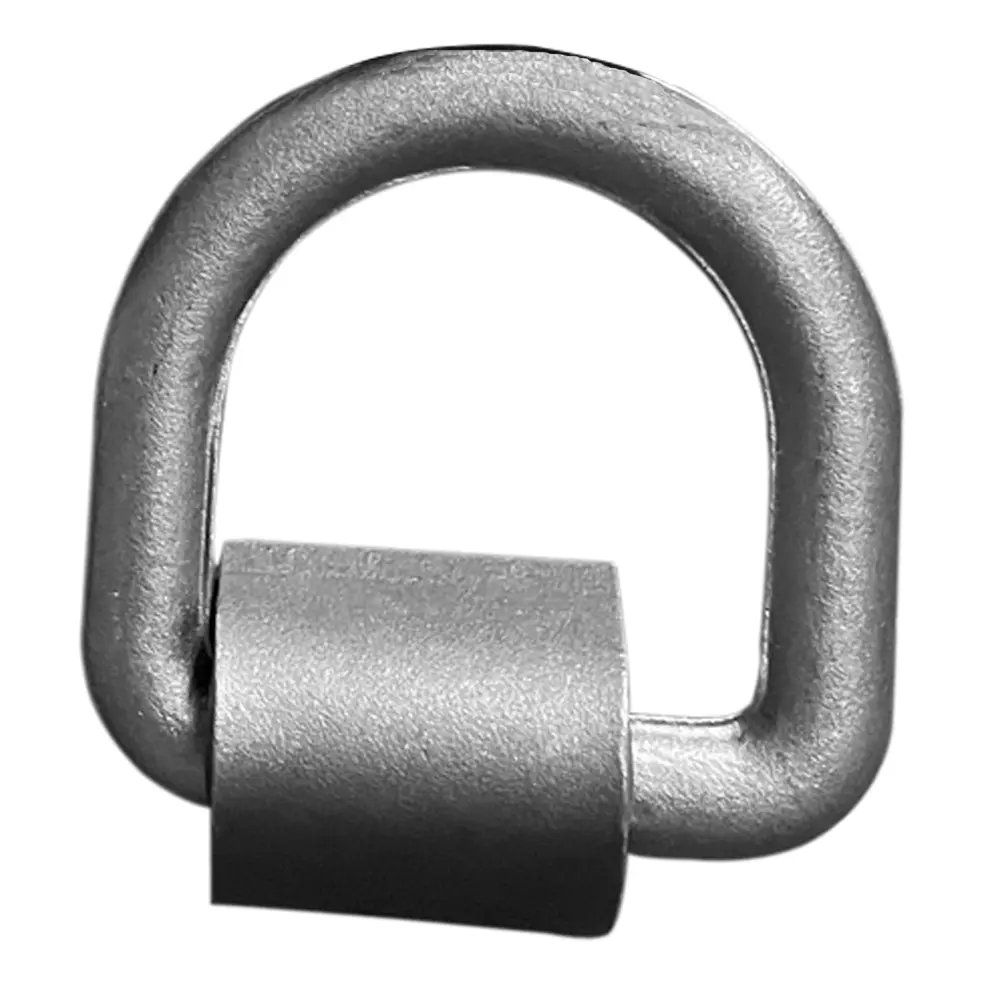
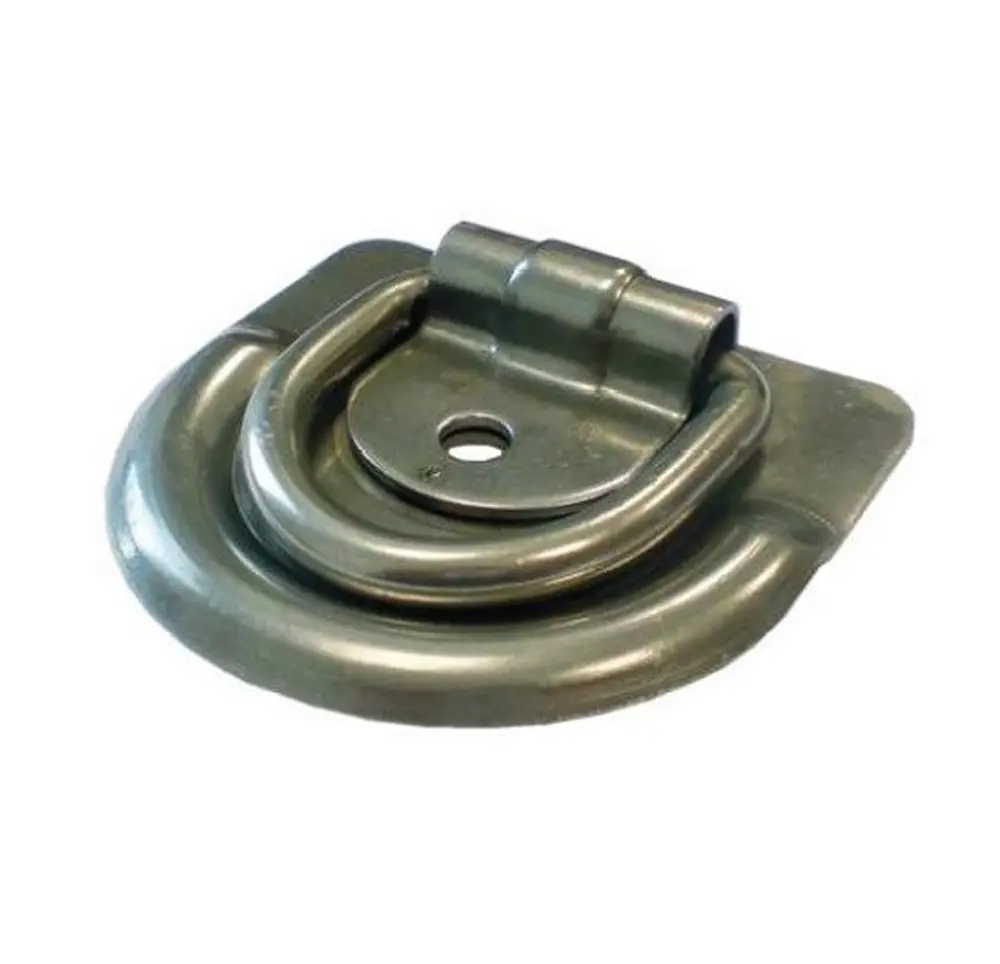
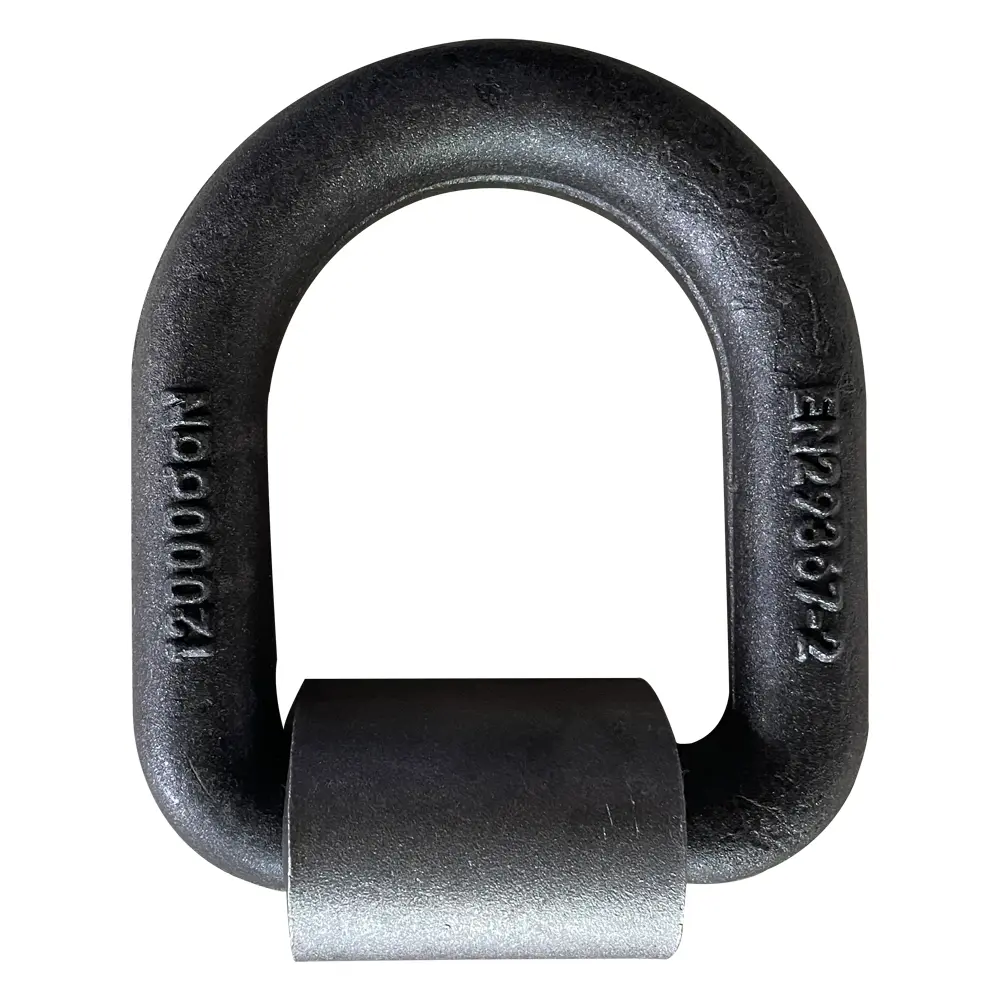
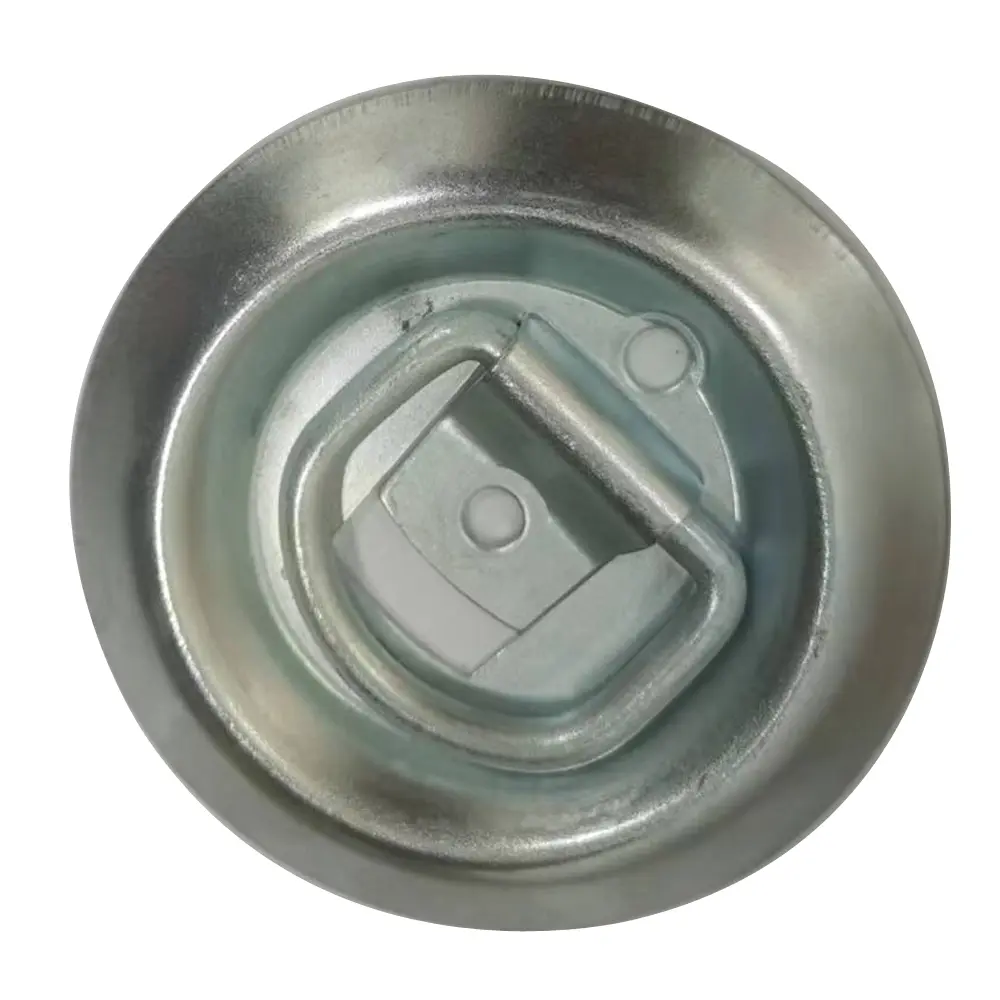
Introduction: The Critical Anchor Point in Your Load Securement System
In the world of cargo transport, where shifting loads can lead to catastrophic failure, the humble lashing ring is your first and last line of defense. As the fundamental anchor point for straps, chains, and winch lines, its integrity is non-negotiable. When specifying these components for your trailer fleet or manufacturing process, the primary decision often boils down to one critical choice: Welded Lashing Ring or Bolt-On Lashing Ring?
This is not merely a matter of preference; it’s a foundational engineering decision that impacts safety, cost, maintenance, and operational flexibility. Selecting the wrong type can compromise your entire cargo securement system, leading to product damage, regulatory violations, and severe safety hazards.
This comprehensive guide provides a detailed, unbiased comparison between welded and bolt-on lashing rings. We will dissect their installation, strength, applications, and total cost of ownership to empower you with the knowledge needed to make the perfect, safe choice for your specific requirements.
Part 1: Head-to-Head Comparison – Breaking Down the Core Differences
To understand which ring is superior for your application, we must first examine their fundamental characteristics side-by-side.
| Feature | Welded Lashing Ring | Bolt-On Lashing Ring |
|---|---|---|
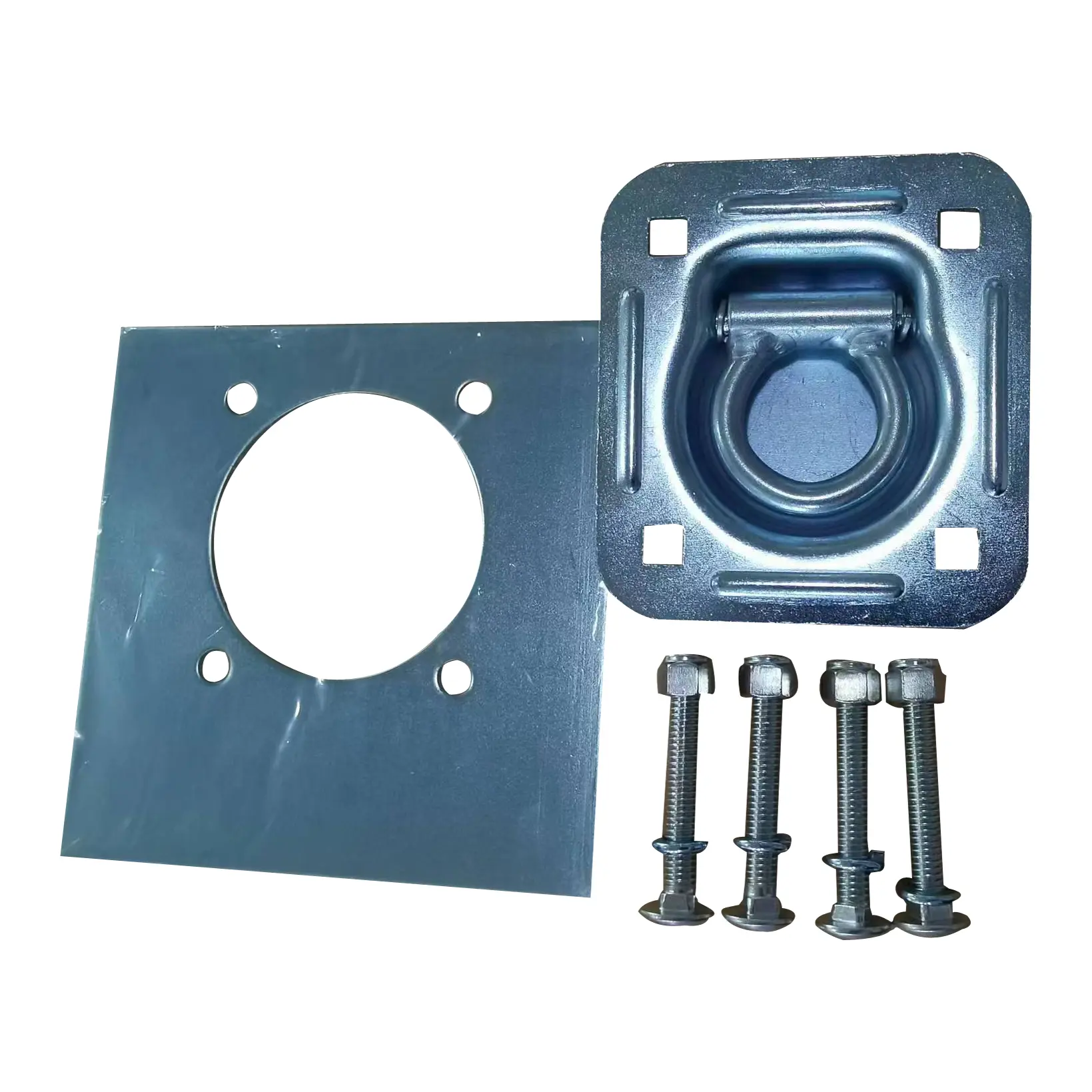
| Primary Installation Method | Permanently fused to the trailer structure (frame, side rail, floor) via arc or MIG welding. | Attached using high-tensile bolts, nuts, and often a backing plate that passes through a pre-drilled hole. |
| Connection to Structure | Direct, continuous metallurgical bond with the base metal. | Mechanical, pressure-based connection via clamping force of the bolts. |
| Inherent Strength Profile | Extremely high static strength. When properly welded, the ring itself or the surrounding metal will fail before the weld under direct pull. | High strength, dependent on hardware. Strength is defined by bolt grade, number of bolts, and backing plate design. Failure can occur at the bolt threads or via “pull-through.” |
| Profile & Snag Risk | Can be ground flush for a completely smooth, low-profile finish that eliminates snagging. | Typically protrudes slightly more, with bolt heads and plate edges potentially creating snag points for cargo or equipment. |
| Flexibility & Adjustability | Permanent. Location is final. Reconfiguration requires grinding, cutting, and re-welding. | Semi-permanent. Rings can be relocated by drilling new holes, offering some adaptability for changing cargo patterns. |
| Installation Skill & Tools | Requires a certified welder, proper equipment, and knowledge of weld procedures for the base metal to prevent heat distortion or weakening. | Requires precise drilling, torque wrenches, and standard mechanical tools. Generally more accessible for in-house teams. |
| Corrosion Resistance | The weld zone, if not properly treated, can be a corrosion hotspot. The entire assembly can be uniformly coated post-weld for protection. | Crevices between the plate, trailer surface, and bolts can trap moisture, leading to hidden corrosion. Stainless steel bolt kits mitigate this. |
| Visual Inspection Ease | Weld integrity is critical but can be difficult to inspect for hairline cracks without specialized methods (dye penetrant). | Mechanical components are easier to inspect visually for loose bolts, cracks in the plate, or wear on the ring. |
Part 2: The Deep Dive – Advantages, Limitations, and Ideal Use Cases
Welded Lashing Ring: The Permanent Powerhouse
-
Advantages:
-
Maximum Strength & Reliability: Offers the highest possible load rating for a given size because the connection is a homogeneous part of the structure. Ideal for extreme, multi-directional forces.
-
Clean, Professional Finish: Once ground and painted, it provides a seamless, durable look that is easy to clean and maintains trailer resale value.
-
No Maintenance on Connection: A quality weld requires no retightening or mechanical inspection of fasteners—it’s a “fit and forget” solution.
-
Security: Cannot be removed without significant effort, deterring theft of the securing points themselves.
-
-
Limitations & Considerations:
-
Permanent Commitment: Mistakes in placement are costly to rectify.
-
Requires Skilled Labor: Improper welding (undercut, lack of penetration, excessive heat) creates a critical weak point that is worse than a mechanical connection.
-
Potential for Corrosion: The weld must be properly cleaned and coated to match the trailer’s corrosion protection.
-
-
Ideal For:
-
New Trailer Builds & OEM Manufacturing.
-
Heavy-Duty, High-Cycle Applications: Flatbeds, logging trailers, heavy equipment transport where forces are extreme.
-
Environments requiring a smooth, flush surface: To prevent damage to sensitive cargo or for easy cleaning (e.g., food-grade trailers).
-
Bolt-On Lashing Ring: The Flexible, Field-Ready Solution
-
Advantages:
-
Ease of Installation & Retrofit: Can be added to any existing trailer with a drill and wrench, without specialized welding skills or permits (often required for hot work).
-
Field-Replaceable & Reconfigurable: Damaged rings can be swapped out quickly. Patterns can be adjusted to suit new types of cargo.
-
Easier Inspection and Maintenance: Loose bolts are a simple, visual cue for needed maintenance. All components can be easily inspected.
-
No Heat-Affected Zone (HAZ): Avoids the risk of weakening the trailer’s frame or side rail due to welding heat.
-
-
Limitations & Considerations:
-
Risk of Loosening: Vibration can cause nuts to loosen over time, necessitating a regular torque-check protocol.
-
“Pull-Through” Risk: Under extreme overload, the bolt heads or plate can tear through the trailer floor or wall if the material is too thin or not properly reinforced.
-
Lower Ultimate Strength (Generally): The strength is limited by the bolts’ shear and tensile ratings, not the continuous strength of the metal.
-
-
Ideal For:
-
Aftermarket Upgrades & Fleet Modifications.
-
Trailers with Composite or Thin-Walled Floors/Walls: Where welding is impossible or would cause damage.
-
Mixed Fleets & Rental Companies: Where flexibility and easy, low-skill repair are paramount.
-
Applications where specific lashing patterns change frequently.
-
Part 3: The Selection Matrix – How to Choose with Confidence
Ask these questions to guide your decision:
-
What is my primary application?
-
Constant, Extreme Heavy-Duty: Choose Welded.
-
Variable, Moderate-Duty with Need for Flexibility: Choose Bolt-On.
-
-
What is the state of my asset?
-
Building New or at a Factory: Welded is optimal for integration.
-
Retrofitting an Existing Trailer in the Field: Bolt-On is practical and cost-effective.
-
-
What are my in-house capabilities?
-
Access to Certified Welders & Equipment: Welded is viable.
-
Maintenance Crew with Standard Tools: Bolt-On is the straightforward choice.
-
-
What is the total cost of ownership perspective?
-
Prioritize Lifetime Durability & Zero Maintenance: Welded may have a higher initial cost but lower long-term cost.
-
Prioritize Lower Initial Cost & Adaptability: Bolt-On is typically cheaper upfront and offers future flexibility.
-
Pro Tip: For ultimate strength in a bolt-on application, insist on rings that use a thick, forged backing plate and grade 8 or higher bolts. This bridges the performance gap closer to a welded solution.
Conclusion: There Is No “Better,” Only “Better For You”
The debate between welded and bolt-on lashing rings isn’t about declaring a winner; it’s about matching the right tool to the job. The welded lashing ring is the undisputed champion of permanent, maximum-strength integration. The bolt-on lashing ring is the versatile, pragmatic hero of flexibility and field serviceability.
Your specific operational needs, assets, and resources dictate the correct choice. By understanding the detailed engineering and practical trade-offs outlined in this guide, you can specify your anchor points with confidence, ensuring a safer, more efficient, and more reliable cargo securement system for your fleet.
Contact us for more information; limited-time offers available for bulk orders.
Related Products