Introduction: Why Meat Hook Selection Impacts Your Bottom Line
Choosing the wrong meat hook costs the average processing plant $15,000 annually in product damage, inefficient workflows, and premature equipment replacement. With over 23 distinct butchering hook types available, most buyers default to familiar options without understanding how specialized designs can transform their operations.
This definitive guide analyzes 7 critical meat hook classifications—from single/double configurations to rotation capabilities and beyond—helping procurement managers, plant operators, and food safety specialists make informed decisions that protect product quality and maximize return on investment.
1. Single vs. Double Hooks: Capacity vs. Flexibility
-
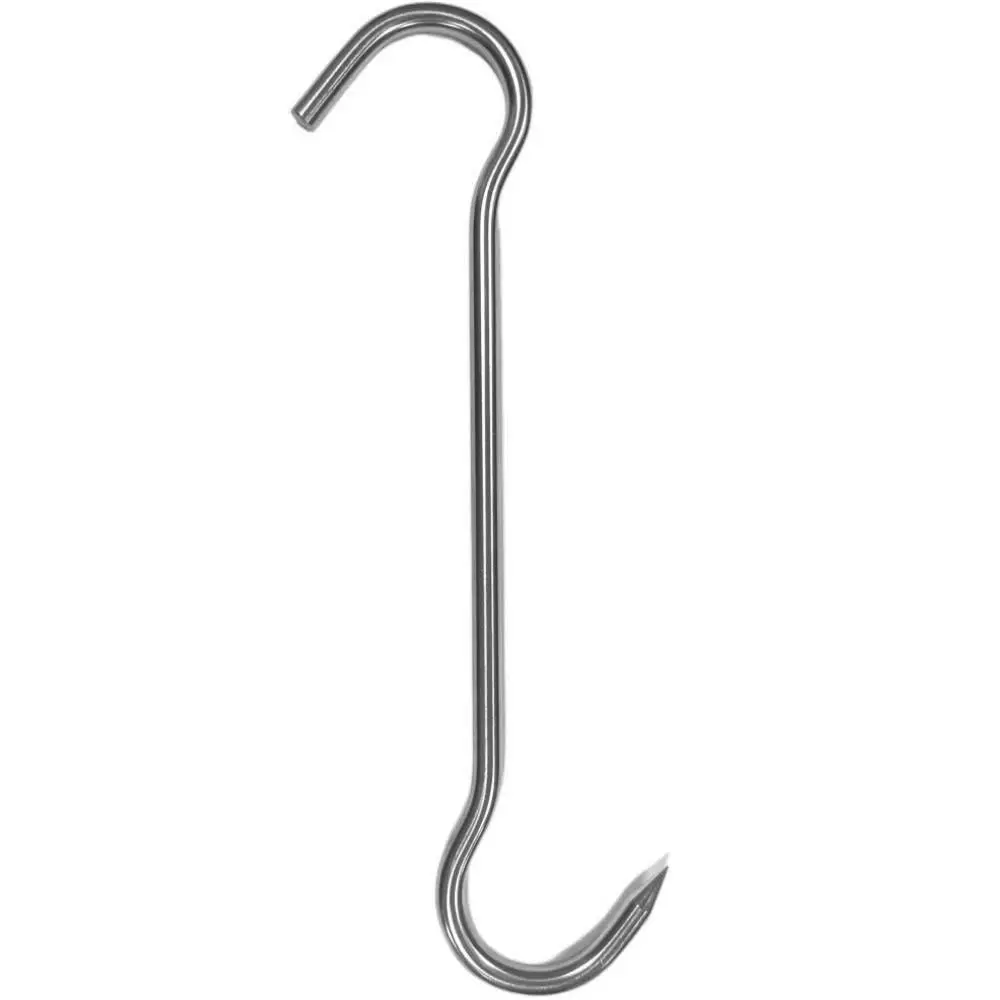
Load Distribution: Concentrated weight on single point (ideal for large cuts)
-
Typical Capacity: 110-220 lbs per hook
-
Space Efficiency: 40% more hooks per linear foot of rail
-
Best Applications:
-
Whole carcass handling in slaughter operations
-
Large primal cuts (beef quarters, pork sides)
-
Limited-space cooling facilities
-
-
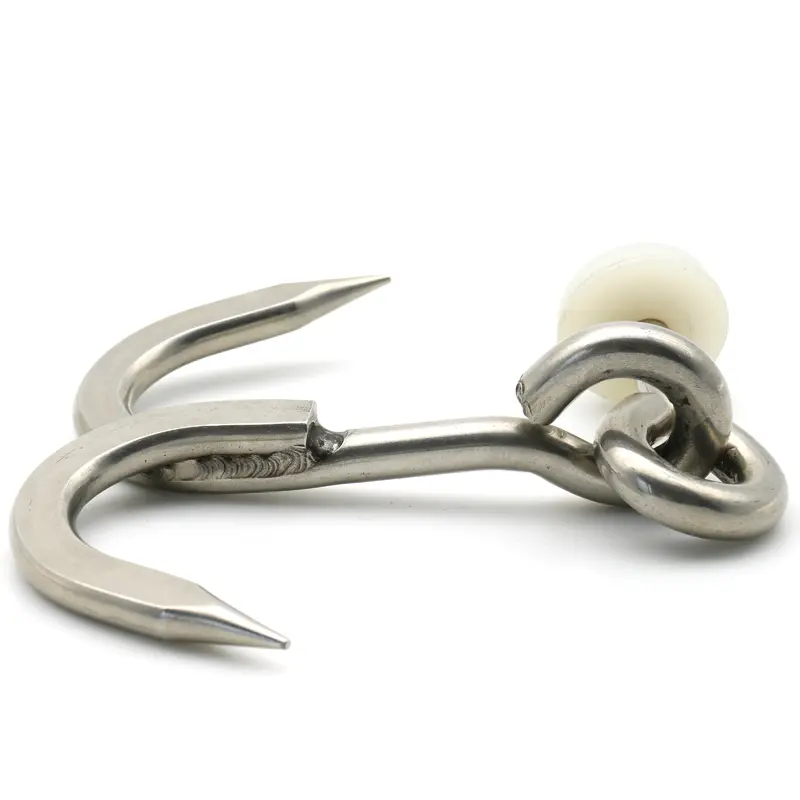
Load Distribution: Weight spread across two points (reducers product deformation)
-
Typical Capacity: 55-110 lbs per point
-
Stability Advantage: 70% less swing during transport
-
Best Applications:
-
Smaller cuts requiring shape preservation
-
Processing lines with rapid direction changes
-
Value-added products where appearance matters
-
Selection Insight: Single hooks maximize rail density; double hooks protect product integrity through better weight distribution.
2. Swivel vs. Fixed Hooks: Movement vs. Stability
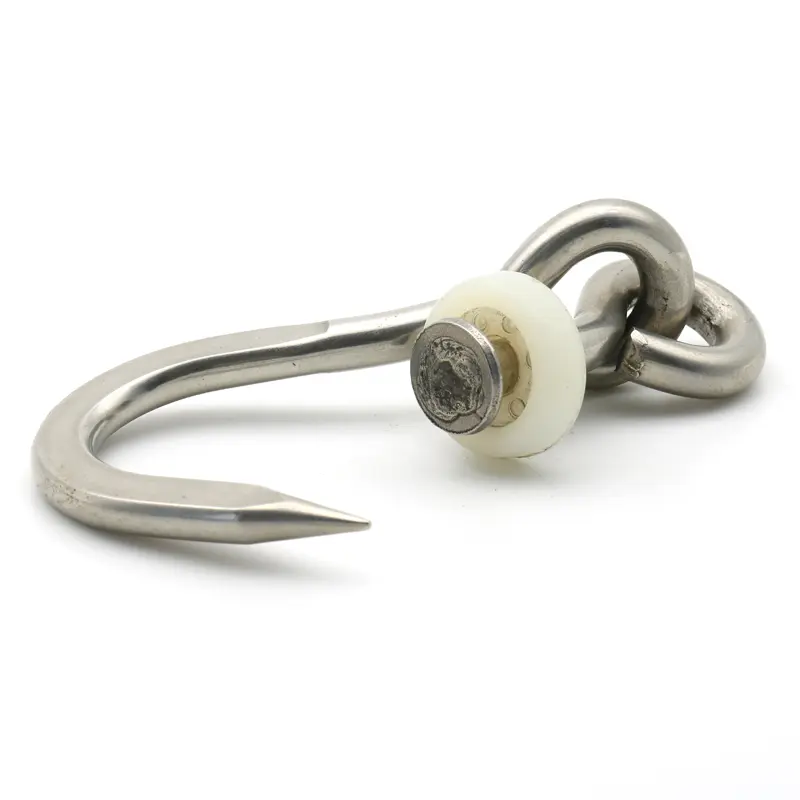
Swivel Hook (Revolving Meat Hook)
-
Bearing Types:
-
Ball bearing: Smooth 360° rotation under heavy loads
-
Bushing bearing: Economic option for lighter applications
-
-
Rotation Efficiency: Reduces line resistance by up to 60%
-
Operational Benefits:
-
Automatic product orientation at inspection stations
-
Reduced employee musculoskeletal stress
-
Smother transitions around curved rail sections
-
Fixed Hook (Non-Revolving Meat Hook)
-
Stability Advantage: Eliminates unwanted product rotation
-
Structural Integrity: Fewer moving parts mean 30% longer service life
-
Maintenance Requirements: No bearing lubrication or replacement
-
Ideal Applications:
-
Fixed-position operations (weighing, grading)
-
Cryogenic freezing where rotation causes icing
-
Budget-conscious operations prioritizing longevity
-
Technical Note: Premium swivel hooks feature sealed bearings that withstand high-pressure washing and operate at temperatures from -40°F to 220°F.
3. Hook Point Geometry: Precision Matters
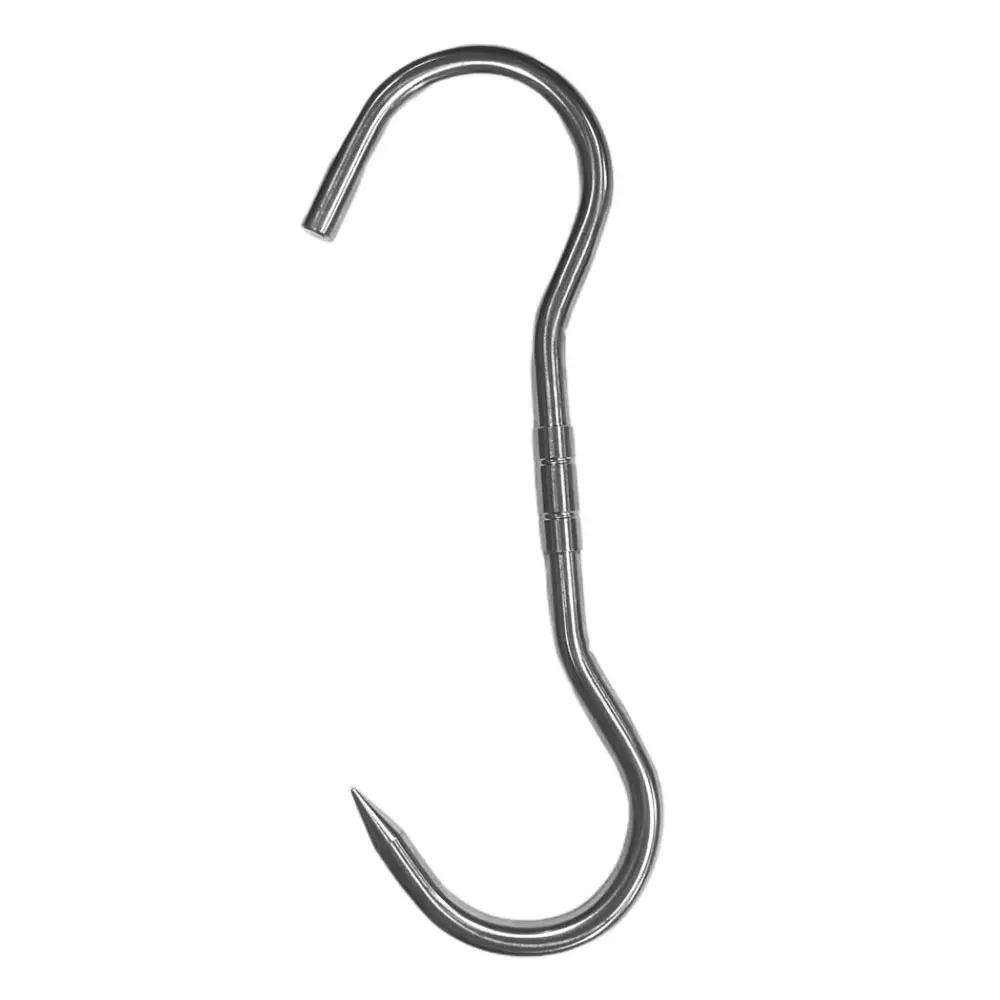
Sharp-Tip Hooks
-
Penetration Advantage: Clean entry reduces tissue damage
-
Holding Security: 40% better retention in slippery conditions
-
Applications: Frozen meat, fatty tissues, tough connective tissue
Blunt-Tip Hooks
-
Product Protection: Minimizes purge loss and quality degradation
-
Safety Benefit: Reduced puncture injuries among workers
-
Applications: Value-added products, delicate tissues, ready-to-eat items
Specialized Tip Designs
-
Needle Point: For frozen product and hard fats
-
Bulb Tip: Maximum product protection for premium cuts
-
Angled Tip: Controlled entry and exit angles
4. Material Selection: Beyond Basic Stainless Steel
304 Stainless Steel
-
Corrosion Resistance: Withstands routine chemical sanitizers
-
Cost Efficiency: 25% less expensive than 316 stainless
-
Applications: General processing environments, indoor facilities
316 Stainless Steel
-
Enhanced Protection: Superior resistance to chlorides and acids
-
Longevity: 35% longer service life in high-salinity environments
-
Applications: Coastal facilities, high-chloride water supplies, aggressive cleaning chemicals
Hot-Dip Galvanized Steel
-
Economic Alternative: 60% cost savings over stainless options
-
Limitations: Not for direct food contact in most jurisdictions
-
Applications: Non-product contact areas, transport between facilities
5. Hook Styles for Specialized Applications
Gambrel Hooks
-
Design Feature: Spreads animal legs for consistent air flow
-
Capacity Range: 150-400 lbs per hook
-
Species Specific: Different widths for beef, pork, or sheep
Rail System Hooks
-
Configuration Options: Single, double, or combination sets
-
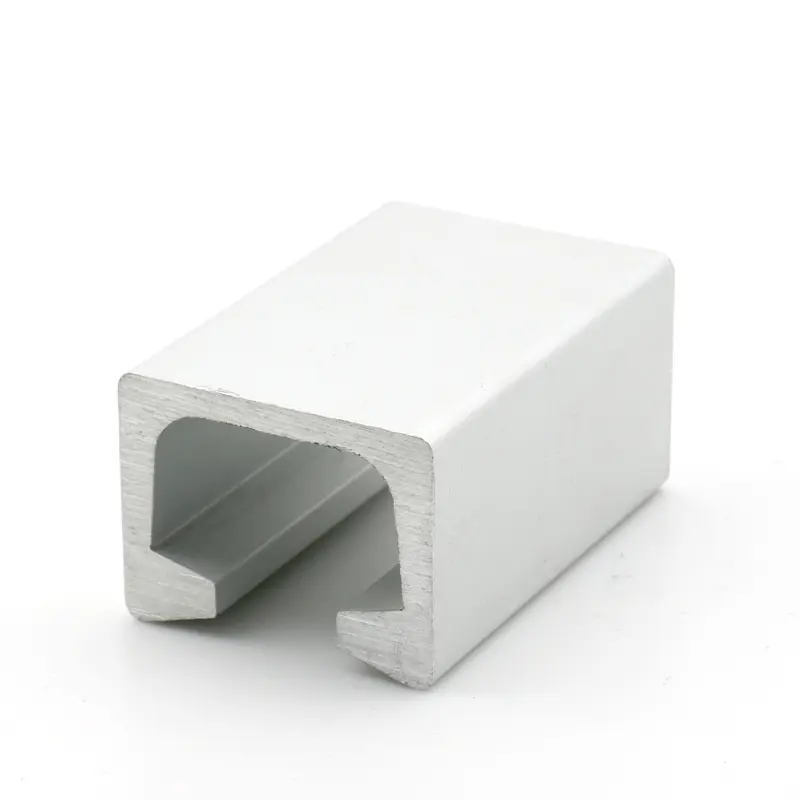
Attachment Methods: Standard wheel, roller bearing, or low-friction polymer
-
Flow Optimization: Matching hook to rail profile reduces resistance
Processing-Specific Designs
-
Boning Hooks: Personal tools for manual cutting operations
-
Transport Hooks: Heavy-duty designs for inter-facility movement
-
Display Hooks: Aesthetic designs for retail environments
6. Load Capacity and Safety Factors
Understanding Working Load Limits (WLL)
-
Standard WLL Range: 50-500 lbs per hook
-
Safety Factor: Most hooks designed with 3:1 or 4:1 safety margin
-
Calculation Method: Required WLL = (Heaviest Expected Load) × (Dynamic Factor of 1.5)
Fatigue Considerations
-
Cycle Life: Premium hooks withstand 500,000+ loading cycles
-
Inspection Points: Stress concentration areas at hook throat
-
Replacement Indicators: Visible deformation, corrosion pitting, crack formation
7. Hygiene and Sanitation Design
Surface Finish Requirements
-
Food Contact Standards: Maximum Ra 0.8 μm microinch finish
-
Cleanability: Electropolished surfaces prevent bacterial adherence
Design Features for Food Safety
-
Crevice-Free Construction: Eliminates bacterial harborage points
-
Drainage Optimization: Prevents fluid accumulation in hook design
-
Compatibility: Withstands cleaning chemicals and temperature extremes
Selection Framework: 5-Step Decision Process
-
Analyze Product Characteristics
-
Weight range and distribution
-
Physical properties (frozen, fresh, fragile)
-
Value per unit and damage consequences
-
-
Evaluate Processing Environment
-
Temperature extremes and thermal cycling
-
Chemical exposure from cleaning protocols
-
Corrosion potential from environmental factors
-
-
Assess Operational Requirements
-
Throughput speed and automation level
-
Employee safety considerations
-
Maintenance capabilities and schedules
-
-
Review Regulatory Compliance
-
Direct vs. indirect food contact requirements
-
Material certification needs
-
Audit and documentation expectations
-
-
Calculate Total Cost of Ownership
-
Initial investment vs. expected service life
-
Product loss prevention value
-
Maintenance and replacement costs
-
Implementation Guide: Avoiding Common Selection Errors
Mismatched Capacity
-
Error: Using single hooks for products requiring double-point support
-
Solution: Conduct product weight and size analysis before selection
Material Incompatibility
-
Error: 304 stainless in high-chloride environments causing pitting
-
Solution: Environmental assessment and material testing
Rotation Over specification
-
Error: Installing swivel hooks where fixed hooks would suffice
-
Solution: Process mapping to identify genuine rotation needs
FAQ: Addressing Critical Selection Questions
Q: How do I determine optimal hook spacing on my rail system?
A: Calculate based on largest product dimensions plus 4-6 inches clearance. Average spacing ranges from 12-18 inches.
Q: What certification should I require for food contact hooks?
A: Require 3.1 material certificates and FDA/USDA compliance statements for all direct contact applications.
Q: When should I consider custom hook configurations?
A: When standard options cannot meet specialized weight distribution, attachment, or sanitation requirements.
Q: How often should hooks be inspected and replaced?
A: Formal inspection quarterly, with replacement at first signs of deformation, cracking, or excessive corrosion.
Conclusion: Strategic Selection for Operational Excellence
Meat hook selection represents both a technical decision and strategic investment. By matching hook characteristics to specific operational requirements—from single/double configurations to rotation capabilities and material specifications—processing facilities can achieve significant improvements in product quality, worker safety, and operational efficiency.
Ready to optimize your meat hook selection? Contact us for more information and to enjoy savings on bulk orders.
Related Products