Introduction
Every uncontrolled truck door swing risks $2,000-$5,000 in immediate damage – not counting downtime costs that can triple that amount. Industry data reveals that wrong truck door holder selection causes 42% of premature door system failures, while proper retention systems extend door life by up to 8 years.
This definitive guide analyzes 7 truck door holder types across real-world performance metrics. You’ll discover exactly how to match retention systems to your specific trailer type, operating environment, and safety requirements – transforming your door maintenance from a cost center to a reliability asset.
1. Understanding Truck Door Holder Terminology
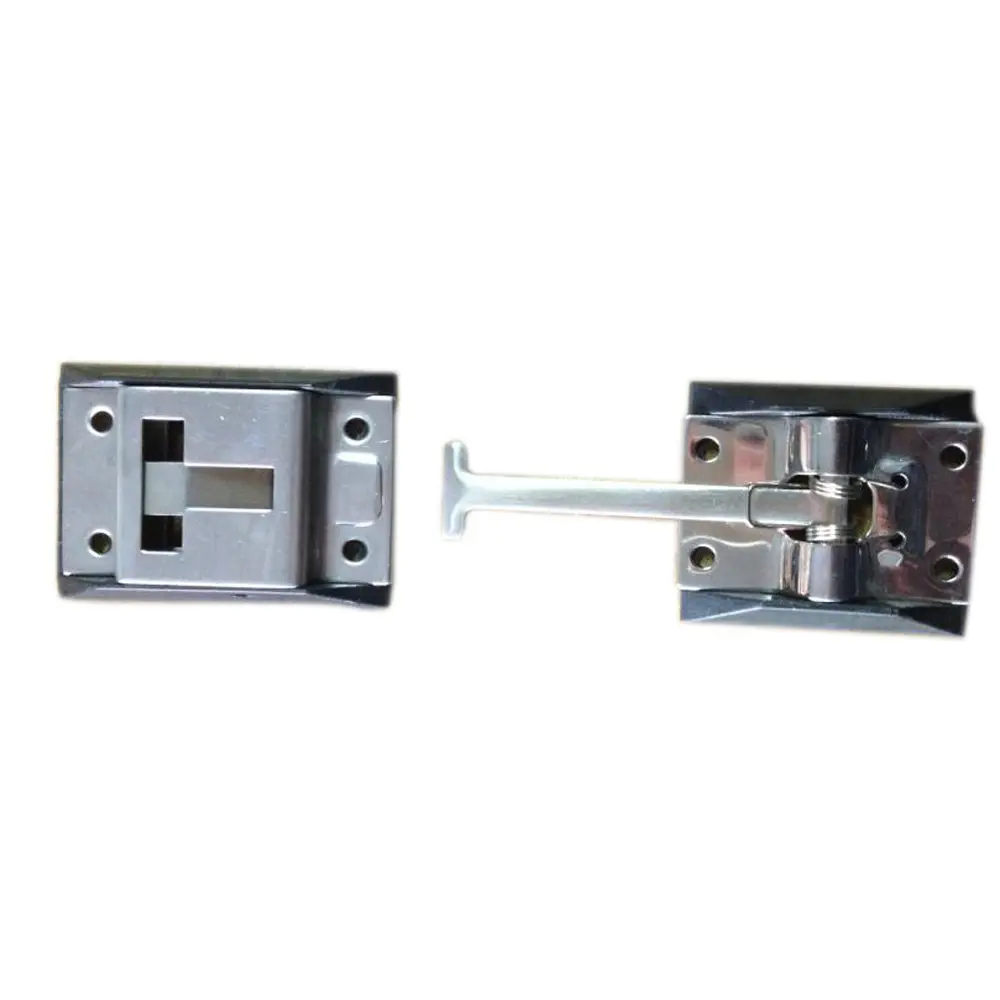
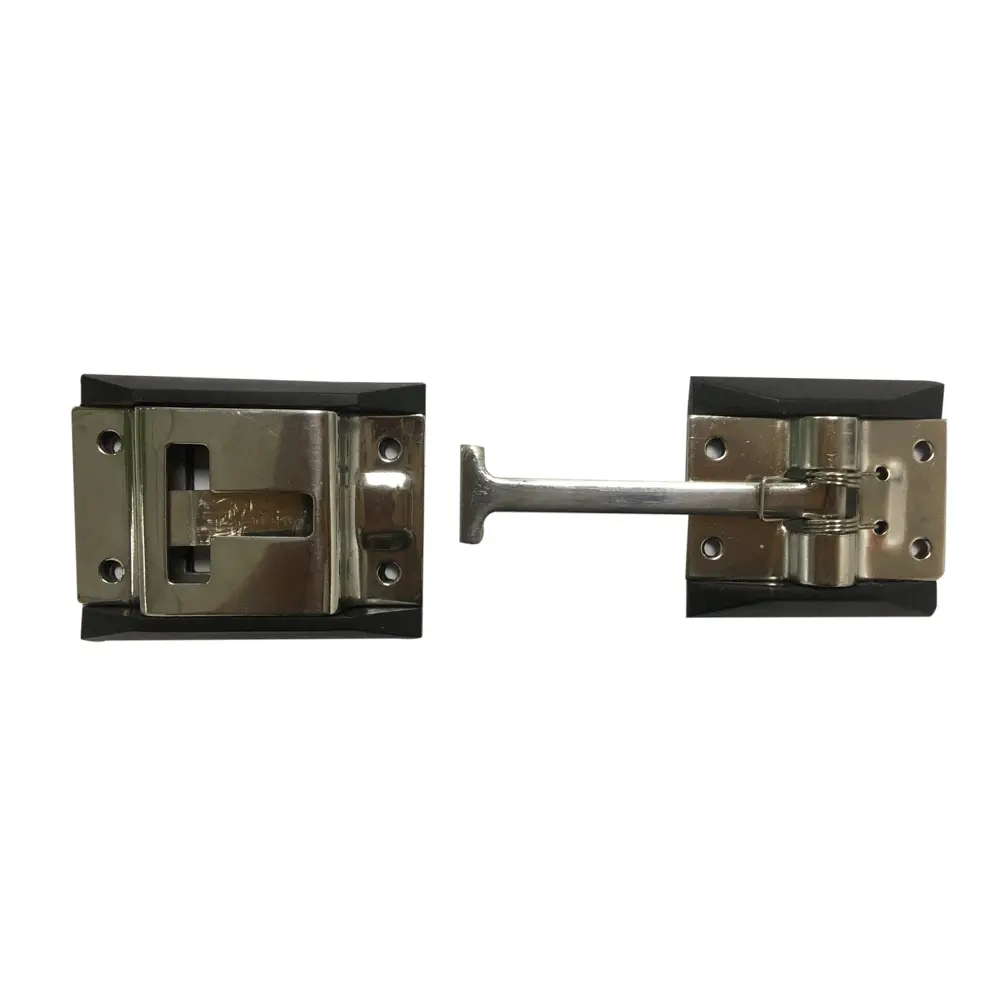
Truck Door Retainer
-
Primary Function: Positive mechanical locking in open position
-
Operation: Steel hook engages reinforced strike plate
-
Best Applications: High-wind docks, sloped surfaces, valuable cargo
-
Security Level: Maximum (requires intentional release)
Truck Door Holder
-
Primary Function: Position maintenance through friction/magnetic force
-
Operation: Spring pressure or magnetic retention
-
Best Applications: Frequent-access warehouses, distribution centers
-
Security Level: Moderate (quick release capability)
Truck Door Stopper
-
Primary Function: Prevent over-extension and impact damage
-
Operation: Physical barrier with shock absorption
-
Best Applications: Tight spaces, obstruction-prone areas
-
Security Level: Basic (damage prevention focus)
2. The 7 Truck Door Holder Types: Detailed Analysis
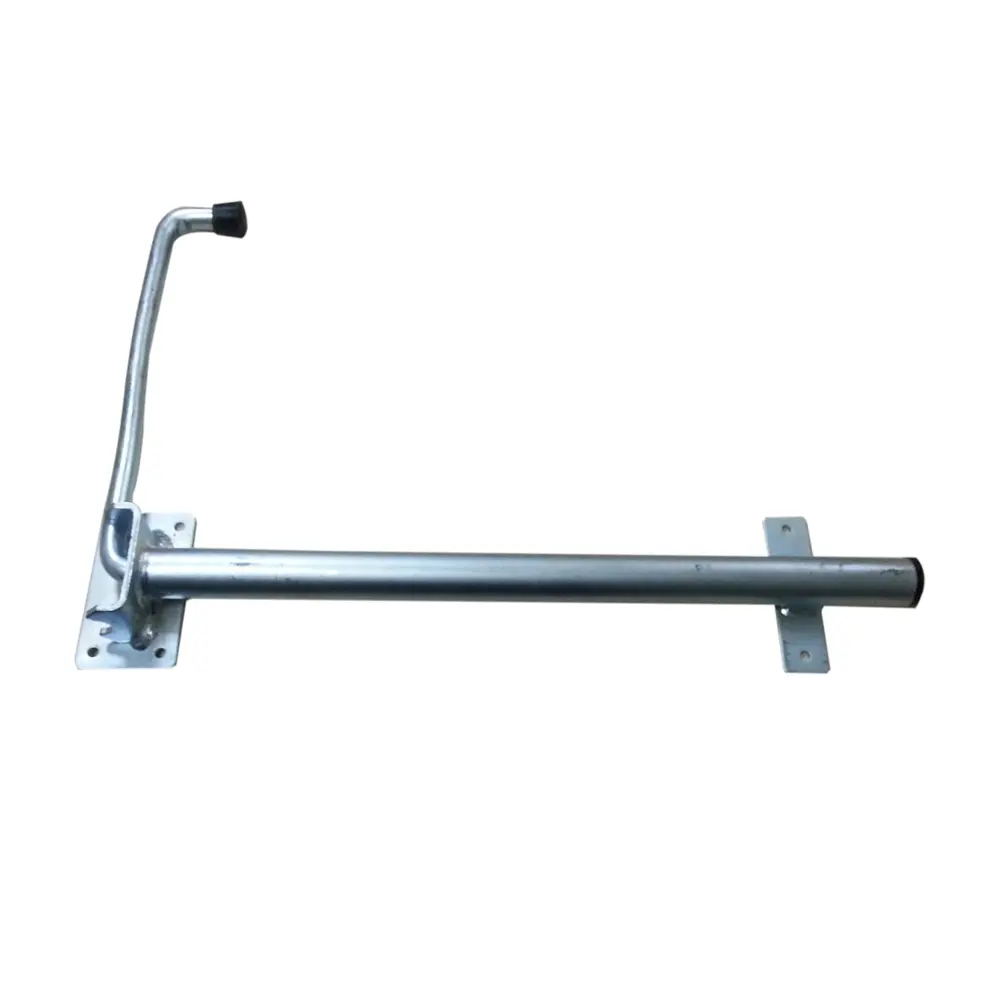
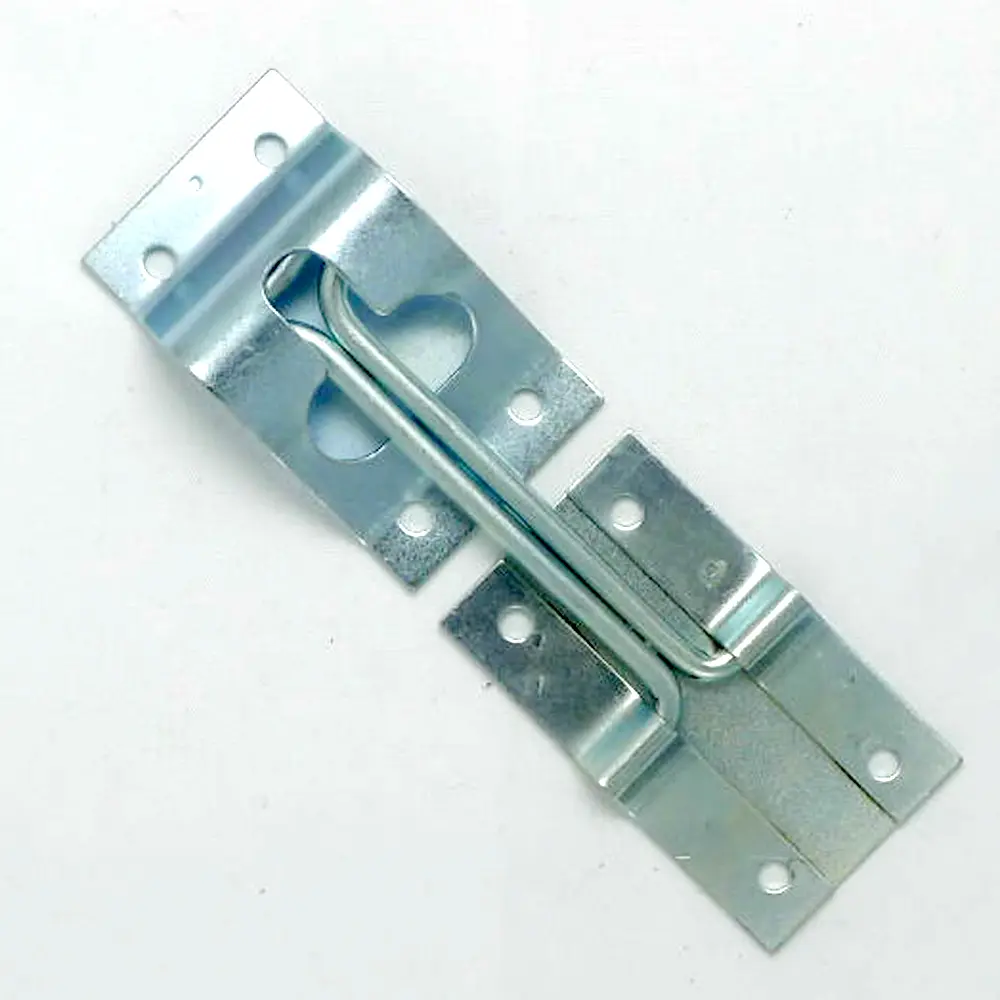
① Mechanical Door Retainers
-
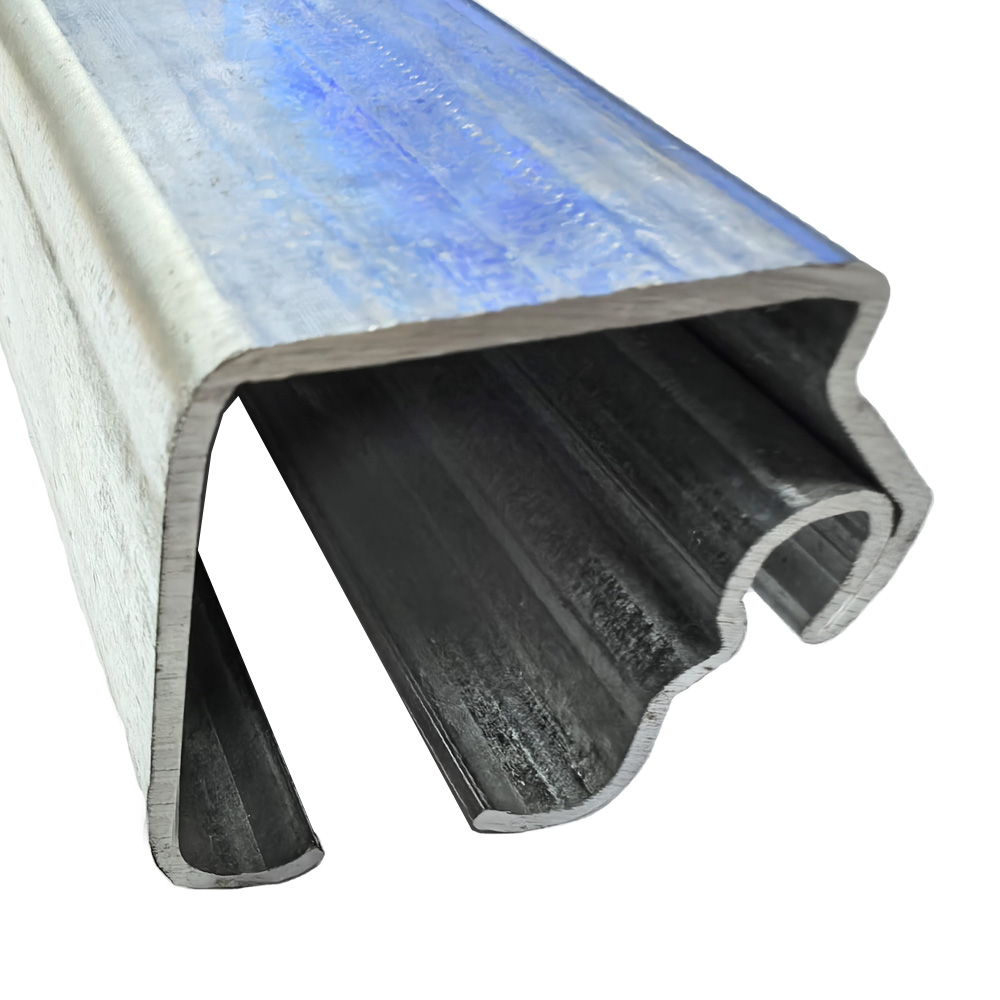
Construction: Typically crafted from high-tensile steel or zinc alloy for maximum strength and corrosion resistance. Many feature a hot-dip galvanized finish to withstand harsh weather and road chemicals.
-
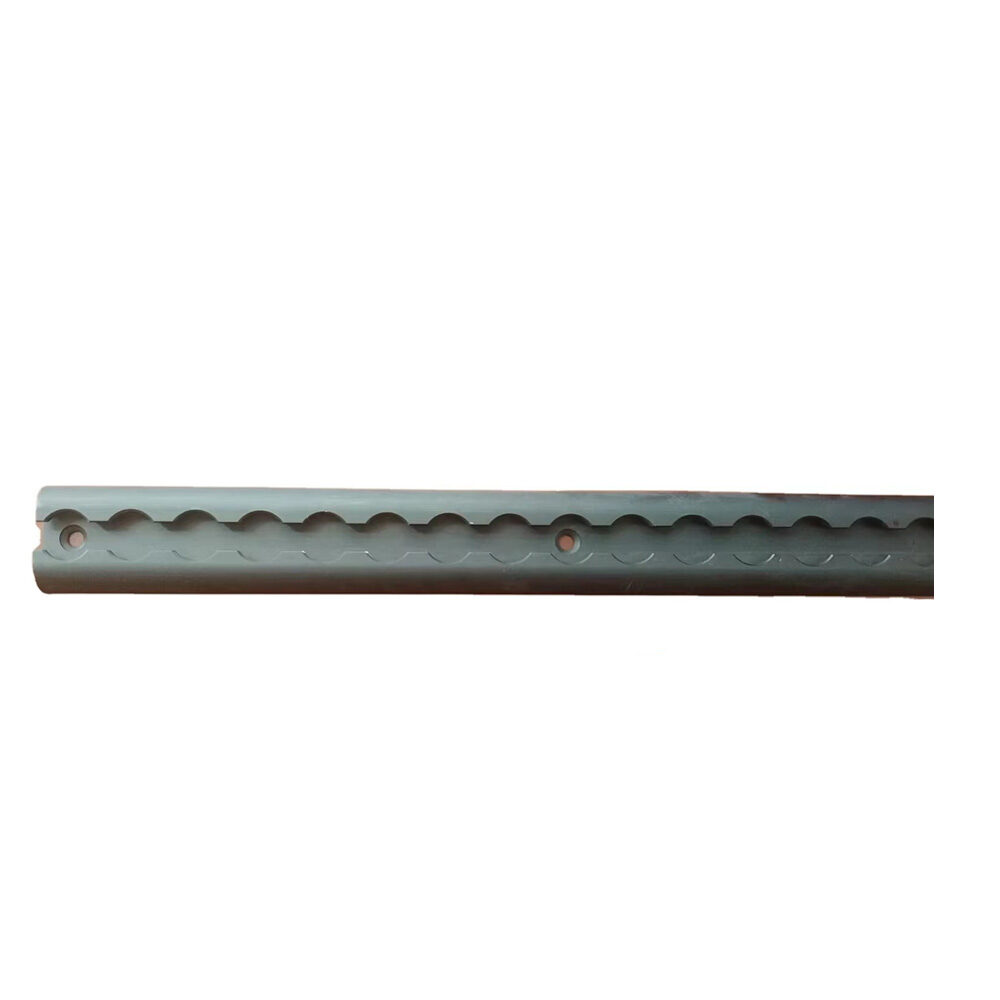
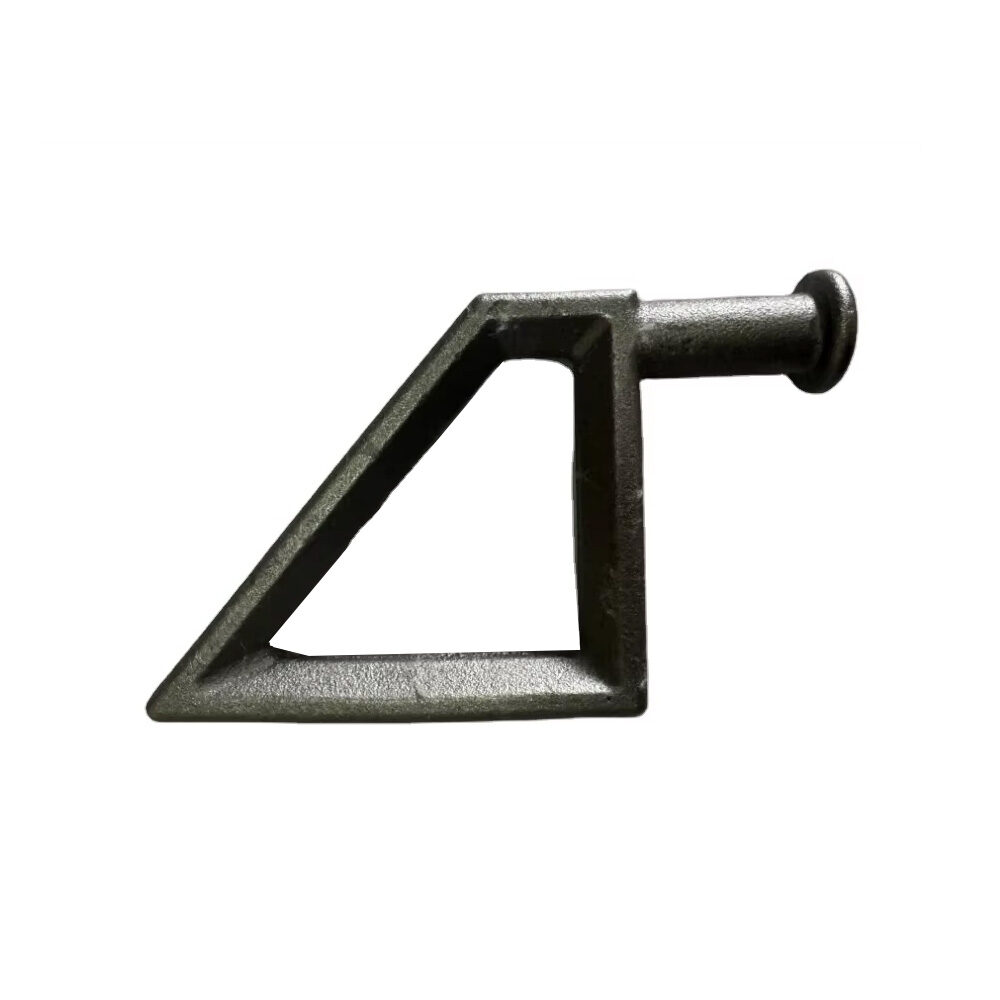
Mechanism: Utilizes a robust hook-and-catch system that provides a positive mechanical lock when the door is open.
-
Best For: Heavy-duty applications on flatbed trailers, construction vehicles, and in high-wind environments where a secure, non-slip hold is critical.
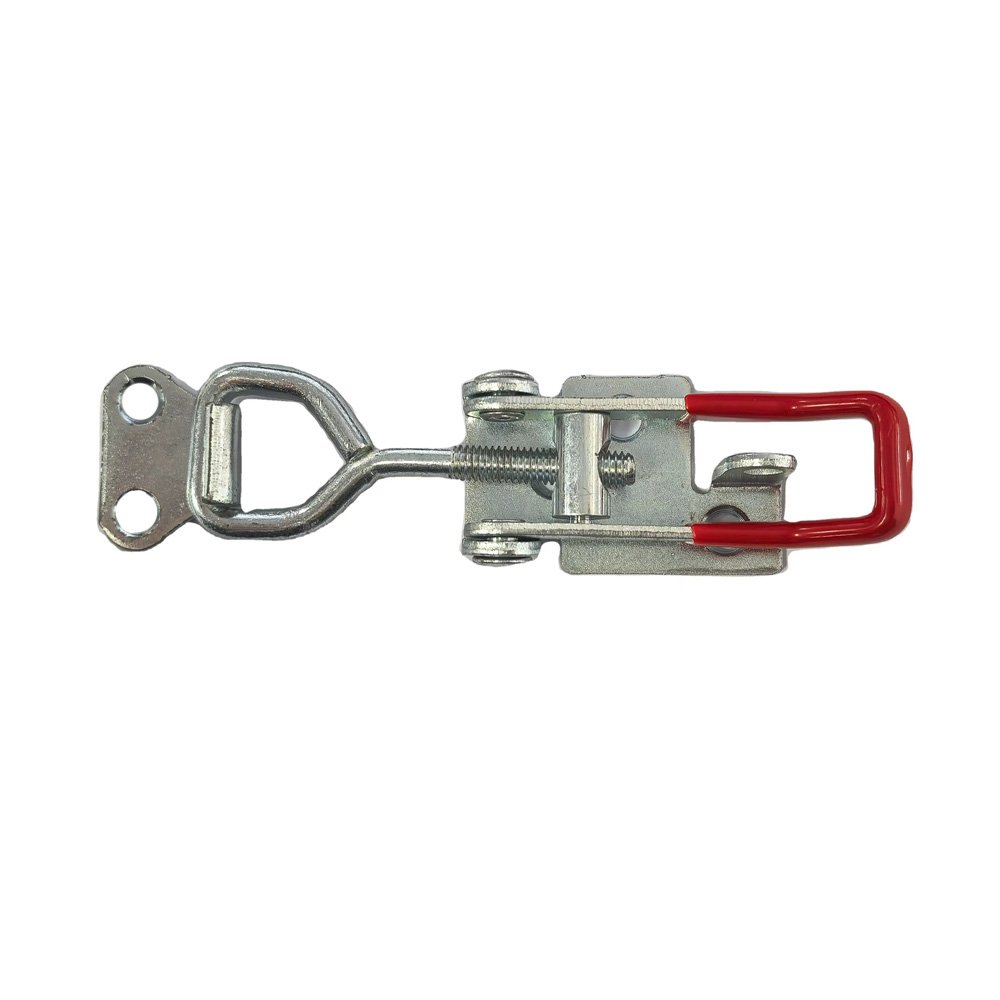
②Adjustable T-Handle Latches
-
Construction: Often made from stainless steel or coated carbon steel, with an ergonomic T-shaped handle for a firm grip.
-
Mechanism: A quarter-turn of the handle activates a rotating cam, which secures the door closed. The design often allows for fine-tuning the compression to ensure a tight seal-2.
-
Best For: Toolboxes, compartment doors, and service panels on utility trucks and vans where a secure and sealed closure is needed.
-
Best For: Warehouse operations requiring one-hand operation
③Swing-Bolt Latches
-
Construction: Features a solid steel bolt and a heavy-duty strike plate, built for repeated use.
-
Mechanism: The user manually swings the bolt into the locked position. This simple action provides a very strong and visibly verifiable lock.
-
Best For: Heavy doors, rear doors on trailers, and industrial containers that require a strong, reliable, and straightforward locking mechanism.
④Magnetic Door Holders
-
Construction: Incorporates powerful rare-earth magnets housed in a durable plastic or coated steel casing.
-
Mechanism: Uses strong magnetic force to hold metal doors securely in the open position. Offers a simple, tool-free operation.
-
Best For: Warehouse and logistics settings with frequent door access, or light-duty interior compartment doors where quick and easy operation is a priority.
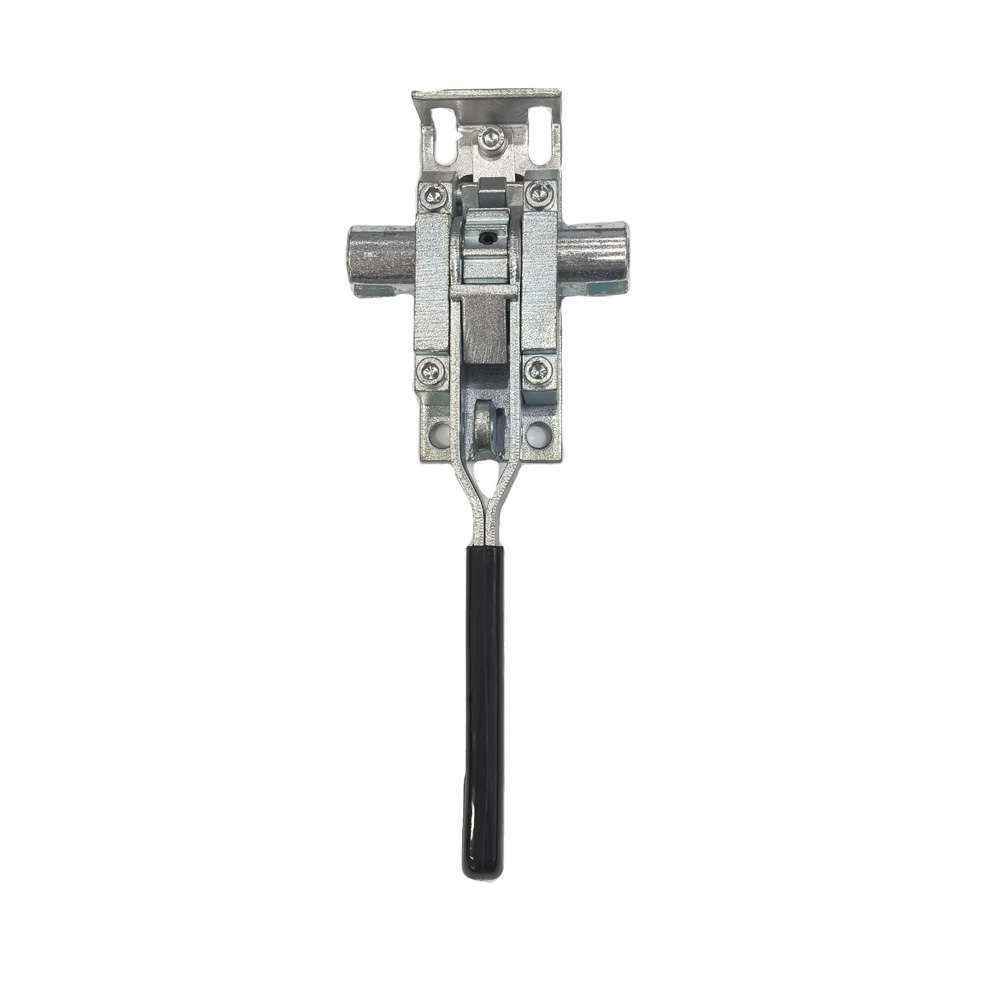
⑤Heavy-Duty Draw Latches
-
Construction: Comprises a forged steel latch and a high-strength catch, often with a zinc or chrome plating.
-
Mechanism: A pulling action on the lever tightens the latch, creating a powerful clamping force that pulls the door tightly shut against the seal.
-
Best For: Securing container doors, large storage chests, and panels that need to be held firmly closed against gaskets to be weatherproof.
⑥ Plastic Quick-Release Latches
-
Construction: Made from high-impact nylon or composite materials that are resistant to corrosion and weathering.
-
Mechanism: A simple push-to-close, pull-to-open action makes these latches incredibly easy to operate. They provide a secure hold for light to medium-duty applications.
-
Best For: Interior compartments, RV access panels, and non-critical storage where lightweight, corrosion resistance, and fast access are key.
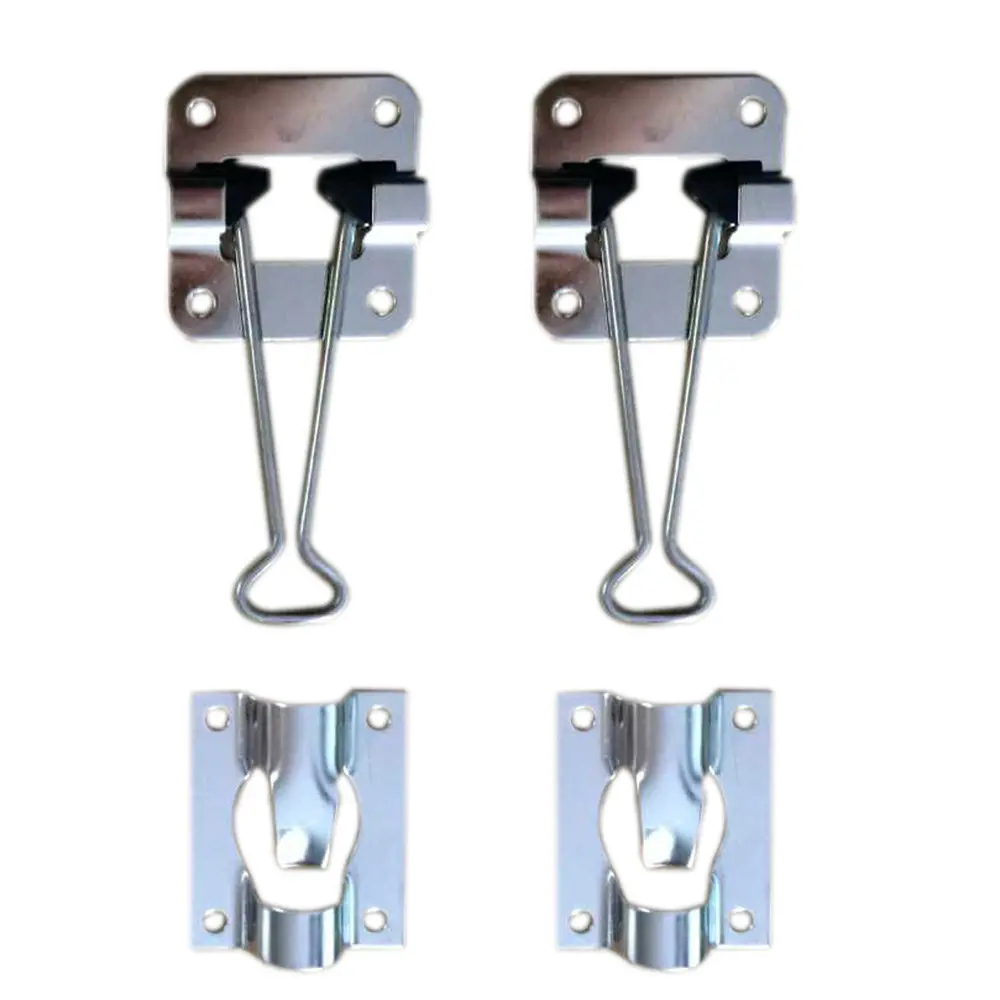
⑦Specialized Door Retainer Kits
-
Construction: These kits often include multiple components, such as the retainer catch and mounting hardware, made from durable materials like weather-resistant nylon.
-
Mechanism: Designed for easy installation and a secure hold, often keeping doors open during loading/unloading.
-
Best For: Caravans, campervans, and motorhomes, providing a practical solution for recreational vehicle owners to prevent doors from swinging.
3. 5 Critical Selection Factors
① Door Weight and Dynamics
-
Light Doors (75-150 lbs): Magnetic holders provide optimal balance
-
Medium Doors (150-300 lbs): Spring or hydraulic systems for control
-
Heavy Doors (300-500+ lbs): Mechanical retainers mandatory
-
Special Consideration: Weight distribution affects holder placement
② Environmental Challenges
-
Coastal Operations: 316L stainless steel construction
-
Chemical Exposure: Powder-coated or composite materials
-
Temperature Extremes: Hydraulic (-40°F to 200°F range)
-
Road Debris: Enclosed mechanisms preferred
③ Operational Frequency
-
High-Cycle (100+ daily): Magnetic or wheel-type systems
-
Medium-Cycle (25-100 daily): Spring or hydraulic options
-
Low-Cycle (<25 daily): Manual pin or basic retainer systems
④ Safety and Compliance
-
OSHA Requirements: Positive locking for elevated docks
-
Insurance Standards: Documented load ratings essential
-
Industry Specific: Food grade (FDA compliant) available
⑤ Total Cost Analysis
-
Initial Investment: Hardware and installation
-
Maintenance Costs: Parts replacement and labor
-
Downtime Impact: Production loss during repairs
-
Damage Prevention: Calculated risk reduction
4. Industry-Specific Solutions
Logistics and Distribution
-
Primary Choice: Magnetic holders with quick release
-
Backup System: Secondary mechanical safety
-
ROI Calculation: 14-month payback through efficiency gains
Construction and Heavy Haul
-
Primary Choice: Mechanical retainers with reinforced mounts
-
Critical Feature: Debris-resistant engagement
-
Case Study: 67% reduction in hinge replacement costs
Refrigerated Transport
-
Primary Choice: Cold-rated hydraulic systems
-
Temperature Range: -40°F to 165°F operational
-
Seal Material: Buna-N for low temperature flexibility
Military and Government
-
Primary Choice: Pneumatic with manual override
-
Certification: MIL-SPEC corrosion protection
-
Documentation: Lot traceability and testing records
5. Installation and Maintenance Protocols
Pre-Installation Verification
-
Door weight confirmation (scale measurement)
-
Frame integrity assessment (ultrasonic testing)
-
Swing arc clearance verification
-
Mounting surface preparation
Common Installation Errors
-
Insufficient Mounting: 80% of failures relate to mounting
-
Misalignment: Causes binding and premature wear
-
Missing Sealants: Water intrusion leads to corrosion
-
Over-tightening: Distorts components and affects function
Predictive Maintenance Schedule
-
Daily: Visual inspection for obvious damage
-
Weekly: Function verification under load
-
Monthly: Lubrication and fastener torque check
-
Quarterly: Comprehensive performance testing
-
Annually: Professional inspection and certification
6. Cost-Benefit Analysis by Type
| Type | Initial Cost | Installation | 10-Year Maintenance | Damage Prevention Value |
|---|---|---|---|---|
| Mechanical | $180 | $120 | $200 | $4,800 |
| Magnetic | $240 | $80 | $300 | $3,200 |
| Hydraulic | $380 | $200 | $800 | $5,600 |
| Spring | $140 | $100 | $400 | $2,400 |
| Wheel-Type | $300 | $240 | $600 | $4,000 |
| Pneumatic | $520 | $320 | $1,000 | $6,800 |
| Manual Pin | $90 | $60 | $100 | $1,600 |
7. Advanced Selection Tool
Four-Factor Evaluation Matrix:
-
Door Weight → Capacity requirement
-
Environment → Material specification
-
Usage Frequency → Mechanism type
-
Safety Level → Redundancy needs
Quick Selection Guide:
-
Maximum Security: Mechanical retainers + secondary backup
-
Optimal Efficiency: Magnetic systems with position sensors
-
Budget Solution: Manual pins with inspection protocol
-
Harsh Environment: Pneumatic with environmental kits
8. Frequently Asked Questions
Q: What’s the typical lifespan of quality door holders?
A: 5-8 years for standard systems, 10-15 years for premium configurations with proper maintenance.
Q: Can existing doors be retrofitted with better holders?
A: Yes, but structural reinforcement may be needed for heavier-duty systems.
Q: How do I verify load ratings and certifications?
A: Request test certificates from manufacturers and third-party validation reports.
Q: What’s the lead time for custom solutions?
A: 4-6 weeks for engineered systems, 8-12 weeks for fully custom applications.
Conclusion: Strategic Selection Process
Choosing truck door holders requires systematic evaluation of your specific operational needs. The right selection significantly impacts safety, maintenance costs, and operational efficiency.
Contact us for more information and discounts on bulk orders
Related Products