Introduction: The Small Part That Carries a Massive Responsibility
In the world of heavy-duty trailers, the smallest components often bear the greatest burdens. While flashy features like advanced braking systems or aerodynamic designs get a lot of attention, the humble trailer butt hinge works silently in the background, ensuring the security and functionality of your trailer’s doors. A failure here isn’t just an inconvenience; it can lead to damaged cargo, operational downtime, and serious safety hazards.
If you’ve ever asked, “What is a butt hinge?” or struggled with “how to choose a trailer butt hinge,” you’ve come to the right place. This comprehensive guide will demystify this critical component. We’ll explore its fundamental anatomy, explain why choosing the right one is non-negotiable, and provide a clear, step-by-step framework for making the perfect selection for your specific needs. By the end, you’ll be equipped with the knowledge to make an informed decision that guarantees performance, safety, and value.
Part 1: What is a Butt Hinge? Understanding the Fundamentals
At its core, a butt hinge is a simple mechanical bearing device used to connect two solid objects—typically a door and its frame—allowing for a rotational or angular movement between them. The name “butt” comes from the carpentry term, where the two leaves of the hinge are mortised (recessed) into the “butting” surfaces of the door and the frame, allowing them to sit flush when closed.
1.1 Basic Anatomy of a Butt Hinge
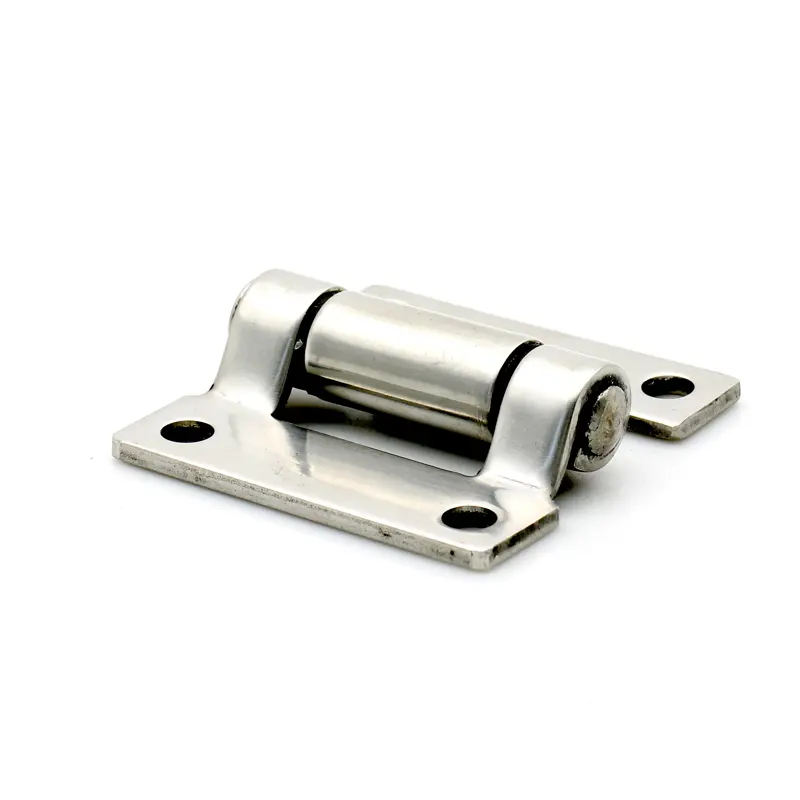
A standard butt hinge consists of three main parts:
-
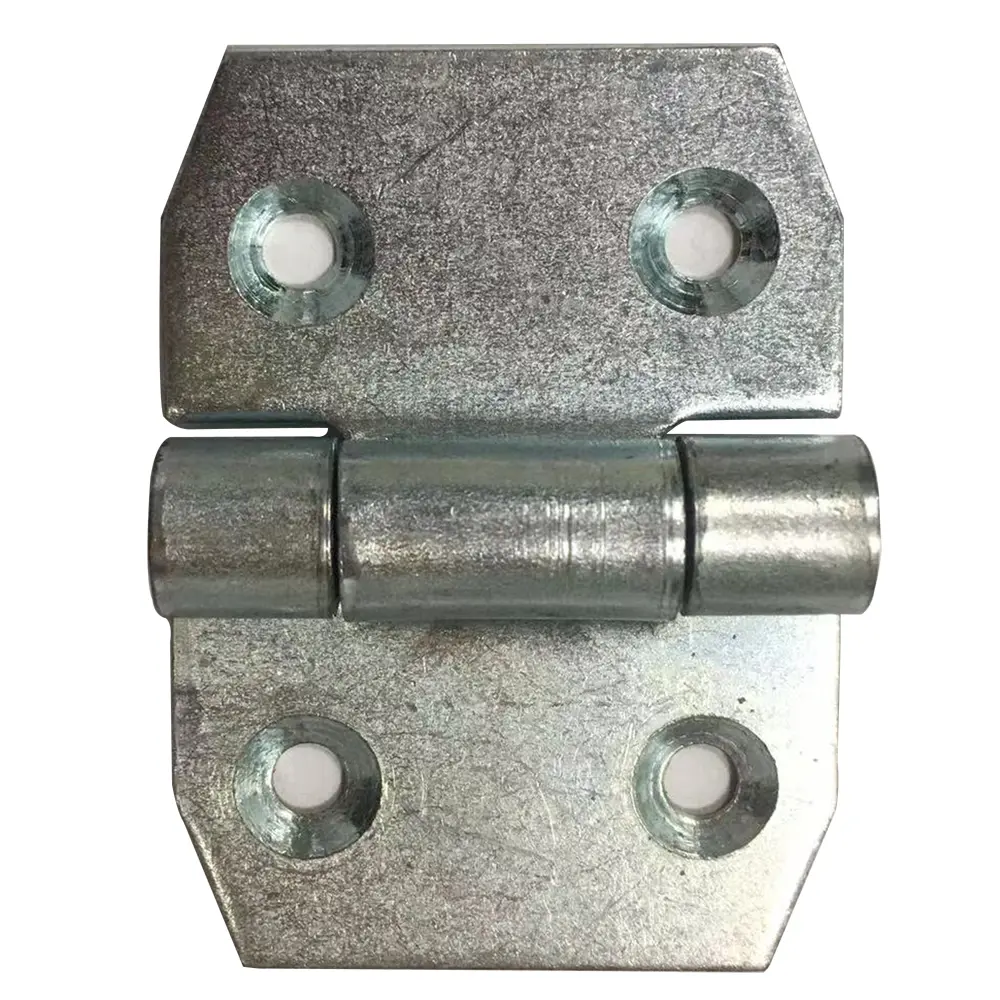
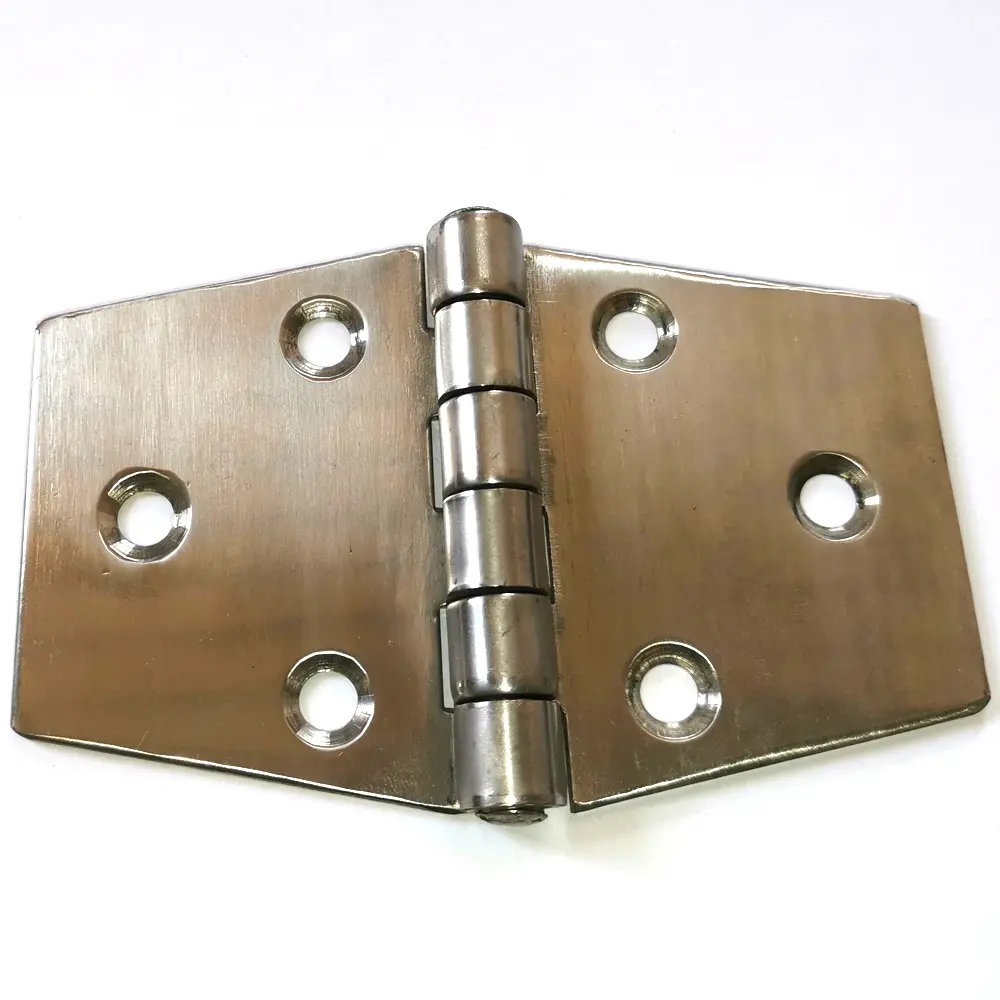
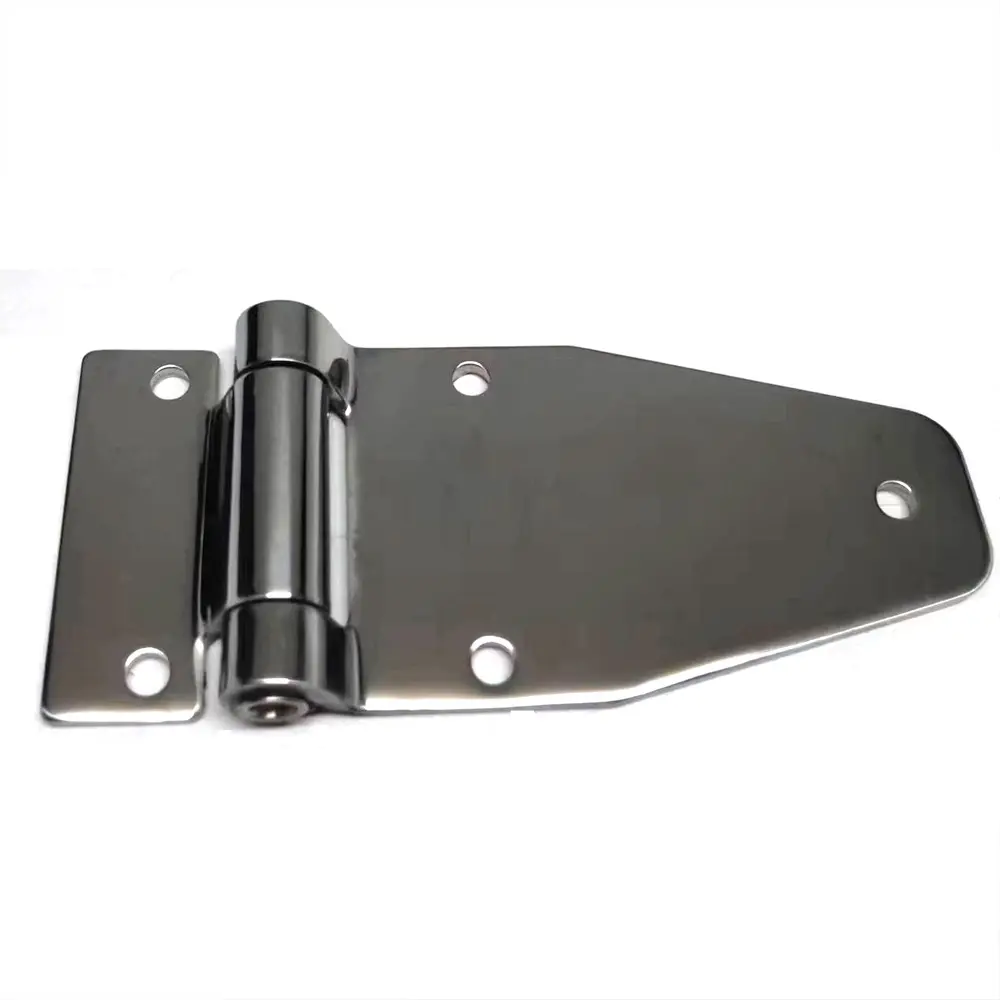
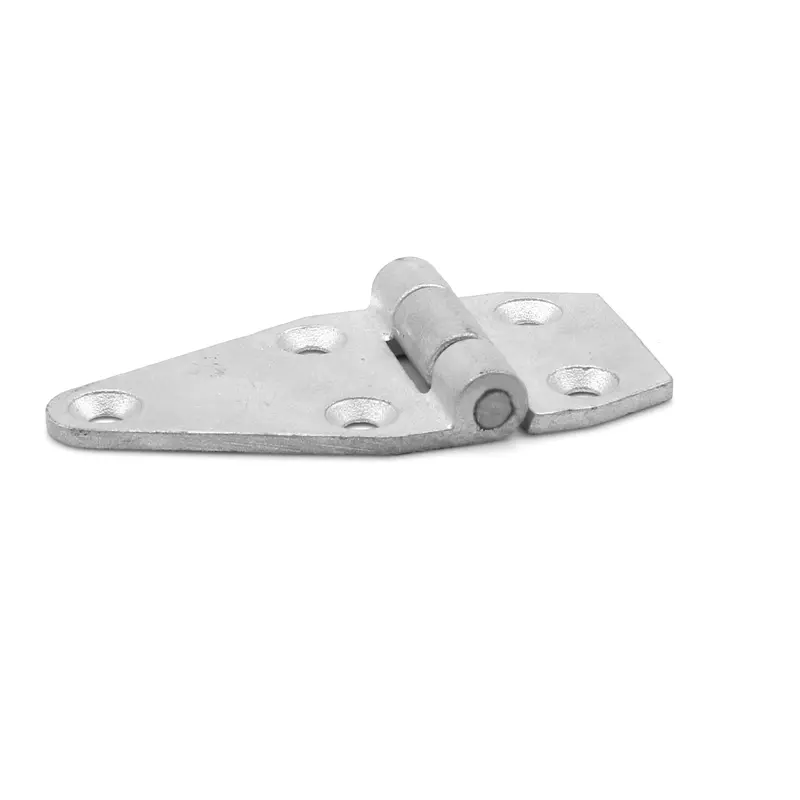
Leaves (or Plates): These are the flat, typically rectangular parts that are attached to the moving component (the trailer door) and the fixed component (the door jamb or frame).
-
Knuckle: This is the hollow, cylindrical tube formed when the leaves are assembled together. A pin is inserted through the center of this tube.
-
Pin: This is the central rod that runs through the knuckle, acting as the axle around which the leaves pivot. Pins can be fixed (permanent) or removable (allowing the door to be lifted off easily).
In the context of trailers, butt hinges are the workhorses responsible for the smooth opening and closing of cargo doors, side panels, and access hatches.
1.2 Why Butt Hinges are Critical for Trailer Safety and Performance
A trailer butt hinge is not just a facilitator of movement; it’s a critical load-bearing component. Its performance directly impacts:
-
Structural Integrity: It must withstand the constant stress of opening and closing, often under heavy wind loads or on uneven ground.
-
Cargo Security: A robust hinge is the first line of defense against door failure, which could lead to cargo loss or exposure to the elements.
-
Operational Longevity: A high-quality hinge resists wear, corrosion, and fatigue, reducing maintenance costs and preventing costly downtime.
-
Safety: A failed hinge can cause a door to detach unexpectedly, creating a dangerous situation for personnel and other road users.
Part 2: The Consequences of Choosing the Wrong Trailer Butt Hinge
Selecting a hinge based solely on price or without proper consideration of its specifications is a risky gamble. The fallout can be severe:
-
Premature Wear and Failure: An under-specified hinge will deform, crack, or break under load, requiring frequent and costly replacements.
-
Door Sag and Misalignment: This is one of the most common issues. A weak hinge cannot support the door’s weight over time, leading to misalignment, difficulty in latching, and gaps that allow moisture and dust to enter.
-
Increased Maintenance Costs: Constant repairs, re-welding, and replacements add up quickly, eating into your operational budget.
-
Catastrophic Cargo Damage: A complete hinge failure can cause a door to swing open or detach while the trailer is in motion, potentially destroying your cargo and creating a major road hazard.
Understanding these risks makes it clear that the question of “how to choose a trailer butt hinge” is not a minor detail—it’s a fundamental part of trailer maintenance and procurement.
Part 3: How to Choose a Trailer Butt Hinge: A 5-Step Decision Framework
Choosing the right hinge is a systematic process. Follow these five critical steps to ensure you get it right every time.
Step 1: Determine the Load Capacity and Weight of Your Door
This is the most important factor. The hinge must be rated to handle the static and dynamic weight of your door.
-
Static Weight: The sheer weight of the door itself.
-
Dynamic Load: The additional force exerted when the door is opened, closed, or swings during transit. For trailers, this dynamic load can be significant due to road vibrations and wind.
-
Safety Factor: Always choose a hinge with a load rating that exceeds your door’s calculated weight by a significant margin—a safety factor of 2x or 3x is recommended for heavy-duty applications. At Hangcheng Parts, our heavy-duty butt hinges are engineered with generous safety factors to handle the toughest conditions.
Step 2: Select the Right Material for Your Operating Environment
The material determines the hinge’s resistance to corrosion, its strength, and its overall lifespan.
-
Galvanized Steel: Offers excellent strength and good corrosion resistance. Ideal for general-purpose trailers that may encounter rain and road salt.
-
Stainless Steel (e.g., 304 or 316): The gold standard for corrosion resistance. Essential for trailers in the food industry, chemical transport, or those operating in coastal regions with salty air. It provides superior durability but at a higher cost.
-
Carbon Steel with Powder Coating: Provides a tough, durable finish in various colors. The level of corrosion protection depends on the quality of the coating. It’s a cost-effective option for less harsh environments.
-
Forged Steel: Used for the most heavy-duty applications, forged hinges offer superior grain structure and strength, making them less likely to bend or break under extreme stress.
Step 3: Get the Dimensions and Size Right
A hinge that is too small will fail; one that is too large can be unnecessarily heavy, costly, and difficult to install.
-
Length & Width: The size of the leaves must provide enough surface area for a secure attachment (welding or bolting) to both the door and the frame.
-
Gauge (Thickness): The thickness of the metal used in the leaves is a primary determinant of strength. Thicker gauges are used for heavier doors.
-
Pin Diameter: A thicker pin can handle higher shear forces, preventing it from bending or snapping.
Pro Tip: Always refer to the manufacturer’s specifications and sizing charts. For example, Hangcheng’s butt hinge product page provides detailed dimension drawings to ensure a perfect fit for your trailer model.
Step 4: Choose the Correct Installation Type
How the hinge is attached to the trailer is crucial for its strength and ease of replacement.
-
Weld-On Hinges: These are permanently welded to the door and frame, creating an incredibly strong, rigid connection. This is the most common and reliable method for heavy-duty trailers but requires welding expertise.
-
Bolt-On (or Stud-Mount) Hinges: These feature threaded studs that pass through pre-drilled holes and are secured with nuts on the other side. The advantage is easier installation and replacement without welding equipment. The strength relies on the integrity of the mounting points.
Step 5: Consider Special Features and Customization
Standard hinges work for most applications, but sometimes you need something more.
-
Lubrication Fittings (Grease Zerks): Allow for periodic greasing of the knuckle, which reduces wear, eliminates squeaking, and extends the hinge’s life—especially important in dusty or high-mileage environments.
-
Removable Pins: Allow for the easy removal of a door without unscrewing the hinge leaves, which is useful for certain maintenance or loading scenarios.
-
Custom Designs: For unique trailer designs or extreme load requirements, working with a manufacturer that offers custom trailer hinge solutions can be the best path forward.
Part 4: Common Types of Butt Hinges for Trailers
While the basic principle is the same, several types are commonly used in the trailer industry:
-
Heavy-Duty Weld-On Butt Hinge: The industry standard for cargo doors on semi-trailers and shipping containers.
-
Lift-Off Butt Hinge: Features a specially designed knuckle that allows the door to be lifted off the pin when open, useful in specific industrial applications.
-
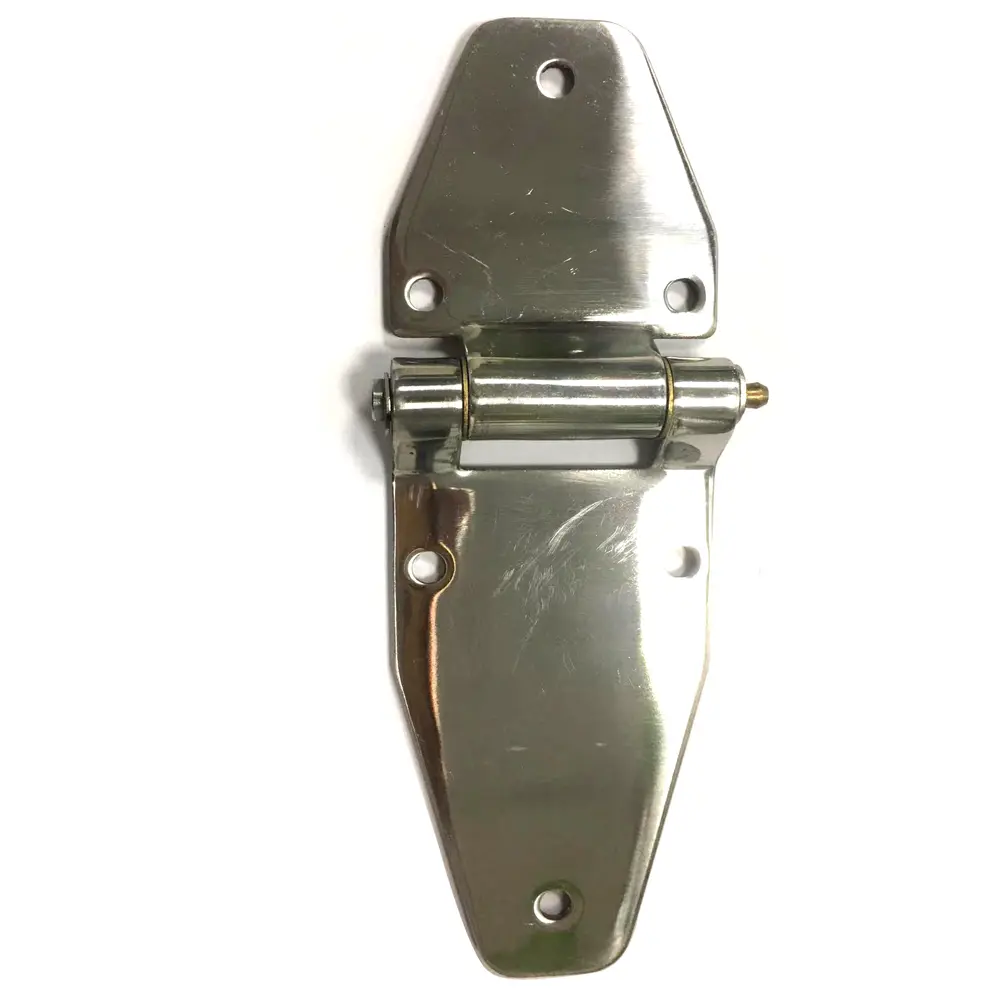
Strap Hinge: While not a true “butt” hinge, it’s often grouped with them. It has long, strap-like leaves and is used for very heavy doors or gates, often providing support across a wider area.
Conclusion: Invest in Quality for Long-Term Performance
The question of “what is a butt hinge” reveals a deceptively simple component that is, in reality, a cornerstone of trailer functionality and safety. The process of how to choose a trailer butt hinge is a critical exercise in risk management and operational efficiency. By carefully evaluating load capacity, material, size, installation type, and special features, you can select a hinge that will deliver reliable, safe, and cost-effective performance for years to come.
Don’t let a small component cause a major failure. Choosing a reputable supplier like Hangcheng Parts guarantees that you are getting a product engineered to the highest standards of durability and performance.
For orders of truck trailer butt hinges, please contact us. Bulk orders are eligible for discounts, and customization services are also available.
Related Products