Introduction
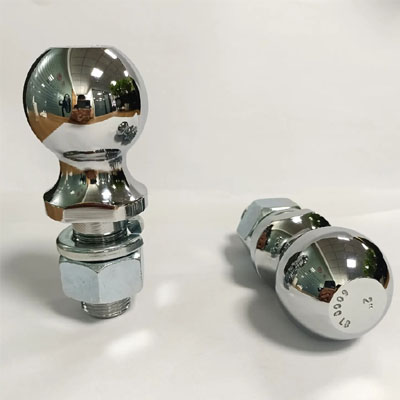
Installing a trailer hitch ball correctly is crucial for safe towing—whether you’re hauling a boat, utility trailer, or RV. A loose or improperly sized hitch ball can lead to dangerous trailer sway, accidents, or even detachment.
This guide covers:
✔ How to choose the right trailer hitch ball size
✔ Step-by-step installation instructions
✔ Safety checks to prevent towing failures
✔ Common mistakes to avoid
1. Choosing the Right Trailer Hitch Ball
Before installation, ensure you have the correct trailer hitch ball size and weight capacity.
Standard Trailer Hitch Ball Sizes
| Ball Diameter | Common Use Case | Max Weight Capacity |
|---|---|---|
| 1-7/8 inches | Small utility trailers, jet skis | 2,000 lbs |
| 2 inches | Medium trailers, landscaping equipment | 3,500 lbs |
| 2-5/16 inches | Large trailers, RVs, boats | 10,000+ lbs |
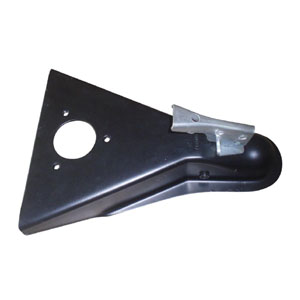
? Pro Tip: Match the ball size to your trailer coupler (check the coupler stamp).
2. Tools Needed for Installation
Gather these tools before starting:
-
Torque wrench (for proper bolt tightening)
-
Socket set (usually ¾” or 13/16″ for hitch ball nuts)
-
Threadlocker (prevents loosening)
-
Grease (for ball lubrication)
-
Wire brush (cleans rust from hitch)
3. Step-by-Step Trailer Hitch Ball Installation
Step 1: Remove the Old Hitch Ball (If Applicable)
-
Use a socket wrench to loosen the hitch ball nut (turn counterclockwise).
-
Remove the washer and shank from the hitch receiver.
-
Clean the mounting surface with a wire brush (remove rust/debris).
Step 2: Install the New Hitch Ball
-
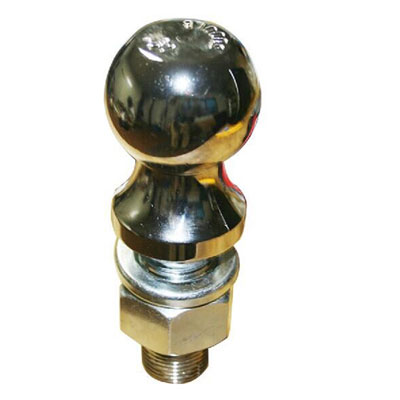
Insert the shank into the hitch receiver.
-
Add a washer (if included) and thread the nut by hand first.
-
Tighten the nut with a torque wrench:
-
1-7/8″ ball: 150-200 ft-lbs
-
2″ ball: 250-300 ft-lbs
-
2-5/16″ ball: 350-450 ft-lbs
-
-
Apply threadlocker to prevent vibration loosening.
Step 3: Grease the Hitch Ball
-
Apply trailer ball grease to reduce friction and wear.
-
Avoid lithium-based grease (attracts dirt).
4. Safety Checks Before Towing
✅ Check tightness (no wobbling when shaking the ball).
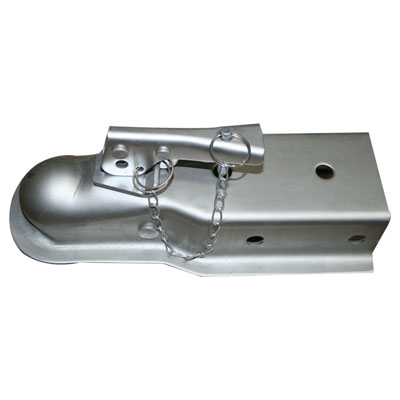
✅ Verify coupler fit (should latch securely without play).
✅ Test trailer lights (brakes, turn signals, hazards).
✅ Inspect after 50 miles (re-torque if needed).
⚠ Warning: Never exceed the hitch ball’s weight rating—check your trailer’s GVWR (Gross Vehicle Weight Rating).
5. Common Mistakes to Avoid
❌ Using the wrong ball size → Causes coupler slippage.
❌ Overtightening the nut → Can strip threads.
❌ Skipping grease → Leads to premature wear.
❌ Ignoring torque specs → Risk of ball detachment.
6. Frequently Asked Questions (FAQ)
Q: Can I use a 2-inch ball for a 2-5/16-inch coupler?
A: No! Always match the ball size to the coupler—mismatches are unsafe.
Q: How often should I replace my hitch ball?
A: Replace if you see pitting, rust, or wear marks (typically every 3-5 years).
Q: Do I need a drop hitch for my trailer?
A: Only if the trailer sits unevenly—measure trailer coupler height when level.
Conclusion: Tow with Confidence
A properly installed trailer hitch ball ensures safe, stable towing. Remember:
✔ Match ball size to coupler
✔ Torque to manufacturer specs
✔ Grease and inspect regularly
Need a Heavy-Duty Hitch Ball?
? Shop our buy our durable and affordable trailer hitch balls! Save on bulk orders!
Related Products