Introduction: The Critical Role of Your Container Door Assembly
The security of your intermodal container hinges on one system: the door and its locking mechanism. A improperly assembled or faulty container door lock isn’t just an inconvenience; it’s a direct threat to your cargo, leading to potential theft, damage, and massive financial loss. For truckers, warehouse managers, and logistics operators, knowing how to assemble container door components and cam locks is a fundamental skill that ensures operational integrity.
Whether you’re performing routine maintenance or installing a brand-new Cam Bar Door Lock Kit, this comprehensive guide is designed for you. We will walk you through the entire process, from identifying every component to the final safety check, ensuring your truck door lock system is robust, reliable, and secure. By understanding this process, you not only protect your goods but also extend the lifespan of your container doors, saving time and money on costly repairs.
Part 1: Understanding the Key Components
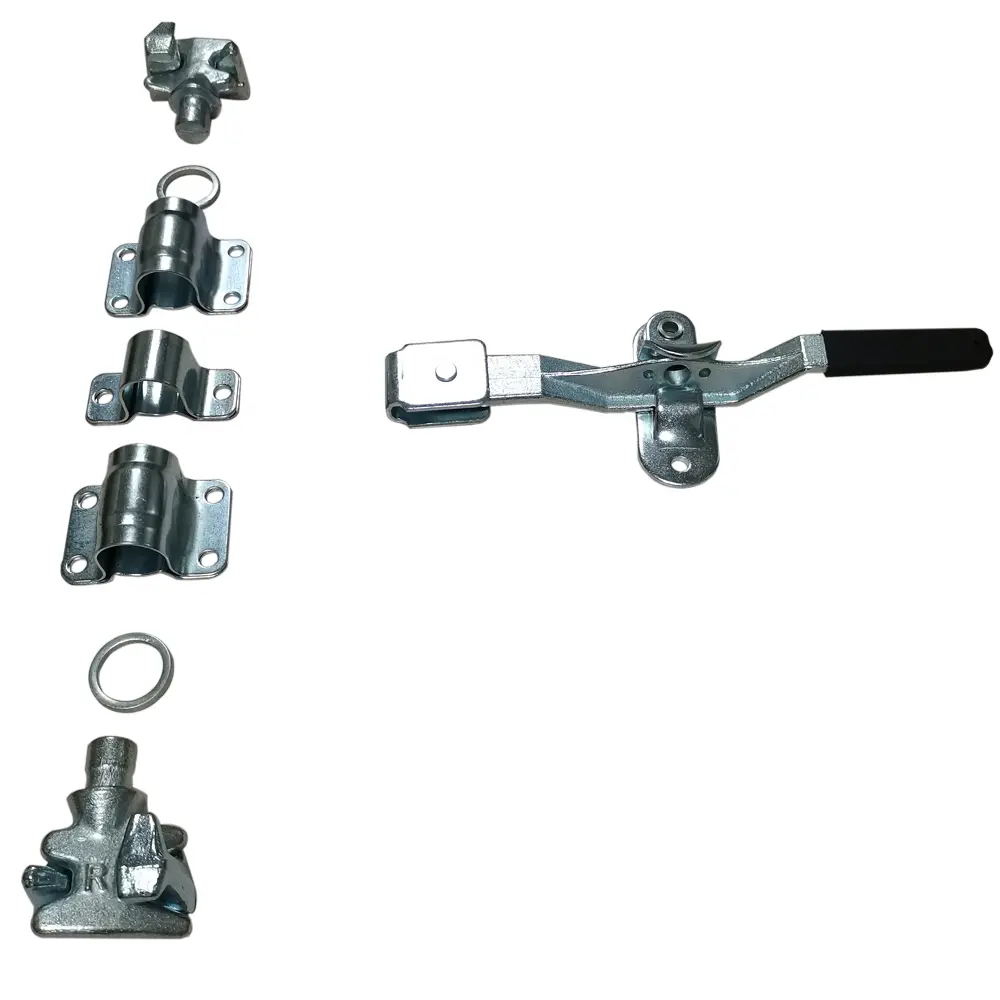
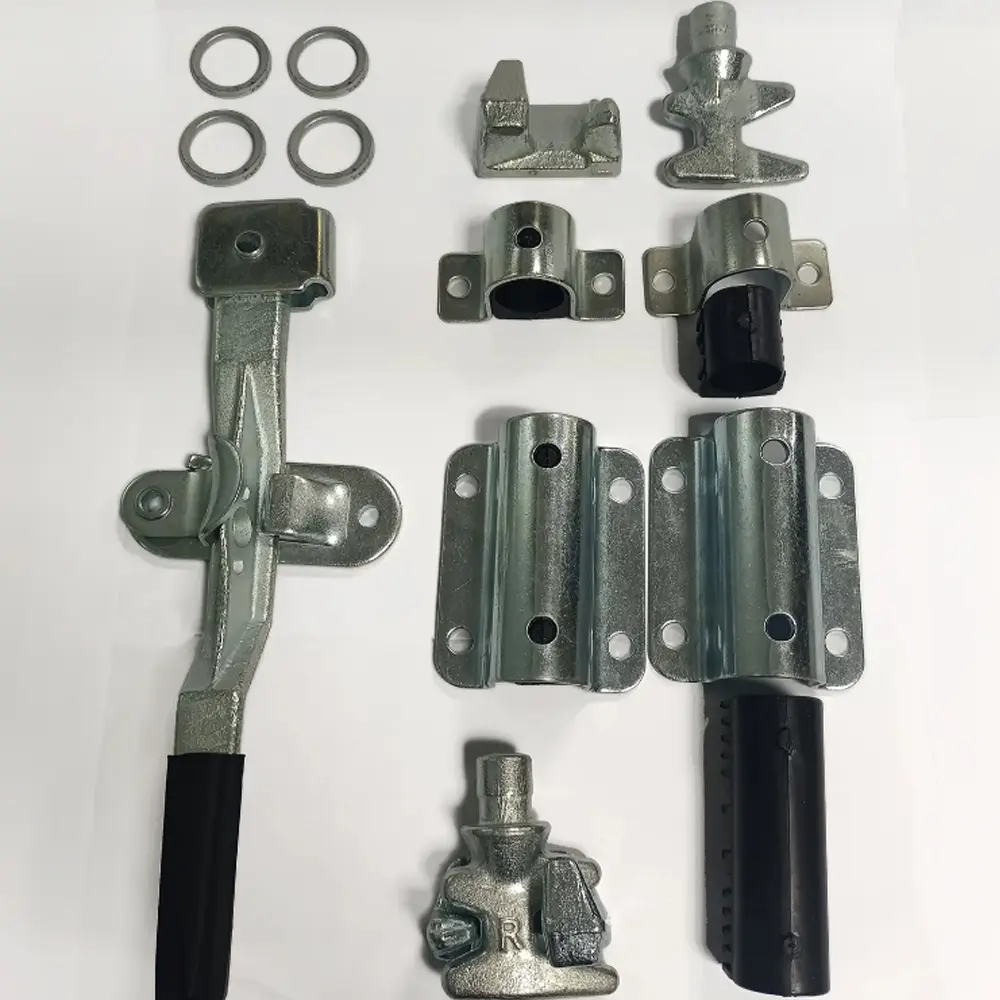
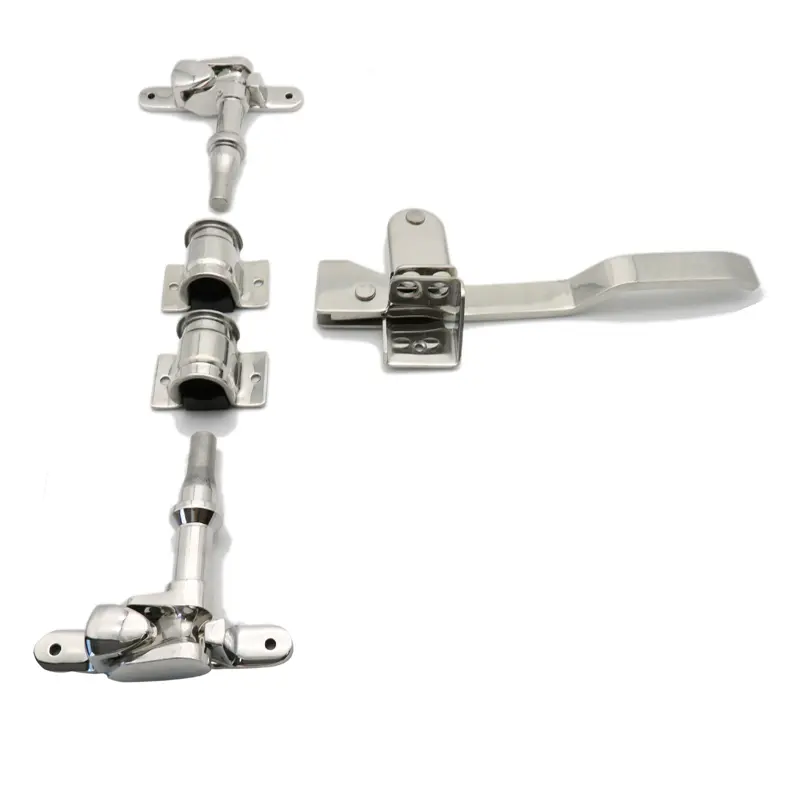
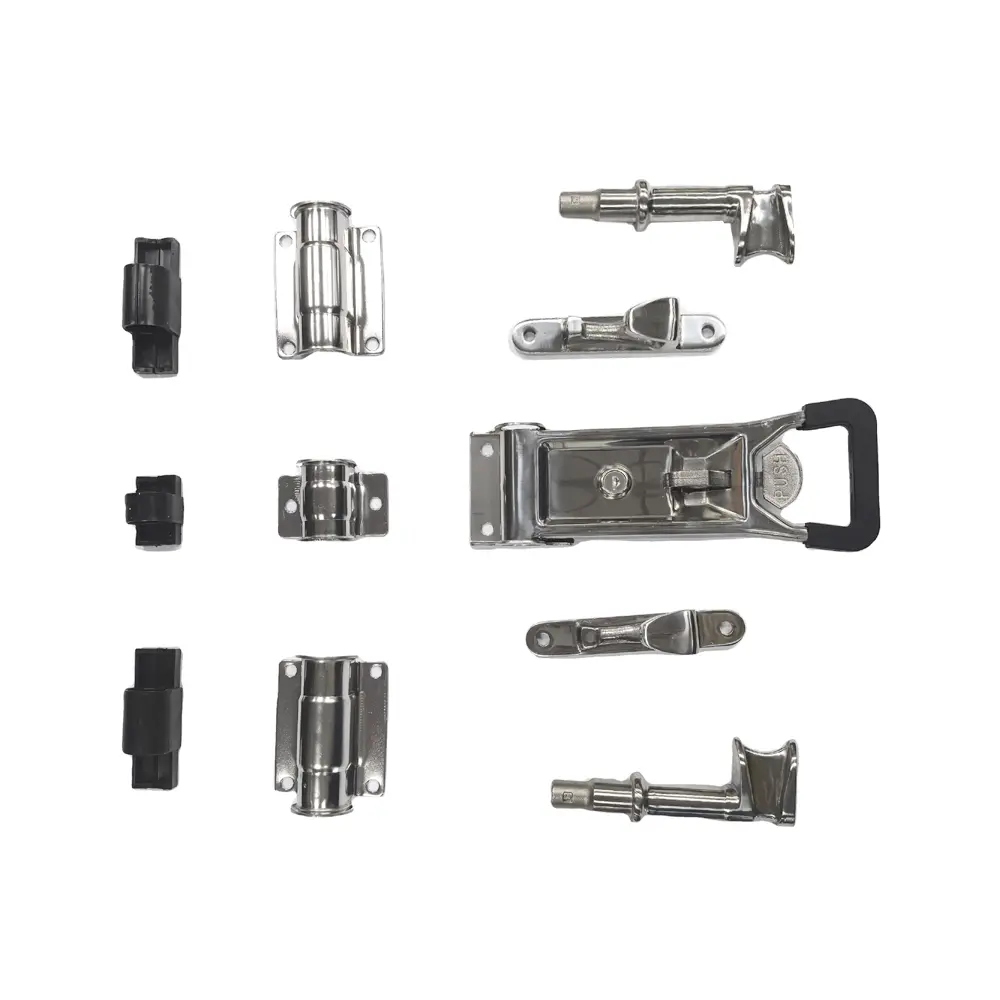
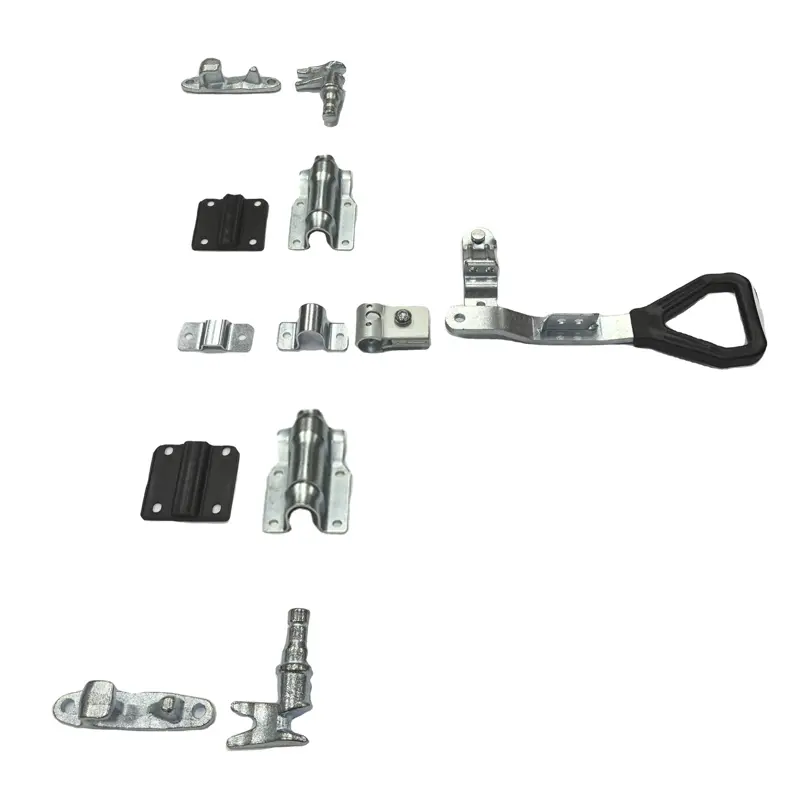
Before you pick up a single tool, it’s crucial to understand the parts you’ll be working with. A standard container door locking system consists of several interlinked components.
-
Door Panel: The primary barrier itself, typically made of corrugated steel.
-
Locking Handle (or Operating Handle): The large lever used to open and close the door. It drives the entire locking mechanism.
-
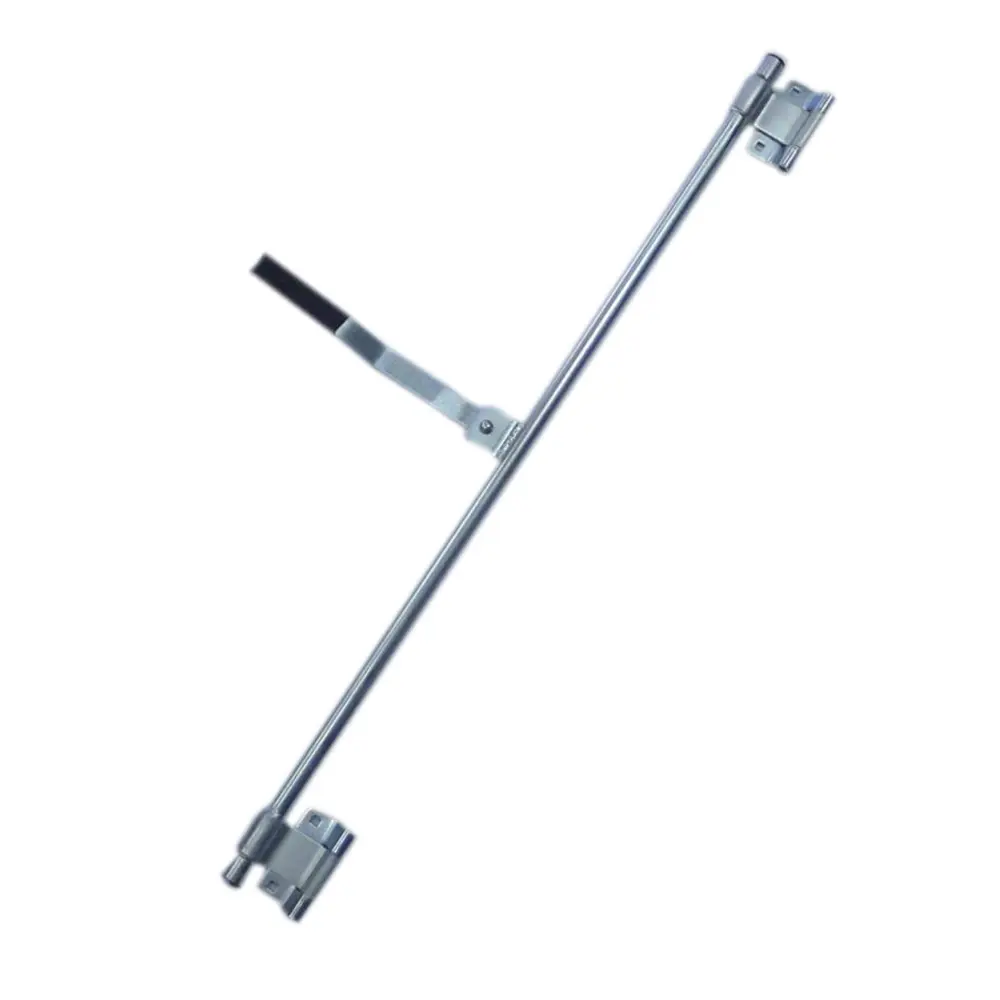
Cam Bar Door Lock Kit (The Heart of the System): This is the vertical assembly that runs the height of the door. It includes:
-
Cam Bar: A long, steel bar with multiple cams (rotating levers or discs) attached to it.
-
Cams: These are the components that physically rotate behind the door frame to lock the door securely. A typical setup has 4-6 cams per door.
-
Locking Rods: The connectors that link the handle to the cam bar.
-
-
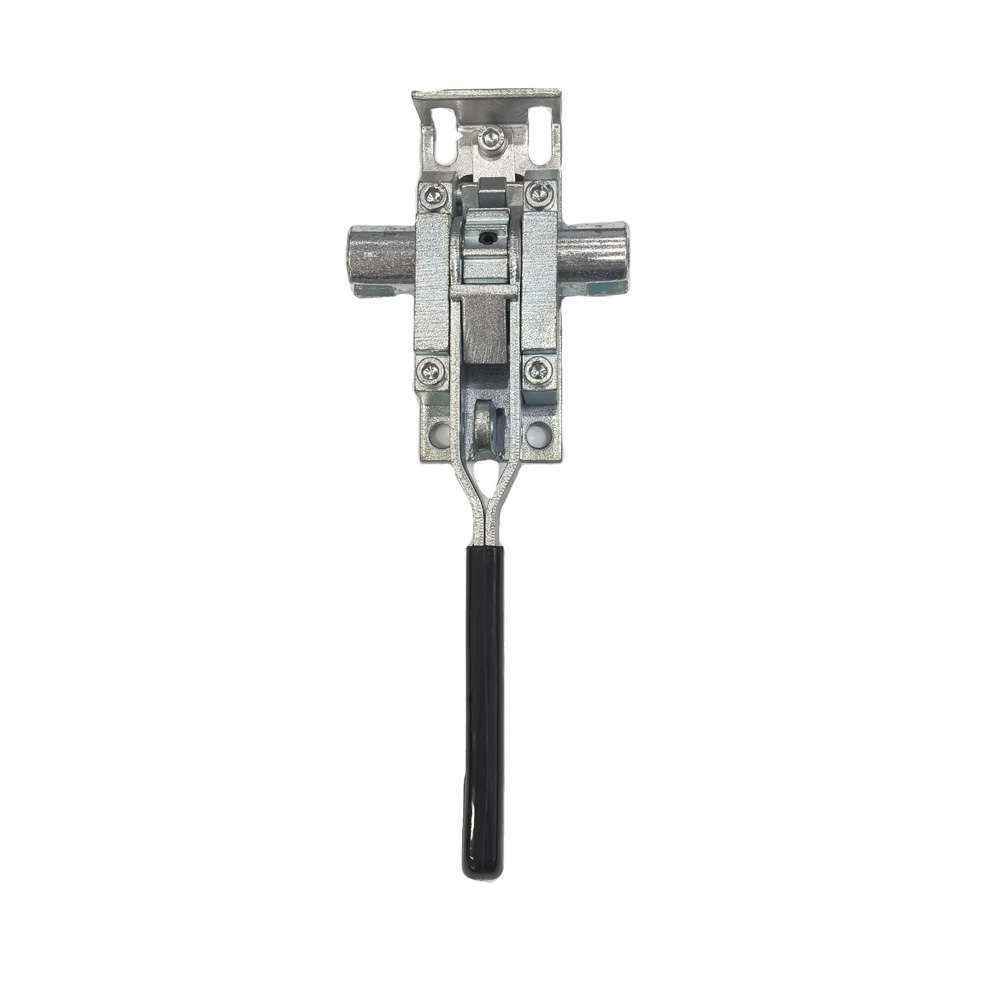
Door Lock Box (or Handle Housing): The metal box that encloses the locking handle when it’s in the locked position. It’s a critical security feature.
-
Truck Door Lock / Seal Lock: This refers to the point where the handle is secured, often with a heavy-duty padlock or a custom seal that provides tamper evidence. This is the final step in the securing process.
-
Gaskets and Seals: Rubber seals that create a water-tight and air-tight barrier when the door is properly closed and locked.
Understanding how these parts work together is the first step to a successful assembly.
Part 2: Tools and Safety Precautions You’ll Need
Tools:
-
Heavy-Duty Wrenches and Sockets (typically ¾” or 19mm is common)
-
Screwdrivers (Flat-head and Phillips)
-
Rubber Mallet
-
Pliers
-
Lubricating Grease or Penetrating Oil
-
Safety Glasses and Heavy-Duty Work Gloves
Safety First!
-
Secure the Door: Always ensure the door is stable and won’t swing shut during assembly. Use a door prop or have a colleague assist.
-
Mind the Weight: Components like cam bars are heavy. Use proper lifting techniques to avoid injury.
-
Wear PPE: Gloves protect your hands from sharp metal edges, and safety glasses prevent grease or metal fragments from injuring your eyes.
Part 3: Step-by-Step Assembly Guide for Container Door Components & Cam Locks
Follow these steps meticulously to ensure a perfect installation.
Step 1: Prepare the Door and Components
Lay out all parts of your Cam Bar Door Lock Kit and inspect them for any damage or manufacturing defects. Check the door itself for any obstructions in the channels where the cam bar will sit. Apply a small amount of grease to the moving parts of the cams and the ends of the locking rods to ensure smooth operation.
Step 2: Position the Cam Bar
Carefully insert the cam bar into its vertical channel on the inside of the door. The cams should be facing the direction where they will engage with the door frame’s locking points. Gently tap it into place with a rubber mallet if necessary, but avoid using excessive force which could bend the bar.
Step 3: Install the Locking Handle and Rods
-
Position the locking handle onto its mounting point. It should move freely.
-
Connect the locking rods from the handle to the cam bar. These are typically connected via clevis pins or bolted connections.
-
Tighten all bolts and nuts securely, but do not over-torque them, as this can strip the threads. The goal is a firm connection that allows the mechanism to transfer force smoothly.
Step 4: Attach the Door Lock Box
The door lock box is what you will ultimately lock with your padlock. Position it over the end of the locking handle when the handle is in the fully locked (downward) position. Secure it firmly to the door with its provided bolts. This box is essential for preventing unauthorized access, as it covers the handle’s latch point.
Step 5: The Final Adjustment and Operational Check
This is the most critical step for a functional container door lock.
-
Close the Door: Ensure the door is fully closed.
-
Engage the Handle: Push the locking handle all the way down.
-
Check Cam Engagement: This is best done with a partner. Have one person look inside the container while the other operates the handle. As the handle is pushed down, you should see each cam on the cam bar rotate and securely lock behind the corresponding locking point on the door frame.
-
Adjust if Necessary: If a cam is not engaging properly, you may need to slightly adjust the length of the connecting locking rods. Most rods have threaded ends for fine-tuning. A properly adjusted door will require some firm pressure to close the handle fully, and all cams will be securely engaged.
Part 4: Common Problems and Troubleshooting Tips
Even with a correct assembly, issues can arise. Here’s how to diagnose them:
-
Problem: Handle is Too Hard to Close.
-
Cause: The cams are over-rotating or the rods are adjusted too long. Lack of lubrication.
-
Solution: Shorten the locking rods slightly. Apply grease to all moving parts.
-
-
Problem: Door Doesn’t Seal Properly.
-
Cause: The cams are not engaging fully, leaving the door slightly ajar.
-
Solution: Lengthen the locking rods slightly to ensure the cams fully rotate and pull the door tight against the gasket.
-
-
Problem: Handle is Loose or Floppy When Locked.
-
Cause: The rods are too short, or the cams are worn out.
-
Solution: Adjust the rods for a tighter fit. If the cams are worn, replace the entire Cam Bar Door Lock Kit.
-
-
Problem: The Truck Door Lock (Padlock) Doesn’t Align.
-
Cause: The door lock box or handle has been misaligned during installation.
-
Solution: Loosen the bolts on the lock box, align it perfectly with the handle’s latch, and re-tighten.
-
Part 5: Why the Quality of Your Parts Matters Most
You can have the perfect assembly technique, but if the components themselves are subpar, your cargo is still at risk. Investing in high-quality parts from a reputable manufacturer like Hangcheng Parts is non-negotiable for several reasons:
-
Material Strength: Our Cam Bar Door Lock Kits are made from high-tensile steel, resistant to bending and forced entry attempts.
-
Precision Manufacturing: Precisely machined cams and rods ensure smooth operation and perfect engagement every time, eliminating the guesswork from adjustments.
-
Corrosion Resistance: Our parts are often treated with anti-rust coatings, essential for withstanding harsh marine and road environments.
-
Durability: A high-quality truck door lock system withstands the constant vibration and shock of over-the-road travel without failing.
Conclusion: Security is in the Details
Properly assembling your container door lock system is a task that demands attention to detail, the right tools, and high-quality components. By following this guide, you transform from a simple user into a knowledgeable operator, capable of ensuring the absolute security of your container.
A well-maintained locking system protects your assets, reduces liability, and provides peace of mind. Don’t let a faulty assembly be the weakest link in your supply chain.
Contact us for more information; bulk orders can enjoy discounts.
Related Products