Introduction: The Small Component That Makes a Big Difference
When a side curtain jams halfway open on a loading dock, every minute of delay costs money. The culprit is often a single failed roller—the small but essential component that dictates whether your curtainsider operates smoothly or becomes a daily frustration.
Side curtain rollers enable the efficient opening and closing of curtain-sided trailers, allowing quick access to cargo while maintaining secure load containment during transit. Yet these components are frequently overlooked until they fail. As one industry expert notes, defective rollers that cannot roll properly in their guide rails cost time, money, and peace of mind.
This comprehensive guide covers everything you need to know about selecting the right side curtain roller—from understanding the options available to matching them to your specific trailer and application.
What Is a Side Curtain Roller?
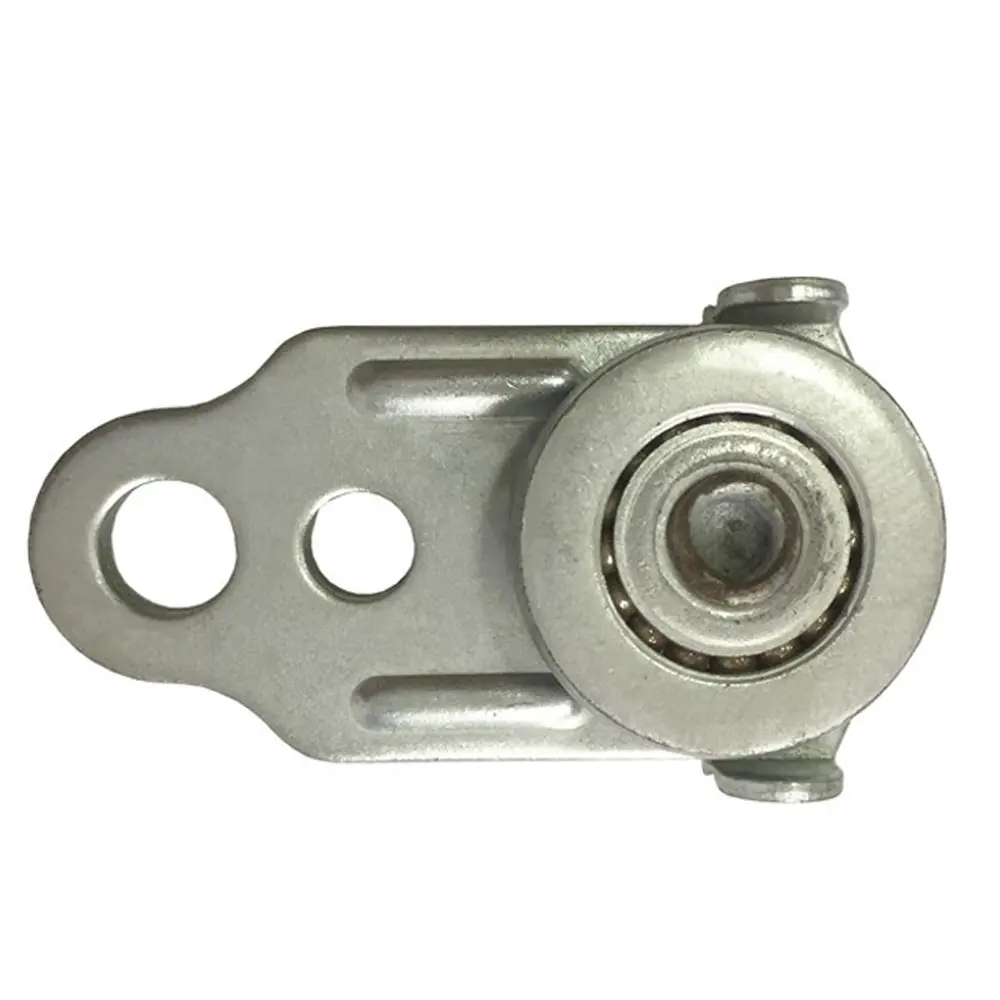
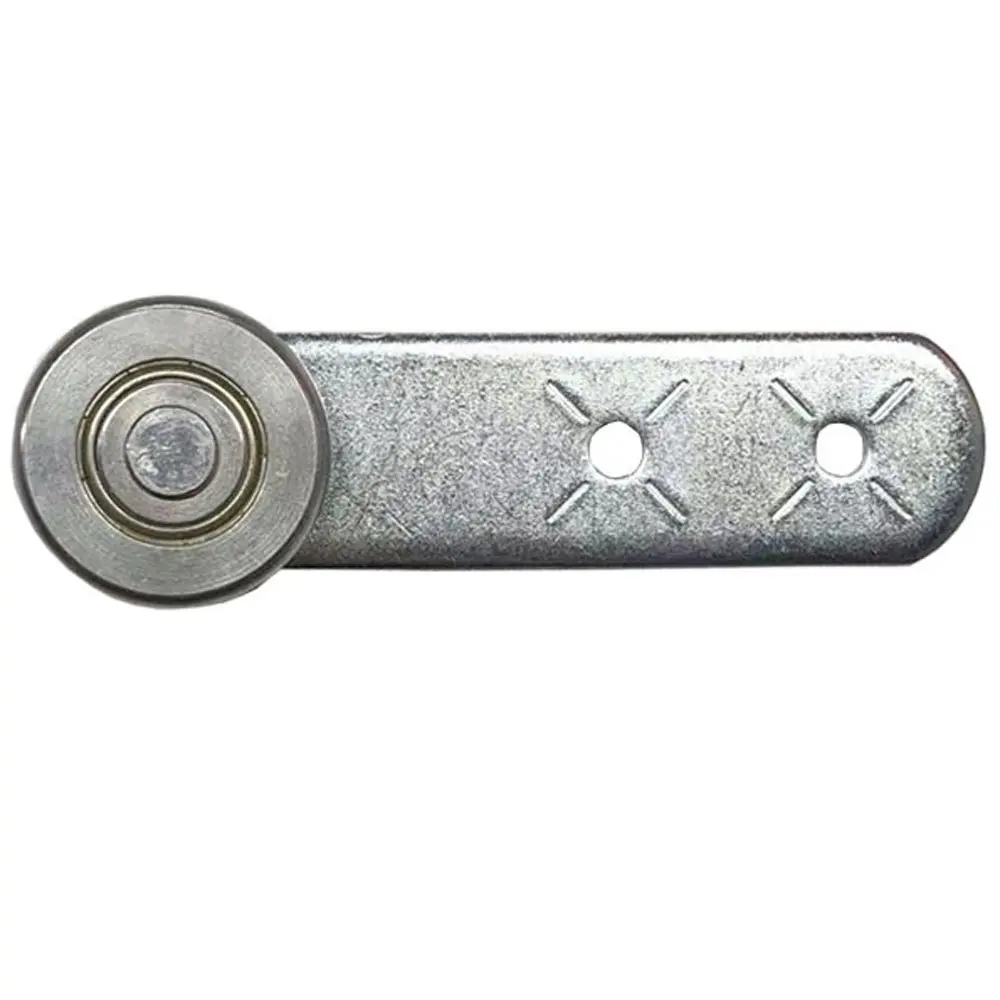
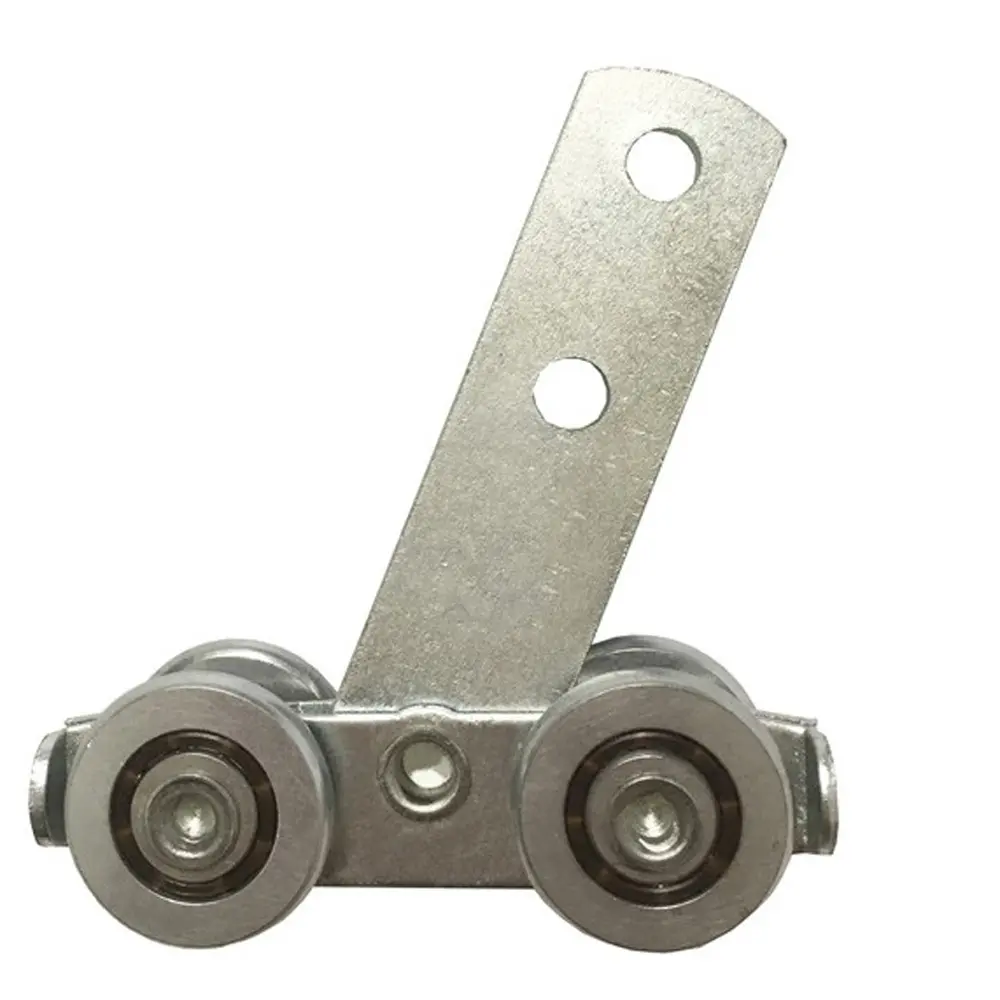
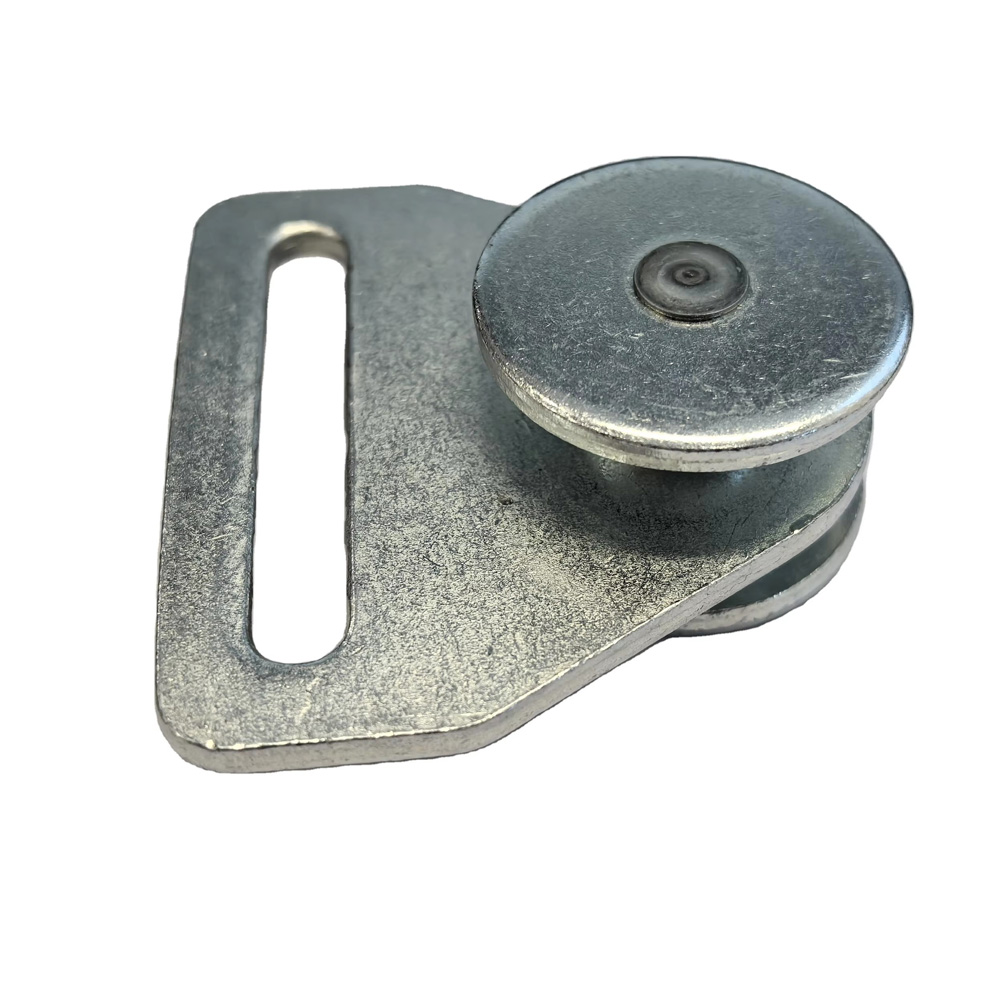
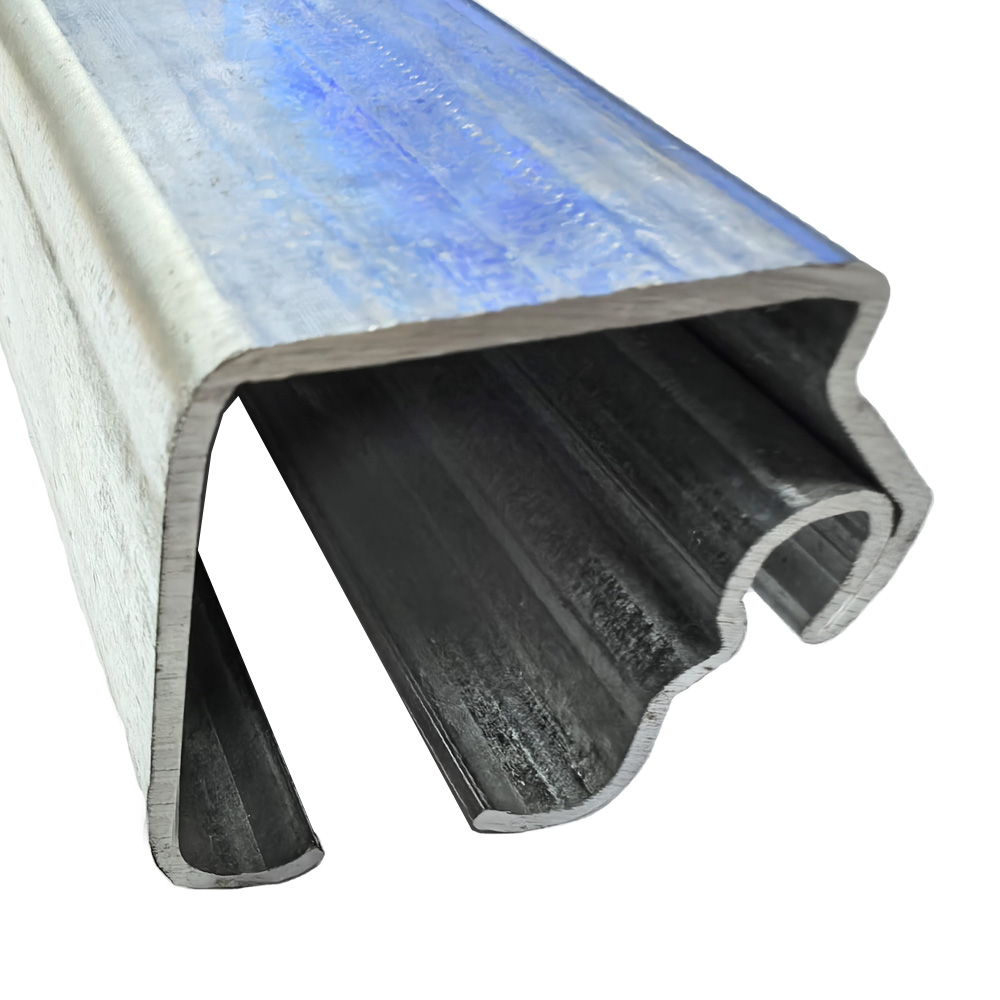
A side curtain roller is a wheeled component that attaches to the side curtain of a tautliner or curtainsider trailer. It runs inside an aluminum or steel guide rail, allowing the curtain to slide open and closed smoothly. The roller bears the weight of the curtain, reduces friction, and ensures the curtain tracks correctly along the rail.
Today’s side curtain roller is significantly more sophisticated than the simple wheels of the past. The evolution from all-steel rollers to modern designs combining steel and plastic components has dramatically improved durability and ease of operation. Many now feature specialized bearings, advanced materials, and design innovations that extend service life and reduce maintenance requirements.
Key Factors to Consider When Choosing a Side Curtain Roller
1. Roller Material
The material of the roller wheel directly impacts durability, noise level, and maintenance frequency.
Steel Rollers – Heavy-duty steel wheels offer superior strength and are built to withstand demanding haulage environments. They are ideal for frequent use and heavy curtain loads. However, steel can be noisier and may damage aluminum tracks if not properly maintained.
Nylon/Polymer Rollers – High-quality nylon rollers reduce noise and wear on the track. They are lighter and often incorporate sealed ball bearings for long-term smooth operation. Products like the Edscha TS SPR4 design use plastic-sheathed rollers that are characterized by durability and smooth gliding.
Combination Designs – Some modern rollers feature steel cores with polymer wheels, combining strength with smooth, quiet operation.
Comparison Table:
| Material | Strength | Noise Level | Track Wear | Maintenance | Best For |
|---|---|---|---|---|---|
| Steel | Excellent | Higher | Moderate | Regular | Heavy-duty, frequent use |
| Nylon/Polymer | Good | Low | Low | Minimal | General use, noise-sensitive |
| Combination | Very Good | Low | Low | Moderate | Mixed applications |
2. Roller Diameter and Dimensions
Rollers come in various sizes, and matching the correct dimensions to your trailer’s track profile is critical.
Common sizes include:
-
28mm diameter – Used in some lighter-duty applications
-
30mm diameter – Standard size for many European trailers, including Schmitz Cargobull
-
31mm diameter – Often featuring a stepped wheel design for improved rail alignment
-
34mm diameter – A common size for many standard curtainsiders
-
37mm diameter – Used in heavy-duty and larger track systems
Key measurement: The wheel diameter determines whether the roller will run smoothly in your specific track. Using an incorrectly sized roller can cause jamming or derailment.
Width is equally important: The roller width must match the internal width of your track. Common widths include 24mm and 29mm.
3. Wheel Profile Design
The shape of the side curtain roller wheel significantly affects how it interacts with the track.
Flat wheels – Provide stable tracking within the curtain rail, helping to reduce misalignment. They are the simplest design and work well in clean, well-maintained tracks.
Stepped wheels – Designed for improved alignment and stable tracking. The step helps center the roller in the track, reducing side-to-side movement.
Grooved wheels – Some designs incorporate grooves to prevent the roller from falling off the track. The groove engages with a matching ridge in the track profile for positive location.
Tapered wheels – Used in some systems to compensate for track curvature and ensure smooth operation around corners.
4. Bearing Type
The bearing determines how freely the roller spins and how long it lasts.
Open bearings – Allow for low-friction rotation but may require more maintenance. They are more susceptible to dirt and moisture ingress.
Sealed bearings – Protect against dirt and moisture, offering longer service life in demanding environments. Sealed bearings are pre-lubricated and require minimal maintenance.
Ball bearings vs. sleeve bearings – Ball bearings offer lower friction and longer life but are more expensive. Sleeve bearings are simpler and cheaper but wear faster under heavy use.
5. Number of Wheels per Carriage
Single roller – Standard design for most applications. Simple, cost-effective, and sufficient for light to medium curtains.
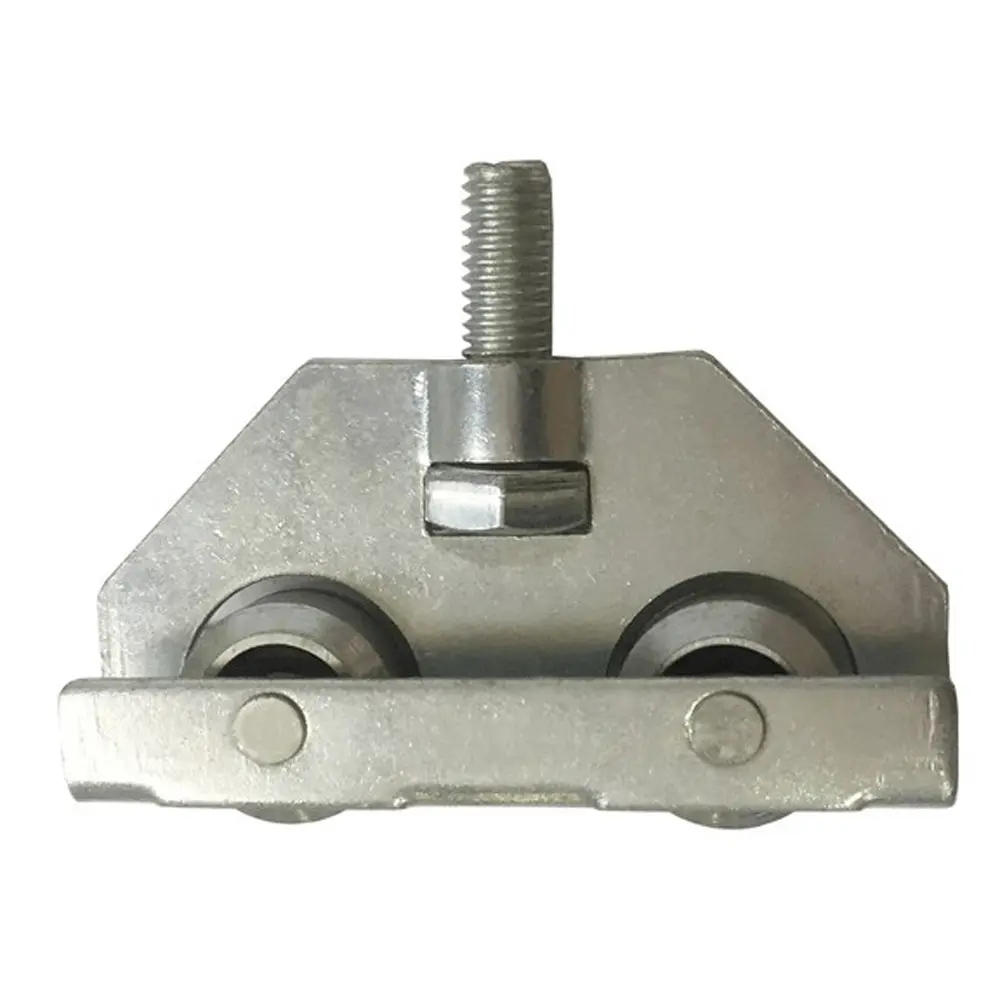
Double roller – Better weight distribution and smoother operation for heavy curtains. Two rollers share the load, reducing wear on each.
Four-wheel designs – Advanced models that reduce wear and provide more stable operation. Used in premium systems and heavy-duty applications.
6. Attachment Method
How the roller attaches to the curtain affects both installation ease and maintenance.
Traditional approach – In the past, rollers were riveted and sewn to the side rail. Replacing them required considerable time and effort.
Modern standard – Today, bolt-on rollers are the norm. They allow quick replacement without specialized skills or tools. Repair kits are available to convert old riveted designs to bolt-on configurations.
Choice of fasteners: Some rollers use screws, while others use rivets or specialized clips.
7. Additional Features
Anti-derailment design – Some rollers feature side guides or flanges that prevent the roller from coming off the track.
Self-cleaning action – Certain designs incorporate features that help clear debris from the track as the side curtain roller moves.
Retrofit capability – Many modern rollers are designed to retrofit older systems, allowing upgrades without replacing the entire curtain.
Tensioning capability – Some roller systems allow tension adjustment to compensate for curtain stretch over time.
Application-Specific Considerations
Heavy-Duty Commercial Transport – Steel or reinforced rollers with sealed bearings are recommended for frequent use and heavy curtain loads. Double roller designs provide better load distribution.
Tautliner Trailers – These frequently opened side curtains require high-quality rollers that can withstand repeated cycles. The latest designs—such as rollers with additional side-mounted rollers—enable rolling instead of sliding on the aluminum belt, making operation more efficient.
Schmitz Cargobull Trailers – These often require specific 30mm rollers with high-impact nylon wheels and sealed ball bearings. Using the correct size is critical for proper fit.
European-Style Curtainsiders – Often use rollers with specific dimensions and groove profiles to prevent derailment. The stepped wheel design is common in European systems.
Refrigerated Trailers – Cold storage environments require rollers that maintain their properties at low temperatures. Polymer materials must have good low-temperature impact resistance.
Off-Road Applications – Rolling resistance on uneven ground can be higher. Rollers with sealed bearings and robust construction are recommended.
Installation and Maintenance Best Practices
Track Cleanliness is Critical – Dirty tracks filled with dust, grit, or ice will damage even the best rollers. Clean the track thoroughly before installing new rollers. Use a stiff brush or compressed air to remove debris.
Use Proper Lubrication – Regular maintenance of side curtain roller bearings prevents the “grinding paste” effect that causes seizing. A silicone-based lubricant is recommended for long-lasting performance. Avoid oil-based lubricants that attract dirt.
Inspect Regularly – Roller bearing seizures can cause disruptions and costly replacements. Routine inspection helps identify problems early. Check for:
-
Unusual noise during operation
-
Visible wear on the wheel
-
Loose or damaged fasteners
-
Cracks in polymer wheels
Replace in Sets – If one roller has failed, others are likely worn too. Replacing a full set ensures even tension and smooth operation.
Track Alignment – Ensure the track is straight and properly aligned. Misaligned tracks cause uneven roller wear and increase the risk of derailment.
Seasonal Considerations – In winter, check for ice buildup in tracks. In summer, ensure polymer rollers are not exposed to excessive UV radiation.
Common Mistakes to Avoid
Mismatched Sizes – Using a side curtain roller with the wrong diameter or width for your track is the most common mistake. Always measure your track carefully before ordering.
Ignoring Track Condition – Installing new rollers in a damaged or dirty track is a waste of money. The new rollers will fail quickly in a poor track.
Mixing Materials – Steel rollers in aluminum tracks can cause galling and accelerated wear. Use compatible material combinations.
Overlooking Bearings – Replacing just the wheel without checking the bearing often leads to repeat failures.
Incorrect Installation – Improperly fastened rollers can come loose, causing damage to the curtain and track.
The HangCheng Advantage
At HangCheng, we understand that side curtain rollers are the unsung heroes of efficient trailer operation. Our side curtain roller range includes:
Steel and nylon options to match your durability and noise requirements
Multiple sizes including 28mm, 30mm, 31mm, 34mm, and 37mm diameters
Bolt-on designs for easy installation and maintenance
Various wheel profiles including flat, stepped, and grooved designs
Sealed bearing options for demanding environments
Need a specific size or configuration? Our full-cycle design-to-manufacturing capability means we can deliver exactly what your fleet requires—with consistent quality, shorter lead times, and competitive pricing. We offer OEM, OEM-equivalent, and aftermarket options, allowing you to find the perfect fit for your trailers and vehicles.
Contact us for more information; bulk orders enjoy discounts.
Related Products