When securing cargo in trailers, the choice between E Track systems and lashing rings (D-ring) isn’t just about preference—it’s about safety, efficiency, and cost-effectiveness. Picking the wrong system can lead to load shifts, damaged goods, DOT violations, and thousands in penalties.
So, which one truly meets your needs?
This comprehensive guide breaks down:
✔ Key structural and functional differences
✔ Strength and compliance comparisons (DOT, ISO)
✔ Real-world applications (flatbeds, vans, logistics)
✔ Cost analysis (installation, maintenance, ROI)
✔ How to choose based on your cargo type
What Are E Track and Lashing Rings?
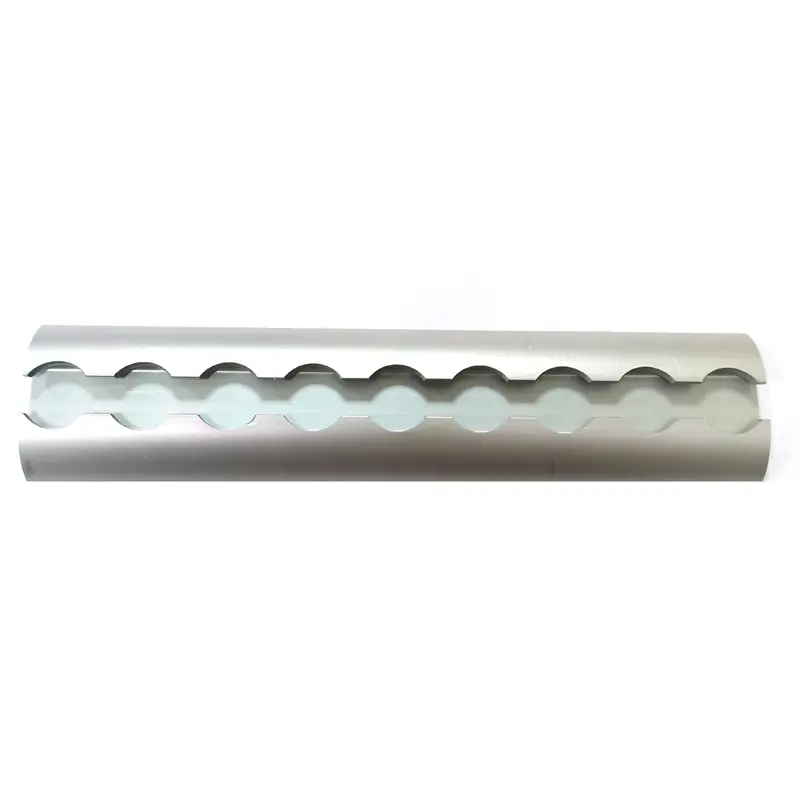
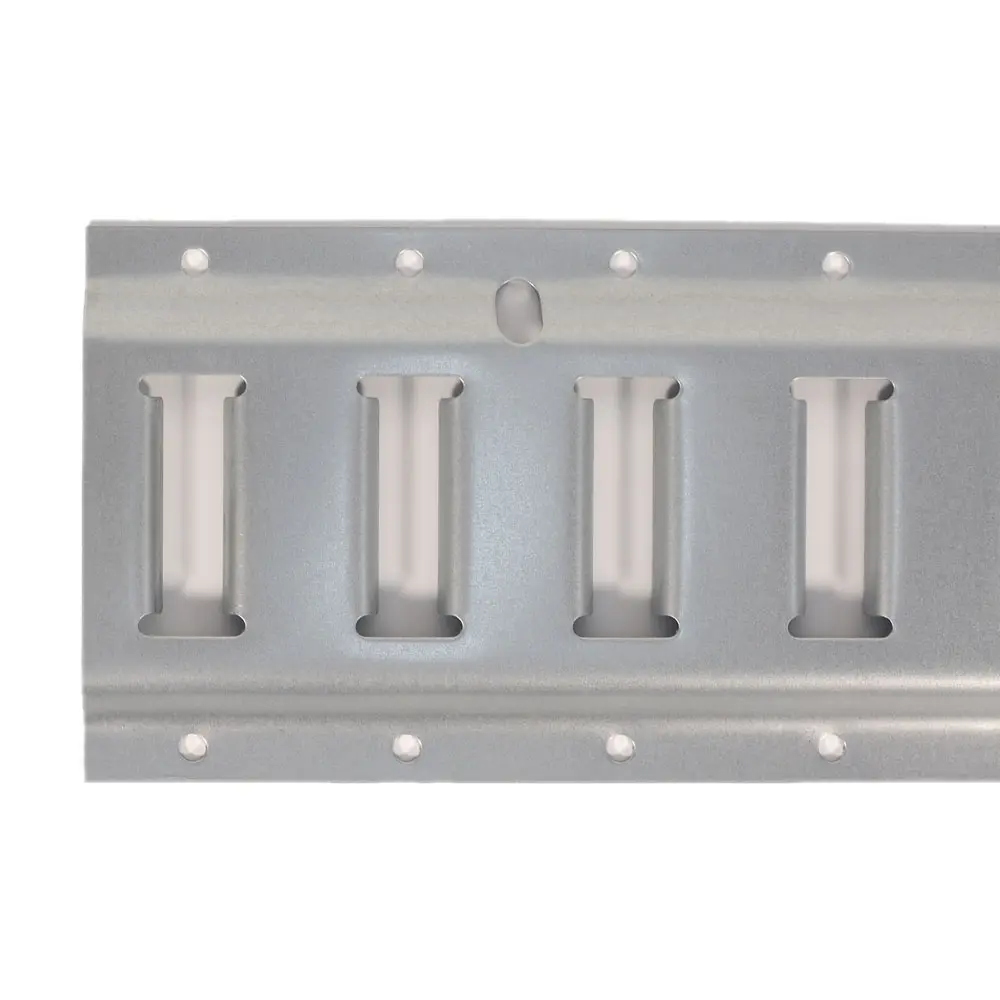
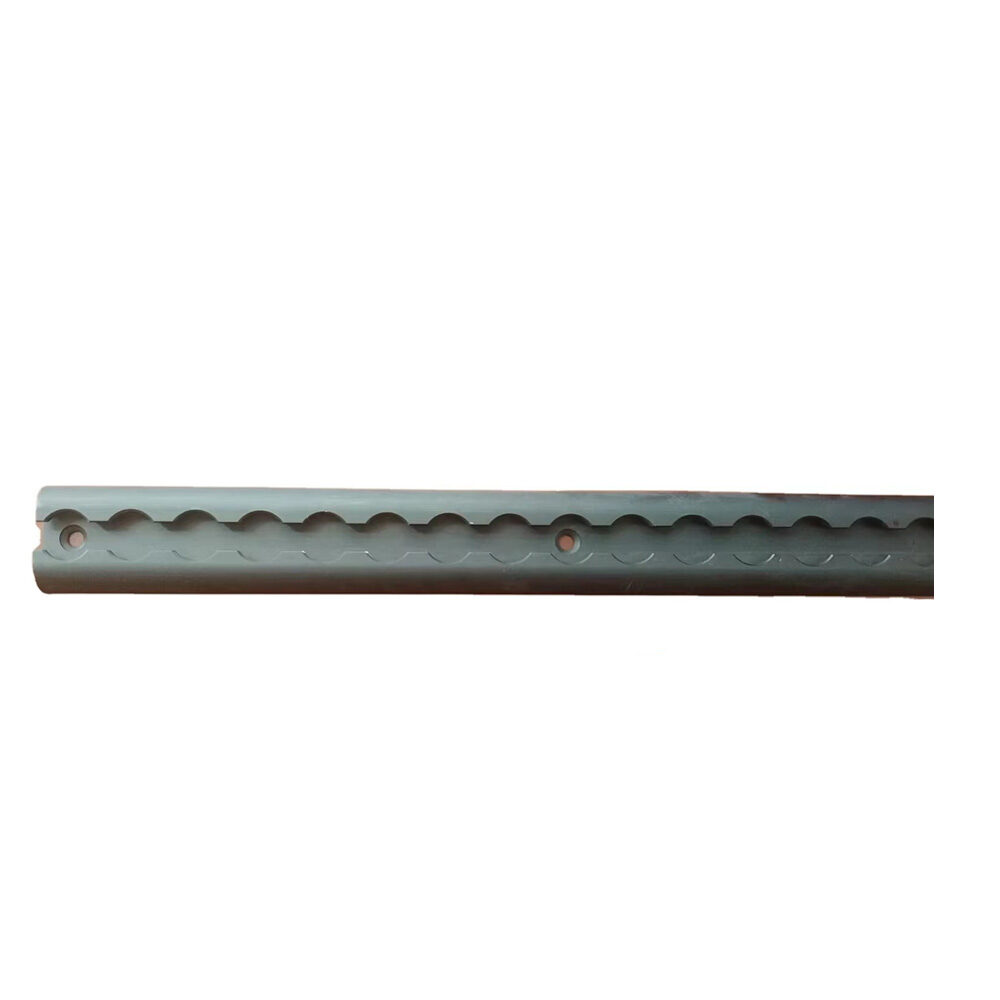
E-Track: A slotted rail system (horizontal/vertical) allowing adjustable anchor points for straps, chains, or hooks. Ideal for dynamic loads requiring frequent repositioning.
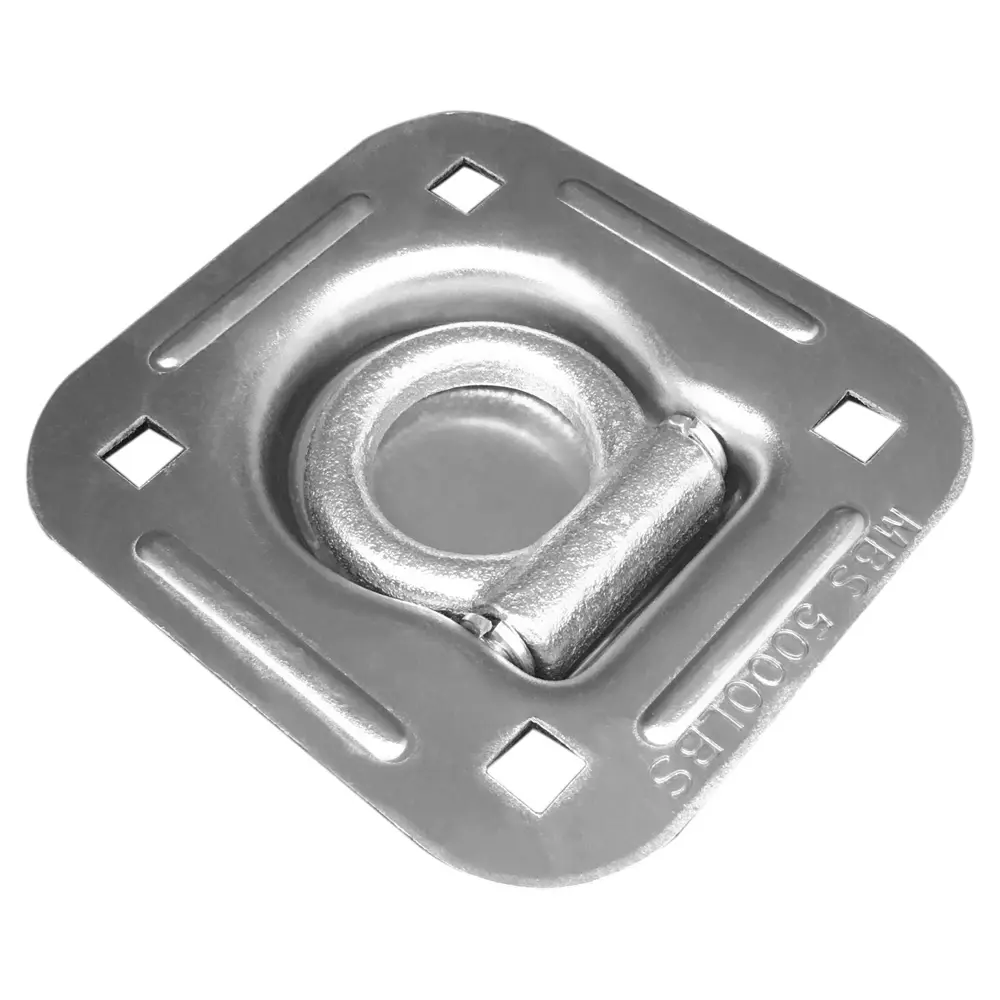
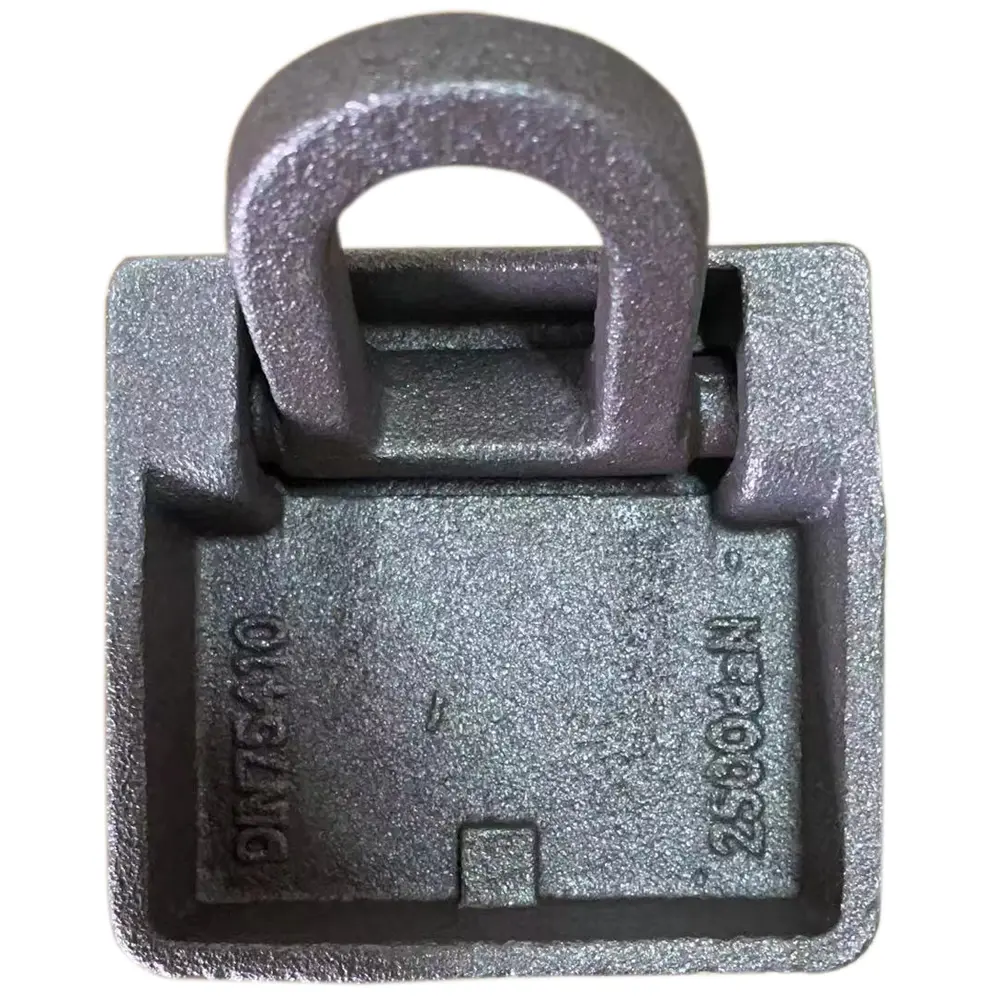
Lashing Rings (D-Rings): Fixed, welded steel rings mounted to trailer floors/walls. Designed for heavy-duty, static loads with minimal movement.
Key Differences: E-Track vs. Lashing Rings
| Feature | E-Track | Lashing Rings |
|---|---|---|
| Adjustability | ✅ 360-degree sliding points | ❌ Fixed positions |
| Installation | Bolt-on channels | Welded/fixed mounts |
| Load Capacity | 5,000–10,000 lbs/point | 10,000–15,000 lbs/ring |
| Best For | Mixed cargo, frequent changes | Heavy machinery, static loads |
| DOT Compliance | ✅ When used within limits | ✅ Requires weld inspections |
When to Choose E Track
-
Multi-stop deliveries (e.g., logistics, moving companies)
-
Light-to-medium cargo (boxes, appliances, furniture)
-
Walls/floors/ceilings needing flexible anchor points
Advantages:
-
Adjustability: Reposition straps without reinstallation.
-
Versatility: Compatible with straps, chains, and winches.
-
Time-saving: Reduces load-securement time by 50% compared to fixed rings.
When to Choose Lashing Rings
-
Flatbeds or low-bed trailers
-
Extreme heavy loads (construction equipment, steel coils)
-
Minimal strap adjustment needed
Advantages:
-
Strength: Higher load capacity per anchor point.
-
Durability: No moving parts—resists corrosion and wear.
-
Cost-effectiveness: Lower upfront cost for simple applications.
Hybrid Solutions: Maximizing Flexibility and Strength
Many fleets combine both systems:
-
E-Track on walls for adjustable strap points.
-
Lashing Rings on floors for permanent heavy-duty anchoring.
Case Study: A logistics company reduced cargo shift incidents by 70% after installing E-Track on van walls and reinforcing floors with lashing rings for palletized goods.
Installation Requirements and Considerations
E-Track Installation involves precise measurement and drilling of mounting holes, followed by bolting with high-grade hardware (typically Grade 8 bolts). Proper installation requires:
-
Reinforcement plates for thin-walled trailers
-
Strategic placement to avoid structural weaknesses
-
Compliance with manufacturer spacing recommendations (usually 12-24 inches between mounting points)
-
Professional installation recommended for complex applications
Lashing Ring Installation demands welding expertise and knowledge of trailer metallurgy. Critical factors include:
-
Weld quality certification to ensure integrity
-
Placement that distributes stress appropriately
-
Avoidance of heat-affected zones that might compromise trailer integrity
-
Post-installation inspection and testing
Cost Comparison Table
| Aspect | E-Track | Lashing Rings |
|---|---|---|
| Material Cost (per foot/unit) | $20-$50 | $15-$40 |
| Installation Cost | $$ (Professional recommended) | $$$ (Certified welder required) |
| Maintenance Cost | $ (Visual inspection) | $$ (Weld inspection annually) |
| Lifetime Value | 7-10 years | 10-15 years |
Maintenance and Inspection Protocols
E-Track Maintenance
-
Monthly visual inspection for cracks or deformation
-
Quarterly torque check on all mounting hardware
-
Immediate replacement of damaged sections
-
Lubrication of moving parts with dry lubricant
Lashing Ring Maintenance
-
Visual inspection before each use
-
Professional weld inspection annually
-
Load testing every 24 months
-
Replacement after any overload event
FAQs: Addressing Common Concerns
Q: Can E-Track handle heavy equipment transportation?
A: While E-Track has substantial capacity, equipment over 10,000 pounds should use lashing rings with appropriate chain assemblies for optimal safety.
Q: Are there weather considerations for these systems?
A: Both systems perform well in various conditions, but E-Track’s adjustable components may require more frequent inspection in corrosive environments.
Q: How do I calculate the number of anchor points needed?
A: The general rule is one anchor point for every 3-5 feet of cargo length, but always consult DOT guidelines for specific requirements.
Q: Can these systems be retrofitted to older trailers?
A: Yes, but older trailers may require structural reinforcement before installation, particularly for lashing rings.
Final Verdict
-
Choose E-Track if you need flexibility, adjustability, and versatility for diverse cargo.
-
Choose Lashing Rings if you prioritize raw strength, durability, and low maintenance for static loads.
Pro Tip: Hybrid systems offer the best of both worlds—ensuring safety and efficiency for complex hauling needs.
Ready to upgrade your cargo securement system? Our experts specialize in custom solutions that balance safety, efficiency, and compliance. [Contact us today] for quality and affordable cargo transport accessories.
Related Products