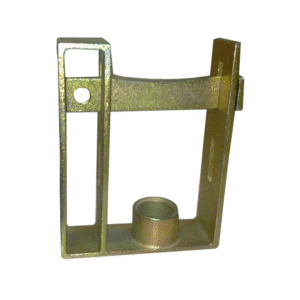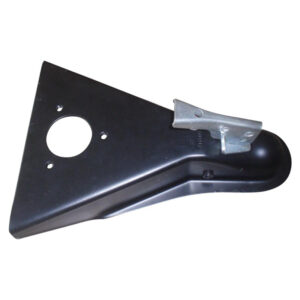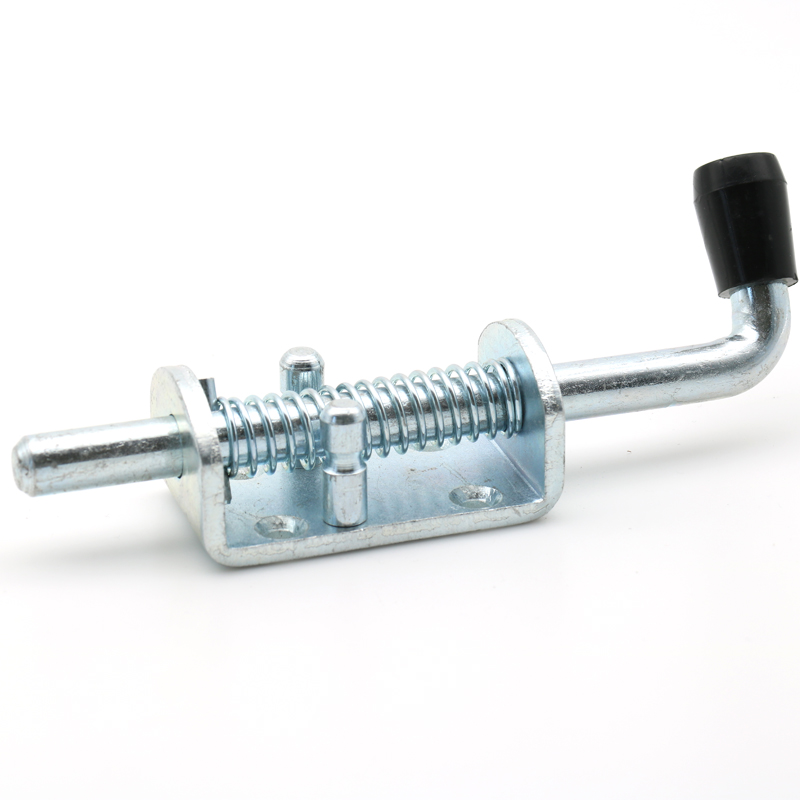
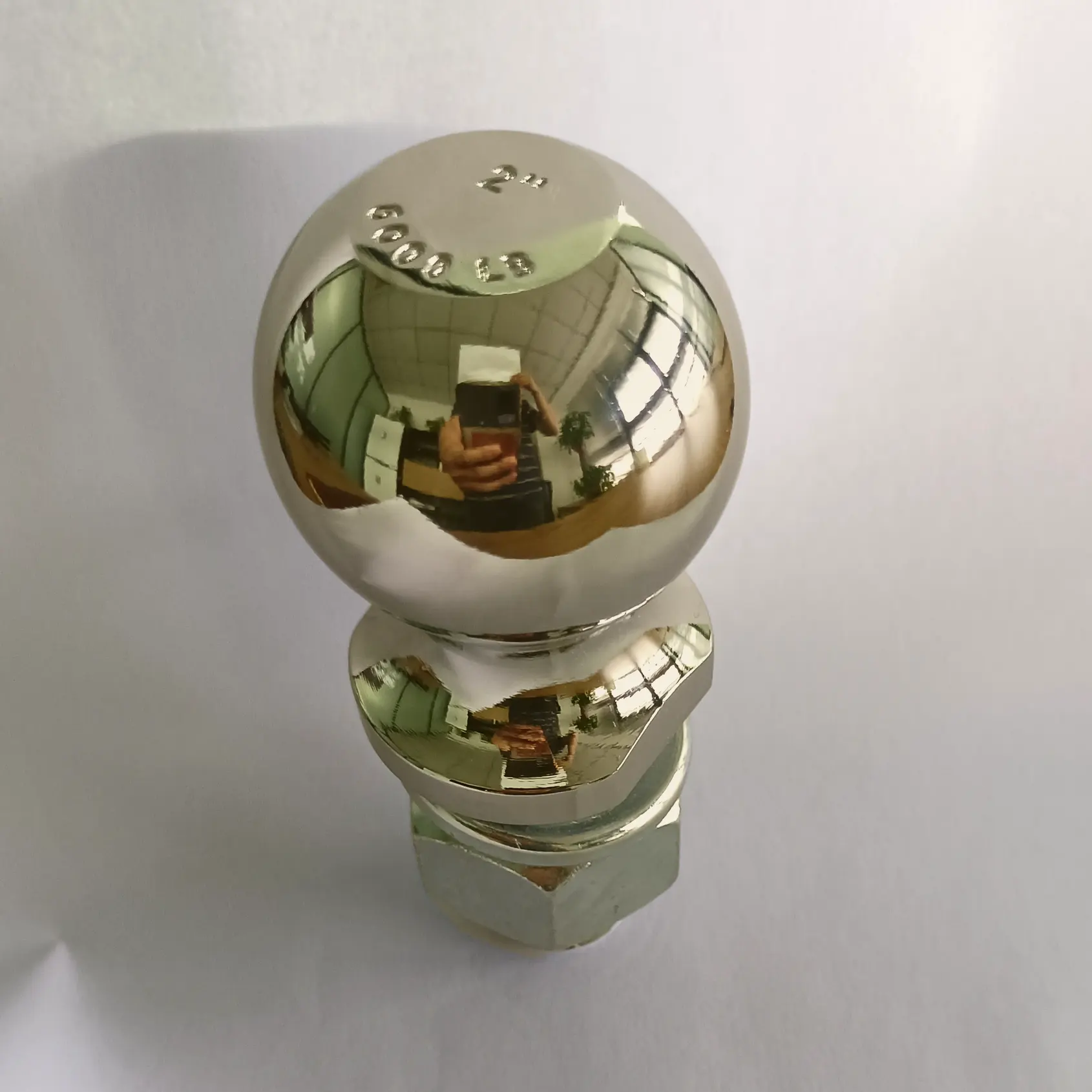
Trailer hitch balls can be manufactured by us, which sizes can be 1-7/8-inch , 2-inch, 3-inch and 2-5/16-inch diameter or other different sizes, materials can be stainless steel, chrome plated or zinc plated metal or your requirement, please feel free to contact our service team for more details
Description
Trailer hitch ball, load capacity 5000 Lbs or more, chrome plated steel, used for trailer coupling system.
- Item No.:P/N: CO0009MC-C
- Material: carbon steel, stainless steel or customized
- Finish: chrome plated, zinc plated or customized
- Load capacity: 5000lbs or customized
The trailer hitche balls can be amound into these hitches:
- Ball Hitch: This type of hitch consists of a ball mounted onto a tongue that inserts into the receiver. Ball hitches are commonly used for towing trailers with couplers that attach to the ball. It also known as a trailer hitch ball mount, is a type of coupling device used to attach a trailer or other towed vehicle to the towing vehicle. It consists of a metal ball attached to a threaded shaft that protrudes from a mounting platform. The mounting platform is secured to the towing vehicle’s frame or bumper. The ball hitch works by inserting the ball into a corresponding socket on the trailer’s coupler and then securing it with a locking mechanism, such as a locking pin or a latch. The ball hitch allows for articulation and movement between the towing vehicle and the trailer while providing a secure connection.
- Gooseneck Hitch: Similar to fifth wheel hitches, they have a ball instead of a plate. The gooseneck hitch attaches to a coupler on the underside of the trailer. Gooseneck hitches are less common than fifth-wheel hitches, but they offer a more secure towing connection. Gooseneck hitches are used for towing heavy-duty applications, particularly with large trailers such as livestock trailers, flatbed trailers, or RVs. Unlike a conventional ball hitch that attaches to a receiver mounted beneath the rear bumper of a vehicle, a gooseneck hitch mounts into the bed of a pickup truck directly over or slightly in front of the rear axle.