Introduction: The Anchor Point Decision That Affects Everything
Every load you secure on a trailer depends on one critical connection: the anchor point. Lashing rings are the interface between your cargo straps and the trailer structure, and the choice between recessed and surface-mount designs affects not just securement strength, but also safety, workflow, and maintenance.
Walk through any trailer yard and you’ll see both types in use. Some decks are clean and flush, with rings that disappear into the floor when not in use. Others are dotted with raised D-rings that stand proud of the surface. Both work—but they work differently, and they suit different operations.
This guide breaks down the real-world differences between recessed and surface-mount lashing rings, the trade-offs that matter in daily use, and how to decide which one belongs on your trailer deck.
What Is a Recessed Lashing Ring?
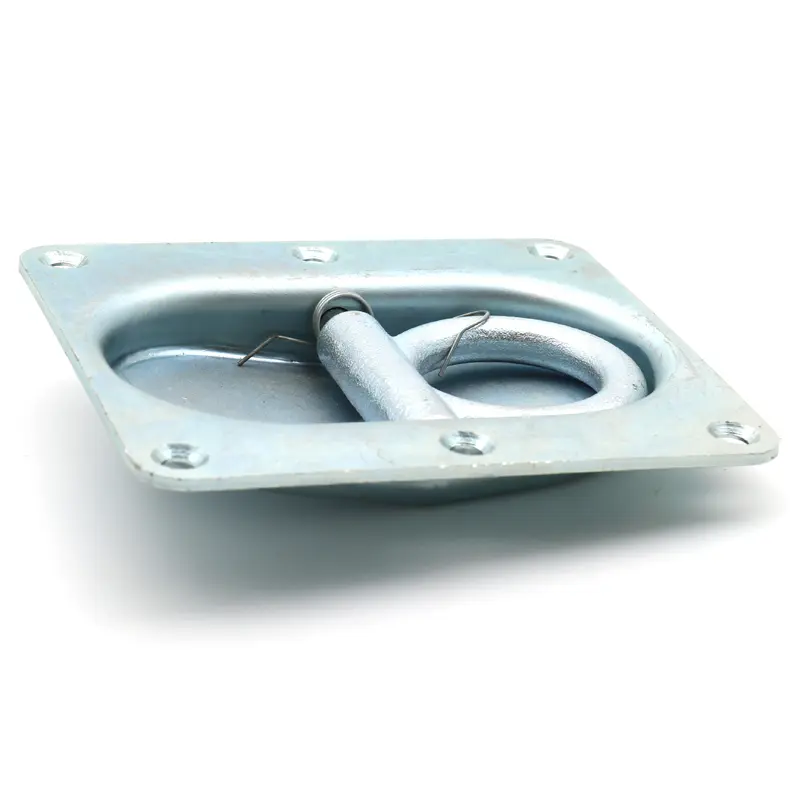
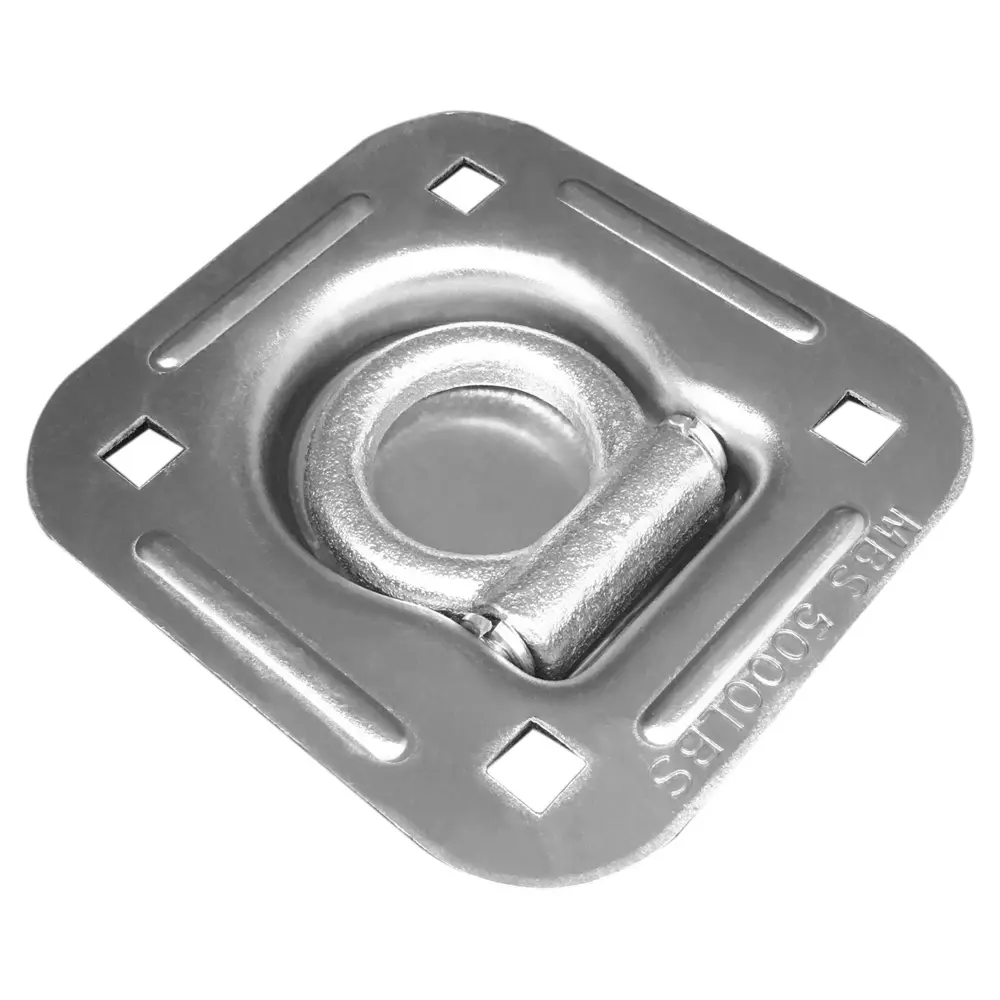
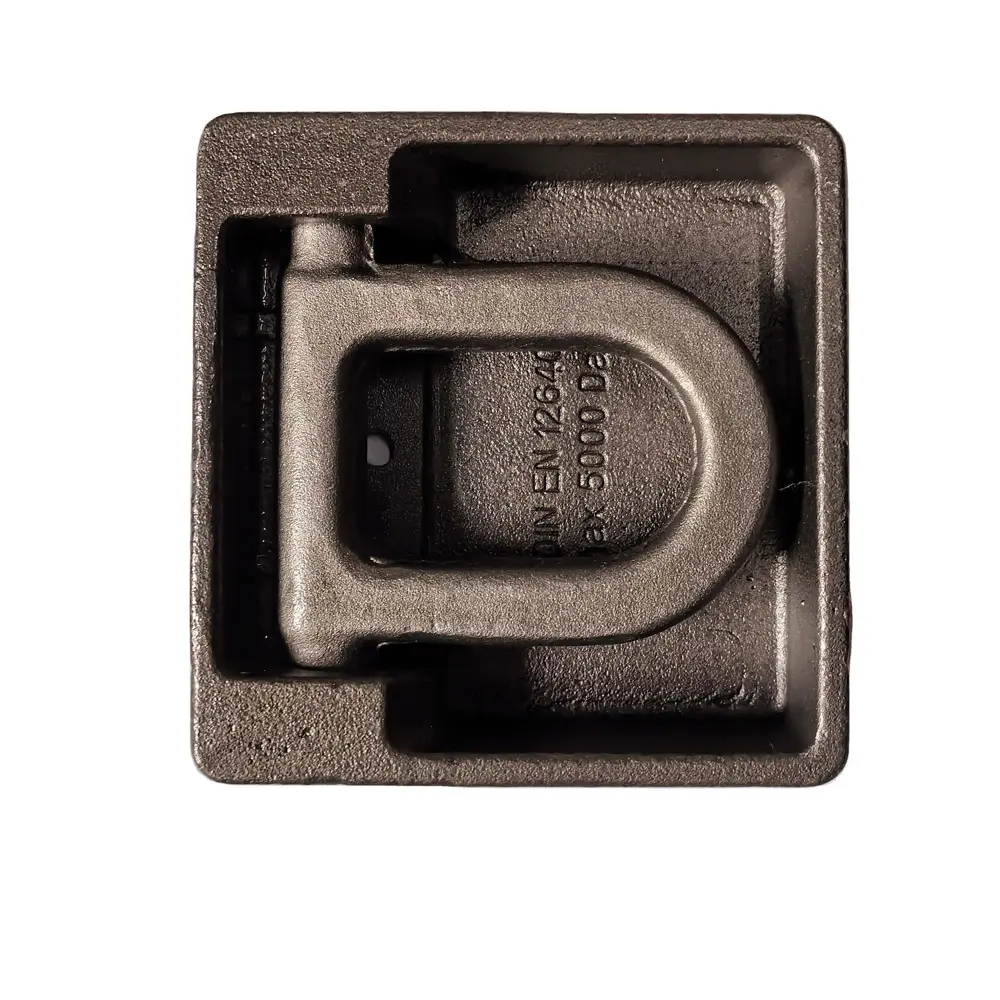
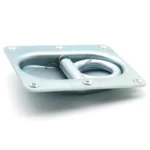
A recessed lashing ring is mounted inside a cavity cut into the trailer deck or floor. The ring itself sits within a pan or housing, and when not in use, it folds down so that the top of the ring is flush—or nearly flush—with the deck surface.
Key characteristics:
Flush or near-flush profile when stowed
Mounted within a cut-out in the deck
Ring typically folds flat into the housing
Often includes a drain or sealing feature to protect the deck cavity
Common load capacities range from several hundred to several thousand daN depending on size and construction
Because the ring disappears into the deck, recessed anchors are popular on flatbed decks, enclosed trailer floors, and any surface where a smooth, unobstructed area is valued.
What Is a Surface-Mount Lashing Ring?
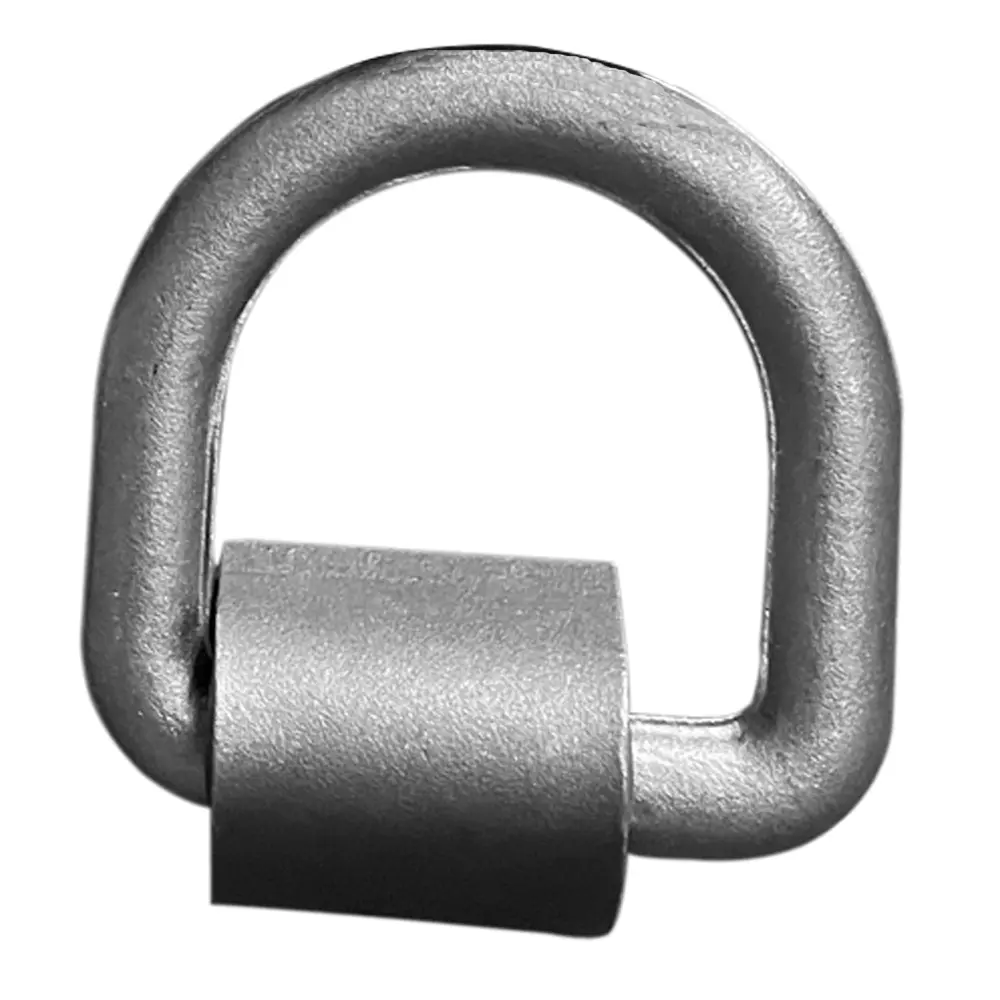
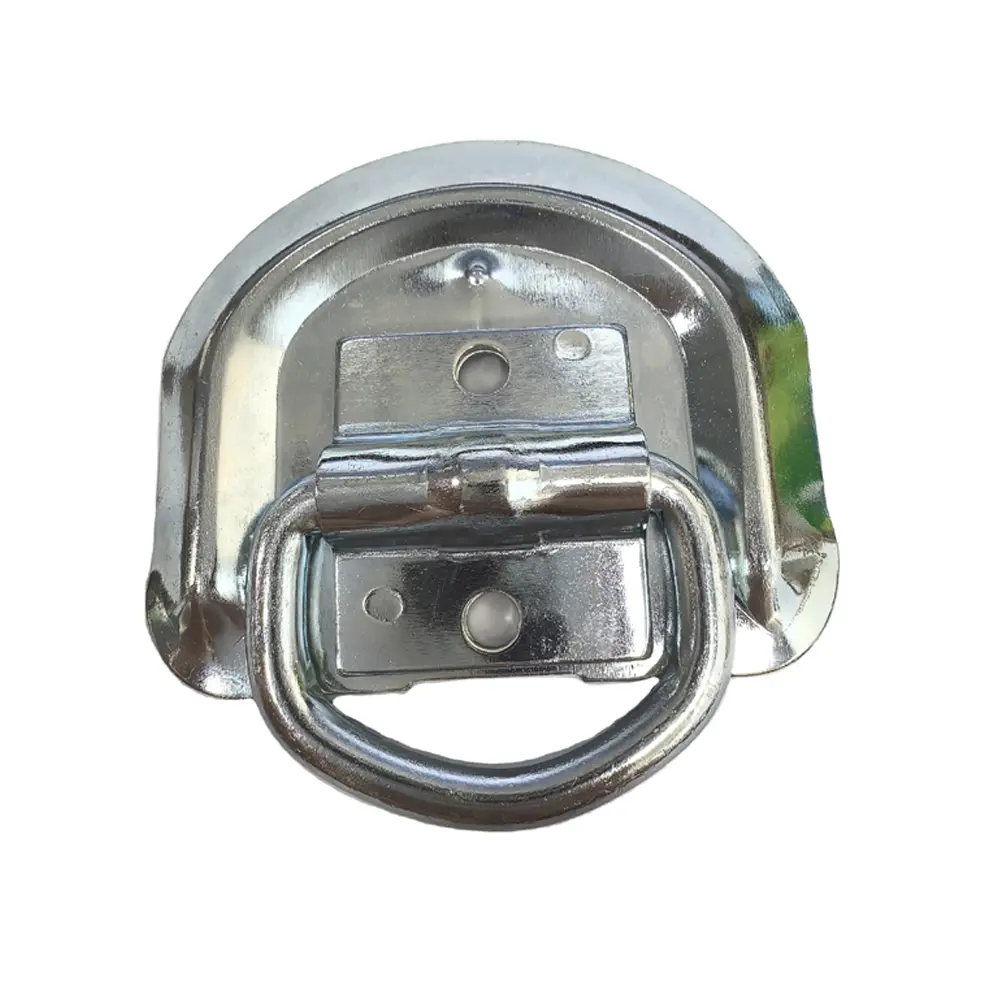
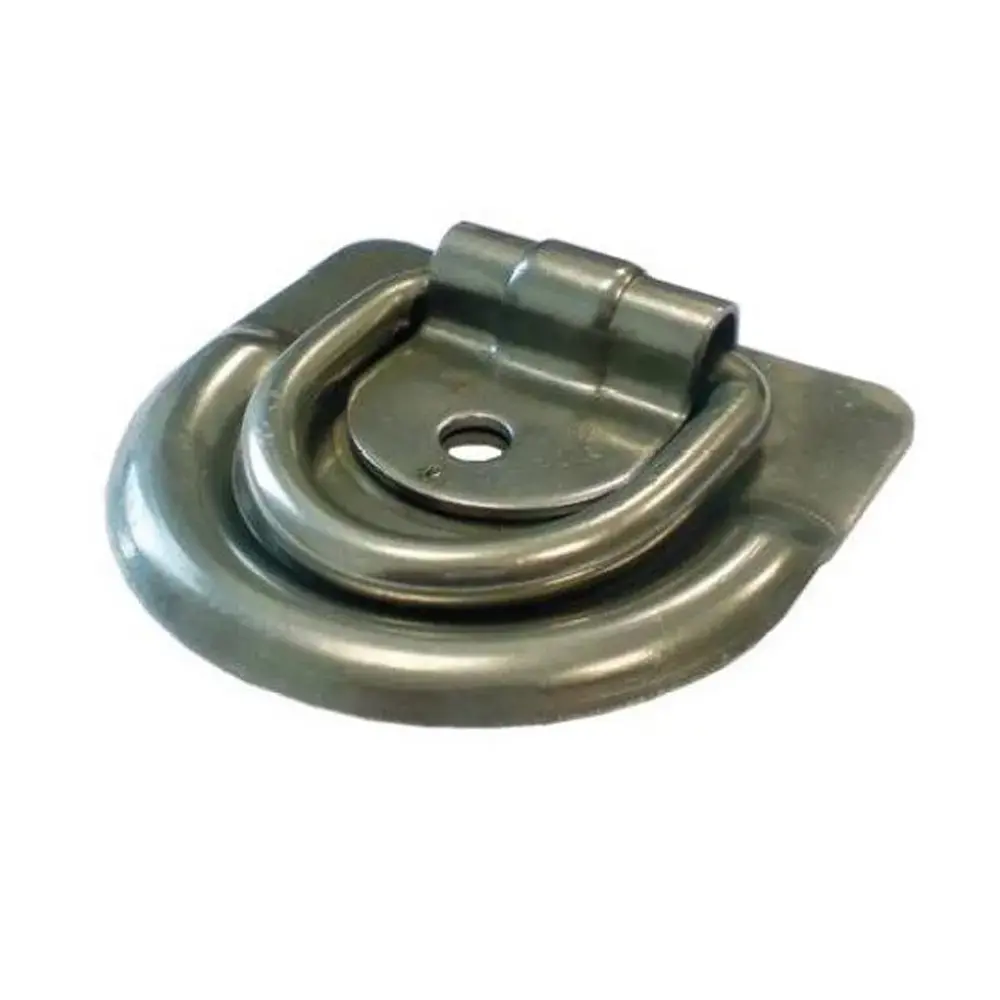
A surface-mount lashing ring is bolted or welded directly onto the top of the deck surface. The mounting plate or bracket sits above the deck, and the ring stands proud of the surface even when not in use.
Key characteristics:
Mounting plate sits on top of the deck
Ring remains raised above the surface
Installed with bolts or welding, with no deck cut-out required
Simple to retrofit and replace
Available in fixed or folding configurations
Surface-mount rings are common on utility trailers, flatbeds, and older equipment where adding an anchor point is a straightforward job rather than a fabrication project.
Head-to-Head Comparison: 6 Critical Factors
① Deck Profile and Snag Risk
Recessed: The standout advantage of a recessed ring is the flush profile. When folded down, there is nothing protruding to catch a pallet, drag a strap, trip a worker, or interfere with sliding cargo. On decks used for palletized freight, sliding loads, or multi-purpose work, this matters enormously.
Surface-Mount: A raised ring creates a permanent protrusion. Pallets can catch on it, straps can snag, and workers can trip. On decks where cargo slides or where the floor must remain clear, surface-mount rings become an obstacle.
Verdict: Recessed wins decisively for decks requiring a smooth, snag-free surface.
② Installation Complexity
Recessed: Installation requires cutting a precise opening in the deck, fitting the housing, sealing the cavity against moisture, and securing the assembly. On an existing trailer, this is fabrication work—not a bolt-on job. On a new build, it’s straightforward because the cut-out can be planned into the deck.
Surface-Mount: Installation is simple. Drill holes, bolt or weld the plate, and the ring is ready. Retrofitting is quick, and no deck cutting is required.
Verdict: Surface-mount wins clearly on installation simplicity, especially for retrofits.
③ Load Capacity and Structural Integrity
Recessed: Because the ring is mounted within a housing that distributes load into the deck structure, recessed rings can achieve high load ratings when properly installed. The housing spreads force across a larger area, and the ring’s attachment points are protected within the cavity.
Surface-Mount: Load capacity depends heavily on the mounting plate and fasteners. A well-designed surface-mount ring with a large backing plate can also achieve high ratings, but the load is concentrated at the mounting points on top of the deck, which can stress the deck surface over time.
Verdict: Both can be strong, but recessed rings distribute load more favorably into the deck structure when correctly installed.
④ Maintenance and Corrosion
Recessed: The cavity is the weak point. Dirt, water, and road salt can collect in the housing if drainage is poor, accelerating corrosion of the ring and housing. Regular cleaning and inspection of the cavity is essential—especially in cold-climate operations where salt and moisture accumulate.
Surface-Mount: Easier to inspect and clean because the entire assembly is visible and accessible. Corrosion is typically limited to the ring and plate, which are easy to monitor. Replacement is simpler when needed.
Verdict: Surface-mount wins on maintainability and ease of inspection; recessed requires more attention to drainage and cleaning.
⑤ Flexibility and Retrofit Potential
Recessed: Once the deck is cut, the location is fixed. Moving a recessed ring means cutting a new opening and repairing the old one—impractical on most trailers. Recessed anchors are best planned into the deck layout from the start.
Surface-Mount: Highly flexible. Rings can be added, relocated, or replaced as operational needs change. For fleets that reconfigure trailers or add anchor points over time, surface-mount offers far more flexibility.
Verdict: Surface-mount wins for flexibility and retrofit potential.
⑥ Cost Considerations
Recessed: Higher installed cost. The ring itself may be comparable, but the fabrication labor, sealing, and deck modification add significant expense—particularly on retrofits.
Surface-Mount: Lower installed cost, especially for retrofits. The hardware is generally less expensive and installation is faster.
Verdict: Surface-mount wins on initial cost; recessed requires a higher upfront investment that must be justified by workflow benefits.
Quick Comparison Table
| Factor | Recessed Lashing Ring | Surface-Mount Lashing Ring |
|---|---|---|
| Deck Profile | Flush when stowed | Raised above deck |
| Snag Risk | Very low | Moderate to high |
| Installation | Requires deck cut-out and sealing | Bolt or weld on top |
| Retrofit | Difficult | Easy |
| Load Distribution | Spreads into deck structure | Concentrated at mounting points |
| Maintenance | Cavity requires cleaning and drainage | Easy to inspect and clean |
| Flexibility | Fixed location | Easy to add or relocate |
| Installed Cost | Higher | Lower |
Which One Should You Choose?
Choose Recessed Lashing Rings If:
Your deck must remain smooth and snag-free for sliding cargo or palletized freight
You are building a new trailer and can plan the cut-outs into the deck design
Worker safety is a priority and trip hazards must be minimized
The trailer is used for multi-purpose operations where the deck surface changes frequently
You need maximum load distribution into the deck structure
The trailer operates in environments where cargo slides or where flush surfaces are essential
Choose Surface-Mount Lashing Rings If:
You need to retrofit an existing trailer without cutting the deck
Flexibility is important and anchor points may need to be added or moved
Easy inspection and maintenance are priorities
Initial cost is a primary consideration
The trailer’s deck surface does not need to remain completely clear
You operate a mixed fleet where standardization across older and newer equipment matters
Installation Best Practices for Each Type
Recessed Ring Installation Tips
Plan the layout before cutting—once the deck is opened, relocation is costly
Seal the cavity thoroughly against moisture ingress; use quality sealant around the housing
Ensure drainage so water does not pool inside the housing
Use backing plates where the deck structure requires additional reinforcement
Test the fold mechanism after installation to confirm flush stowage
Surface-Mount Ring Installation Tips
Use a backing plate underneath the deck where possible to spread load
Match fasteners to the deck material—through-bolts for wood or composite decks, welding for steel decks
Apply anti-seize to bolt threads to prevent corrosion and ease future removal
Check clearance so the raised ring does not interfere with cargo or equipment
Inspect fasteners periodically for loosening under vibration
Maintenance Considerations
Recessed rings demand a routine that includes:
Flushing the cavity to remove dirt and salt
Checking drainage holes for blockage
Inspecting the fold mechanism for stiffness or corrosion
Confirming the housing seal remains intact
Surface-mount rings demand:
Regular visual inspection of the ring, plate, and fasteners
Checking bolt torque periodically
Replacing worn or deformed rings promptly
Cleaning around the mounting plate to prevent corrosion traps
The HangCheng Advantage
At HangCheng, we manufacture both recessed and surface-mount lashing rings—and we help fleets choose the right configuration for their specific deck layout and operating conditions.
Our lashing ring range includes:
Recessed rings with flush-fold designs and reinforced housings
Surface-mount rings with heavy-duty mounting plates
Zinc-plated and stainless steel options for different corrosion environments
Multiple load ratings to match light-duty through heavy-haul applications
Custom hole patterns and mounting configurations for OEM and fleet projects
What sets us apart is our full-cycle design-to-manufacturing capability. We don’t just supply catalog parts—we help engineering and procurement teams evaluate anchor layouts, validate load ratings, and prototype configurations before committing to a bulk order.
If you’re planning a new trailer build or reconfiguring an existing fleet, we’d welcome the chance to review your deck layout and recommend the right mix of recessed and surface-mount anchors.
Final Thoughts
The choice between recessed and surface-mount lashing rings is not about which is “better” in absolute terms—it’s about which fits your deck, your cargo, and your workflow.
Recessed rings deliver a clean, flush deck with superior snag resistance and excellent load distribution—ideal for new builds and operations where the deck surface must stay clear.
Surface-mount rings offer simplicity, flexibility, and easy maintenance—ideal for retrofits and fleets that need to adapt anchor points over time.
Whichever you choose, prioritize quality. A failed anchor point is not just a maintenance issue—it’s a safety event waiting to happen.
Contact us for more information; bulk orders enjoy discounts.
Related Products