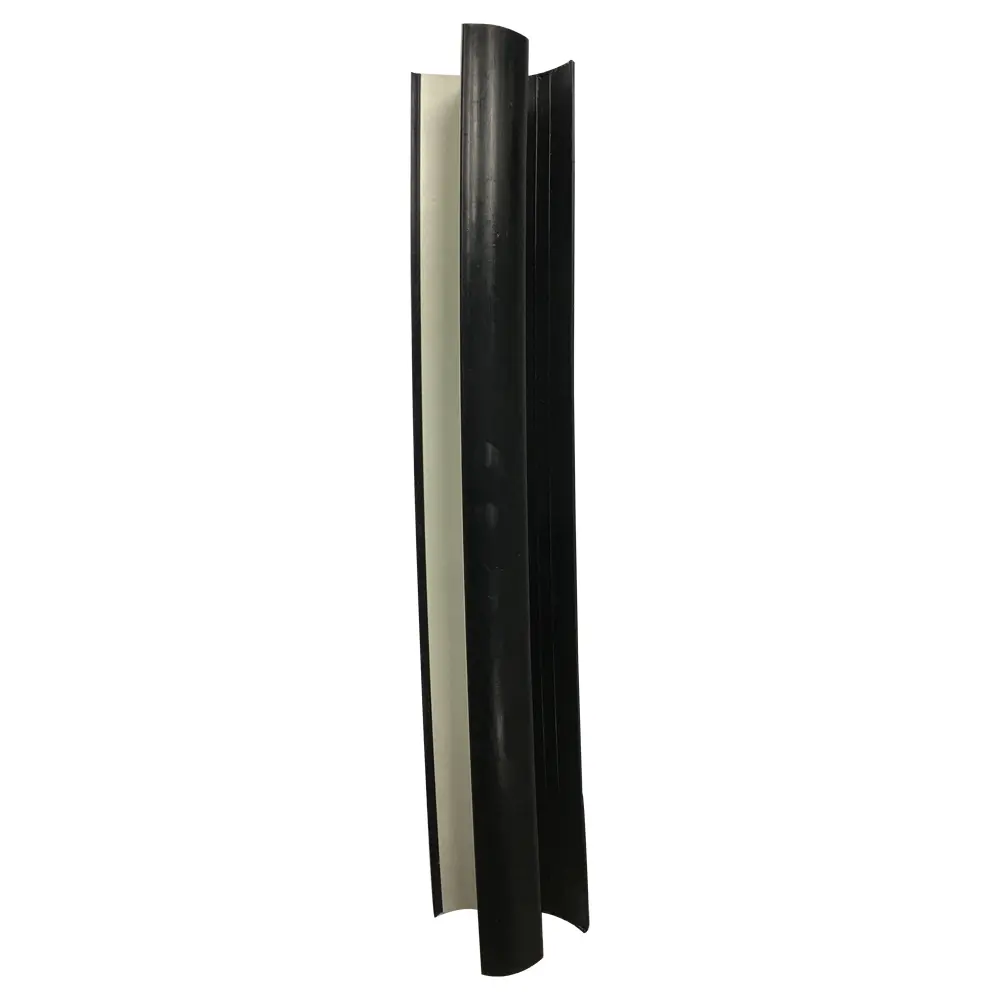
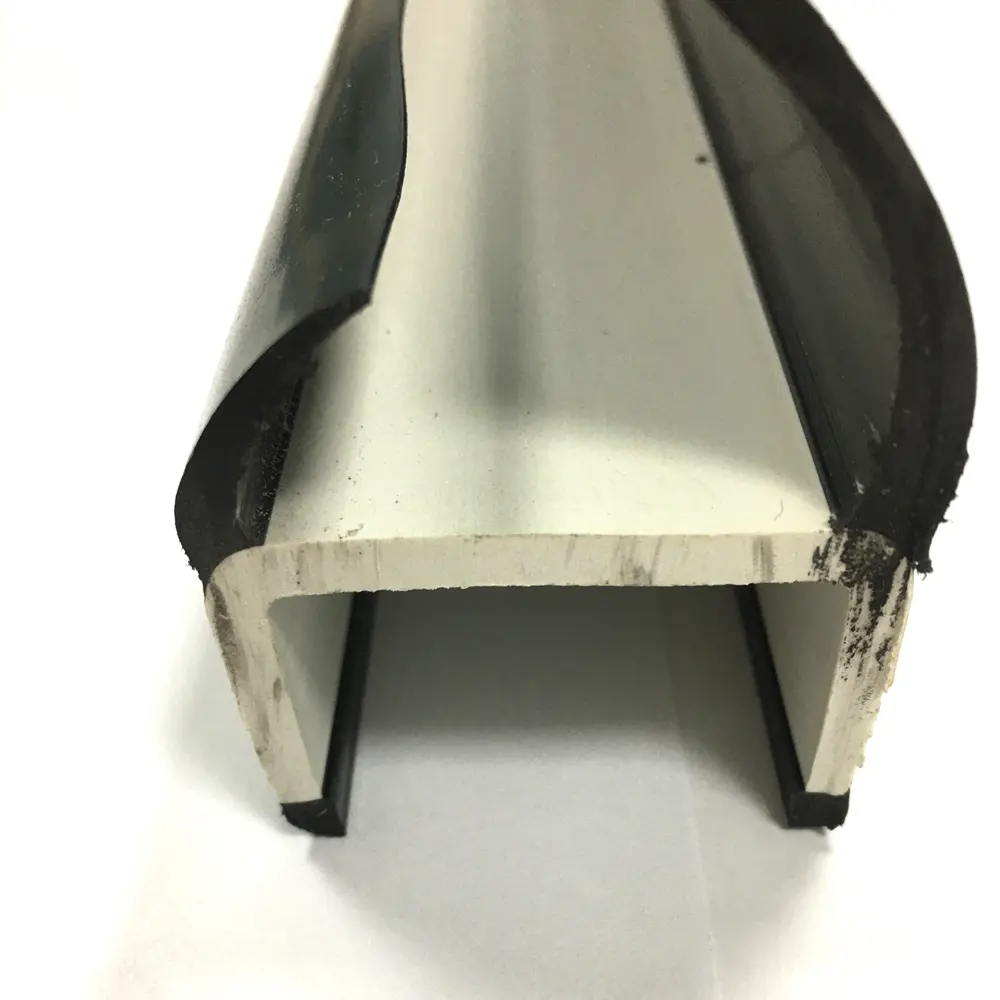
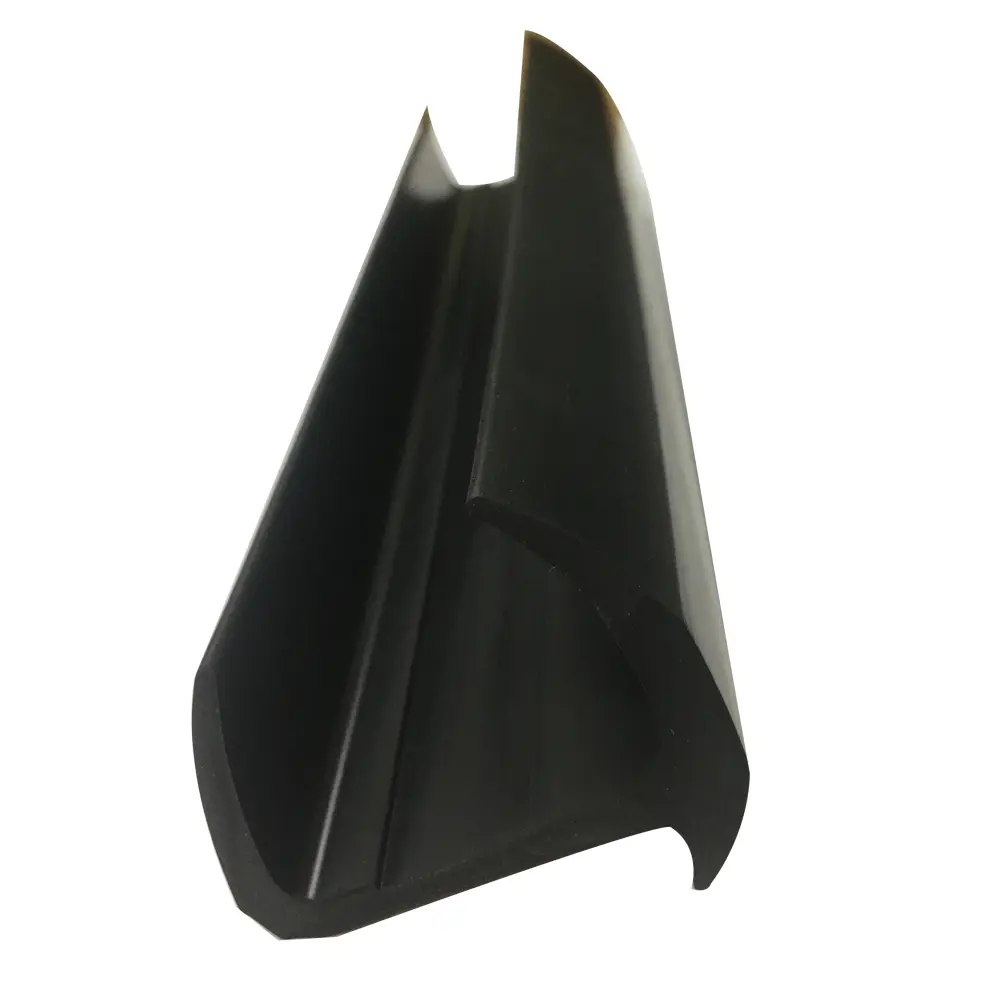
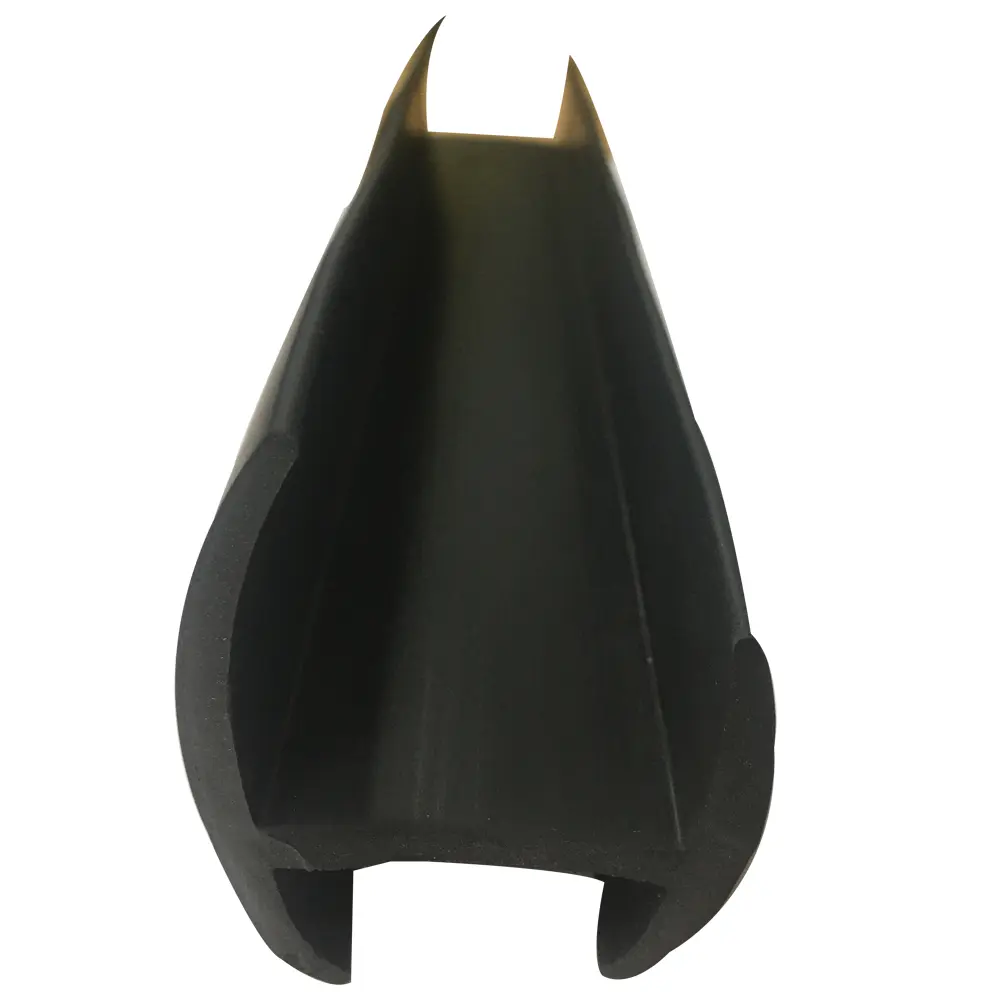
Introduction: The Critical Choice Between Cost and Longevity
The integrity of your trailer’s cargo space hinges on a component often overlooked until it fails: the door seal. When moisture, dust, and temperature fluctuations breach the barrier, the cost isn’t just a damp floor—it’s damaged goods, rejected loads, and compromised safety. At the heart of this lies a fundamental procurement decision: PVC Truck Door Seal or genuine Rubber Truck Door Seal (EPDM Truck Door Seal)?
This isn’t merely a choice between two elastomers; it’s a strategic decision impacting your fleet’s Total Cost of Ownership (TCO), operational reliability, and cargo security. Many buyers face confusion, often misled by vague marketing terms. This definitive guide cuts through the noise, providing a clear, technical comparison to empower you to choose the right seal for your specific climate, cargo, and budget.
Part 1: Unmasking the Materials – Chemistry Defines Performance
Understanding the core material science is key to predicting real-world performance.
1. PVC Truck Door Seal (Polyvinyl Chloride Truck Door Seal) : The Plastic Contender
PVC is a synthetic plastic polymer. Its properties are heavily dependent on additives like plasticizers (which make it flexible), stabilizers, and fillers.
-
Core Characteristic: It is a cost-engineered material. Initial flexibility can be good, but this is borrowed from plasticizers that can migrate out over time.
-
Common Mislabeling: PVC seals are sometimes broadly called “rubber” or “synthetic rubber” due to their initial feel, which is a primary source of market confusion.
2. Rubber Truck Door Seal (EPDM Truck Door Seal) : The Synthetic Rubber Standard
When professionals refer to a “rubber” seal in heavy-duty applications, they almost always mean EPDM (Ethylene Propylene Diene Monomer). This is a true synthetic rubber.
-
Core Characteristic: EPDM is renowned for its exceptional molecular stability. Its polymer backbone provides innate resistance to environmental attack without relying on unstable additives.
Part 2: The Head-to-Head Performance Breakdown
Let’s translate chemistry into operational metrics. The differences are stark and decisive.
| Performance Factor | PVC Truck Door Seal | Rubber (EPDM) Truck Door Seal | Why This Matters for Your Fleet |
|---|---|---|---|
| Weather & UV Resistance | Poor. UV rays and ozone attack the polymer chain and deplete plasticizers, leading to cracking, hardening, and loss of gloss. | Excellent. EPDM has superb resistance to sunlight, ozone, and oxidation. It won’t crack or harden prematurely. | Longevity. A PVC seal in sunny climates may fail in 1-2 years, while EPDM lasts 5+ years, reducing replacement frequency and labor costs. |
| Temperature Flexibility | Limited Range. Becomes stiff and brittle in cold (below -10°C/14°F) and can soften/deform in high heat. | Extreme Range. Performs reliably from -50°C to +150°C (-58°F to +302°F). Stays flexible in winter, stable in summer. | All-Climate Reliability. Essential for reefer trailers, cross-continent hauls, or any operation facing seasonal extremes. |
| Compression Set & Elasticity | High Compression Set. Tends to permanently deform after being compressed (e.g., by a closed door), losing sealing pressure over time. | Low Compression Set. “Springs back” to its original shape, maintaining constant sealing force and a tight seal for years. | Consistent Seal. EPDM ensures the door remains airtight and watertight throughout its life, unlike PVC which can create gaps as it flattens. |
| Durability & Tear Strength | Moderate, but degrades quickly with environmental exposure. Can tear at installation if nicked. | High. Superior tear and abrasion resistance, especially in reinforced profiles, withstands door slam impact and friction. | Lower Failure Risk. Resists damage during loading/unloading and door operation, preventing unexpected leaks. |
| Fire Performance | Self-extinguishing due to chlorine content. Can release toxic smoke if burned. | Flame resistant but will burn if exposed to sustained flame. Produces less toxic smoke. | Safety & Compliance. PVC may have an edge in specific fire-resistant specifications, but EPDM is standard for general transport. |
| Environmental Impact | Contains chlorine and plasticizers. Recycling is complex. | Free of heavy metals and halogens. More environmentally friendly and easier to recycle. | Corporate Responsibility. EPDM aligns better with green fleet initiatives and sustainable procurement policies. |
Part 3: The Total Cost of Ownership (TCO) Analysis – Beyond the Price Tag
The initial purchase price is only the beginning. A true cost analysis reveals why EPDD is often the more economical choice.
-
Scenario: A fleet manager needs 100 seals.
-
PVC Truck Door Seal: Costs $20 per seal. Lasts 1.5 years in moderate climates. Cost over 6 years: Initial ($2000) + 4 replacements ($8000) = ~$10,000, plus labor for 4 installations.
-
EPDM Truck Door Seal: Costs $45 per seal. Lasts 6+ years. Cost over 6 years: Initial ($4500) + 0 replacements = $4,500.
-
The Verdict: While EPDM costs over twice as much upfront, it can save over 50% in long-term costs and eliminate the hidden expenses of downtime, labor, and cargo claims from premature seal failure.
Part 4: How to Choose – A Simple Decision Matrix
Ask these questions to make the right choice for your operation:
Choose a PVC Truck Door Seal IF:
-
Your primary constraint is the absolute lowest initial cost.
-
The trailer is used infrequently or for short-term contracts.
-
It operates in a mild, consistent climate with minimal UV exposure.
-
The unit is nearing end-of-life and a temporary seal is sufficient.
Choose a Rubber (EPDM) Truck Door Seal IF:
-
Reliability and minimizing downtime are priorities.
-
Your fleet operates in hot, cold, or sunny climates.
-
You transport sensitive cargo (food, electronics, pharmaceuticals) requiring consistent temperature/humidity control.
-
You want to reduce long-term maintenance costs and labor.
-
The trailers are core assets you plan to maintain for years.
Conclusion: Investing in a Seal is Investing in Cargo Integrity
The debate between PVC and EPDM is not about finding a “better” material in a vacuum; it’s about aligning material properties with operational realities. PVC offers a short-term price advantage. Genuine EPDM rubber delivers long-term value, reliability, and protection.
Contact us for more information about truck door seals; bulk orders enjoy discounts.
Related Products