When sourcing rubber components for trailers and commercial trucks, two products often cause confusion: rubber dock bumpers and rubber suspension buffers. While both are made of rubber, absorb impact, and help protect equipment, they serve fundamentally different purposes.
Choosing the wrong type for the wrong application can lead to premature failure, unsafe operation, and unnecessary repair costs. This guide explains the key differences between dock bumpers and suspension buffers, when to use each, and how to select the right material, hardness, and design for your application.
By the end of this article, you’ll clearly understand which rubber component belongs on your loading dock and which one controls suspension travel—and why confusing the two can be a costly mistake.
Part 1: Understanding Rubber Dock Bumpers
So, what exactly is a rubber dock bumper?
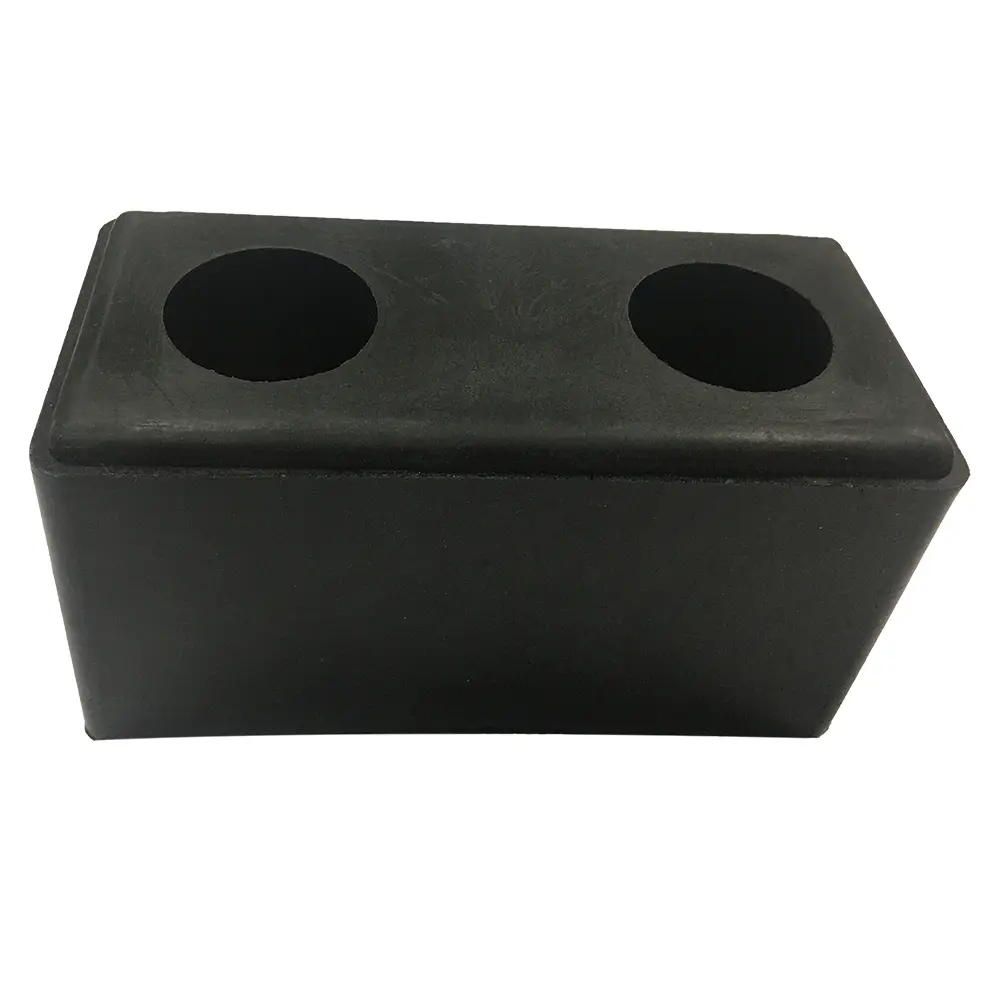
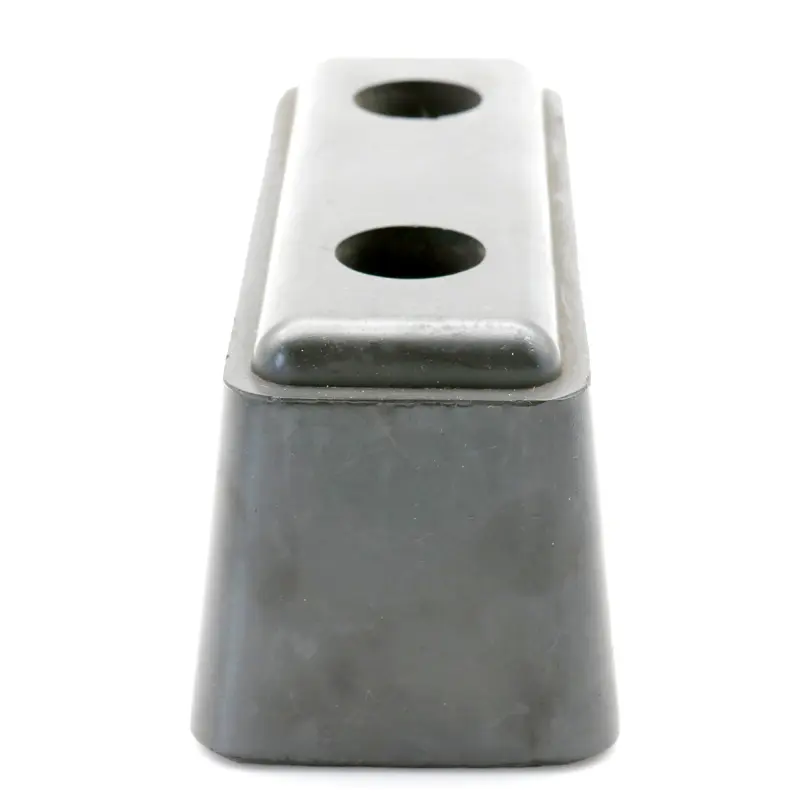
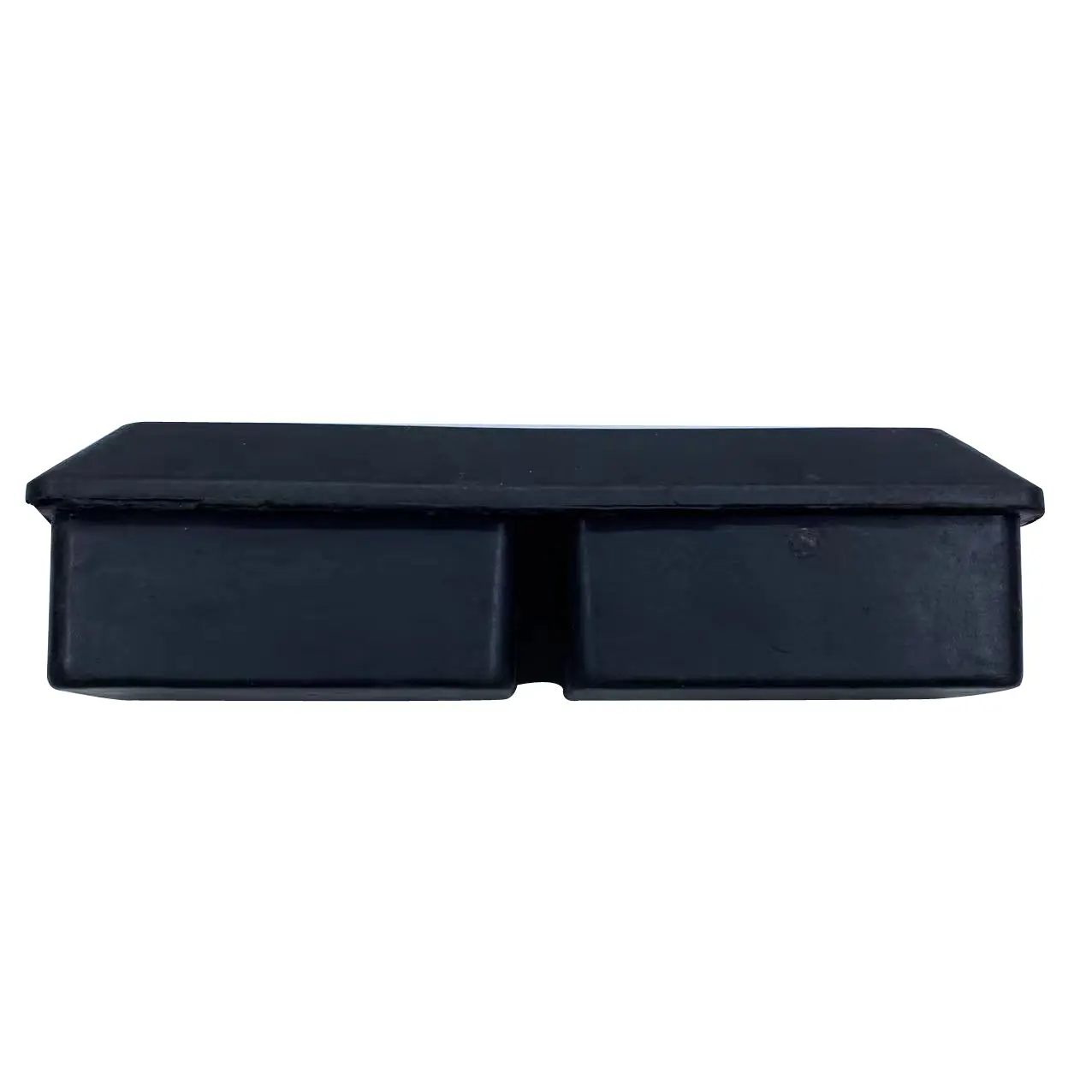
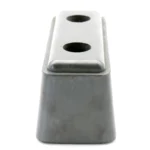
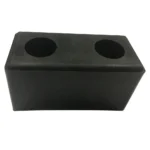
A rubber dock bumper is a protective component mounted on loading dock faces, trailer rear frames, or warehouse walls. Its sole purpose is to absorb the kinetic energy of a backing truck or trailer, preventing structural damage to buildings, equipment, and vehicles.
How Dock Bumpers Work
When a semi-trailer reverses toward a loading dock—a maneuver that accounts for approximately 30% of all commercial vehicle accidents—a dock bumper sits between the trailer’s rear impact guard and the concrete dock face. The rubber compresses under the impact force, dissipating energy and preventing steel-on-concrete contact.
As forklifts enter and exit during freight transfer, the trailer shifts up and down against the bumper, causing additional wear. An effective rubber dock bumper withstands repeated impacts and shifting without cracking, tearing, or losing its shape.
Common Shapes and Configurations
Dock bumpers are available in several form factors:
| Shape | Typical Dimensions | Common Applications |
|---|---|---|
| Rectangular / Laminated | 16 in × 2 in × 2 in, 20″×4.5″×8″ , or larger | Standard loading dock protection |
| D-Shape / Ramp Bumper | 450–510 mm × 150–250 mm × 100–140 mm | Loading ramp edges, high-traffic areas |
| Round / Cylindrical | Various diameters (ø80 mm or larger) | Point of impact or corner protection |
Typical Performance Specifications
Performance metrics for a quality rubber dock bumper include:
| Property | Target Value | Test Standard |
|---|---|---|
| Hardness (Shore A) | 50–90 (adjustable) | ASTM D2240 |
| Tensile Strength | ≥10 MPa | ISO 37 / ASTM D412 |
| Tear Strength | ≥30 kN/m | ASTM D624 / GB/T 529 |
| Compression Set | ≤25 % (70 °C × 22 h) | ASTM D395 |
| Abrasion Resistance | ≤100 mm³ | ASTM D5963 |
| Ozone Resistance | No cracks | ASTM D1171 |
Note: Laminated dock bumpers—constructed from recycled truck tire rubber compressed between steel angles—offer economical and durable protection for high-frequency loading operations
Part 2: Understanding Rubber Suspension Buffers
Now, what is a rubber suspension buffer?
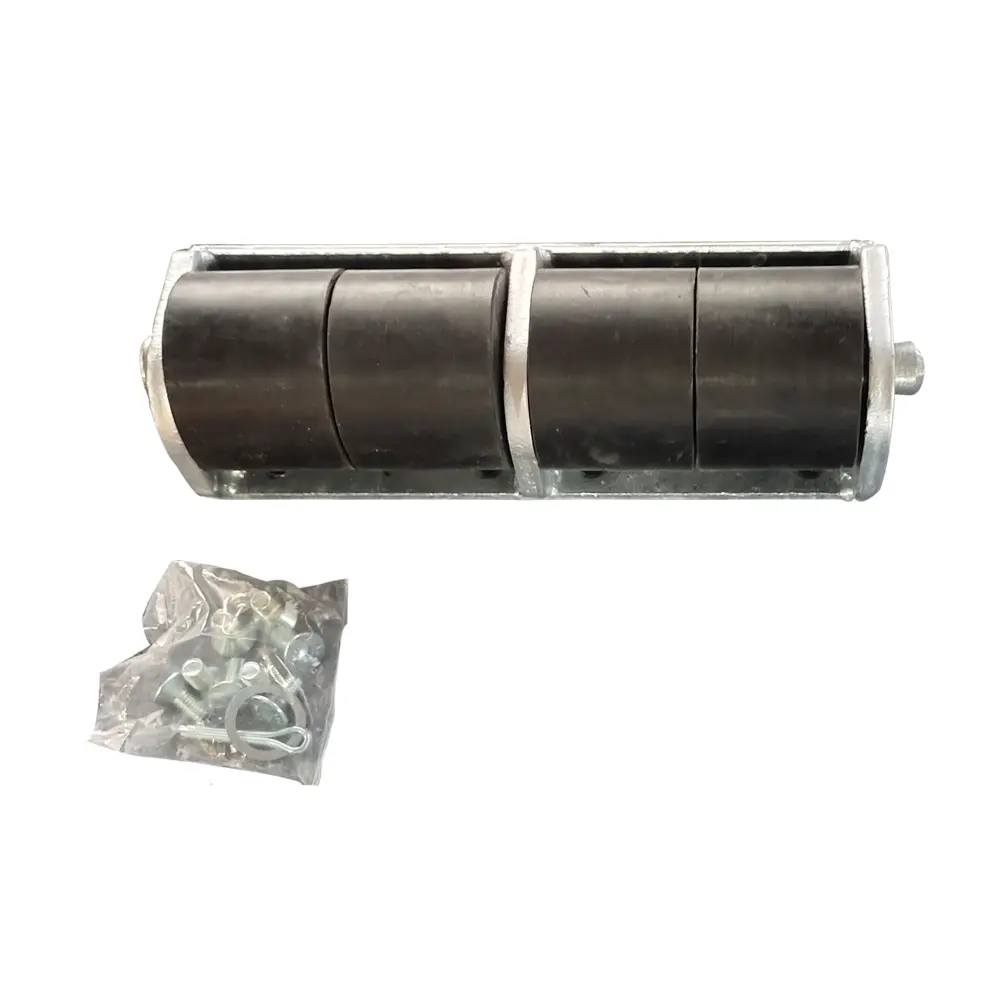
A rubber suspension buffer is a component installed within a vehicle‘s suspension system, typically mounted on the axle or chassis to limit suspension travel. Also known as jounce bumpers, bump stops, or auxiliary springs, they prevent metal‑to‑metal contact when the suspension bottoms out.
How Suspension Buffers Work
The suspension system has two fundamental pillars: elastic elements (leaf springs or rubber components) that absorb initial road shocks, and damping elements (shock absorbers) that attenuate rebound vibrations.
When a trailer hits a pothole or absorbs a heavy load, the leaf springs compress. Without a buffer, the axle would collide directly with the frame—metal striking metal. The rubber suspension buffer compresses at the end of the travel to cushion that contact, protecting both components and ride quality.
Positioning
Suspension buffers are typically mounted in one of three positions:
-
Axle‑mounted: On top of the axle, compressing against the frame rail or spring bracket
-
Frame‑mounted: On the chassis rail, contacting the axle as suspension compresses
-
Within the spring pack: Integrated between leaf springs as an auxiliary spring element
A typical leaf‑spring system uses rubber‑bushed spring eyes and equalizers to protect the suspension from excessive vibrations, reducing wear and tear and minimizing maintenance needs.
Typical Performance Specifications
| Property | Target Value | Test Standard |
|---|---|---|
| Hardness (Shore A) | 55–80 (application‑dependent) | ASTM D2240 |
| Tensile Strength | ≥15 MPa | ASTM D412 |
| Tear Strength | ≥30 kN/m | ASTM D624 |
| Compression Set | ≤25 % (70 °C × 24 h) | ASTM D395 |
| Dynamic Stiffness | 50–200 N/mm (customizable) | Based on suspension requirements |
| Operating Temperature | −40 °C to +100 °C | EPDM‑based formulation |
| Fatigue Life | ≥1,000,000 cycles | Dynamic compression testing |
Source: Industry standards for rubber suspension systems
Part 3: Key Differences at a Glance
The table below summarizes the key differences between the two components:
| Rubber Dock Bumper | Rubber Suspension Buffer | |
|---|---|---|
| Primary Purpose | Protect infrastructure/vehicles during docking | Limit suspension travel, prevent metal‑to‑metal contact |
| Operating Mechanism | Energy absorption upon impact with dock face | Progressive compression when suspension bottoms out |
| Mounting Location | Dock face, trailer rear frame, warehouse wall | Axle, chassis, spring pack |
| Typical Hardness | 50–90 Shore A | 55–80 Shore A (softer progressive response) |
| Load Type | High‑impact, short‑duration | Cyclical compression over variable terrain |
| Critical Failure Mode | Crack, tear, permanent set | Compression set loss of progressive rate |
| Rubber Compounds | SBR, NR, recycled rubber | NR, EPDM, NBR (depending on environment) |
| Design Priority | Durable impact surface, wear resistance | Progressive load response, fatigue resistance |
Part 4: Material Selection Guide for Each Application
The right rubber compound depends entirely on operating environment.
Rubber Compound Reference
| Material | Key Benefits | Where It Shines | Limitations |
|---|---|---|---|
| NR (Natural Rubber) | High resilience, good abrasion, cost‑effective | Suspension buffers, general‑purpose | Poor UV/ozone resistance |
| EPDM | Outstanding UV/ozone/water resistance | Outdoor‑exposed bumpers (both types) | Unsuitable for oil contact |
| NBR | Excellent oil/fuel resistance | Dockside buffers exposed to diesel, oils | Poor UV resistance |
| SBR | Good abrasion, cost‑efficient, heat aging | Budget‑friendly dock bumpers | Lower elasticity, poor low‑temp flexibility |
| Polyurethane (PU) | High durability, superior tear/wear resistance | Heavy‑duty suspension buffers | Harder transmission of noise/vibration |
Source: Elastomer selection guidelines
Remember that polyurethane buffers offer superior energy absorption and longer service life than rubber in demanding applications, but they transfer more noise and vibration into the cabin.
For outdoor dock bumpers, EPDM provides the longest lifespan under sun and rain. For tankers or tow trucks exposed to diesel and hydraulic fluids, NBR is the correct choice. Natural rubber works well for general indoor or covered applications. Polyurethane suspension buffers are increasingly specified for severe‑duty vehicles where maximum durability outweighs comfort concerns.
Part 5: Selecting the Right Supplier
The “design‑to‑manufacturing gap” is a common source of quality inconsistency in rubber parts. A supplier focused only on molding cannot optimize designs for real‑world performance. This is where supplier capability matters.
Supplier Capability Checklist
When qualifying a supplier, look for:
-
Material formulation expertise: In‑house rubber compounding knowledge to identify the right compound for a specific environment, including custom blends when required.
-
Design for Manufacturability (DFM) support: Engineering analysis to identify potential molding defects, optimize draft angles, and prevent costly tooling revisions.
-
Production capacity: Compression or injection molding equipment with in‑house tooling to control both timeline and quality.
-
Quality system certification: ISO 9001:2015 as a baseline; IATF 16949 for high‑volume automotive or suspension applications.
-
Testing capability: Tensile testing, Shore hardness verification, compression set measurement, salt spray corrosion testing (ASTM B117), ozone resistance (ASTM D1171), and fatigue cycle validation.
-
Supply chain integration: Consistent raw material sourcing eliminates batch‑to‑batch variation.
Hangcheng Parts maintains ISO 9001:2015 certification and offers full‑cycle manufacturing—from material compound selection and design optimization to compression molding and final testing. With over 20 years of export experience to Europe, North America, and Australia, each batch is tested to specification before shipment. In‑house tooling reduces lead times, and end‑to‑end quality control reduces risk.
Part 6: Frequently Asked Questions
Q1: Can a suspension buffer be used as a dock bumper?
No. Suspension buffers are designed for cyclical compression and progressive load response, not for the high‑energy, short‑duration impacts of docking. The latter will cause premature compression set and failure.
Q2: What is a laminated dock bumper?
A bumper constructed from layers of recycled rubber compressed between steel angles. Laminated bumpers provide economical, durable protection for loading docks and trailers.
Q3: How do I determine the right Shore hardness for my application?
Dock bumpers: Harder (70‑90 Shore A) for high‑frequency, heavy‑impact docks; softer (50‑70 Shore A) for lighter loads. Suspension buffers: Typically 55‑70 Shore A to allow progressive compression before bottoming out. Adjust based on axle load, vehicle gross vehicle weight rating (GVWR), and ride quality requirements.
Q4: How often should rubber bumpers be replaced?
Dock bumpers: Replace when visible cracking, chunking, or permanent deformation appears—typically every 2‑5 years in heavy‑use facilities. Suspension buffers: Inspect during scheduled maintenance (quarterly or semi‑annually). Replace if compression set exceeds 25 % or cracks develop across the contact surface.
Q5: Polyurethane or rubber — which is better for suspension buffers?
It depends on priorities. Rubber suspension buffers provide a quieter, more compliant ride suitable for O E M specifications and comfort‑focused applications. Polyurethane offers greater durability, wear resistance, and fatigue life, but transfers more noise and vibration, making it better suited for severe‑duty vehicles and performance applications.
For rubber dock bumpers, rubber remains the industry standard due to cost‑effectiveness and impact absorption. Polyurethane alternatives exist but are less common in standard dock applications.
Final Summary
Rubber dock bumpers and rubber suspension buffers serve two distinct worlds.
| Rubber Dock Bumper | Rubber Suspension Buffer |
|---|---|
| Mounted on dock face or trailer frame | Installed within suspension system |
| Absorbs backing impacts | Limits suspension travel |
| Prevents building/vehicle damage | Prevents metal‑on‑metal contact |
| Hard compound (50‑90 Shore A), abrasion‑focused | Soft-to‑medium progressive compound (55‑80 Shore A) |
| SBR, NR, recycled rubber | NR, EPDM, NBR, polyurethane |
Sourcing requires matching the correct type, shape, material, and hardness to the intended application.
Contact us for more information; bulk orders enjoy discounts.
Related Products