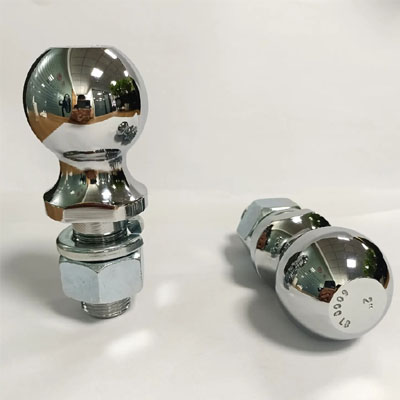
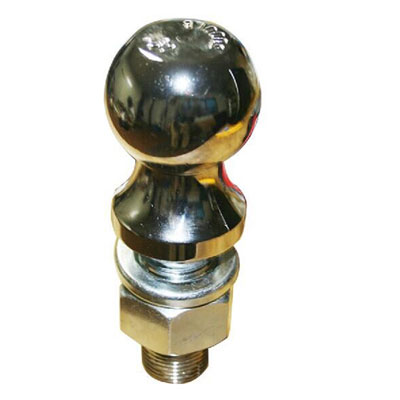
Choosing the right trailer hitch ball is a critical decision for safe towing, whether you’re hauling a small utility trailer or a heavy gooseneck rig. This comprehensive guide explains standard sizes, material pros and cons, and practical tips to ensure you select the best tow ball for your needs. With insights from industry standards and trusted sources, you’ll avoid common mistakes and tow with confidence
Understanding Standard Trailer Hitch Ball Sizes
Trailer hitch balls are standardized by three key factors: diameter, shank size, and weight capacity. Here’s a breakdown of the most common sizes and their applications:
1. 1-7/8-Inch Hitch Ball
- Typical Use:
- Lightweight towing: Small utility trailers, jet skis, motorcycle trailers.
- Maximum Capacity: 3,500 lbs (1,588 kg).
- Shank Size:
- 3/4″ or 1″ diameter, compatible with Class I/II hitches.
- Why It Matters:
- A mismatched ball (e.g., using a 2″ ball with a 1-7/8″ coupler) can cause dangerous trailer sway or detachment.
2. 2-Inch Hitch Ball
- Typical Use:
- Mid-sized trailers: Boat trailers, enclosed cargo trailers, horse trailers.
- Maximum Capacity: 10,000–14,000 lbs (4,536–6,350 kg).
- Shank Size:
- 1″ or 1-1/4″ diameter, suited for Class III/IV hitches.
- Pro Tip:
- Most versatile size for general towing but always check your trailer coupler’s stamped size.
3. 2-5/16-Inch Hitch Ball
- Typical Use:
- Heavy-duty towing: Gooseneck trailers, fifth-wheel RVs, construction equipment.
- Maximum Capacity: Up to 30,000 lbs (13,608 kg).
- Shank Size:
- 1-1/4″ or larger, requiring a Class IV/V hitch system.
- Safety Note:
- Heavy loads demand SAE J684-certified balls to handle dynamic stress.
How to Choose the Right Hitch Ball
Match the Ball to Your Trailer Coupler
- Measure the Coupler:
- Use calipers to check the inner diameter of the trailer coupler. Most couplers are stamped with their size (e.g., “2””).
- Avoid Mixing Sizes:
- Even a 1/16-inch mismatch can compromise stability. For example, a 2″ ball in a 2-5/16″ coupler creates excessive play.
Verify Your Vehicle’s Hitch Class
- Hitch Classes Explained:
- Class I/II: For cars and SUVs, max 3,500 lbs (1-7/8″ ball).
- Class III/IV: For trucks and heavy SUVs, supports 2″ or 2-5/16″ balls.
- Class V: Heavy-duty trucks, designed for 2-5/16″ balls and extreme loads.
- Check Your Manual:
- Your vehicle’s towing capacity and hitch class are listed in the owner’s manual or on the hitch label.
Select the Right Material
The material determines durability, corrosion resistance, and load capacity:
- Forged Steel
- Strength: Highest load capacity (up to 30,000 lbs). Ideal for heavy-duty towing.
- Durability: Resists deformation under stress.
- Drawbacks: Prone to rust without coatings. Requires regular greasing.
- Best For: Trucks, agricultural equipment, and frequent heavy hauling.
- Stainless Steel
- Corrosion Resistance: Perfect for saltwater environments or humid climates.
- Aesthetic: Polished finish resists stains and scratches.
- Limitations: Slightly lower strength than forged steel; higher cost.
- Best For: Marine trailers, RVs, and long-term outdoor use.
- Galvanized Steel
- Protection: Zinc coating provides moderate rust resistance at a lower cost.
- Maintenance: Coating may wear over time, exposing steel to corrosion.
- Best For: Moderate towing in rainy or snowy conditions.
- Aluminum
- Lightweight: Easy to install and ideal for small trailers.
- Rustproof: Suitable for wet environments but limited to light loads.
- Capacity: Max 3,500 lbs; not recommended for heavy-duty use.
- Best For: Jet skis, ATV trailers, or occasional towing.
Confirm Shank Size and Weight Ratings
- Shank Diameter:
- Must fit snugly into the hitch receiver. Common sizes: 3/4″, 1″, or 1-1/4″.
- Weight Ratings:
- Gross Trailer Weight (GTW): Total weight of trailer + cargo.
- Tongue Weight: 10–15% of GTW. Ensure the ball’s capacity exceeds both.
Maintenance and Safety Tips
- Grease the Ball: Reduces friction and prevents rust (especially for forged/galvanized steel).
- Inspect Regularly: Look for cracks, pitting, or corrosion. Replace damaged balls immediately.
- Avoid Welding Repairs: Compromises structural integrity. Always replace, don’t repair.
- Use Safety Chains: Backup security in case of coupler failure.
If you need to order in bulk or customize trailer hitch balls, click here
Related Products