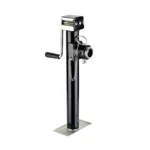
Introduction: Why Proper Jack Bar Use Matters
Every year, cargo shifting during transit causes accidents, damages goods, and leads to costly delays. A jack bar is one of the simplest yet most effective tools for preventing load movement in enclosed trailers. But using it incorrectly can be just as dangerous as not using one at all.
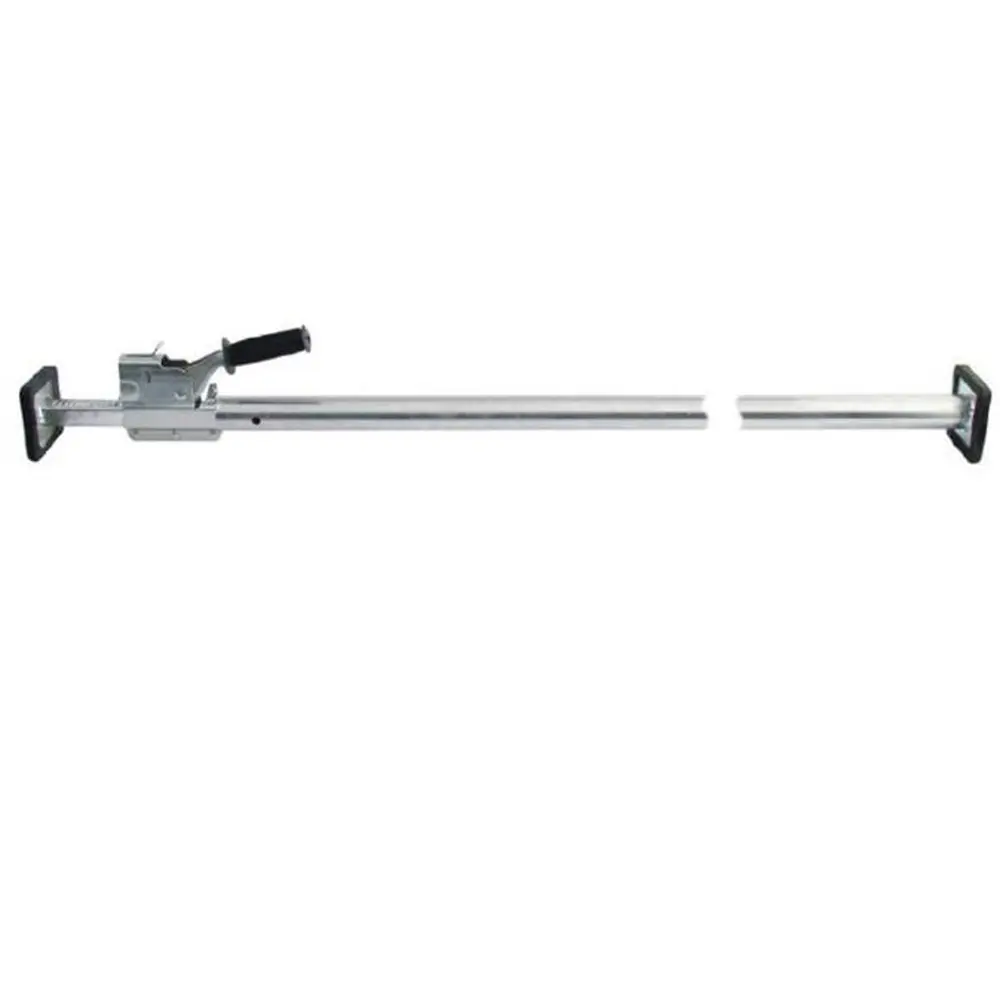
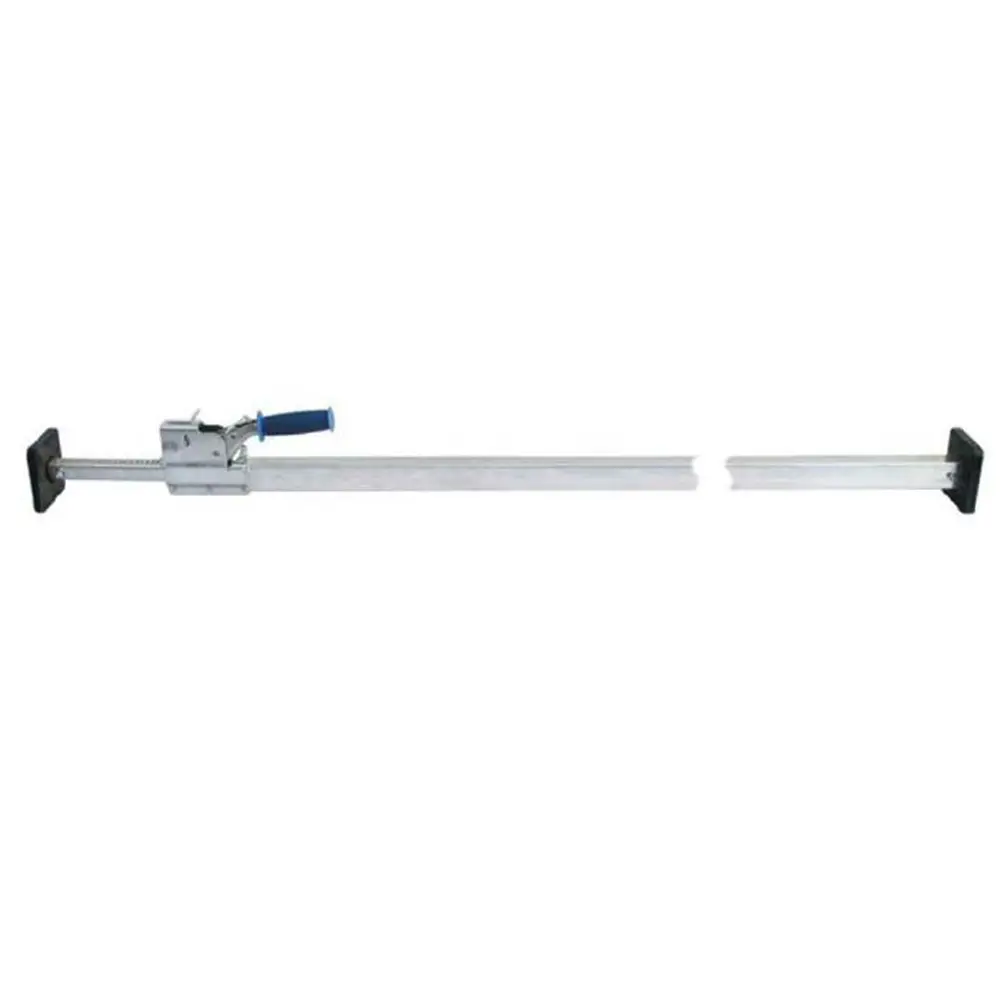
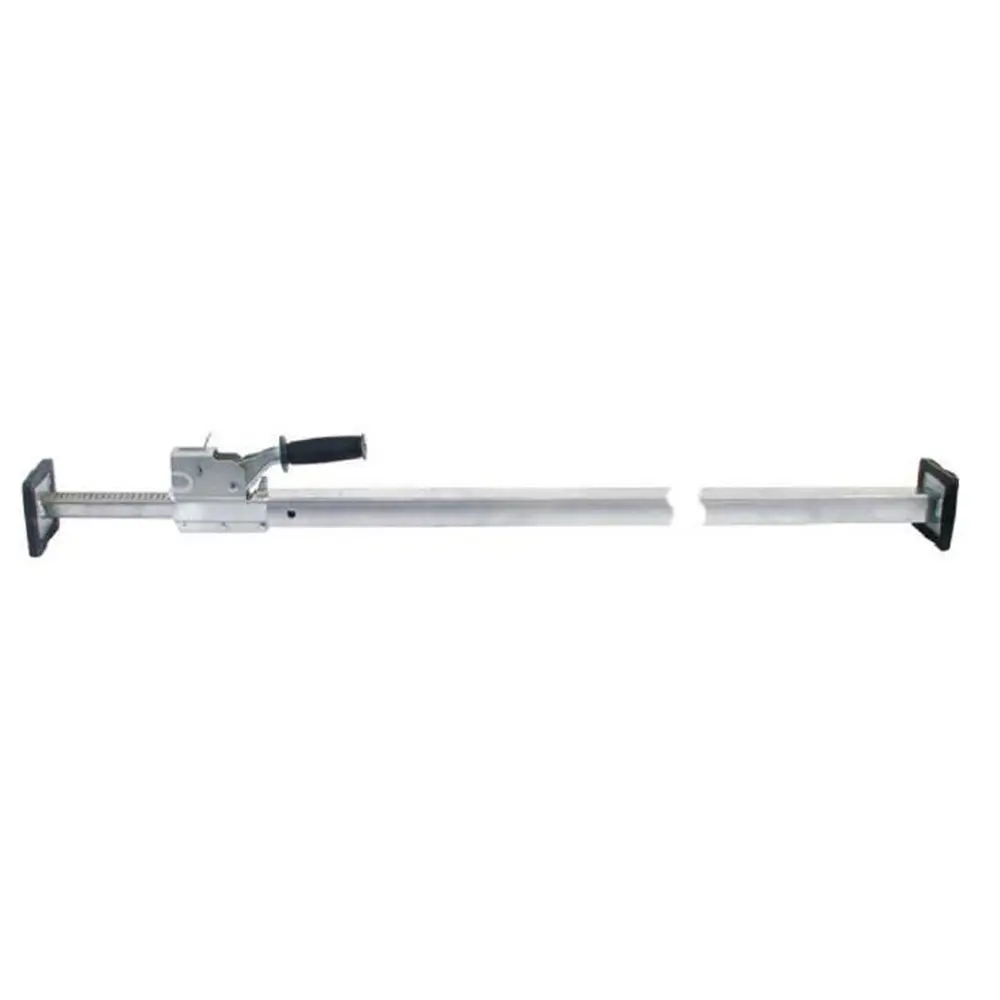
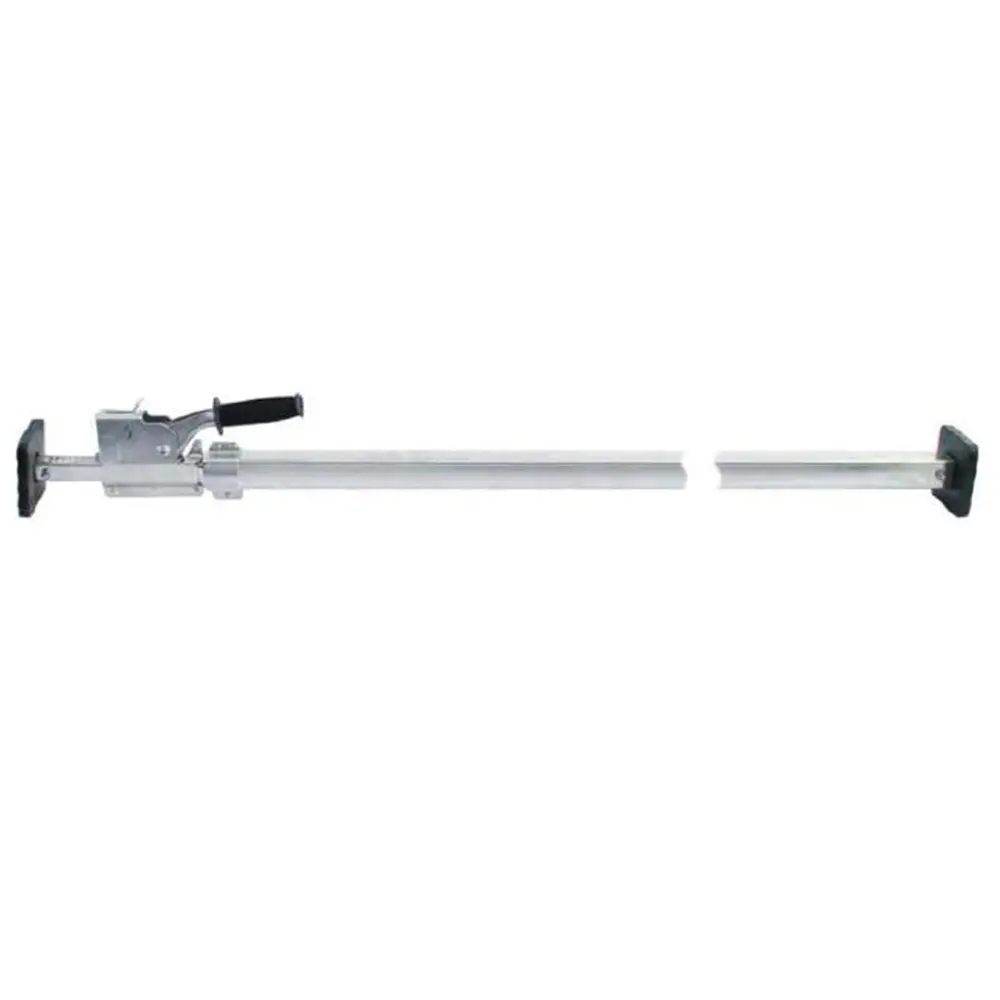
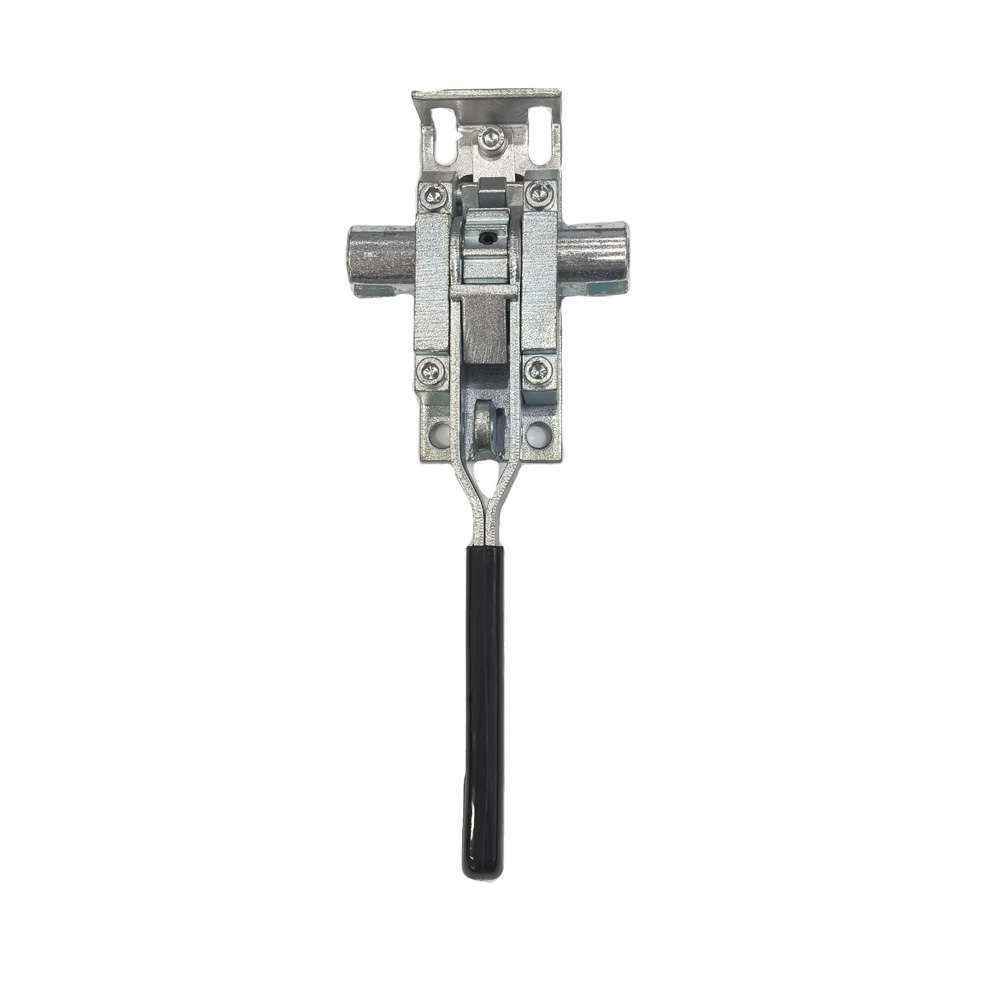
Jack bars, also known as load jacks or cargo bars, are equipped with a telescoping mechanism that allows for easy adjustment and securement . They work by applying outward pressure against trailer walls to keep cargo in place . Understanding how to select, position, and maintain these tools is essential for every fleet operator and driver.
In this step-by-step guide, we’ll cover everything you need to know about using a load bar safely and effectively.
Step 1: Choose the Right Jack Bar for Your Application
Before you even step into the trailer, you need the right tool for the job.
Length and Adjustment Range
Load jacks come in various adjustment ranges. For example, Ancra’s universal load bar offers three ranges: 51″–80″ fully retracted, 70″–99″ mid-extension, and 85″–114″ full extension . This versatility allows one bar to fit multiple trailer sizes.
Common adjustment ranges include:
-
46″–61″ for narrow trailers
-
85″–114″ for standard dry vans
-
86″–119″ for wider applications
Material and Construction
Jack bars are typically made from steel or aluminum. Steel bars offer higher strength but are heavier. Aluminum bars are lighter and easier to handle—a 1.5″ aluminum cargo bar weighs about 3.9 kg compared to 5.1 kg for a comparable steel bar .
Square vs. Round Tube
Both square and round tube designs are available. Square tubes generally offer better resistance to twisting, while round tubes may be lighter. The choice often comes down to personal preference and specific application requirements.
Feet Options
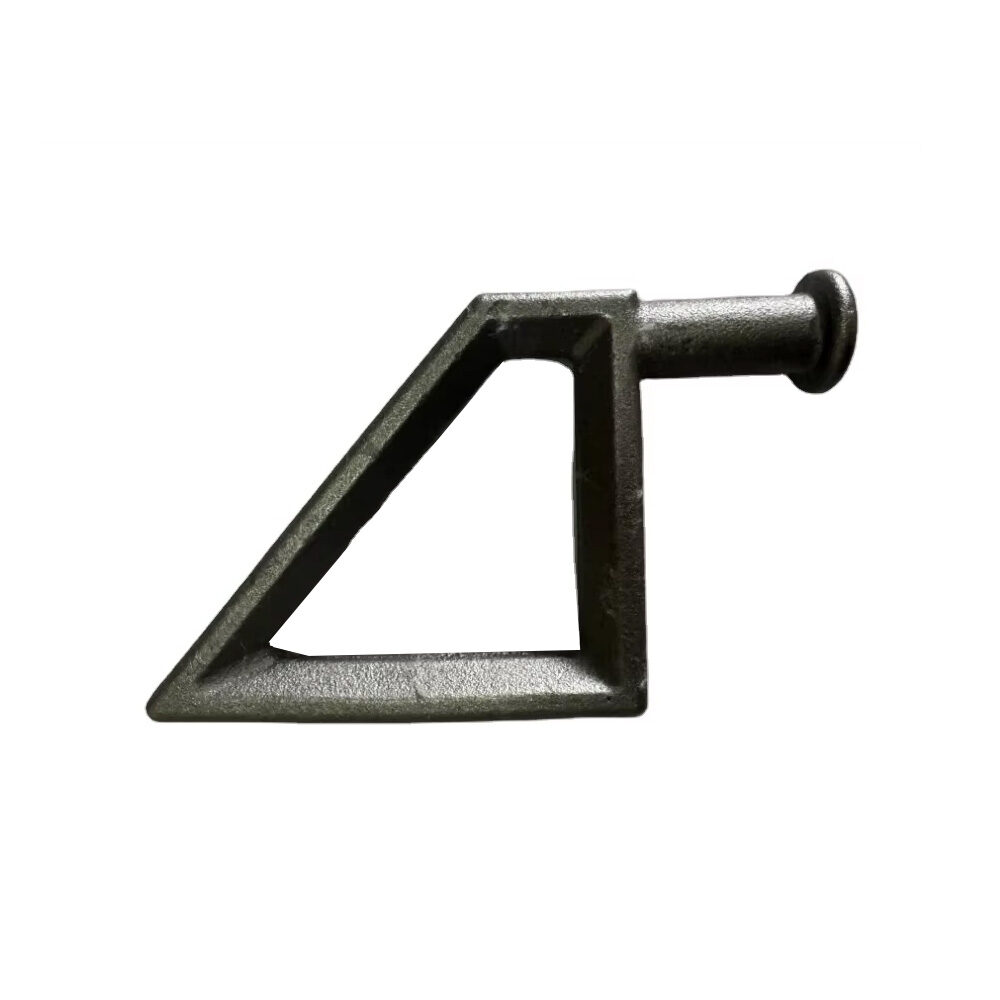
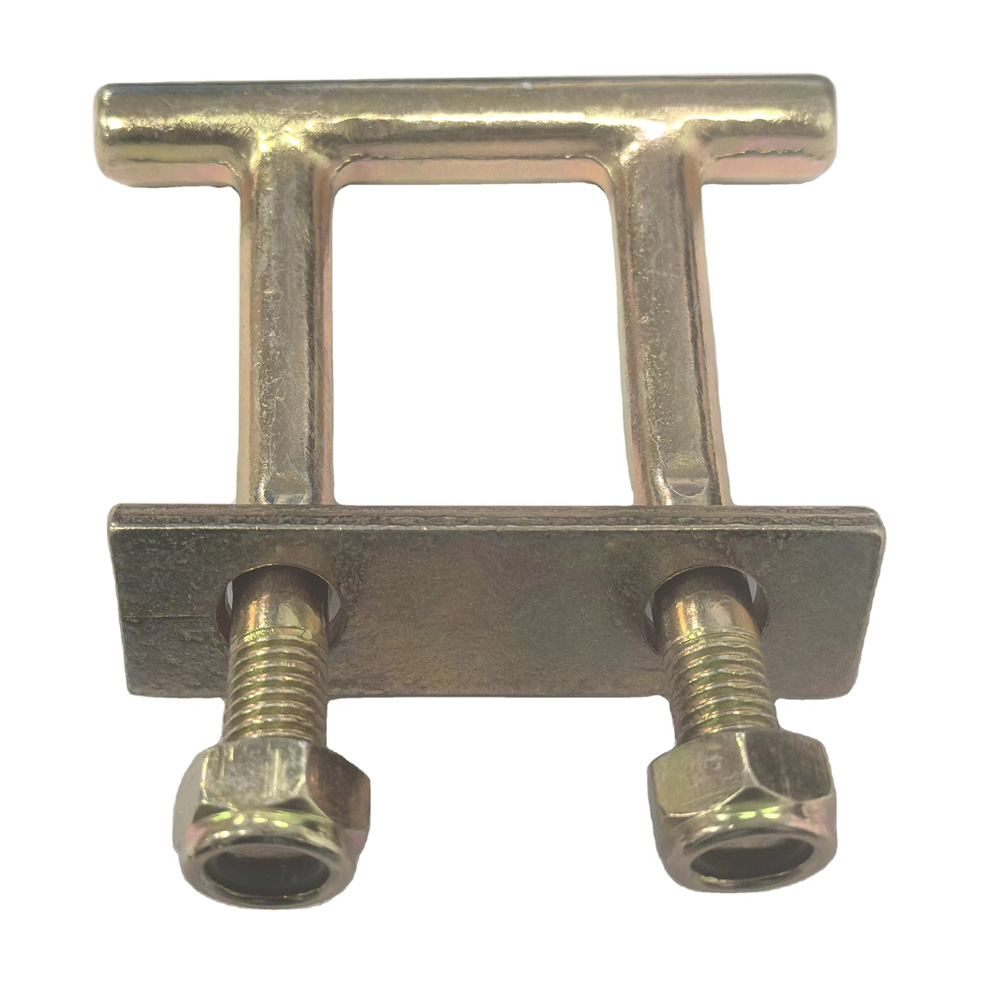
Feet assemblies come in bolt-on or weld-on configurations. Bolt-on feet allow for easy replacement when worn, while weld-on feet provide a more permanent solution . Standard foot size is typically 4″ x 4″ for positive gripping action .
Step 2: Inspect Your Cargo Stabilizer Bar Before Each Use
Never use a damaged load jack. Before each use, conduct a visual inspection:
-
Check for Damage: Look for cracks, bends, or deformation in the tubing
-
Inspect the Feet: Ensure rubber or metal pads are intact and not worn smooth
-
Test the Mechanism: The jack or ratchet mechanism should operate smoothly without binding
-
Check for Rust: Corrosion can weaken the bar or cause mechanisms to seize
-
Verify All Components: Ensure bolts and pins are present and secure
If you find any damage, do not use the bar. Replace worn parts—repair kits are available, including housing assemblies with 27″ racks and 4″ x 4″ bolt-on feet .
Step 3: Position the Cargo Correctly
A jack bar is only effective if the cargo is properly organized first.
-
Secure Lower Loads First: Place heavier items on the floor of the trailer
-
Stack Strategically: Distribute weight evenly across the trailer floor
-
Leave Space for the Bar: Ensure there is adequate clearance between cargo and side walls for the bar feet
Proper cargo arrangement prevents shifting before the jack bar is even applied.
Step 4: Place the Truck Cargo Bar Against the Cargo
Positioning is critical for effective securement.
-
Select the Right Height: Position the bar at the appropriate height to hold the cargo firmly without damaging it
-
Angle the Bar: Place it at the correct angle against the cargo for maximum contact
-
Ensure Solid Contact: Both feet should make full contact with the trailer walls or cargo
For securing odd-shaped or larger cargo, consider using a jack bar with hoops to create a larger surface area and prevent sliding .
Step 5: Adjust and Apply Tension
This is where the “jack” mechanism comes into play.
-
Extend the Bar Manually: First, pull the bar to approximate length, then use the jack mechanism
-
Pump the Handle: Like a cargo bar, pump the handle to extend the bar against the trailer walls
-
Apply Even Pressure: Create tension against the cargo. Apply enough pressure to prevent movement, but avoid over-tightening, which could damage cargo or trailer walls
-
Check the Feet: Ensure feet remain firmly planted against the walls
Warning: Load jacks do not have standardized Working Load Limits (WLL) because trailer wall construction varies significantly . Never rely on a cargo bar as the sole securement method for heavy cargo.
Step 6: Secure and Verify
-
Lock the Mechanism: Ensure the jack or ratchet mechanism is fully engaged
-
Test for Movement: Push on the cargo to confirm it does not shift
-
Check Bar Stability: The bar should not move or rotate when pushed
If the bar feels loose, repeat the adjustment process.
Step 7: Regular Checks During Transit
Cargo can shift during transport due to road conditions and braking.
-
Check at Stops: Inspect cargo bars during fuel stops and rest breaks
-
Retighten if Needed: If you notice any looseness, reapply tension
-
Monitor for Damage: Look for signs of wear or failure during transit
Important Safety Warnings
Never Overload a Jack Bar: Jack bars are designed for light to medium-duty cargo applications . Do not use them to secure heavy machinery or vehicles on wheels—cargo on wheels exerts more force when shifting and can cause friction-type cargo bars to fail .
Avoid Vertical Stacking: Do not place cargo bars in close vertical alignment with each other. Installation of one bar may cause the previously installed bar to loosen and fall, damaging cargo or causing injury .
Use Multiple Securement Methods: cargo bars should be used alongside straps, ropes, or other tie-downs for maximum cargo security.
Store Properly: When not in use, store cargo bars in a secure, designated location to prevent damage and ensure they remain in good condition .
Replacement and Repair
Load bars can be repaired rather than replaced in many cases. Replacement parts are available, including:
-
Weld-on feet
-
Bolt-on rubber feet
-
Replacement handles
-
Housing assemblies
For older bars with worn mechanisms, a replacement Cargo Bar housing assembly can restore functionality without buying a complete new unit .
The HangCheng Advantage
At HangCheng, we understand that proper cargo securement starts with reliable equipment and correct usage. Our jack bars are engineered with high-quality materials and precision mechanisms for consistent performance.
We offer a full range of load bars, including:
-
Square and round tube designs to suit different preferences
-
Multiple adjustment ranges for various trailer sizes
-
Bolt-on and weld-on feet options
-
Replacement parts for extending equipment life
Need a custom length or specific configuration? Our full-cycle design-to-manufacturing capability ensures we can deliver exactly what your operation requires. Contact us for a free consultation on selecting the right jack bar for your fleet.
Contact us for more information; bulk orders enjoy discounts.
Related Products