Introduction: The Critical Link in Your Stack
In the high-stakes world of container logistics, where towering stacks of cargo represent millions in value and immeasurable safety responsibility, one small component bears the weight of it all: the Container-Drehverschluss. A proper stack is a symphony of precision; a failure is a catastrophe. For crane operators, stevedores, and yard managers, mastering the correct use of twist lock isn’t just procedure—it’s the absolute foundation of container stacking safety.
This definitive guide moves beyond basic definitions. It’s a professional’s manual focused on the correct procedures for using twist locks in container stacking operations. We will dissect the correct handling, locking, and verification processes, highlight fatal yet common errors, and provide a clear protocol to ensure every stack you build is structurally sound and secure.
Part 1: The Foundation – Understanding Twist Lock for Container Stacking
Before giving a command or lifting a box, understanding your tool is paramount.
Core Function & Principle:
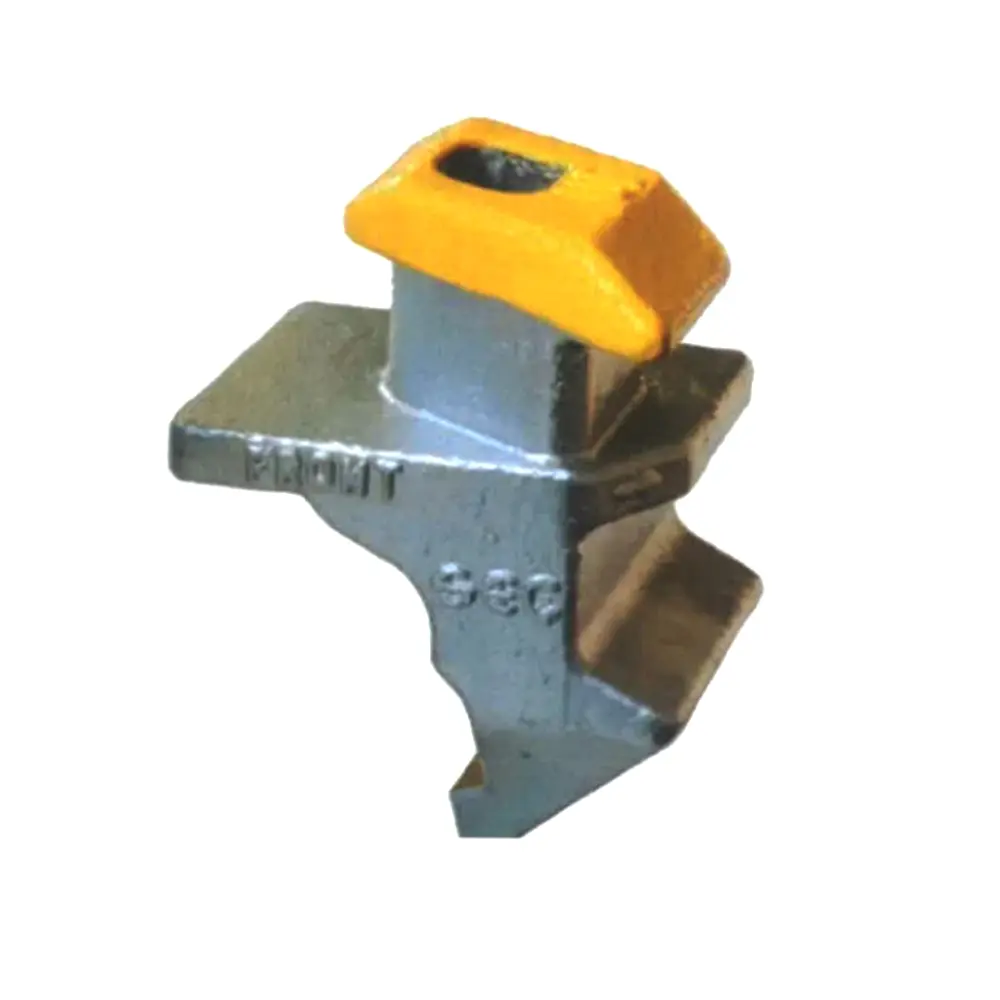
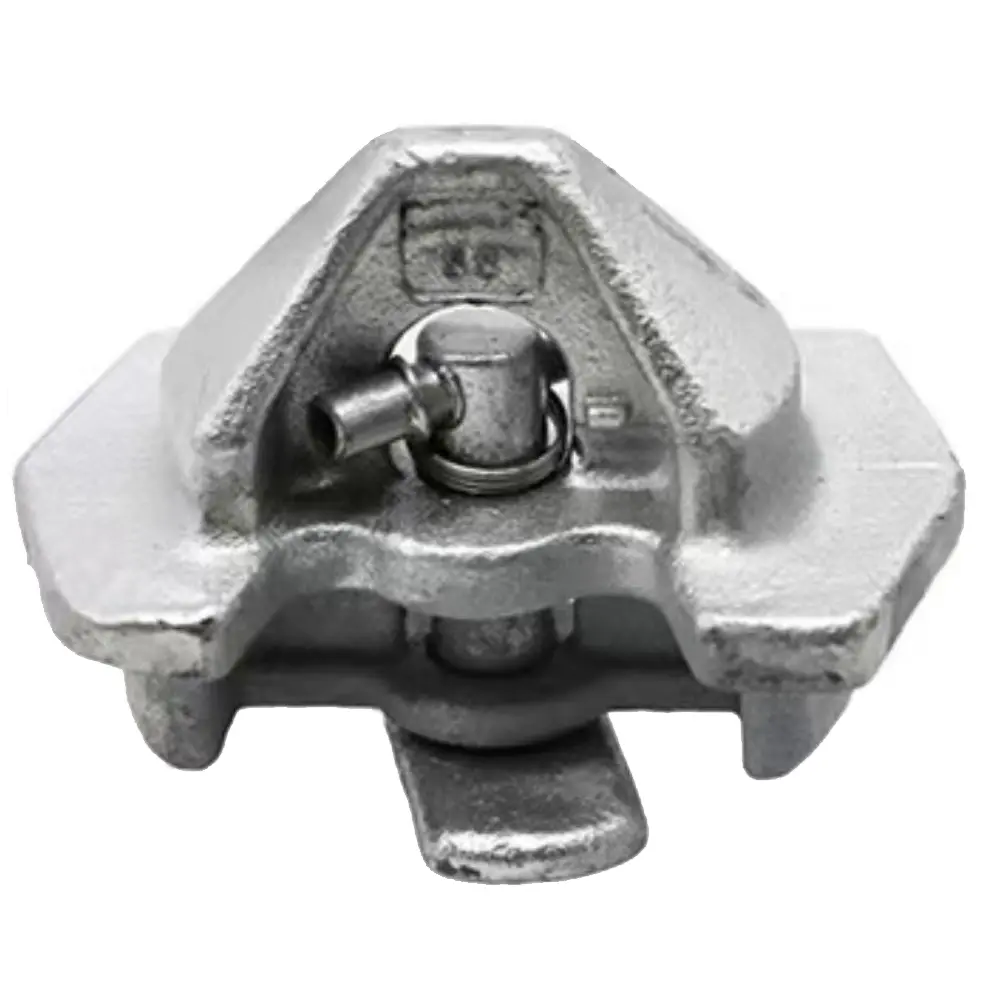
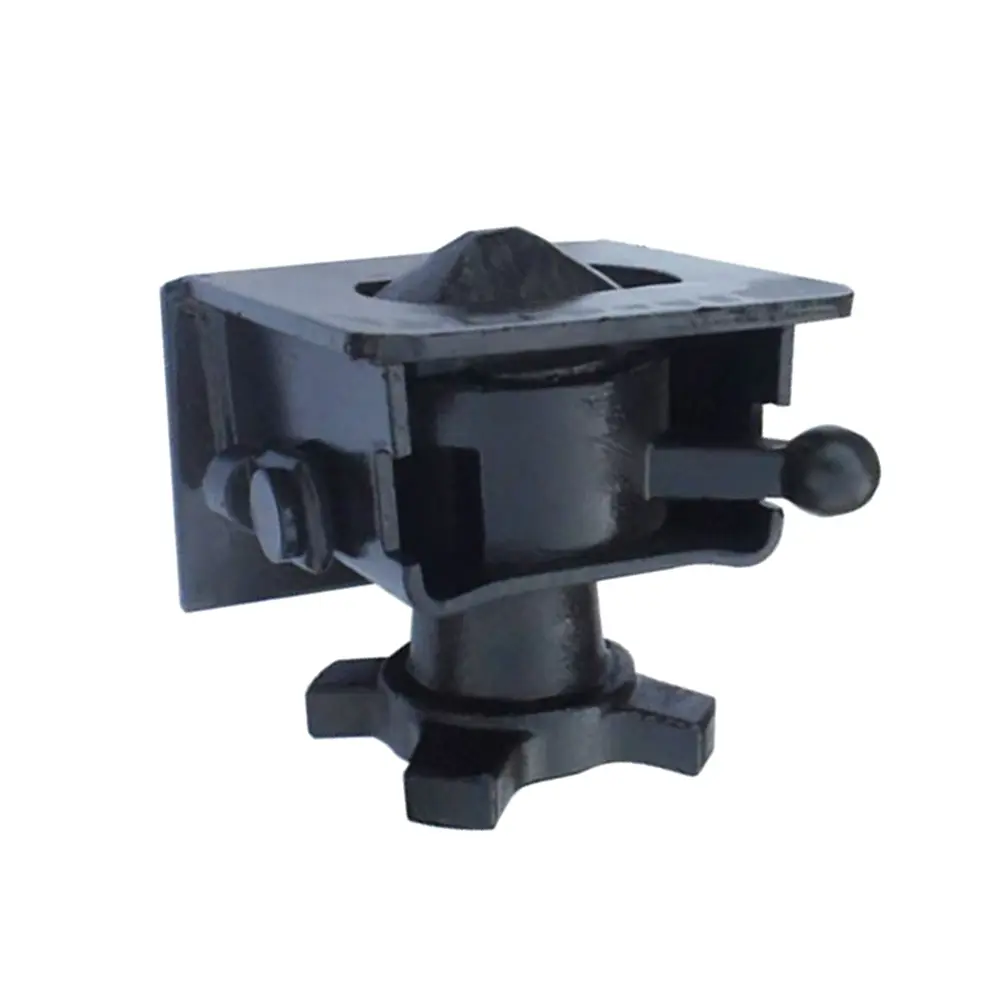
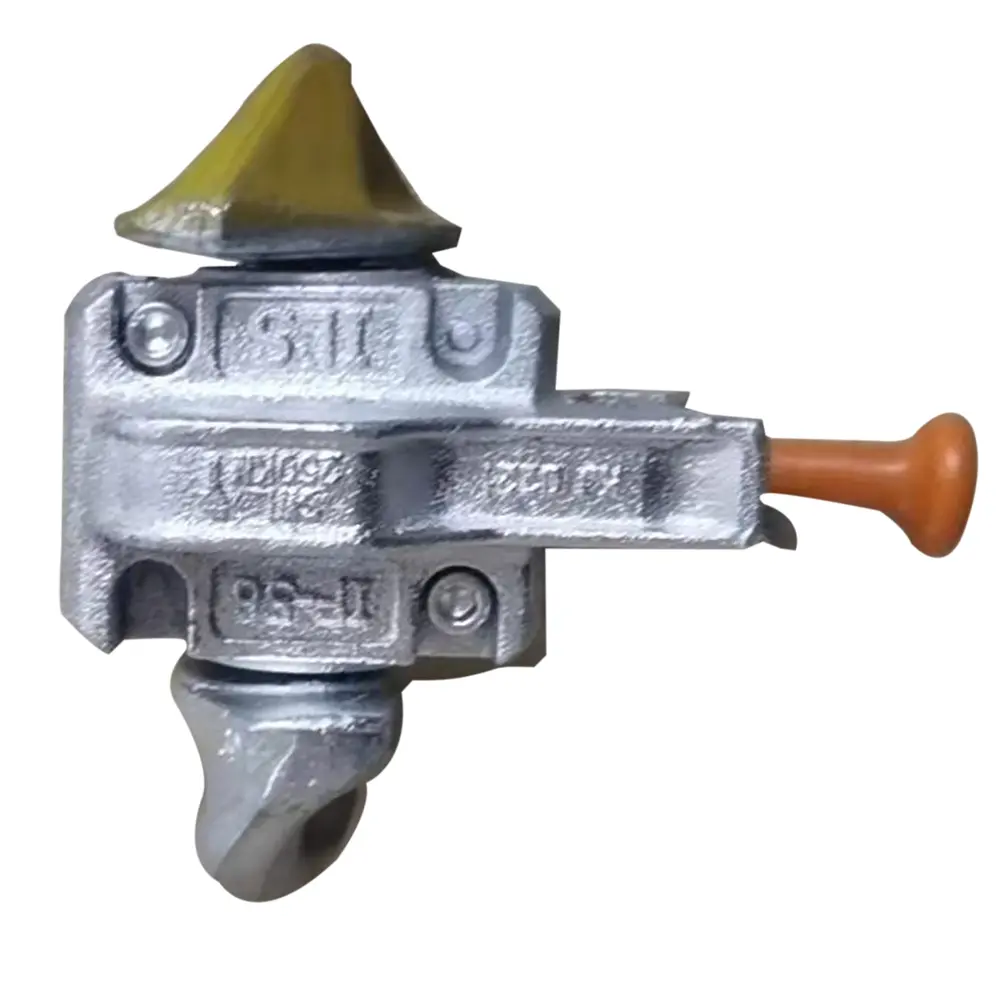
A twist lock is a simple yet critical device that mechanically connects corner castings of containers. When engaged correctly, it transforms individual units into a single, rigid structure capable of withstanding the immense forces of ocean transit—wind, waves, and dynamic motion.
Types Relevant to Stacking:
-
Manual Twist Locks: The most common type for yard stacking. Operators must manually insert and rotate the head (typically 90°) to lock it. They are carried to the corners by the spreader or by hand.
-
Semi-Automatic Twist Locks: These lock automatically upon the weight of the container being set down but require manual release. They improve speed but demand rigorous inspection to confirm full engagement.
-
Automatic Twist Locks: Used primarily on vessel cell guides. They engage and disengage without manual intervention, but their status must be reliably monitored by the system.
Key Terminology:
-
Head: The rotating part that locks into the container’s bottom corner casting.
-
Basis/Schaft: The stem that sits in the top corner casting of the container below.
-
Visual Indicator: A mark (like a line or arrow) showing whether the head is in the “LOCK” or “UNLOCK” position.
Part 2: The Professional’s Protocol – Step-by-Step Stacking Procedure
Follow this sequence for every single container placed. Consistency is safety.
Phase 1: Pre-Stack Preparation & Inspection
-
Step 1: Inspect the Receiving Surface.
-
Ensure the bottom container’s top corner castings are clean, free of damage, ice, or debris. A deformed casting will prevent proper lock seating.
-
Verify the stack is level and stable before adding another tier.
-
-
Step 2: Inspect the Twist Locks.
-
Visual Check: Look for cracks, excessive rust, or deformation, especially on the head and shank.
-
Function Test: Manually rotate the head. It must turn smoothly through its full range (usually 90°) and lock positively without slipping. The spring mechanism (if present) must provide firm resistance.
-
Regel: If in doubt, take it out. A defective lock must be removed from service immediately.
-
Phase 2: Correct Positioning & Placement
-
Step 3: Position Locks in Bottom Container.
-
For the container that will be on the bottom, insert the base of the twist lock into its top corner castings. Ensure it sits fully seated.
-
Manually set the head to the “UNLOCK” position (often indicated by the head’s ears aligned with the base).
-
-
Step 4: Lower the Top Container.
-
The spreader lowers the new container. As its bottom corner castings descend over the waiting twist lock heads, guide the process to ensure alignment.
-
The weight of the container will seat itself onto the locks.
-
Phase 3: The Critical Locking Action
-
Step 5: Engage the Twist Locks.
-
Once the container is fully seated (and spreader weight is typically released), the lock heads must be rotated to the “LOCK” position.
-
For Manual Locks: An operator uses a tool (locking rod) or, if accessible, manually rotates each head 90 degrees until it stops. A clear, solid “clunk” should be felt.
-
For Semi-Autos: The action is automatic upon loading. This does not eliminate the verification step.
-
-
Step 6: Visual & Physical Verification (The Most Important Step).
-
Visually confirm each head’s indicator shows “LOCK.”
-
Physically test by attempting to move the head slightly in the opposite direction. A properly locked head will not move. This “tug-test” is non-negotiable.
-
All four corners must be verified. Three out of four is a failure.
-
Phase 4: Unstacking – The Reverse with Equal Caution
-
Step 7: Unlocking.
-
Prior to connecting the spreader, rotate all twist lock heads back to the “UNLOCK” position.
-
Verify all are unlocked before signaling for lifting to begin.
-
-
Step 8: Lift-Off Inspection.
-
As the container is lifted, observe the twist locks disengage cleanly. Any snagging or resistance indicates a problem.
-
Part 3: Common Stacking Errors & How to Prevent Catastrophe
Failure often follows these predictable, preventable errors:
-
„One-Turn“-Verriegelung: The head is only partially rotated (e.g., 45°), creating a false sense of security. The lock is not engaged and will fail under shear force.
-
Verhütung: Always rotate fully until it stops. Use locks with bright, unambiguous visual indicators.
-
-
Mix-Matching-Schlosstypen: Using locks of different heights, strengths, or designs in the same stack creates uneven load distribution and weak points.
-
Verhütung: Implement a strict locker inventory and use only certified, matching sets for a given stack.
-
-
Ignoring Corner Casting Damage: Forcing a lock into a damaged, dented, or paint-clogged corner casting prevents full penetration and seating.
-
Verhütung:Ermöglichen Sie den Bedienern, den Betrieb zu stoppen und beschädigte Gussteile zu melden. Der Container muss vor dem Stapeln repariert werden.
-
-
Überspringen der physischen Überprüfung:Verlassen Sie sich ausschließlich auf eine visuelle Kontrolle aus der Ferne. Farbe, Rost oder Schmutz können die wahre Position verdecken.
-
Verhütung:Fordern Sie eine praktische Überprüfung an, sofern dies sicher möglich ist. Für Remote-Vorgänge verwenden SieVideoüberwachungoder Sperrstatussensoren.
-
-
Stapeln auf einer entsperrten Basis:Es wurde nicht sichergestellt, dass die Drehverschlüsse des unteren Containers (die ihn mit dem darunter liegenden Container verbinden) ordnungsgemäß eingerastet sind, bevor ein anderer darauf gestapelt wird.
-
Verhütung:Behandeln Sie jede Ebene als ihren eigenen kritischen Vorgang. Der gesamte Stapel ist nur so stark wie sein schwächstes Glied.
-
Teil 4: Best Practices für die Sicherheit von Werften und Schiffen
-
Wetterbewusstsein:Starke Winde erhöhen die seitlichen Belastungen der Schornsteine drastisch. Setzen Sie niedrigere Stapelhöhen ein oder unterbrechen Sie den Betrieb bei Unwettern.
-
Dokumentation & Schulung:Führen Sie Protokolle über Inspektionen und Vorfälle. Führen Sie regelmäßige, praktische Auffrischungsschulungen für alle am Stapeln beteiligten Mitarbeiter durch.
-
Investieren Sie in Qualität:Wählen Sie hochwertige Drehverschlüsse aus geschmiedetem Stahl von namhaften Herstellern wie zHangCheng. Suchen Sie nach Funktionen wie:
-
Klare, gestanzte visuelle Indikatoren(SPERREN/ENTSPERREN).
-
Korrosionsbeständige Beschichtungenfür Langlebigkeit in Meeresumgebungen.
-
Präzise Bearbeitungfür einen reibungslosen, zuverlässigen Betrieb ohne Blockierung.
-
Fazit: Sicherheit wird Schloss für Schloss gestapelt
Beim Stapeln von Containern gibt es keinen Spielraum für Fehler. Jeder korrekt eingerastete Drehverschluss ist ein Bekenntnis zu Sicherheit, Vermögensschutz und beruflicher Integrität. Indem Sie sich an ein diszipliniertes, überprüftes Verfahren halten und sich weigern, Abstriche zu machen, schützen Sie Leben, Fracht und den reibungslosen Ablauf des globalen Handels.
Verwandte Produkte