Introduction: The Hidden Weakness in Your Truck’s Security System
Every day, thousands of trucks haul valuable cargo down highways, over rough roads, and through loading docks. Their doors, toolboxes, and side panels rely on small but critical components: latches. Yet many fleet managers and truck owners overlook one fundamental question: Is the latch on my truck door or toolbox actually designed for the job?
Choose the wrong type, and you risk cargo spillage, theft, equipment damage, and even roadside accidents. Two of the most common—and most confused—latches in the trucking industry are the toggle latch and the draw latch. While they look similar, their mechanisms, strengths, and ideal applications are vastly different.
This guide will walk you through the key differences between toggle latches and draw latches, explain why the wrong choice can be costly, and help you select the right truck toggle latch or draw latch for your specific application.
Part 1: What Is a Toggle Latch? (Over Centre Latch Explained)
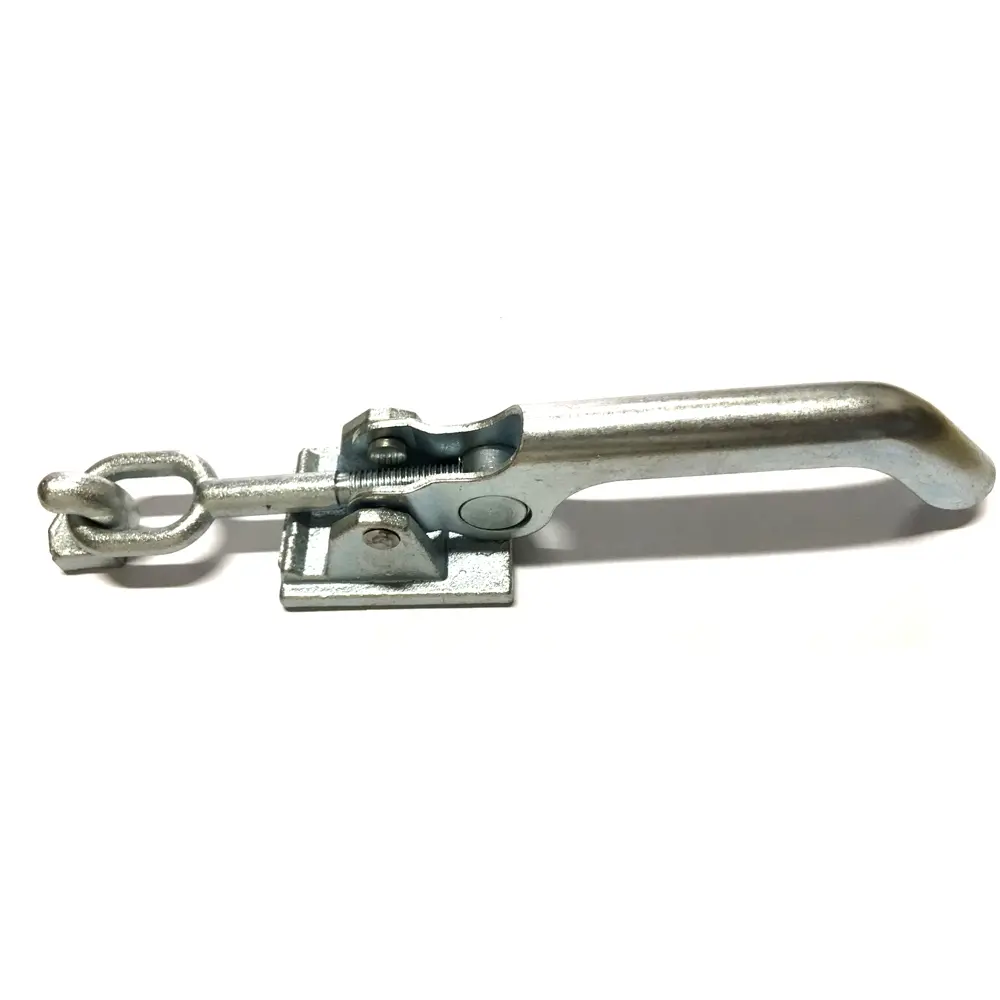
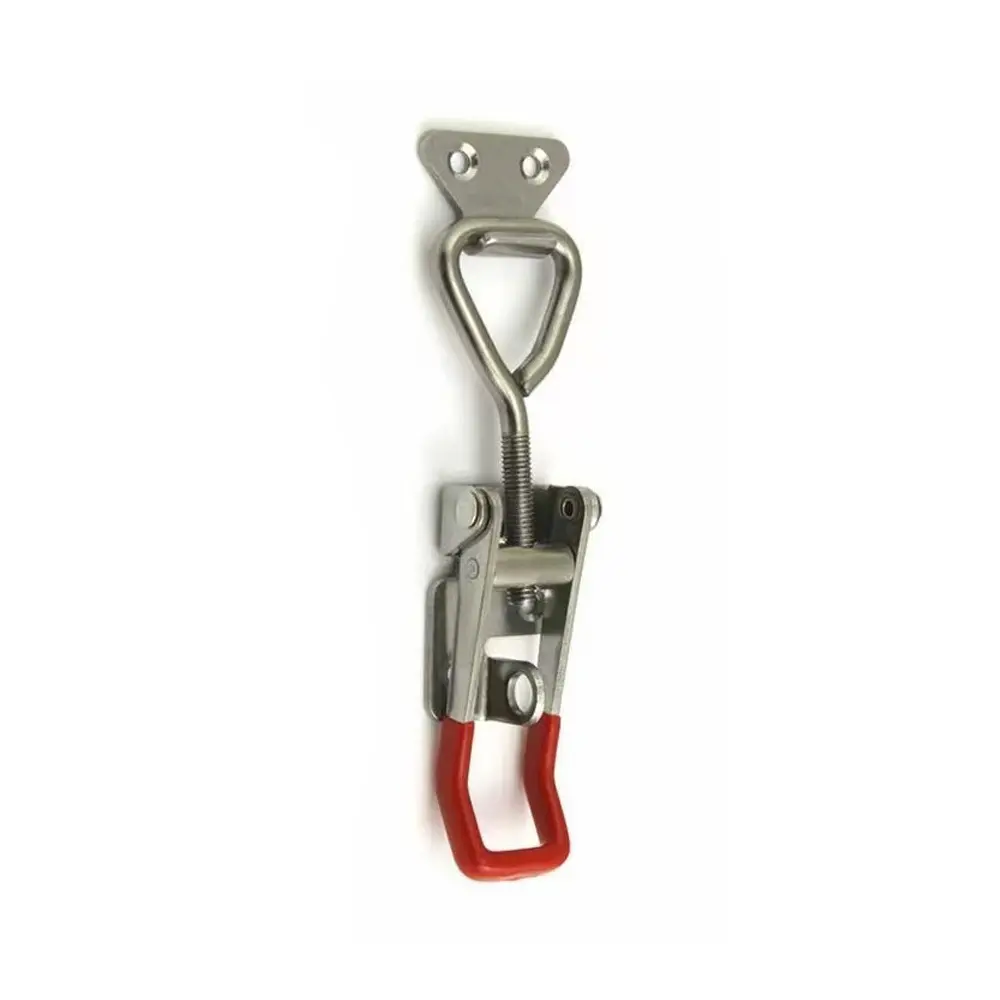
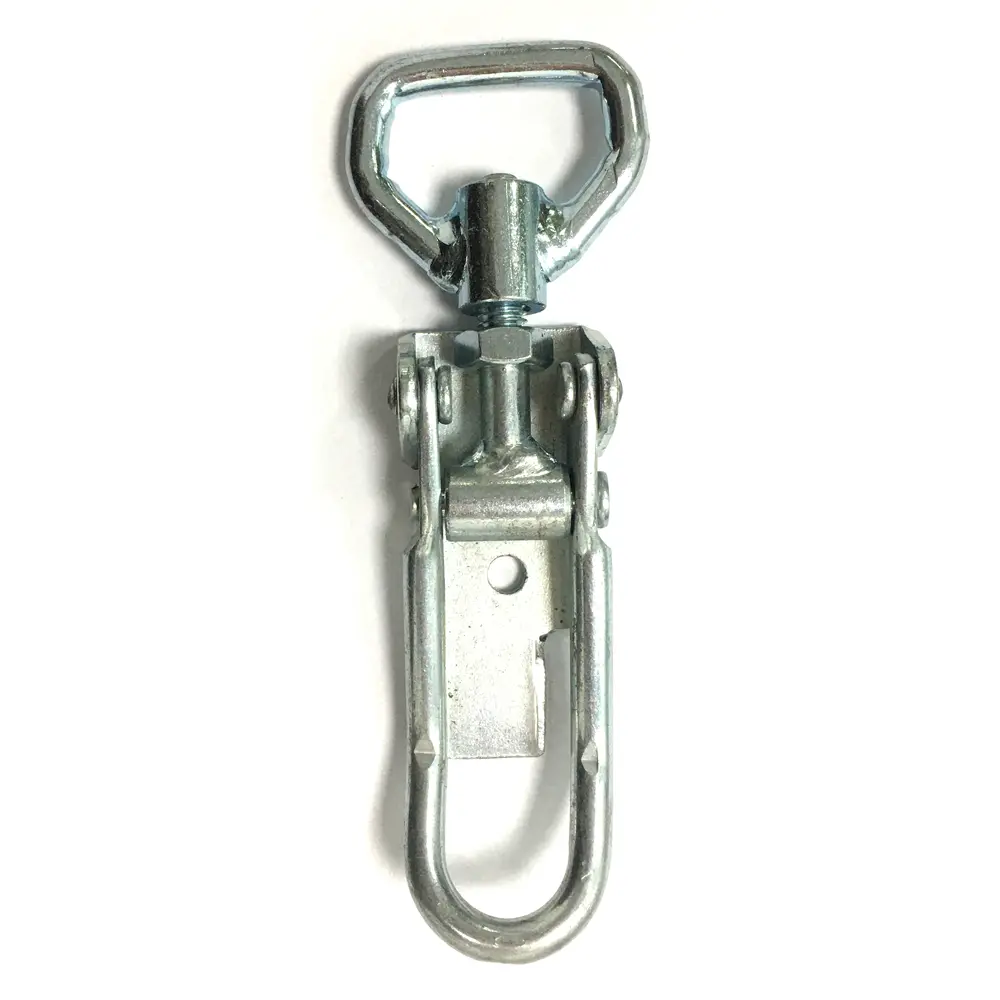
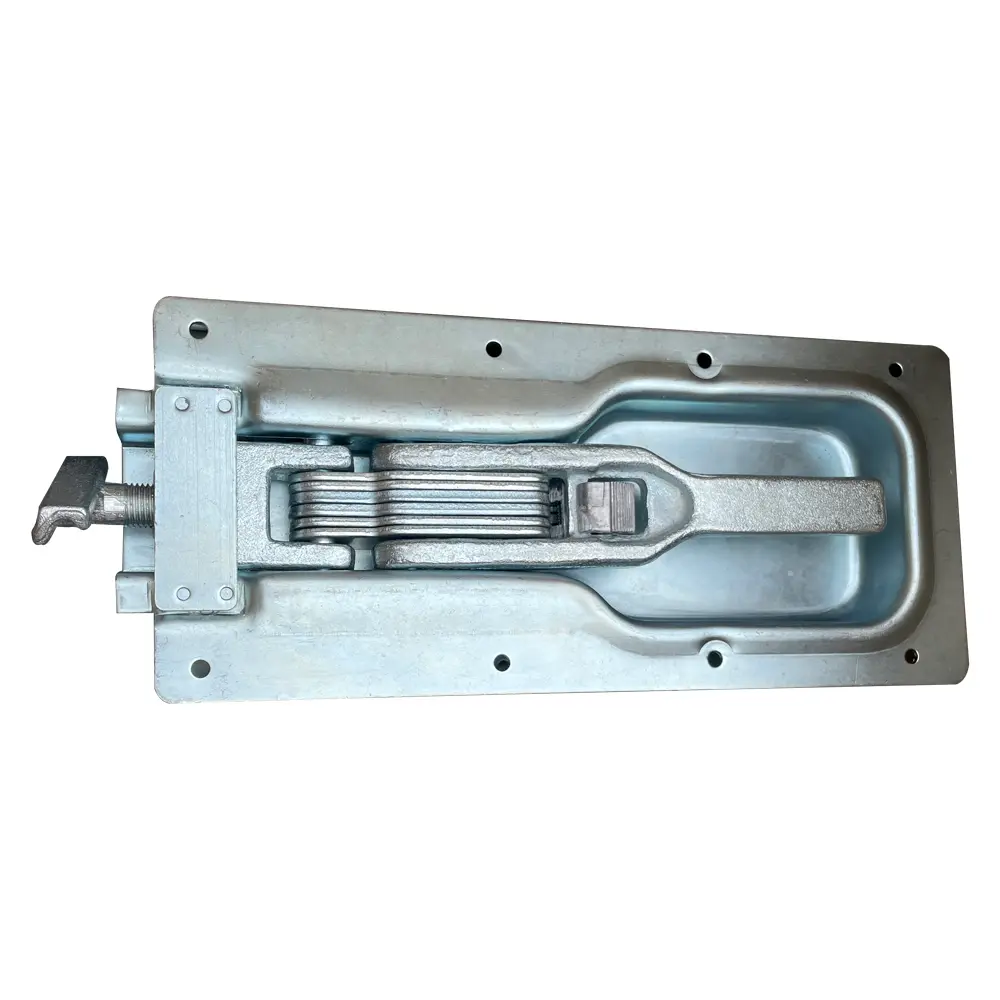
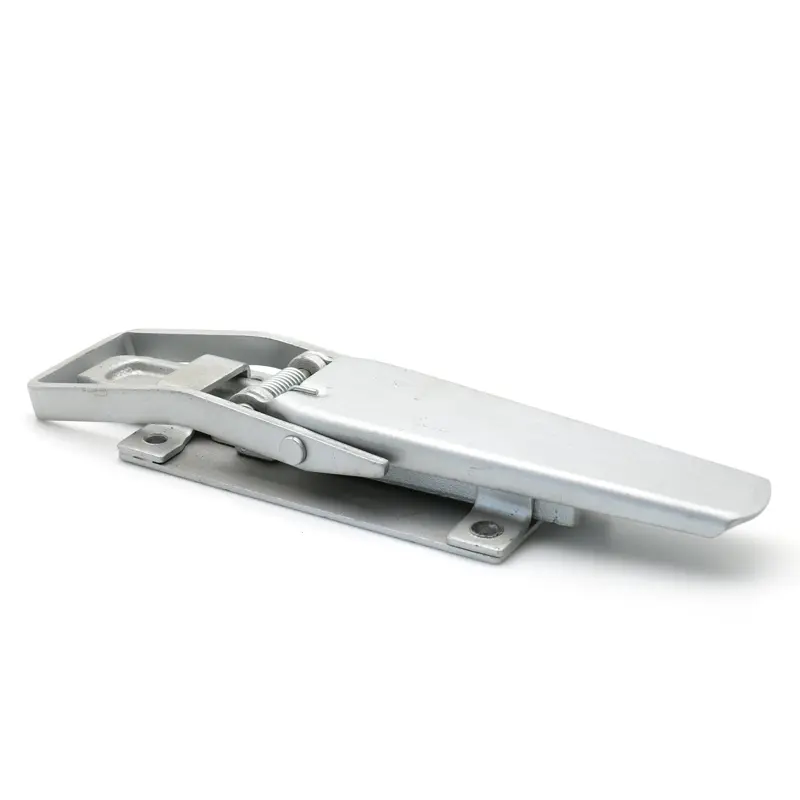
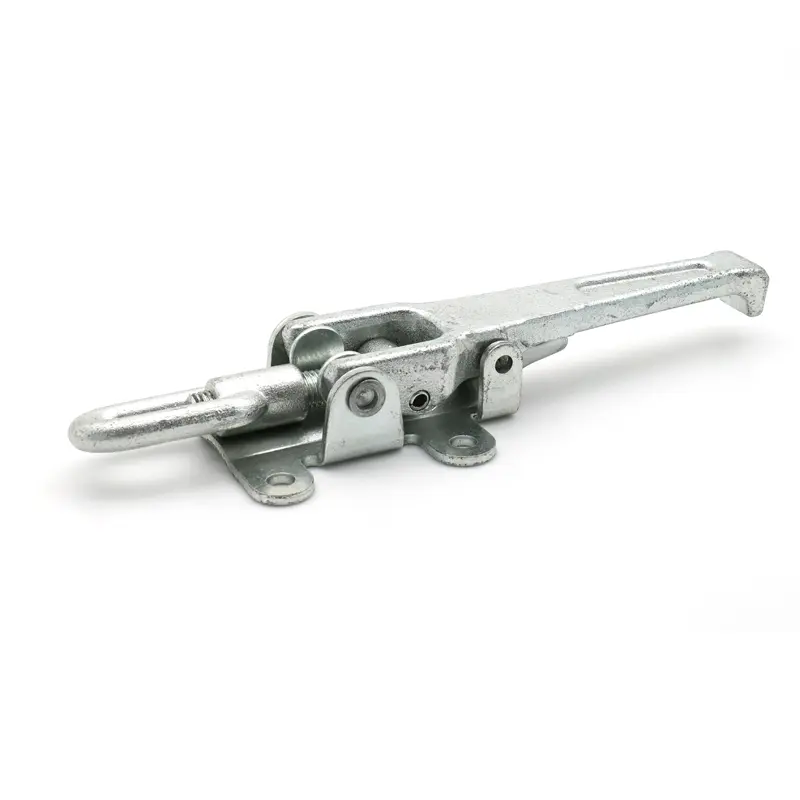
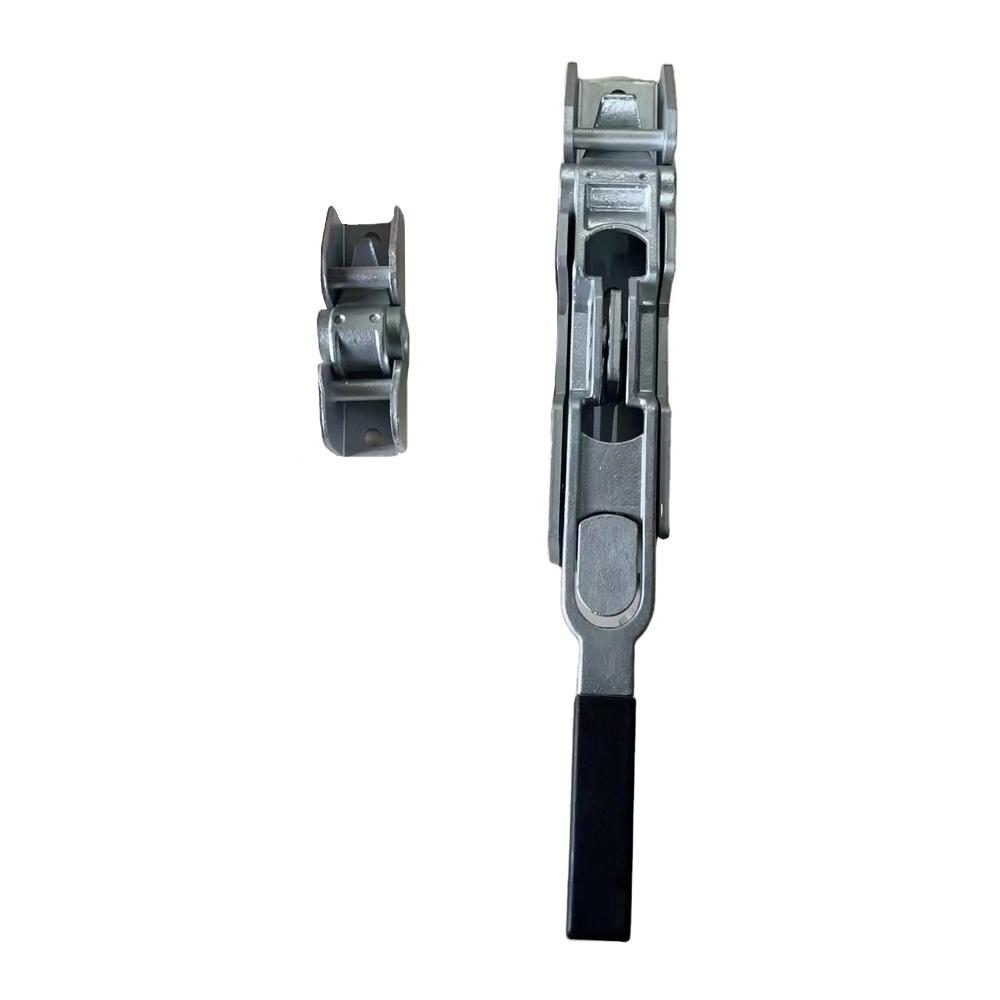
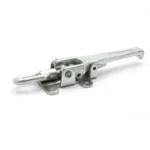
A toggle latch, also known as an over centre latch, is a mechanical fastener that uses a linkage system to pull two surfaces tightly together and lock them in place. The name “over centre” comes from the mechanism’s geometry: when closed, the linkage passes beyond its center point, creating a stable, locked position that resists opening without deliberate force.
How It Works:
-
The latch consists of a handle, a base plate, and a catch (or striker).
-
When you push the handle down, it rotates a linkage that pulls the catch toward the base.
-
At the fully closed position, the linkage moves “over centre,” meaning tension is maintained and the latch will not spring open under vibration or load.
Key Characteristics of a Truck Toggle Latch:
-
High clamping force: Excellent for sealing doors against gaskets or preventing rattling.
-
Vibration-resistant: The over-centre design ensures it stays locked even on rough roads.
-
Adjustable (on many models): Some toggle latches have an adjustable hook or threaded shaft to fine-tune tension.
-
Wide range of sizes: From small toolboxes to heavy-duty truck doors.
Common Truck Applications:
-
Toolbox lids
-
Truck sideboxes
-
Engine access panels
-
Drop sides on flatbed trailers
-
Refrigerated truck doors (to compress seals)
Part 2: What Is a Draw Latch?
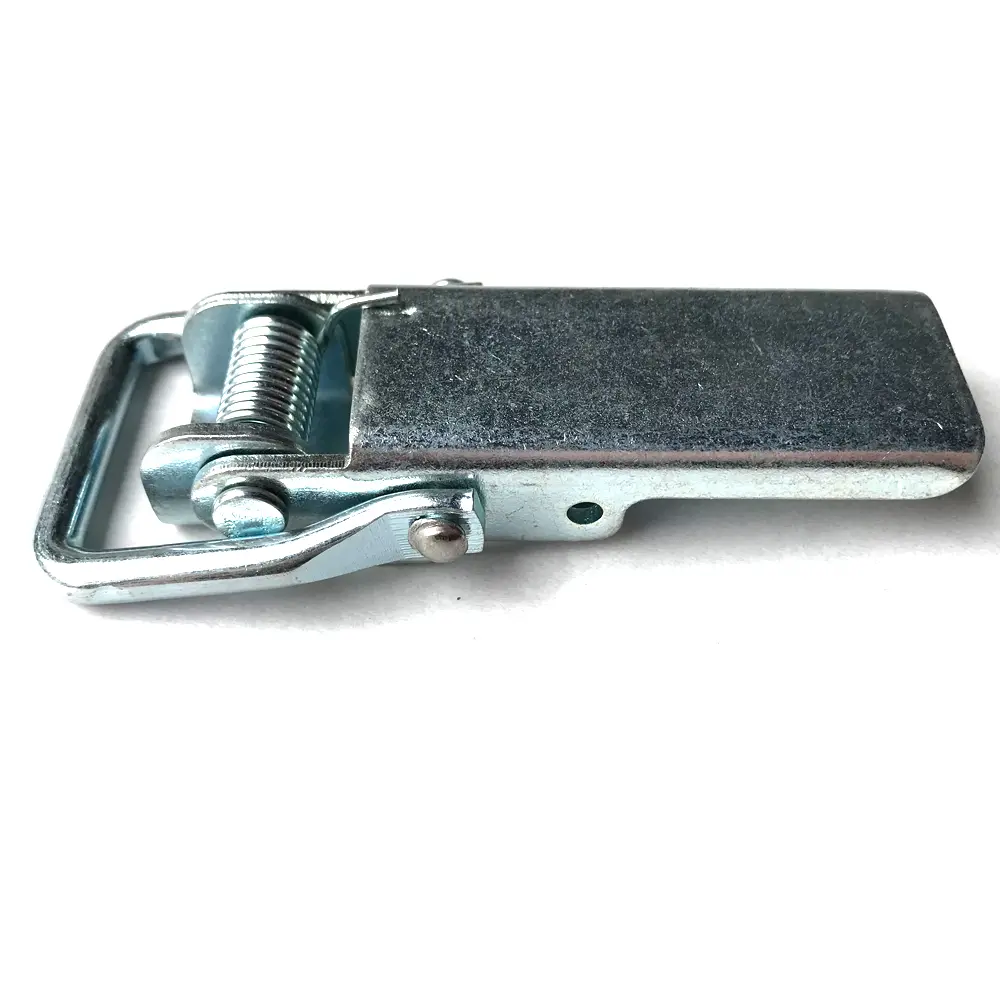
A draw latch is a simpler mechanical fastener that pulls two surfaces together using a lever action but typically does not incorporate an over-centre locking mechanism. Instead, it relies on friction or a secondary locking feature (like a hasp or pin) to stay closed.
How It Works:
-
A draw latch has a handle that pivots and a hook that engages a striker.
-
When you pull the handle, it draws the hook toward the base, pulling the two surfaces together.
-
Unlike a toggle latch, many draw latches do not have a true “over centre” locking point; they can be pulled open more easily if not secured with a padlock or secondary latch.
Key Characteristics of a Draw Latch:
-
Simple construction: Fewer moving parts.
-
Lower clamping force compared to a heavy-duty toggle latch.
-
May require a separate lock (padlock) to secure.
-
More prone to vibration loosening if not specifically designed with an over-centre feature.
Common Truck Applications:
-
Light-duty storage boxes
-
RV compartments
-
Industrial cabinets (stationary)
-
Applications where security is not critical
Important Note: In the trucking industry, many products labeled “draw latches” are actually toggle latches with an over-centre mechanism. Always verify the product specifications.
Part 3: Head-to-Head Comparison – Toggle Latch vs. Draw Latch
Use the table below to quickly see the differences. This comparison focuses on truck-specific applications where reliability and safety are paramount.
| Feature | Toggle Latch (Over Centre Latch) | Draw Latch (Standard) |
|---|---|---|
| Locking Mechanism | Over-centre geometry creates a stable locked position | Typically friction-based; may need secondary lock |
| Clamping Force | High – excellent for sealing against gaskets | Low to medium |
| Vibration Resistance | Excellent – stays locked on rough roads | Poor – can work open over time |
| Adjustability | Many models have adjustable hook or threaded shaft | Usually fixed; not adjustable |
| Security (Anti-Theft) | Can be fitted with a latch lock (padlock or built-in key lock) | Usually requires an external padlock |
| Typical Material | Forged or stamped steel, stainless steel, zinc-plated | Often lighter-gauge stamped steel |
| Durability Under Heavy Use | High – designed for thousands of cycles | Medium – suited for occasional use |
| Cost | Moderate to high | Lower |
| Best For | Truck doors, heavy equipment, vibrating environments | Cabinets, light storage, stationary applications |
Part 4: Why Choosing the Wrong Latch Is a Costly Mistake
Many buyers choose a latch based on price or appearance, ignoring the engineering differences. Here’s what can go wrong:
Scenario 1: Using a Standard Draw Latch on a Truck Door
A standard draw latch has no over-centre lock. After a few hours of highway vibration, the handle can creep open, releasing tension. The door may pop open, spilling cargo onto the road. The result: lost goods, potential accidents, liability claims, and damaged reputation.
Scenario 2: Using an Undersized Toggle Latch
A toggle latch that is too small for the door’s weight or gasket compression will not hold securely. It may “false lock” (appear closed but not fully over centre), leading to sudden failure.
Scenario 3: Ignoring Latch Lock Security
Even the best truck toggle latch is vulnerable if it doesn’t include a latch lock. Theft from toolboxes and cargo compartments is common. Without a built-in or padlock-compatible latch, you’re leaving your assets exposed.
The Bottom Line: Selecting the wrong latch type or quality level can turn a $20 part into a $20,000 loss.
Part 5: How to Choose the Right Latch for Your Truck Application
Follow this decision framework to avoid costly mistakes.
Step 1: Identify the Application
| Application | Recommended Latch Type | Why |
|---|---|---|
| Heavy truck door (frequent opening) | Heavy-duty toggle latch with latch lock | Vibration resistance + security |
| Toolbox (outdoor, frequent use) | Stainless steel toggle latch with padlock hasp | Corrosion resistance + theft prevention |
| Refrigerated truck door | Adjustable toggle latch (high clamping force) | Compresses seals for temperature control |
| Light interior cabinet (storage compartment) | Standard draw latch (or economy toggle) | Low cost, low risk |
Step 2: Consider Environmental Factors
-
Outdoor / marine environment: Choose stainless steel or zinc-plated with high corrosion resistance.
-
Extreme vibration (off-road, heavy haul): Must use over-centre toggle latch – standard draw latch will fail.
-
Chemical exposure: Verify material compatibility.
Step 3: Determine Required Clamping Force
-
For gasketed doors (reefers, weatherproof boxes), you need high clamping force to compress the seal.
-
For simple drop sides that just need to stay closed, medium clamping force may suffice.
Step 4: Decide on Security Features
-
Built-in key lock – convenient for one-key fleet systems.
-
Padlock-compatible hasp – allows using a standard padlock.
-
No lock – only for non-secure areas.
Step 5: Check Load Ratings and Certifications
Reputable latch manufacturers provide:
-
Ultimate tensile load (breaking point)
-
Working load limit (safe working load)
-
Cycle life (how many open/close operations before wear)
Always choose a latch with a safety factor of at least 2x your expected load.
Part 6: Common Misconceptions About Toggle Latches and Draw Latches
Misconception 1: “All draw latches are toggle latches.”
False. A true toggle latch has an over-centre mechanism; many “draw latches” do not. Always look for the over-centre feature.
Misconception 2: “A bigger latch is always stronger.”
Not necessarily. Material quality, thickness, and pivot design matter more than size. A forged steel toggle latch can outperform a larger stamped draw latch.
Misconception 3: “Latch locks are optional.”
If your compartment contains valuable tools or cargo, a latch without a lock is an open invitation to theft. Always integrate a latch lock into your security plan.
Misconception 4: “All toggle latches are adjustable.”
Many are fixed. For applications where gasket compression or door alignment varies, choose an adjustable toggle latch.
Part 7: Real-World Case – When a Fleet Upgraded to Toggle Latches
A mid-sized logistics company operated 50 dry vans with side toolboxes. The original equipment used cheap draw latches. Drivers constantly complained about boxes popping open on highways, losing tools, and even damaging other vehicles. The fleet manager switched to heavy-duty stainless steel toggle latches with built-in latch locks.
Results:
-
Zero unplanned openings in six months
-
Reduced theft (padlock-compatible design)
-
Lower maintenance (no more broken handles)
-
ROI achieved in 4 months (tools not replaced, accidents avoided)
Part 8: Why Quality Matters – What to Look for in a Toggle Latch Manufacturer
When sourcing truck toggle latches or over centre latches for your fleet, partner with a manufacturer that provides:
-
Precision engineering – Consistent geometry for smooth operation and reliable over-centre lock.
-
Material certificates – Verifiable steel grades and corrosion-resistant coatings.
-
ISO 9001 quality system – Process control and traceability.
-
Custom options – Adjustable hooks, special finishes, keyed-alike locks for fleet standardization.
-
Volume pricing – Bulk orders for OEMs and fleet operators.
At Hangcheng Parts, our latch lock range includes toggle latches designed specifically for truck and trailer applications. We offer:
-
Zinc-plated and stainless steel options
-
Adjustable and fixed styles
-
Built-in key locks and padlock hasps
-
Custom stamped with your fleet ID
-
ISO 9001 certified production
Conclusion: Stop Guessing – Start Securing
The difference between a toggle latch and a draw latch isn’t just technical jargon; it’s the difference between a secure load and a roadside disaster. For truck doors, toolboxes, and any application subject to vibration, an over centre latch (true toggle latch) is the only reliable choice. Add a latch lock to prevent theft, and you’ve built a security system that lasts.
Don’t leave your cargo to chance. Use the comparison table above, evaluate your application honestly, and invest in latches engineered for the real world.
Need Help Selecting the Right Latch for Your Truck?
Every application is unique. Our team specializes in matching the correct truck toggle latch to your door size, vibration level, and security requirements.
👉 Contact Hangcheng Parts today for a free consultation. Send us your door dimensions, operating environment, and security needs – we’ll recommend the optimal over centre latch and provide volume pricing for your fleet.
Visit our Latch Lock product page to explore our range, or request a custom quote now.
Related Products