Introduction: The Million-Dollar Question That Could Save Your Life
You’ve got the trailer. You’ve got the tow vehicle. But when you go to hook up, something doesn’t quite work. The safety chains are too short. The coupler lock won’t slide into the latch hole. The hitch pin rattles in the receiver. You’re left wondering: Will it fit?
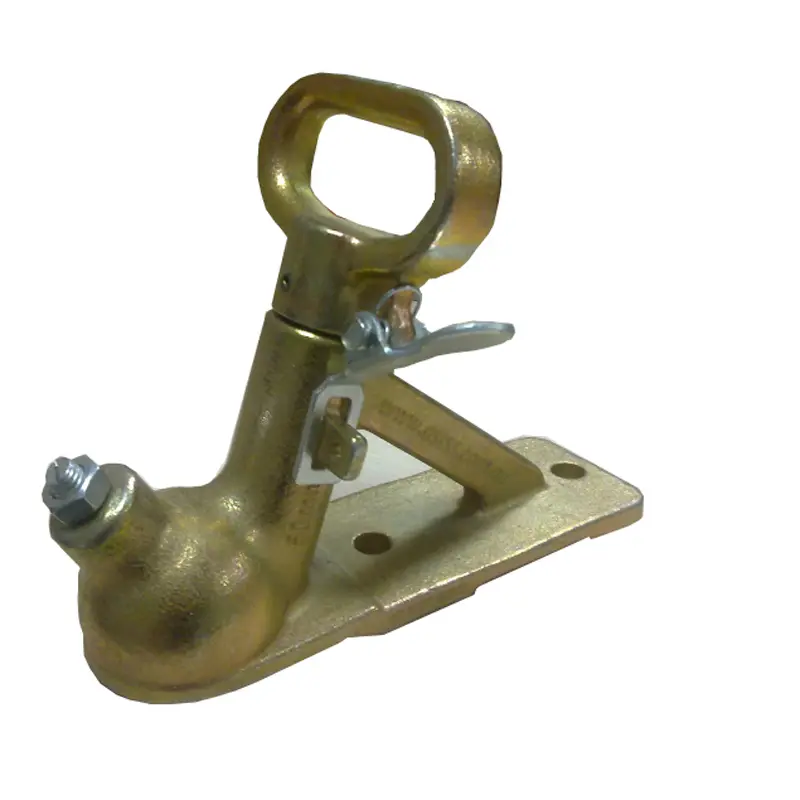
This isn’t just a matter of convenience—it’s a matter of safety. An improperly matched trailer coupler to trailer hitch ball, or mismatched accessories, can lead to catastrophic failure on the road. A coupler that isn’t fully seated can pop off during a turn. Safety chains that are too long can drag and fail. A lock that’s too small can be easily defeated. The stakes are high, and the margin for error is zero.
This comprehensive guide will walk you through everything you need to know about matching your trailer coupler and trailer hitch ball—and all the critical accessories that connect them. By the end, you’ll have a clear checklist to ensure every component fits perfectly, works reliably, and keeps your load secure.
Part 1: The Foundation – Matching Your Trailer Coupler to Your Trailer Hitch Ball
Before you even think about accessories, you must get the primary connection right.
The Non-Negotiable Rule: Diameter Must Match
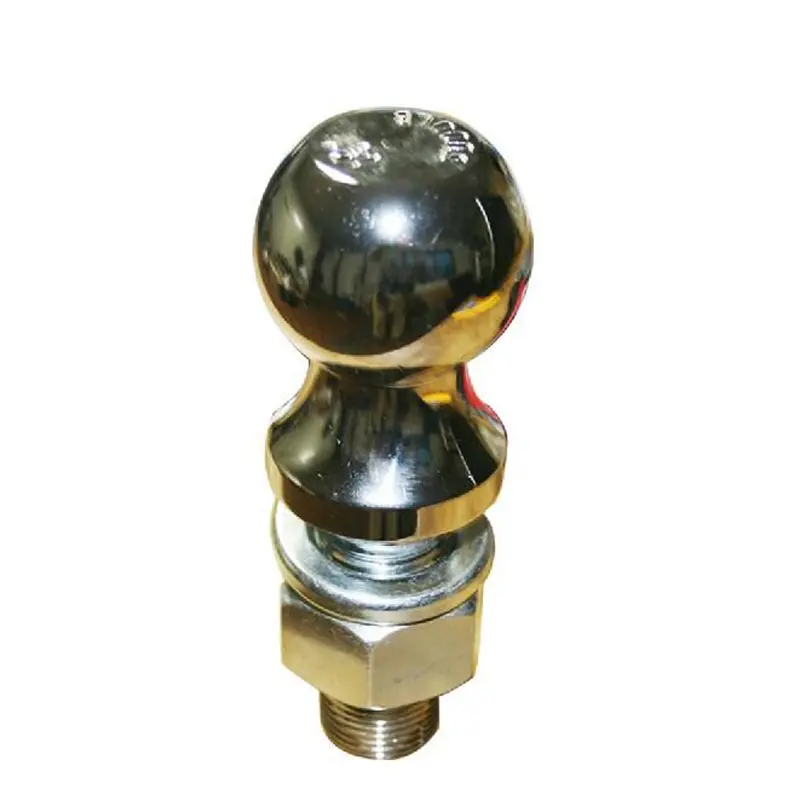
The single most critical dimension in towing is the diameter of your trailer coupler must match the diameter of your trailer hitch ball.
Common hitch ball diameters:
-
1-7/8 inches (1.875″) : Typically used for light-duty trailers with gross trailer weight (GTW) up to 2,000 lbs
-
2 inches (2.0″) : The most common size, suitable for trailers up to 3,500-6,000 lbs depending on ball shank size
-
2-5/16 inches (2.3125″) : Heavy-duty standard, used for larger trailers up to 10,000-30,000 lbs
-
3 inches (3.0″) : Extra heavy-duty applications, typically for agricultural or industrial use
Critical Warning: Never use a 2-inch coupler on a 2-5/16-inch ball. Even if it seems to “fit,” it will not lock securely and will disengage under load. Conversely, a larger coupler on a smaller ball will never lock at all.
Ball Shank Size Matters Too
Beyond the ball diameter, the shank (the threaded portion that mounts into the hitch receiver or drawbar) must match your hitch’s hole size:
-
3/4-inch shank: Common for 1-7/8″ and 2″ balls up to 3,500 lbs
-
1-inch shank: Standard for 2″ balls up to 6,000 lbs and many 2-5/16″ balls
-
1-1/4-inch shank: Heavy-duty for 2-5/16″ and 3″ balls, often with 10,000+ lb ratings
-
1-1/2-inch shank: Maximum heavy-duty applications
Pro Tip: Always verify the ball’s load rating stamped on the ball itself. Never exceed the lower of either the ball’s rating or the coupler’s rating.
Part 2: Safety Chains – The Essential Backup You Can’t Ignore
Once your coupler and ball are matched, safety chains are your next critical accessory. They’re not optional—they’re legally required in every jurisdiction.
Length Matters – Not Too Long, Not Too Short
Safety chains must be:
-
Short enough to prevent the trailer tongue from contacting the ground if the coupler disconnects
-
Long enough to allow for full turning radius without binding
-
Crossed under the tongue to create a “cradle” that catches the tongue if it drops
How to Measure:
-
Attach the chains to the tow vehicle’s designated attachment points
-
Connect them to the trailer frame
-
Turn the vehicle to its maximum steering angle
-
The chains should have enough slack to not bind, but when fully extended, the tongue should be prevented from hitting the ground
Chain Strength Rating
Chains are rated by Working Load Limit (WLL) and grade:
-
Grade 30 (Proof Coil): Standard for light to medium duty
-
Grade 43 (High Test): Stronger, common for heavier trailers
-
Grade 70 (Transport): The strongest, rated for towing applications
The Rule: Each chain must be rated for at least the trailer’s gross trailer weight. Two chains together provide redundancy.
Part 3: Coupler Locks – Security That Actually Works
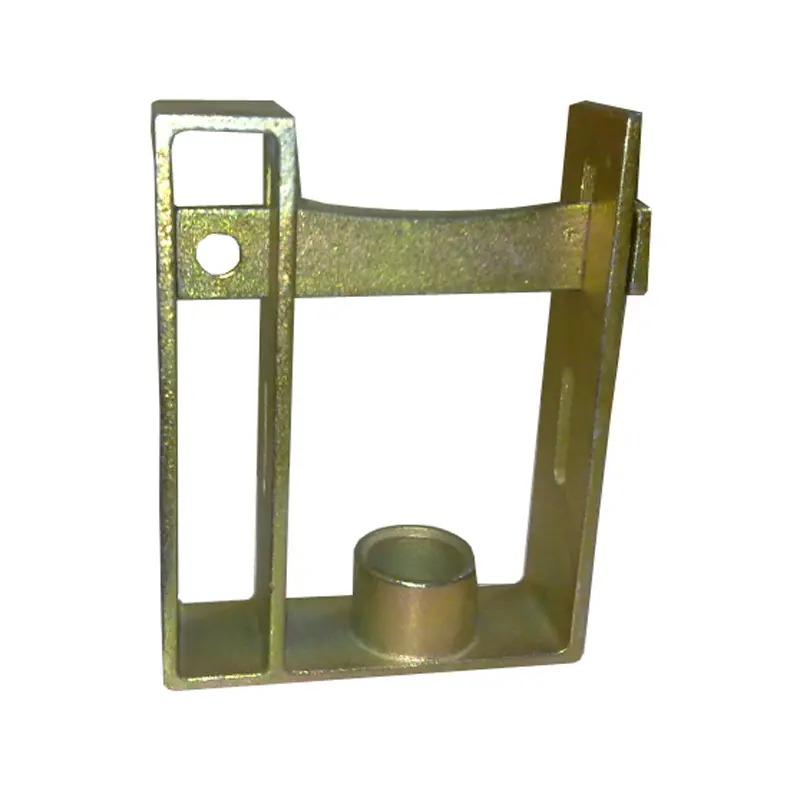
A coupler lock prevents unauthorized unhitching. But choosing the wrong type or size leaves your trailer vulnerable.
Types of Coupler Locks
| Lock Type | How It Works | Best For |
|---|---|---|
| Latch Lock | Fits over the coupler’s latch mechanism, preventing it from opening | Most common, fits most standard couplers |
| Ball Cover Lock | Encases the entire coupler and ball | Maximum security, prevents access to the latch entirely |
| Pin Lock | Replaces the hitch pin in the receiver | Secures the drawbar to the vehicle, not the coupler |
| Padlock-Style | A padlock inserted through a pre-drilled hole in the coupler latch | Simple, works with many couplers |
Size Compatibility – The Most Common Mistake
Coupler locks come in different pin diameters to match your coupler’s latch hole:
-
3/8-inch (10mm): Smaller couplers, light-duty trailers
-
1/2-inch (12mm): Standard for most 2″ couplers
-
5/8-inch (16mm): Heavy-duty, common on 2-5/16″ couplers
How to Measure: With the coupler open, measure the hole in the latch mechanism where the lock pin would insert. Choose a lock with a pin diameter that fits snugly without excessive play.
Part 4: Hitch Pins and Clips – Small Parts, Big Responsibility
The hitch pin holds your drawbar (ball mount) into the receiver tube. A failure here means the entire assembly separates from your vehicle.
Pin Diameter and Length
Receiver hitches use standard pin sizes:
-
1/2-inch: Common for Class I and II hitches
-
5/8-inch: Standard for Class III and IV hitches (most common for towing)
-
3/4-inch: Heavy-duty, Class V hitches
Length: Must be long enough to pass completely through the receiver tube and drawbar, with room for the clip on the other side.
Anti-Rattle Devices
For a tighter fit that eliminates clunking and vibration:
-
Threaded pins that screw into the receiver
-
Tapered sleeves that fill gaps
-
Spring-loaded clips that maintain tension
Part 5: Wiring Adapters – The Connection That Powers Your Lights
Trailer lights are required by law. But different vehicles and trailers use different connector types.
Common Connector Types
| Connector | Pins | Typical Use |
|---|---|---|
| 4-Pin Flat | 4 | Small utility trailers, most common for light-duty |
| 5-Pin Flat | 5 | Adds reverse lights or electric brake signal |
| 6-Pin Round | 6 | Medium trailers with electric brakes |
| 7-Pin Round (RV) | 7 | Standard for most larger trailers, includes 12V auxiliary power |
| 7-Pin Flat (Blade) | 7 | Newer standard, common on late-model trucks |
Adapters
If your vehicle and trailer connectors don’t match, adapters are available:
-
7-to-4 adapter: For connecting a small trailer to a truck with a 7-pin
-
6-to-4 adapter: For mid-size trailer connections
-
5-to-4 adapter: For trailers with reverse lights
Part 6: Step-by-Step Compatibility Checklist
Before every tow, run through this checklist:
1. Coupler to Hitch Ball
-
Ball diameter matches coupler size (1-7/8″, 2″, 2-5/16″, or 3″)
-
Ball shank fits hitch receiver hole
-
Ball load rating exceeds trailer gross weight
-
Coupler latches fully and locks
2. Safety Chains
-
Chains are rated for trailer weight
-
Length allows full turning without binding
-
Chains are crossed under tongue
-
Hooks are securely attached with spring clips
3. Coupler Lock (if used)
-
Pin diameter matches coupler latch hole
-
Lock engages fully without forcing
-
Key is accessible (don’t lock keys inside!)
4. Hitch Pin
-
Pin diameter matches receiver holes
-
Pin length provides clearance for clip
-
Clip or lock is securely in place
-
Anti-rattle device installed if desired
5. Wiring
-
Vehicle connector matches trailer connector
-
Adapters used correctly if needed
-
Test all lights: running, brake, turn signal
Part 7: Common Mistakes and How to Avoid Them
| Mistake | Why It’s Dangerous | Correct Practice |
|---|---|---|
| Mismatched ball and coupler | Can disengage under load, causing trailer separation | Always verify both are same size |
| Safety chains too long | Can drag and fail, or allow tongue to hit ground | Adjust length or use chain shorteners |
| Safety chains not crossed | Won’t catch the tongue if coupler fails | Always cross under the tongue |
| Undersized lock pin | Can be easily defeated or rattle out | Match pin diameter to latch hole |
| Worn or bent hitch pin | Can shear under load | Replace any damaged pins immediately |
| Wrong wiring adapter | Lights won’t function properly | Verify pin configurations before buying |
Part 8: When to Consider Custom or Upgraded Accessories
Fleet Standardization
If you manage multiple trailers and tow vehicles, consider:
-
Keyed-alike coupler locks – one key for all locks
-
Standardized safety chain lengths – easy to check at a glance
-
Color-coded hitch balls – quick visual identification of size
Corrosion-Prone Environments
In coastal areas or winter road salt conditions:
-
Stainless steel hitch balls resist rust better than chrome-plated
-
Powder-coated couplers provide additional protection
-
Stainless steel safety chains (though heavier) last longer
Heavy-Duty or Specialized Applications
For unique trailers or extreme loads:
-
Custom-length safety chains with specific hook types
-
Forged steel couplers with higher load ratings
-
Specialized locks with pick-resistant cylinders
Conclusion: Fit Matters – Every Time
The question “Will it fit?” isn’t just about convenience—it’s about safety. Every time you connect a trailer, every component must work together as a system. A trailer coupler that doesn’t perfectly match the trailer hitch ball, safety chains that are the wrong length, a lock that doesn’t fit snugly—any of these can turn a routine tow into a disaster.
Take the time to verify each connection. Use the checklist. Invest in quality components that fit correctly. And when you need accessories that match your specific setup, choose a manufacturer who understands that precision matters.
At Hangcheng, we engineer trailer couplers, hitch balls, and all the accessories that complete your towing system—with exacting tolerances and rigorous quality standards. Whether you need a standard 2″ coupler or a custom setup for a specialized fleet, we ensure every component fits the way it should.