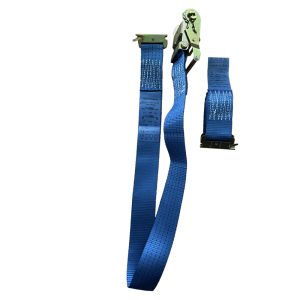
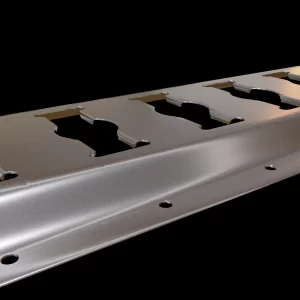
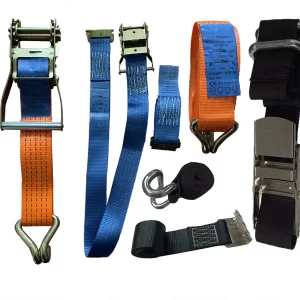
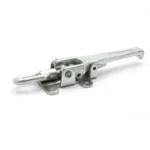
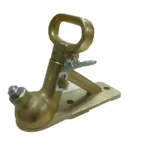
We can manufacture all kinds of ratchet straps as your requirement, please feel free to contact our service team for more details
We can make them as your requirement as belows:
- Single hook ratchet tie-down strap: With a single hook on one end, suitable for simple bundling and fixing operations.
- Double hook ratchet tie-down strap: With hooks on both ends, convenient for fixing and bundling at multiple points.
- Hook-free ratchet tie-down strap: Without a hook design, requiring the use of other fixing devices, suitable for scenarios requiring flexible combinations.
- Adjustable ratchet tie-down strap: Allows adjustment of the tightness of the strap through the ratchet mechanism, suitable for scenarios requiring precise control of tension.
- Classified by width: Ratchet tie-down straps typically come in different specifications such as 1 inch (25mm) and 1.5 inches (38mm), etc. The larger the width, the stronger its load-bearing capacity.
- Material classification: the materials of the ratchet tensioning belt include polyester, polypropylene, nylon, etc. Different materials of tensioning belts have different strength, wear resistance, and corrosion resistance.
2024 Ratchet Straps for automotive, motorcycle, cars, van and pickups. Ratchet tie-down straps used for cargo bundling
How to choose cargo straps?
Whether you’re hauling equipment across town or embarking on a long-haul journey, selecting the appropriate cargo straps is crucial for ensuring that your load stays firmly in place. we’ll explore various types of cargo straps and provide essential tips for selecting the best ones to suit your needs.
- Understanding Different Types of Cargo Straps:
- Truck Strap/Lorry Strap: These heavy-duty straps are specifically designed for securing cargo in trucks or lorries. They are often made from durable materials such as polyester or nylon webbing and come in various lengths and widths to accommodate different types of loads.
- Tow Ratchet Strap/Semi Ratchet Strap: Ratchet straps are equipped with a ratcheting mechanism that allows for precise tensioning and securement of cargo. Tow ratchet straps are commonly used for towing applications, while semi ratchet straps are ideal for securing loads on semi-trailers.
- Van Tie Down Strap: Designed for use in vans, these straps provide a reliable means of securing cargo within the vehicle. They are typically adjustable and feature sturdy hooks or buckles for attachment to anchor points.
- Heavy Duty Cargo Strap: As the name suggests, heavy-duty cargo straps are built to withstand substantial loads and harsh conditions. They are essential for securing heavy or oversized cargo and are often reinforced with additional stitching or hardware for added strength.
- Cargo Strap for Trailer: These straps are specifically designed for use with trailers and are essential for keeping cargo securely in place during transit. They come in various lengths and configurations to accommodate different types of trailers and loads.
- Rack Strap: Rack straps are designed for securing loads on racks or platforms. They are versatile and can be used in a variety of applications, including truck beds, roof racks, and cargo carriers.
- Key Considerations When Choosing Cargo Straps:
- Load Capacity: Consider the weight and dimensions of your cargo to ensure that the straps you choose can safely secure the load. Be sure to check the working load limit (WLL) and breaking strength of the straps to ensure they meet your requirements.
- Durability: Opt for straps made from high-quality materials such as polyester or nylon webbing, as these materials are known for their strength and durability. Look for straps with reinforced stitching and heavy-duty hardware for added reliability.
- Length and Width: Choose straps that are long enough to properly secure your cargo and wide enough to distribute the load evenly. Adjustable straps are ideal for accommodating different-sized loads and securing them tightly.
- Attachment Points: Consider the type of anchor points available on your vehicle or trailer and choose straps with compatible hooks, buckles, or other attachment mechanisms. Ensure that the attachment points are sturdy and capable of supporting the load.
- Ensuring Effective Cargo Control:
- Proper Tensioning: Use tensioning devices such as ratchets to achieve optimal tension in the straps, ensuring that the cargo is securely held in place. Avoid over-tightening, as this can damage both the straps and the cargo.
- Even Distribution: Distribute the cargo evenly across the vehicle or trailer bed to prevent shifting during transit. Use multiple straps if necessary to secure different sections of the load and ensure maximum stability.
- Regular Inspection: Inspect the straps regularly for signs of wear, damage, or degradation. Replace any damaged or worn straps immediately to prevent failure during transit.
- Securing Loose Ends: Secure any excess strap length to prevent it from flapping in the wind or becoming tangled during transit. Use hook and loop fasteners, rubber bands, or other securing devices to keep loose ends tidy and secure.
- Choosing the Right Ratchet Strap:
- Consider the weight and dimensions of your cargo to select straps with appropriate load-bearing capacities and lengths.
- Assess environmental factors such as weather conditions and terrain to choose straps resilient to the challenges of the journey.
- Prioritize quality and durability to ensure the longevity and effectiveness of the straps under demanding conditions.
- Proper Application Techniques:
- Begin by inspecting the cargo straps for any signs of damage or wear before each use.
- Position the cargo securely within the vehicle or trailer, ensuring it is evenly distributed and not prone to shifting during transit.
- Anchor the straps to sturdy anchor points or tie-down locations on the vehicle, avoiding weak or unstable attachment points.
- Utilize tensioning devices such as ratchets to achieve optimal tension in the straps, preventing both over-tightening and under-tightening.
- Double-check the securement of the load and straps before setting off, and periodically inspect them during the journey to detect any signs of loosening or shifting.
- Safety Considerations:
- Exercise caution when handling tensioning devices to avoid potential injuries from sudden releases of tension.
- Follow manufacturer guidelines and recommended weight limits for the straps to prevent overloading and structural failures.
- Maintain clear communication among team members involved in the loading and securing process to ensure a coordinated and safe operation.