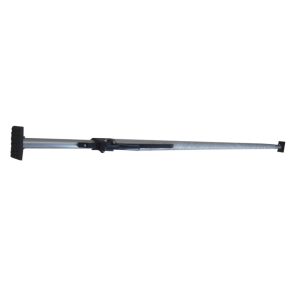
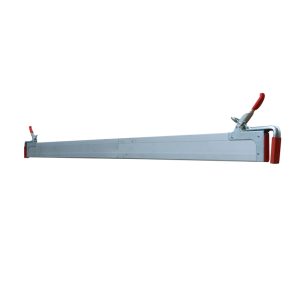
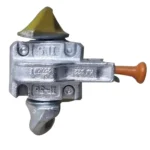
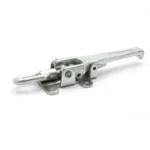
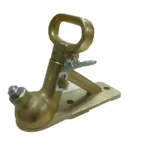
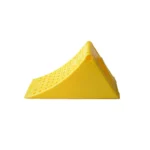
This item can be customized as your requirement and drawings, please contact us directly for more details.
How do we manufacture load bar in our factory?
1. Material Preparation: Select suitable materials such as high-strength steel, aluminum alloy, etc., to ensure that the support bars have sufficient load-bearing capacity and durability.
2. Steel Tube Processing:
- Cutting: Cut the raw materials into steel tubes according to the required length and diameter based on the design specifications.
- Deburring: Remove burrs from the ends of the steel tubes to ensure a smooth surface and prevent scratching other components during subsequent processing.
- Internal Chamfering: Perform internal chamfering on one or both ends of the steel tubes, if required, for easy assembly with other components.
3. Assembly of Steel Tube Components:
- Cleaning: Perform three cleaning processes to remove oil stains and impurities from the steel tubes.
- Piston Rod Assembly: This includes checking the piston, installing seals, applying grease, installing spacers, oil seals, and the piston rod guide sleeve.
4. Semi-Finished Product Processing:
- Sealing: Seal the open end of the support bar to prevent dust and impurities from entering.
- Rolling Grooves: Roll specific grooves or shapes onto the support bar if required.
- Groove Distance Inspection: Inspect the groove distance of the rolled support bar to ensure it meets the design requirements.
- Inflation and Pressure Testing: Perform inflation and pressure testing on the support bar to check its sealing performance and pressure-bearing capacity.
5. Surface Treatment:
- Cleaning: Perform three degreasing cleaning processes to remove oil stains and impurities from the semi-finished product.
- Phosphating: Perform phosphating treatment on the support bar to improve its surface hardness and corrosion resistance.
- Drying and Wiping: Dry the phosphated support bar and wipe it clean.
- Paint Matching and Spraying: Apply paint and perform spraying treatment on the support bar, if needed, to enhance its aesthetics and durability.
6.Assembly:
- Support Bar Assembly: Add lubricant into the steel tube assembly to ensure smooth movement of the support bar during extension and retraction.
Install the piston rod assembly into the steel tube assembly and perform necessary adjustments and fixations. - Surface Wiping: Clean the surface of the painted support bar.
- Exterior Surface Inspection: Inspect the exterior surface to ensure there are no defects or damages.
- Pressure Testing: Conduct another pressure test to ensure the performance of the support bar meets the requirements.
- Labeling or Printing: Attach labels or perform necessary printing identifications on the support bar.