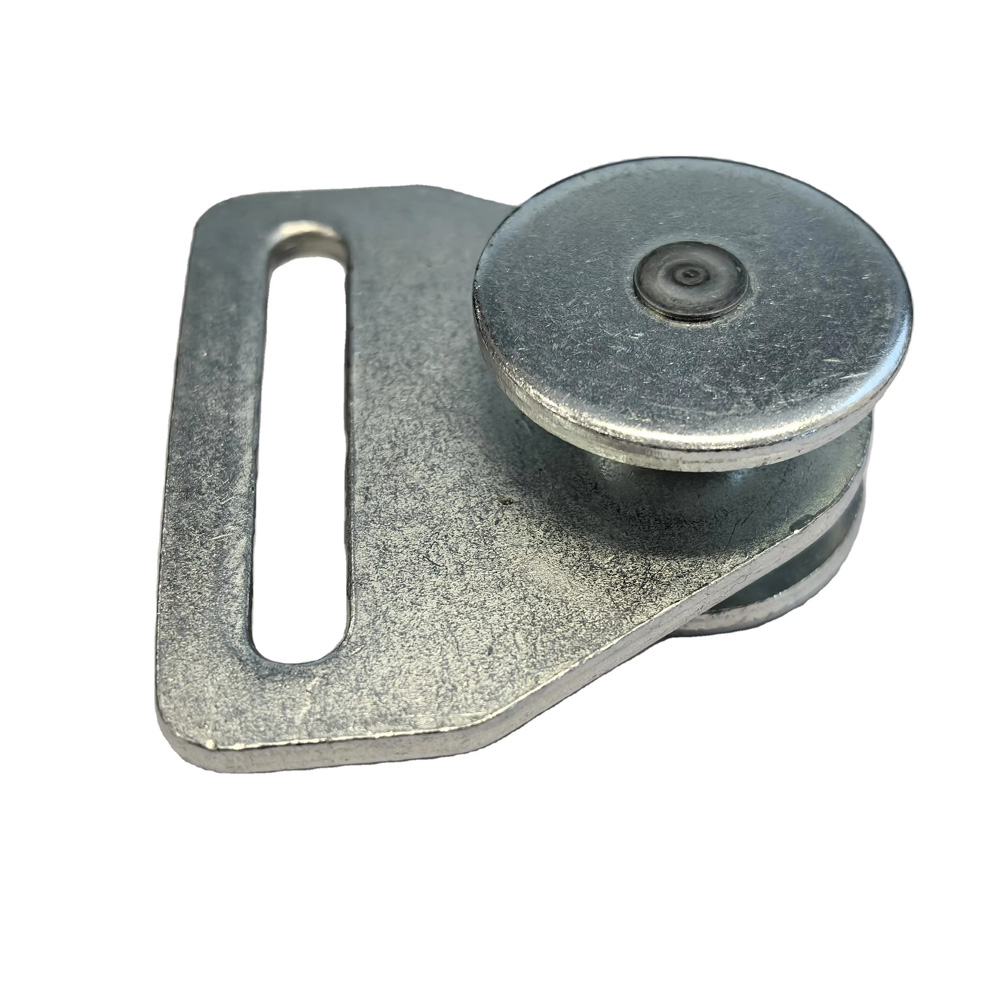
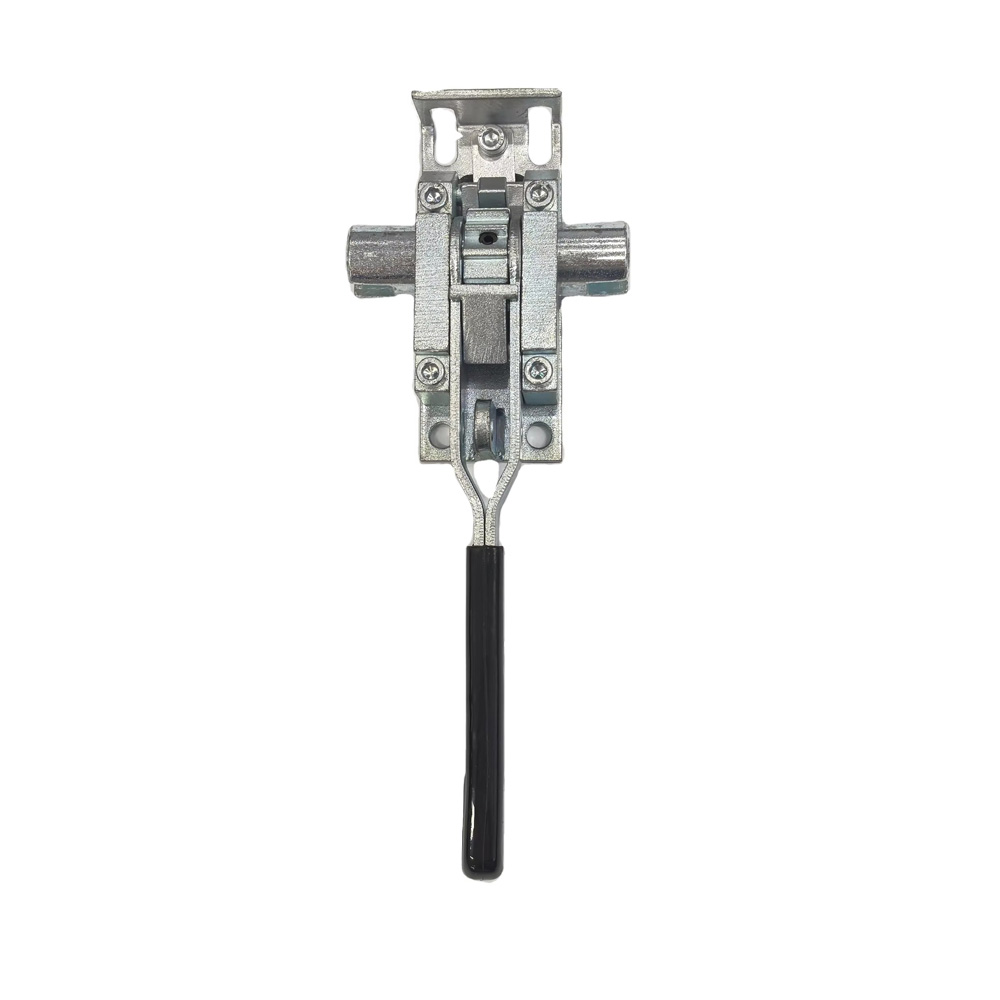
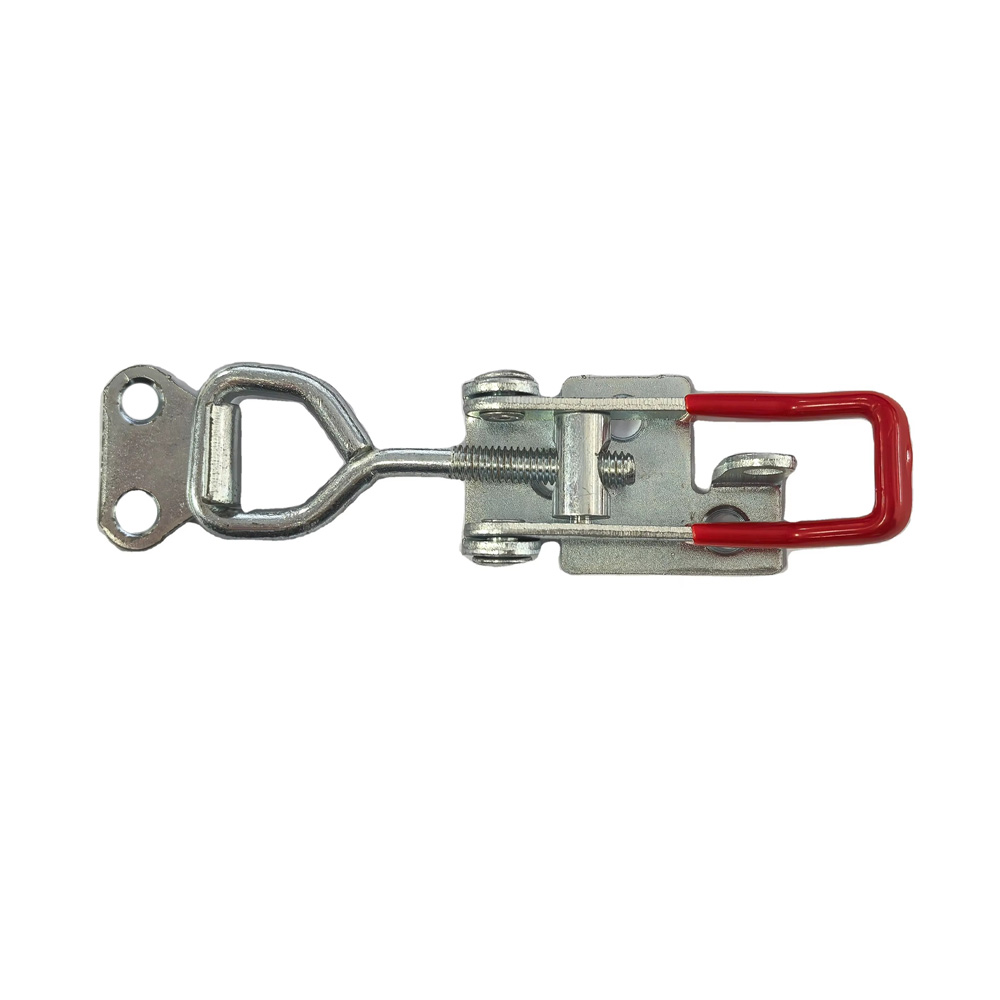
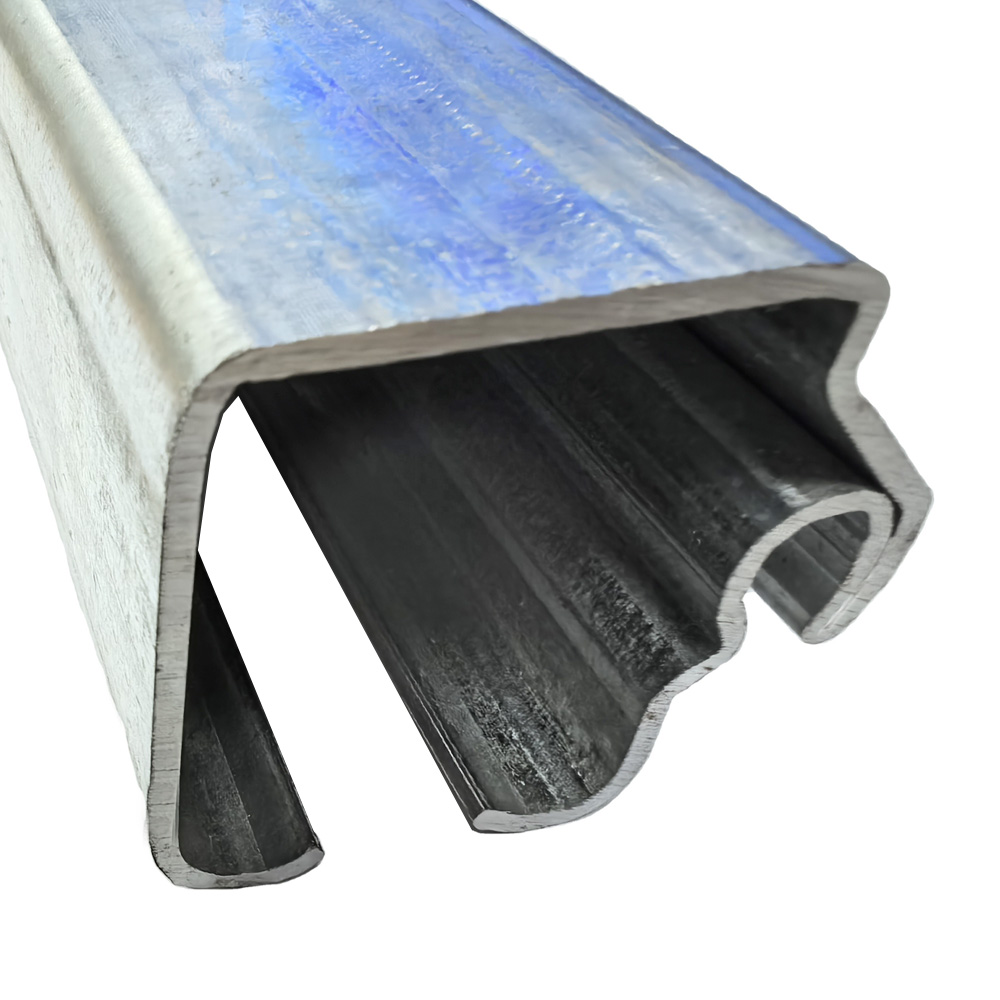
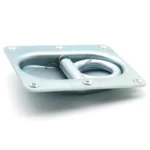
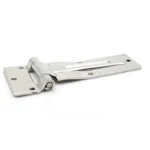
When it comes to trailer curtain side parts, each component plays a crucial role in ensuring durability, security, and smooth operation. Whether you’re replacing parts or maintaining your trailer, understanding the composition and function of key elements like side curtain tensioners, reduction gears, rails, rollers, and buckles is essential.
This guide covers:
✔ Functions of each curtain side part
✔ Materials & durability comparisons
✔ Maintenance & replacement tips
Let’s dive in!
1. Side Curtain Tensioners: The Backbone of Tarp Stability
1.1 Types of Tensioning Systems
Modern curtain side trailers utilize three primary tensioner designs:
Spring-Loaded Tensioners
Automatically maintain constant tension
Ideal for long-haul operations where manual adjustment isn’t practical
Typical lifespan: 5-7 years with proper maintenance
Ratchet Tensioners
Manual adjustment for precise tension control
Preferred for specialized loads requiring exact tautness
Maximum adjustability but requires driver intervention
Hydraulic Tensioners
Premium systems for heavy-duty applications
Maintains perfect tension regardless of temperature changes
Common in extreme climate operations (-40°C to +50°C)
1.2 Material Composition Analysis
The effectiveness of tensioners largely depends on their material construction:
| Material | Tensile Strength | Corrosion Resistance | Best For |
|---|---|---|---|
| Galvanized Steel | 550 MPa | Moderate | Standard dry van operations |
| 316 Stainless Steel | 620 MPa | Excellent | Marine/coastal environments |
| Powder-Coated Aluminum | 310 MPa | Good | Weight-sensitive applications |
Case Study: A European logistics company reduced tarp replacement costs by 32% after switching to stainless steel tensioners in their Baltic Sea routes.
1.3 Maintenance Protocol
Weekly: Visual inspection for deformation or rust
Monthly: Lubrication of moving parts with lithium-based grease
Annually: Complete disassembly and bearing replacement
2. Reduction Gear Mechanisms: Precision in Motion
2.1 Gear Ratio Fundamentals
The reduction gear’s primary function is to convert high-speed, low-torque input into controlled, powerful curtain movement:
Standard Ratios:
5:1 for light-duty urban operations
8:1 for general freight
12:1 for heavy industrial curtains
Technical Insight: A properly sized reduction gear can increase curtain lifespan by up to 40% by preventing sudden stops/starts.
2.2 Cutting-Edge Gear Technologies
Recent advancements include:
Helical Gear Designs
30% quieter operation
15% more efficient power transfer
Reduced vibration transmission
Sealed Lubrication Systems
Maintenance-free for up to 3 years
Prevents contamination in dusty environments
Temperature-stable performance (-30°C to +120°C)
2.3 Failure Prevention Checklist
Monitor for unusual noises during operation
Check for oil leaks in hydraulic systems
Inspect gear teeth for pitting or wear every 6 months
3. Curtain Rail Systems: The Guidance Network
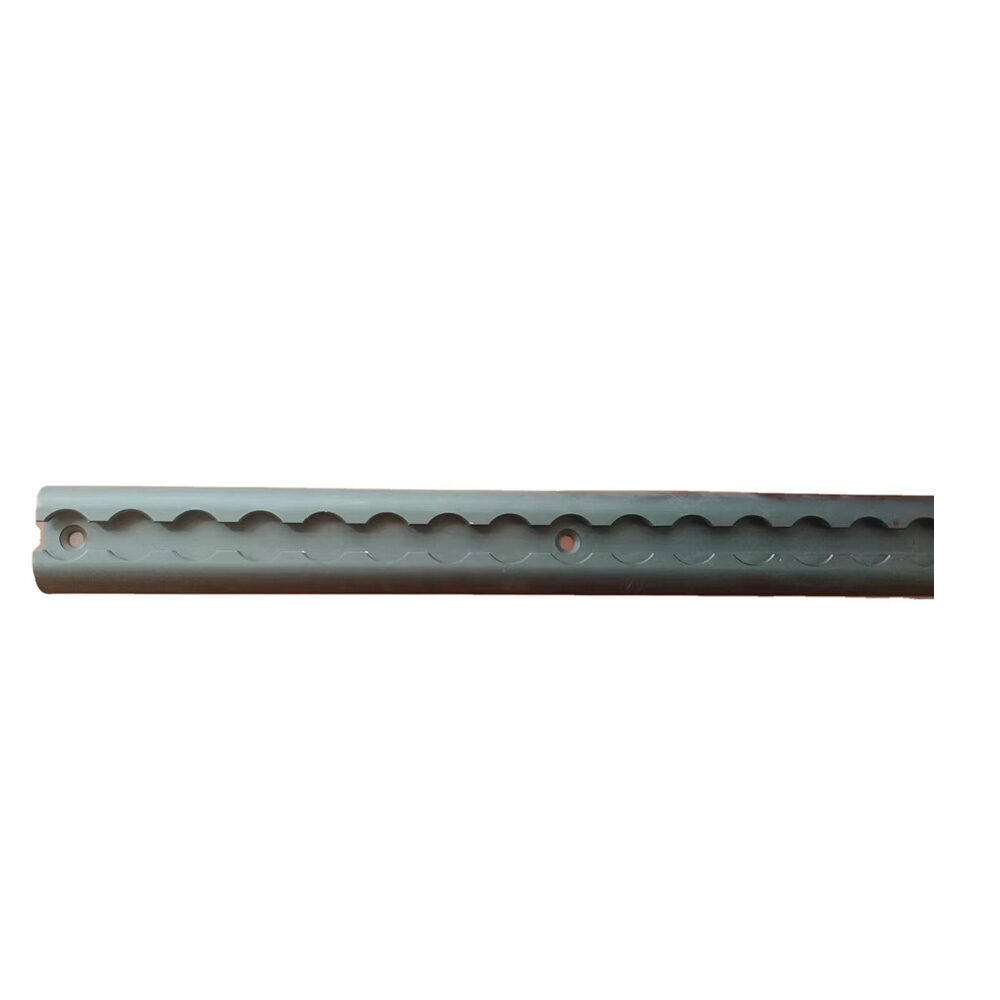
3.1 Rail Profile Engineering
Modern curtain rails feature optimized designs:
C-Channel Rails
Most common design
Accommodates standard roller sizes
Easy to clean and maintain
Double-Flange Rails
Prevents curtain disengagement
Essential for high-wind operations
25% more material than standard rails
Low-Friction Polymer Rails
Ultra-smooth operation
Self-lubricating properties
Ideal for food-grade transport
3.2 Materials & Types
| Type | Pros | Cons |
|---|---|---|
| Aluminum Rail | Lightweight, rust-proof | Less impact-resistant |
| Steel Rail | Extremely durable | Heavier, may corrode |
| Polymer-Coated Rail | Best for harsh weather | Higher cost |
Installation Tips
Ensure proper alignment to prevent tarp jamming
Use UV-resistant seals to protect the rail from sun damage
4. Roller Assemblies: The Friction Solution
4.1 Bearing Technology Comparison
Roller performance depends on its bearing system:
| Bearing Type | Load Capacity | Maintenance Needs | Lifespan |
|---|---|---|---|
| Bronze Bushings | Medium | High | 2-3 years |
| Sealed Ball Bearings | High | Low | 5-7 years |
| Ceramic Hybrid | Very High | Very Low | 10+ years |
Pro Tip: Ceramic hybrid bearings can reduce rolling resistance by 35%, significantly easing curtain operation.
4.2 Roller Material Advancements
Polyurethane-coated rollers: 3x more durable than standard nylon
Stainless steel rollers: Perfect for corrosive environments
Composite rollers: Combine strength with vibration damping
5. Buckle & Fastener Systems: The Security Layer
5.1 Load Testing Standards
Quality buckles must meet:
EN 12195-2 for load restraint
DOT 49 CFR 393.110 for North America
AS/NZS 4380 for Australian markets
Safety Fact: Proper buckle selection can increase cargo security by up to 60% compared to inferior fasteners.
5.2 Smart Fastening Solutions
Emerging technologies include:
RFID-Enabled Buckles
Digital load monitoring
Tamper evidence recording
Integration with fleet management systems
Self-Tensioning Systems
Automatic adjustment during transit
Compensates for load shifting
Reduces driver workload
Comprehensive Maintenance Schedule
Daily:
Visual inspection of all components
Quick lubrication of exposed moving parts
Weekly:
Torque check on all fasteners
Tension verification
Rail cleaning
Monthly:
Bearing inspection
Gear lubrication
Structural integrity check
Annual:
Complete system overhaul
Replacement of wear components
Professional alignment check
Conclusion: Optimizing Your Curtain Side System
By understanding these five critical components in depth, fleet operators can:
Extend system lifespan by 50-70%
Reduce maintenance costs through proactive care
Improve operational efficiency with proper component matching
Enhance safety through regular inspections
Ready to Upgrade Your Trailer Curtain Side Parts?
? Contact us for bulk orders of durable and high-quality curtain side assemblies.
Related Products