Introduction: When the Coupler Won’t Click, Nothing Moves
You back up to the hitch, lower the tongue, and wait for that satisfying click—the sound that tells you the coupler has latched onto the ball and the trailer is secure. But the click never comes. The latch won’t engage, the coupler sits loose on the ball, or it refuses to lock at all.
A trailer coupler that won’t latch is more than an annoyance. It’s a hard stop on your operation—and if you ignore it or force it, it becomes a safety hazard that can lead to a detached trailer at highway speed.
The good news is that most latching problems have identifiable causes and straightforward fixes. This guide covers the seven most common reasons a trailer coupler won’t latch, how to diagnose each one, and what to do about it.
How a Trailer Coupler Latch Works (Quick Primer)
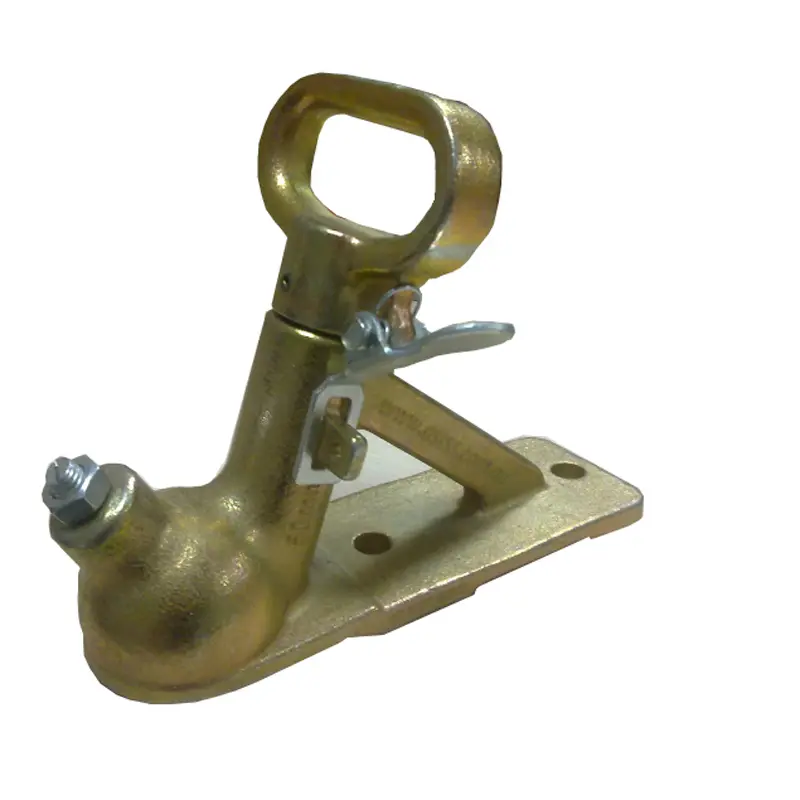
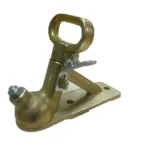
Before diagnosing the problem, it helps to understand what is supposed to happen. A typical trailer coupler has:
A ball socket that receives the hitch ball
A latch mechanism that closes over the ball
A locking pin or trigger that secures the latch in the closed position
An adjustment nut underneath that sets the tension between the latch and the ball
For the coupler to latch properly, the ball must be fully seated in the socket, the latch must close freely, and the locking pin must engage. A failure at any of these points prevents proper latching.
Cause 1: The Ball Is the Wrong Size
The Problem
The most common reason a coupler won’t latch is a mismatch between the coupler and the hitch ball. Trailer couplers are designed for specific ball sizes—1-7/8 inch, 2 inch, and 2-5/16 inch being the most common. If the ball is too small, the latch closes but doesn’t grip; if the ball is too large, the coupler won’t seat at all.
How to Diagnose
Check the stamping on the coupler—it should indicate the required ball size. Measure the ball with calipers if the stamping is unclear. A 2-inch ball measures approximately 50mm; a 2-5/16-inch ball measures approximately 59mm.
The Fix
Use the correct ball size for your coupler. Never try to “make it work” with a mismatched ball—this is a leading cause of trailer detachment.
Cause 2: The Latch Is Seized or Corroded
The Problem
Trailer couplers live outdoors. Rain, road salt, and dirt work their way into the latch mechanism, causing corrosion and seizing. A latch that won’t move freely won’t close properly, no matter how well the ball fits.
How to Diagnose
Operate the latch by hand with the coupler empty. It should move smoothly through its full range. If it feels stiff, gritty, or won’t move at all, corrosion or debris is the likely culprit.
The Fix
Apply penetrating oil to the latch pivot and locking pin
Work the latch back and forth to free it
Clean out dirt and rust with a wire brush
Apply a silicone-based or graphite lubricant to keep it moving
If the latch is severely corroded, replacement may be necessary
Prevention
Lubricate the latch mechanism regularly—especially before and after winter, when road salt accelerates corrosion.
Cause 3: The Adjustment Nut Is Too Tight or Too Loose
The Problem
Most couplers have an adjustment nut underneath the ball socket that controls how tightly the latch grips the ball. If the nut is too tight, the latch won’t close over the ball. If it’s too loose, the coupler rattles and the latch may not engage fully.
How to Diagnose
With the coupler on the ball and the latch closed, check for movement. A properly adjusted coupler should allow the ball to rotate freely but not move vertically or horizontally. If the latch won’t close at all, the nut may be too tight.
The Fix
Loosen the adjustment nut counterclockwise to allow the latch to close
Once the latch closes, tighten the nut until the coupler grips the ball firmly but still allows rotation
Test by hitching and unhitching several times
Re-check the adjustment after the first few tows
Cause 4: The Locking Pin or Trigger Is Damaged
The Problem
The locking pin or trigger is what holds the latch in the closed position. If it’s bent, broken, or missing, the latch may close but won’t stay locked—or it won’t close at all.
How to Diagnose
Inspect the locking pin for bending, wear, or breakage. Check that the spring (if equipped) returns the pin to its engaged position. Operate the trigger and watch whether the pin moves freely.
The Fix
Replace a bent or broken locking pin
Replace a worn or broken spring
Clean and lubricate the pin channel
If the trigger mechanism is damaged beyond repair, replace the trailer coupler
Cause 5: The Trailer Coupler Is Damaged or Deformed
The Problem
Impact damage, excessive force, or metal fatigue can deform the coupler body or the ball socket. A deformed trailer coupler may not accept the ball properly or may prevent the latch from closing.
How to Diagnose
Inspect the coupler body for cracks, bends, or distortion. Look at the ball socket—it should be round and smooth, not oval or gouged. Check the latch for bending or misalignment.
The Fix
A damaged or deformed coupler cannot be repaired safely. Replace the coupler. Do not attempt to bend or reshape a coupler—this compromises its strength and creates a serious safety risk.
Cause 6: The Ball Is Worn or Damaged
The Problem
The hitch ball itself wears over time. A worn ball—flattened on top, grooved, or reduced in diameter—can prevent the latch from engaging properly. A rusty or damaged ball can also cause the coupler to bind.
How to Diagnose
Inspect the ball for flat spots, grooves, rust pitting, or excessive wear. Measure the ball diameter with calipers—if it’s noticeably under the nominal size, it’s worn.
The Fix
Replace the hitch ball. Balls are inexpensive and easy to replace—there’s no reason to risk a detachment over a worn ball.
Cause 7: Debris or Foreign Objects in the Coupler
The Problem
Dirt, gravel, ice, or other debris can lodge in the ball socket or latch mechanism, preventing the trailer coupler from seating or latching properly.
How to Diagnose
Look inside the ball socket and around the latch. Shake the trailer coupler—if you hear rattling, debris may be trapped inside.
The Fix
Clean the ball socket thoroughly with a brush and compressed air
Flush with water if necessary, then dry completely
Lubricate the latch mechanism after cleaning
Inspect for ice buildup in freezing conditions
Quick Troubleshooting Table
| Symptom | Likely Cause | Fix |
|---|---|---|
| Latch closes but doesn’t grip | Wrong ball size or loose adjustment | Check ball size, tighten adjustment nut |
| Latch won’t close at all | Seized latch, tight adjustment, or wrong ball | Lubricate, loosen nut, verify ball |
| Latch closes but won’t lock | Damaged locking pin or trigger | Replace pin or trigger |
| Coupler loose on ball | Worn ball or loose adjustment | Replace ball, adjust nut |
| Coupler won’t seat on ball | Debris, damaged coupler, or oversized ball | Clean, inspect, verify size |
When to Repair and When to Replace
Repair is possible when:
The latch is seized but the coupler body is intact
The adjustment nut needs tuning
The locking pin or spring needs replacement
Debris needs cleaning
Replacement is necessary when:
The coupler body is cracked, bent, or deformed
The ball socket is oval or gouged
The latch mechanism is broken beyond repair
The trailer coupler has been involved in an impact or overload event
Never attempt to weld, bend, or reshape a damaged trailer coupler. Its strength depends on its original geometry—modifying it creates a failure point.
Maintenance Tips to Prevent Latching Problems
Lubricate the latch every few months, and before/after winter
Inspect the ball for wear each time you hitch
Clean the coupler after off-road or dusty use
Check the adjustment after the first few tows of a new coupler
Replace worn balls promptly—they’re inexpensive
Store the coupler with the latch closed to keep debris out
The HangCheng Advantage
At HangCheng, we manufacture trailer couplers engineered for reliable latching and long service life. Our range includes straight tongue and A-frame couplers in zinc-plated steel and other corrosion-resistant finishes, with load ratings to suit utility, boat, RV, and commercial trailer applications.
What sets us apart is our full-cycle design-to-manufacturing capability. We don’t just supply catalog couplers—we help fleets specify the right coupler for their ball size, load rating, and operating environment. Need a custom hole pattern or a specific finish? We deliver.
If you’re dealing with repeated latching problems across your fleet, we’d welcome the chance to review your trailer coupler specifications and recommend a more reliable configuration.
Final Thoughts
A trailer coupler that won’t latch is a problem you can’t ignore—and shouldn’t force. In most cases, the fix is simple: check the ball size, free the latch, adjust the nut, or clean out debris. But when the trailer coupler is damaged or deformed, replacement is the only safe option.
Diagnose the cause, fix what can be fixed, and replace what can’t. Your trailer—and everyone on the road—depends on it.
Contact us for more information; bulk orders enjoy discounts.
Related Products